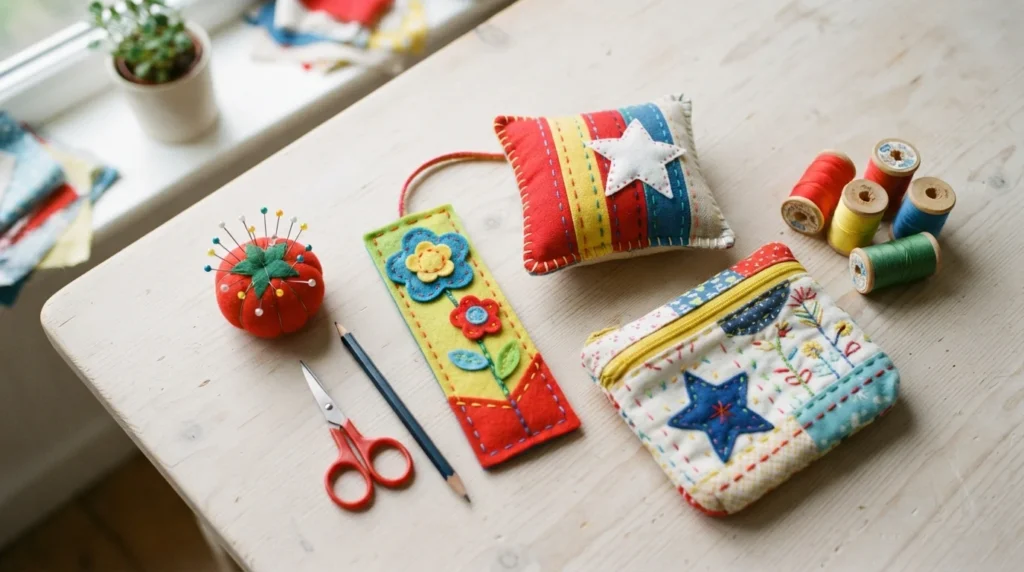

Teaching a child to sew gives them a skill they will use for life, and it also keeps small hands busy in the best way. The projects below start with simple running stitches and build toward small finished pieces kids can use, wear, or gift. Each one is short enough to finish in an afternoon. Grab some felt, a blunt needle, and a few spools of thread, and let your child pick the first project.
1. Felt Bookmark

A felt bookmark is the friendliest first project because there is nothing to turn inside out and no tricky corners. Cut a rectangle about two inches wide and six inches long, then let your child sew a running stitch along each long edge. Contrasting thread makes every stitch easy to see and easy to fix.
Felt does not fray, so the edges stay neat without any finishing work. Kids can add a small felt heart or star at the top with a few simple stitches. When they finish, they have something useful that they made themselves.
This is a good project for teaching the basic in-and-out rhythm of sewing. Ask your child to say “up, down” out loud as they stitch. It sounds silly, but it helps the motion stick.
2. Button Practice Card
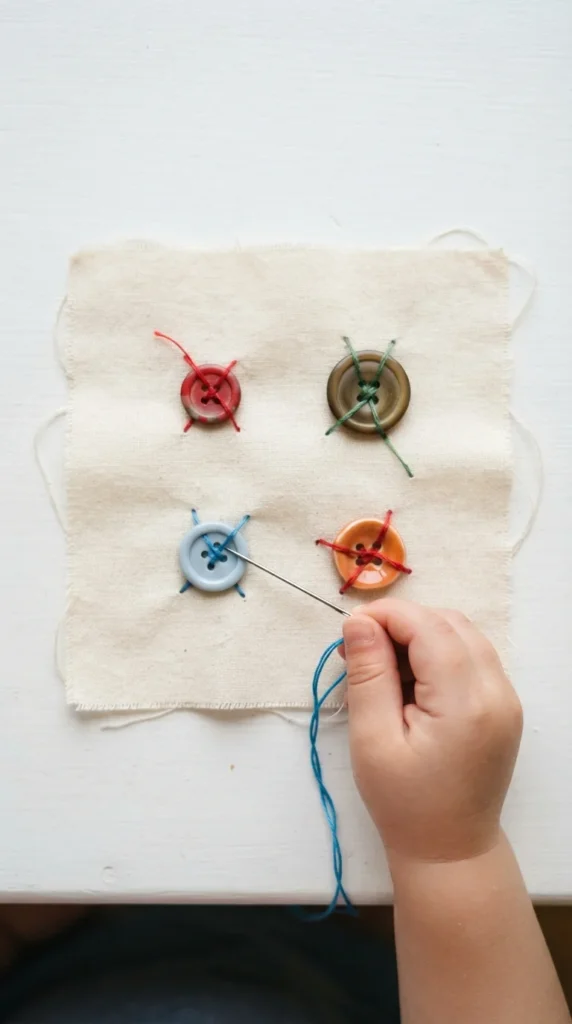
Sewing on a button is one of the most practical skills a child can learn. Start with a scrap of sturdy fabric and a handful of large, flat buttons with two or four holes. Show your child how to bring the needle up through one hole, down through the next, and repeat until the button feels snug.
Let them practice on several buttons in different colors. By the third or fourth one, most kids stop needing help. Finish with a few stitches wrapped around the thread under the button, and tie a knot on the back.
Keep the finished card as a keepsake, or sew it onto a bag as decoration. Either way, your child will never have to ask someone else to fix a missing shirt button again.
3. Simple Felt Pouch

A felt pouch is a small project with a big payoff. Cut two matching rectangles, place them together, and stitch around three sides. Kids can use a running stitch or try a blanket stitch for a decorative edge.
Pouches hold coins, hair clips, crayons, or small treasures. Because felt is thick and forgiving, the stitches hold their shape even when they are uneven. That makes it a confidence-builder for beginners.
Add a snap or a Velcro dot at the top if your child wants it to close. Otherwise, leave it open and let them decide what it will carry. They often come up with better ideas than we do.
4. Stuffed Felt Heart

A stuffed heart teaches kids how to sew a closed shape and fill it. Cut two heart shapes from felt, stitch around the edge, and leave a small gap. Push in a handful of stuffing with a pencil eraser, then close the gap with a few more stitches.
The curved edge is a nice step up from straight lines. Kids learn to turn the fabric as they sew, which is a skill they will use on every future project. Small hearts are quick enough to hold their attention.
Hang the heart on a doorknob, tuck it in a lunchbox as a note of love, or give it as a gift. Making a few at once is a sweet way to practice.
5. Drawstring Bag
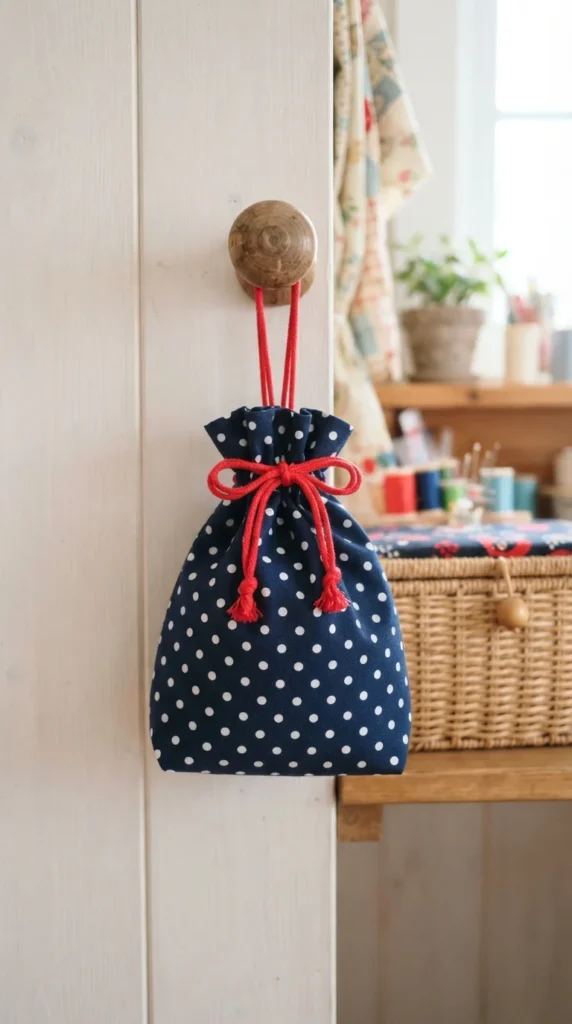
A drawstring bag is a classic kids’ project, and it looks impressive when finished. Fold a rectangle of cotton in half, sew up the sides, and fold the top edge over to make a channel for the cord. An adult can help with the channel while the child handles the long side seams.
Thread a ribbon or cord through the channel with a safety pin and tie the ends together. The bag is ready for toys, shoes, or snacks. Kids love using something they built themselves, and a bag gets used often.
Pick a fabric with a fun print so the child feels proud carrying it around. A pillowcase works well as a source of fabric if you want to save a little money.
6. Mini Pillow

Mini pillows are perfect for doll beds, stuffed animals, or a reading nook. Cut two squares of fabric, place them with the pretty sides facing in, and sew around three and a half sides. Turn it right side out, fill it with stuffing, and close the opening with small stitches.
This project introduces the idea of sewing inside out, which surprises many kids. They enjoy the moment when the pillow turns right side out and suddenly looks finished. A square shape keeps the sewing simple.
Pick fabric scraps from old shirts or leftover quilting cotton. Mixing prints makes each pillow feel one of a kind.
7. Pet Rock Sleeping Bag

This project mixes imaginative play with sewing. Kids paint a smooth rock to look like a character, then sew a tiny sleeping bag from felt. Fold a rectangle in half, stitch the long side and the bottom, and tuck the rock inside.
The small size means the sewing is quick, and the story possibilities are endless. Kids often name their rock and plan adventures for it. That playfulness keeps them coming back to the needle.
Add a small felt pillow or a blanket for extra detail. Collecting a few rocks and making a whole family of sleeping bags can fill a rainy afternoon.
8. Fabric Hair Scrunchie
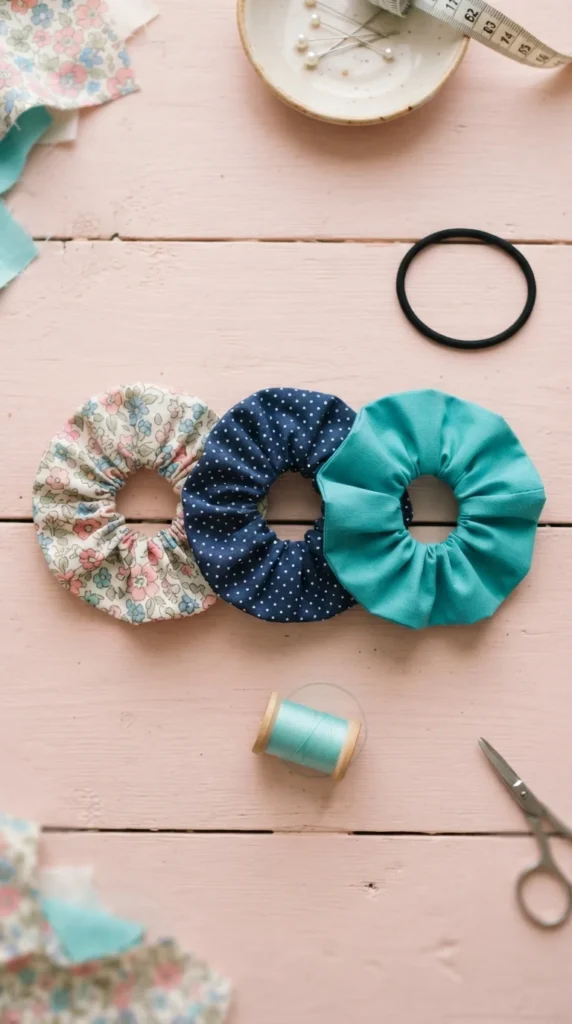
A scrunchie is a quick project that kids will wear right away. Cut a long strip of fabric, fold it in half lengthwise, and sew along the long edge. Turn the tube right side out, thread an elastic through it, and stitch the ends together.
Kids practice a longer running stitch and learn how to work with a tube of fabric. The finished piece is something they can wear the same day, which makes the effort feel worthwhile. A safety pin helps guide the elastic through.
Use cotton scraps in bright prints. A set of three in different colors makes a thoughtful gift for friends.
9. Simple Headband
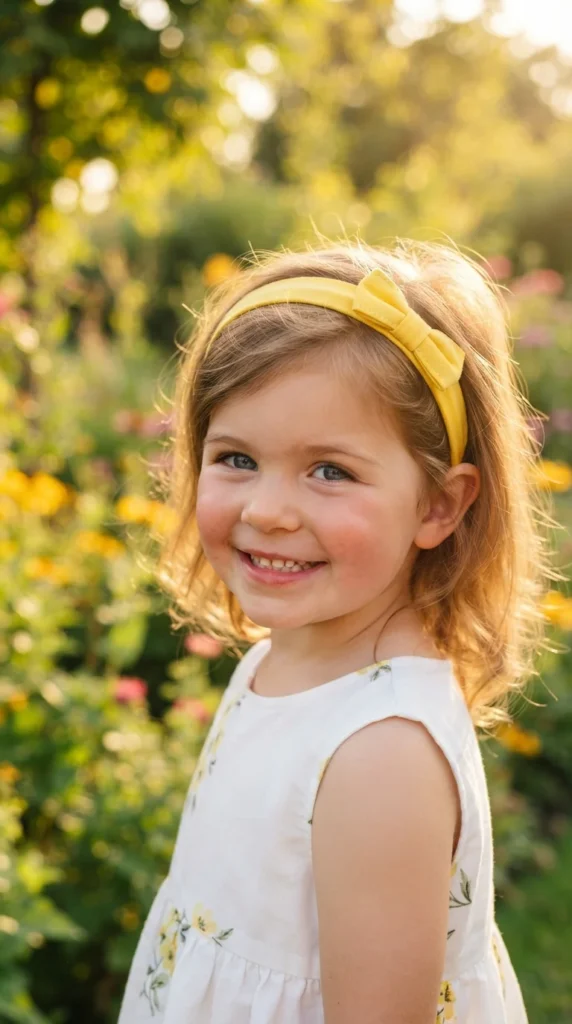
A headband starts with a strip of stretchy knit fabric or cotton. Sew the long edges together to make a tube, then stitch the short ends to form a loop. Kids can add a small bow or flower on the front for a personal touch.
Knit fabric is forgiving because it stretches, so small uneven stitches do not show. This is a nice project for kids who are ready to sew a little faster. The finished headband fits right away and gets worn often.
Choose a fabric your child loves, whether it is a favorite color or a cartoon print. Wearing something they made gives a real boost in confidence.
10. Stuffed Fabric Ball

A soft fabric ball is a fun challenge for kids who have already tried a few projects. Cut six rounded panels from different fabrics, sew them together along the edges, and stuff the ball before closing it up. An adult may need to help line up the panels.
The finished ball is safe for indoor play and makes a good toy for toddlers or pets. Kids see how flat pieces of fabric become a three-dimensional shape. That moment of discovery is part of the fun.
Use bright scraps so each panel stands out. Sewing slowly and keeping stitches small helps the ball hold its shape.
11. Cat Toy Mouse

A felt mouse is a small project with a happy ending for the family cat. Cut an oval body shape with a pointed nose, fold it, and sew along the edge. Stuff it, add a yarn tail, and stitch on two small felt ears.
Kids enjoy making something for a pet, and the small size makes the stitching quick. They also learn to attach small pieces, which is good practice for finer details. Dried catnip inside the stuffing makes the toy extra popular.
Make several in different colors. A basket of handmade mice makes a sweet gift for a neighbor with a cat.
12. Felt Finger Puppets
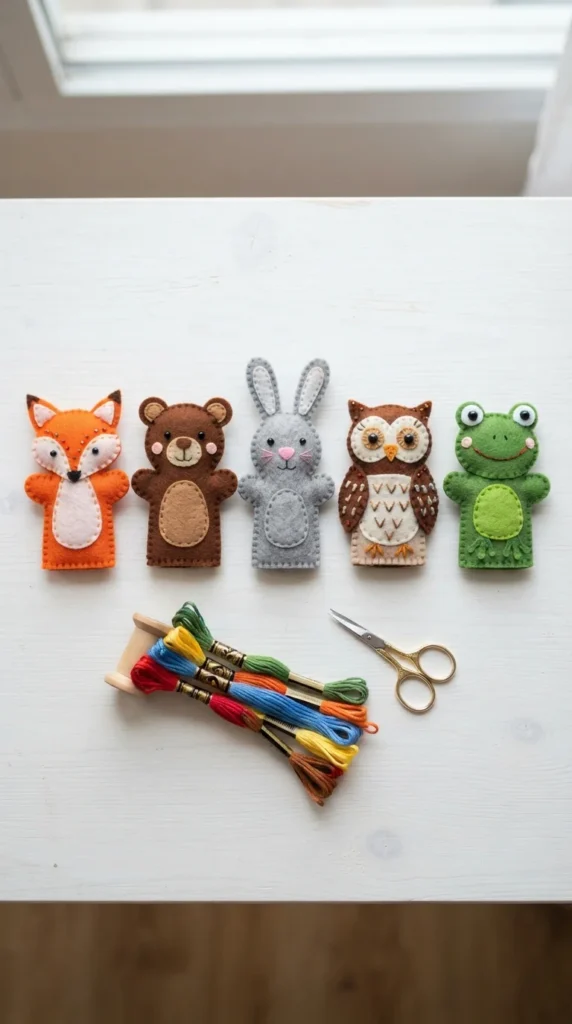
Finger puppets are tiny and quick, which makes them perfect for short attention spans. Cut two matching shapes from felt, sew the sides together, and leave the bottom open for a finger. Add eyes, ears, and a nose with a few stitches or a dab of fabric glue.
Kids can invent characters and then put on a puppet show. That mix of making and playing keeps them motivated. Each puppet teaches a slightly different shape and detail.
Start with an animal that has a simple outline, like a bear or a mouse. Once they feel confident, they can design their own creatures.
13. Simple Tote Bag
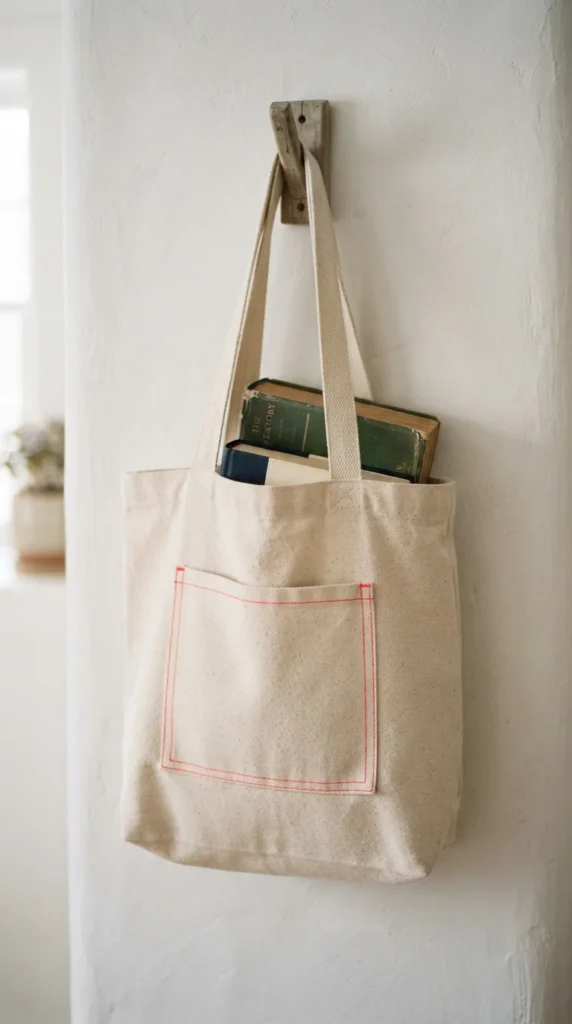
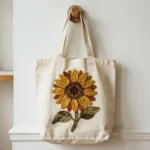
A tote bag is a bigger project, but the steps are still simple. Fold a rectangle of canvas, sew the side seams, and attach two straps. Kids can stitch a pocket onto the front for a little extra challenge.
Canvas is thick, so use a larger needle and let an adult help push it through at the straps. The finished tote is sturdy enough for library books, snacks, or a picnic blanket. Kids feel proud carrying something this useful.
Decorate it with fabric markers or iron-on patches once the sewing is done. That adds a personal touch without extra stitching.
14. Fabric Coasters

Coasters are small flat squares, so the sewing stays simple. Cut two squares of cotton and one of batting, layer them, and stitch around the edges. Kids can add a line of stitching across the middle for a quilted look.
This project gives them a chance to practice straight lines. Because each coaster is small, mistakes feel low-stakes. A set of four makes a thoughtful gift for a grandparent or teacher.
Pick coordinating fabrics so the set looks polished. Kids often enjoy mixing and matching patterns.
15. Doll Blanket
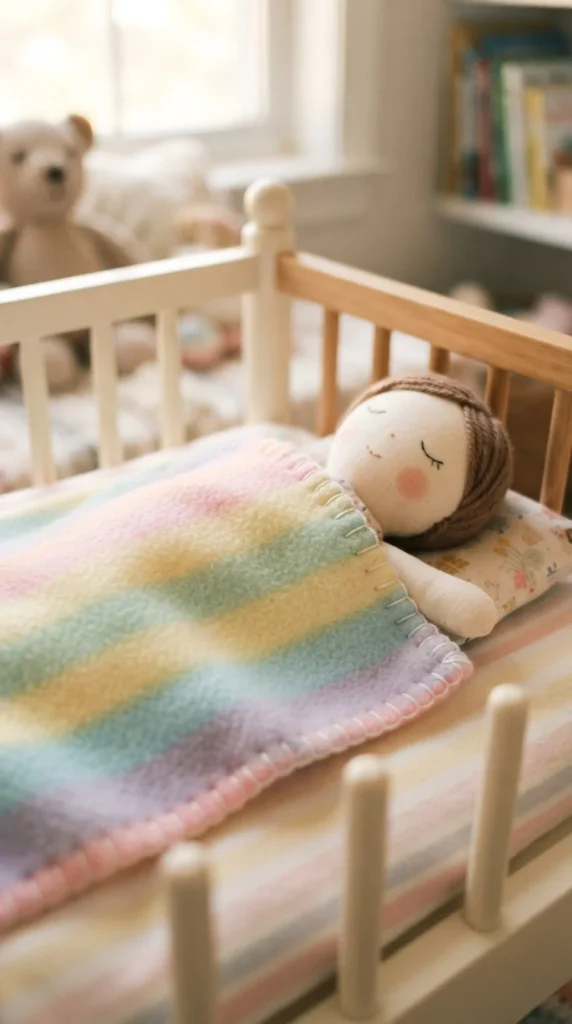
A doll blanket is a gentle project that lets kids practice long stitches. Cut a rectangle of fleece or flannel, and sew a blanket stitch around the edge with thick yarn or embroidery floss. The stitches are large and easy to see.
Fleece does not fray, so there is no hemming to worry about. Kids learn a decorative stitch that looks impressive on the finished piece. It also gives them something to play with right away.
Make a matching pillow for the doll. Tucking the doll into bed is the best reward for the work.
16. Pencil Case
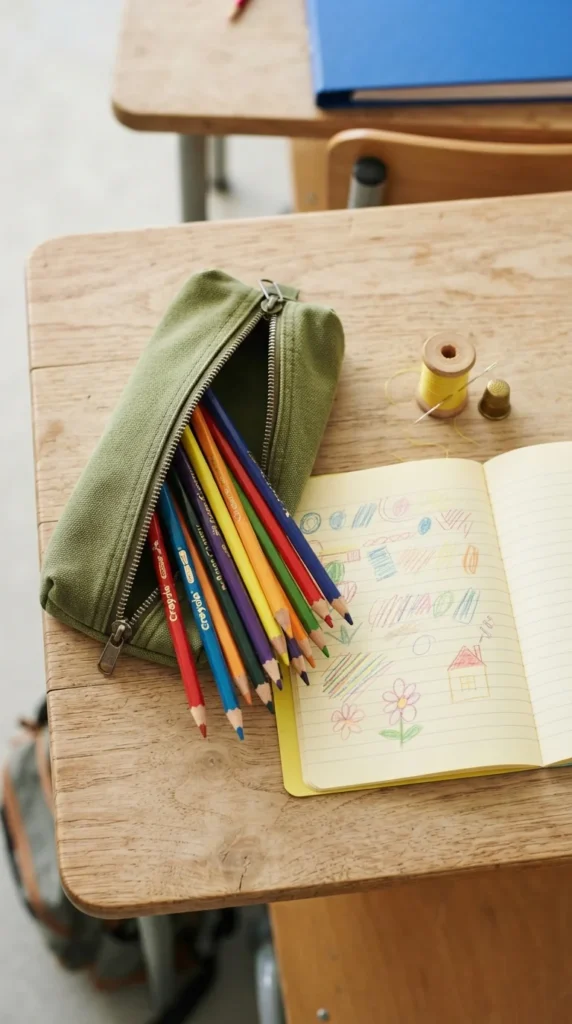
A pencil case is a practical project that kids can use at school. A simple version uses a rectangle of fabric folded in half, with a Velcro strip or button to close it. Sew the sides and add the closure.
Adding a zipper makes it a stretch project for older kids. An adult can help with the zipper while the child handles the rest. The finished case holds pencils, erasers, and small supplies.
Pick a fabric that matches your child’s personality. Using it every day reminds them that they made it.
17. Fabric Napkins
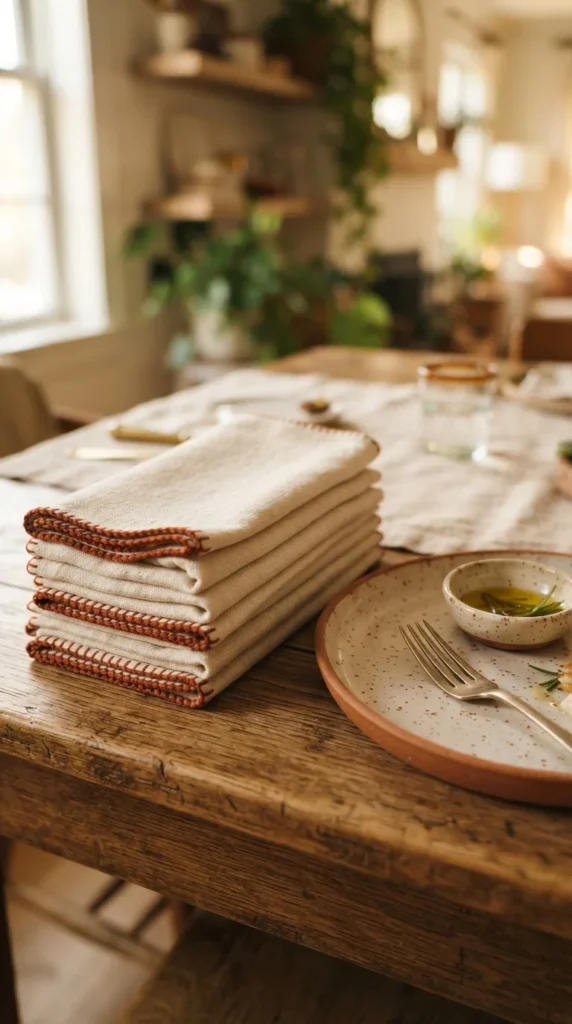
Fabric napkins teach kids how to sew a clean hem. Cut a square of cotton, fold the edges over twice, and stitch around the border. Straight lines and corners are good practice for steady hands.
The napkins get used at the dinner table, so the whole family can see the finished work. Kids feel a sense of pride when guests use something they sewed. A set of four or six makes a lovely gift.
Choose a fabric that hides small stains, like a patterned cotton. Pressing the hem with an iron first makes sewing easier, and an adult can handle that step.
18. Reusable Lunch Wrap
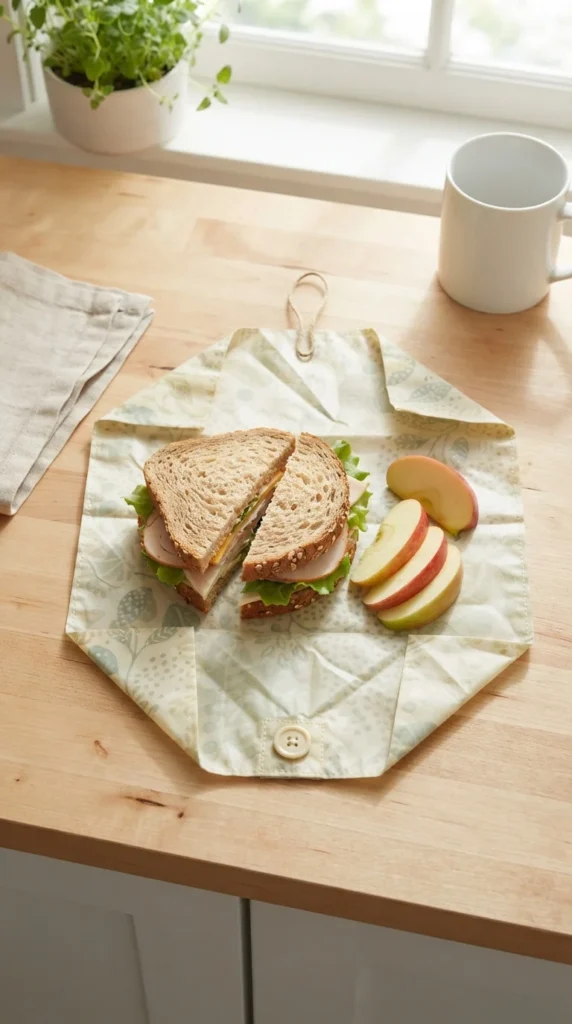
A lunch wrap is a smart way to replace plastic bags. Cut a square of washable cotton, hem the edges, and sew a button and a loop of elastic to hold it closed. Kids put several skills to work in one project.
The finished wrap holds a sandwich or snack and can be washed after use. Kids enjoy bringing it to school and showing friends. It also teaches them about reusing things instead of throwing them away.
Choose a fabric with a bright print so it is easy to spot in a lunchbox. Make a second wrap so there is always a clean one ready.
19. Patchwork Square

Patchwork introduces kids to joining many pieces into one. Cut nine small squares from different fabrics, sew them in three rows of three, and then join the rows. The seams teach accuracy and patience.
A finished patchwork square can become a coaster, a pillow front, or a pocket on a bag. Kids love picking out their favorite fabrics and arranging them. The result is colorful and personal.
Use a pencil to draw a seam line on the back of each square. That small guide helps keep stitches straight.
20. Simple Stuffed Animal

A stuffed animal is a proud milestone project. Choose a simple shape like a bear, elephant, or fish, and cut two matching pieces from soft fabric. Stitch around the edge, leave a gap, stuff the body, and close it up.
Kids learn how to handle curves and add small details like ears and eyes. Use buttons or embroidered stitches for the face, and sew them on carefully for younger kids. An adult can help with the trickiest parts.
The finished animal becomes a cuddle buddy or a gift for a younger sibling. Seeing a flat pattern turn into a toy is a magical moment for most children.
21. Embroidery Hoop Art
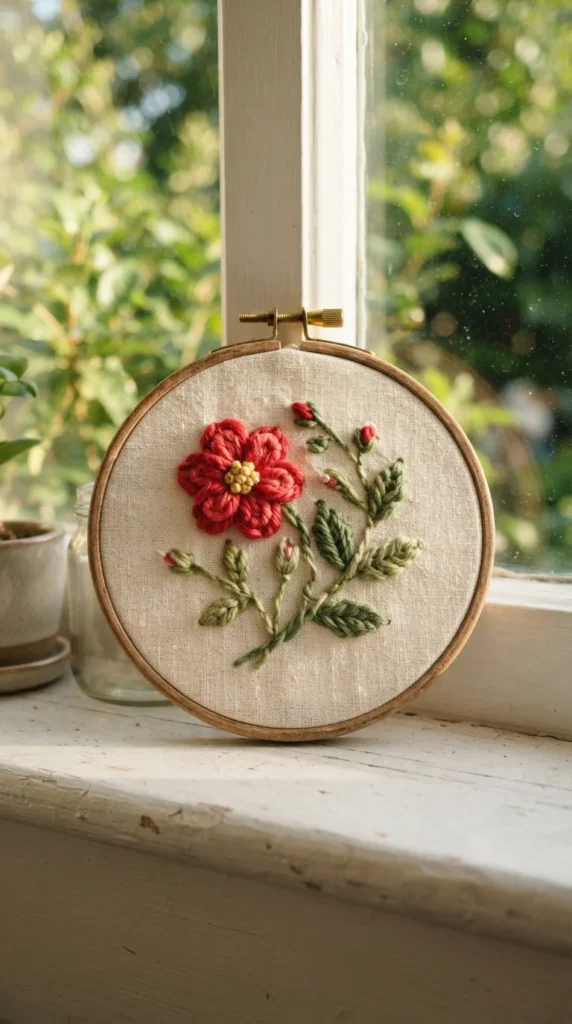
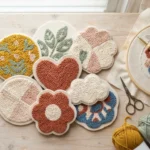
Embroidery hoop art is a lovely way to practice decorative stitches. Draw a simple shape like a flower, heart, or star on fabric, then fill it in with running stitches, backstitches, or French knots. The hoop keeps the fabric tight and easy to work on.
Kids learn to follow a design and choose colors. Chunky thread and a large blunt needle make the stitches easy to see. The finished hoop can hang on a bedroom wall as proud artwork.
Start with a simple outline before filling in shapes. Hanging the finished piece gives kids a lasting reminder of what they can make.
Final Thoughts
Sewing gives kids a skill that grows with them, and these 21 projects offer a gentle path from first stitch to finished creation. Each one builds confidence while producing something useful or fun. Pick one project this weekend, gather a few scraps and a needle, and sit down together. You may be surprised how quickly your child asks to make another.

Lily Summers is a digital artist and creative storyteller who loves bringing colorful characters to life. With a passion for cartoons, fan art, and playful sketches, she inspires others to explore their imagination through art. When she’s not sketching, you’ll find her dreaming up new ideas for CraftedWizard.com to spark creativity in every artist. 🌈✨