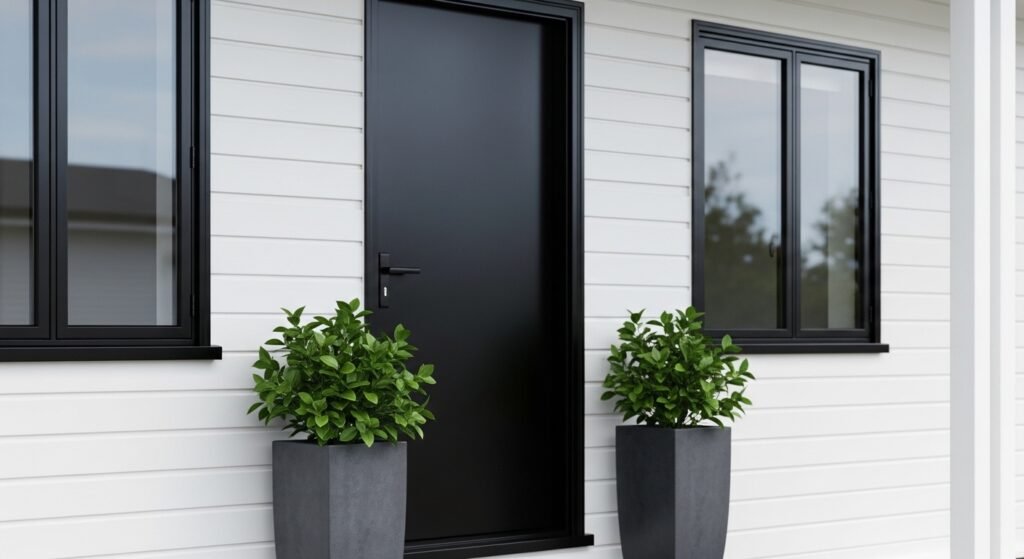
I learned that contrast makes a house readable from the street.
I once painted a door twice before getting it right.
These looks are what I used, returned, or kept because they felt lived-in. They’re simple, doable, and real.
29 Jaw-Dropping White And Black Aesthetic House Exterior Looks For A Timeless Finish
These 29 ideas are hands-on, tested, and clear.
I’ll show what worked, what I’d change, and exactly what to buy.
Expect practical, photo-ready exterior looks — all in one list.
1. Bold Black Window Frames on Crisp White Siding
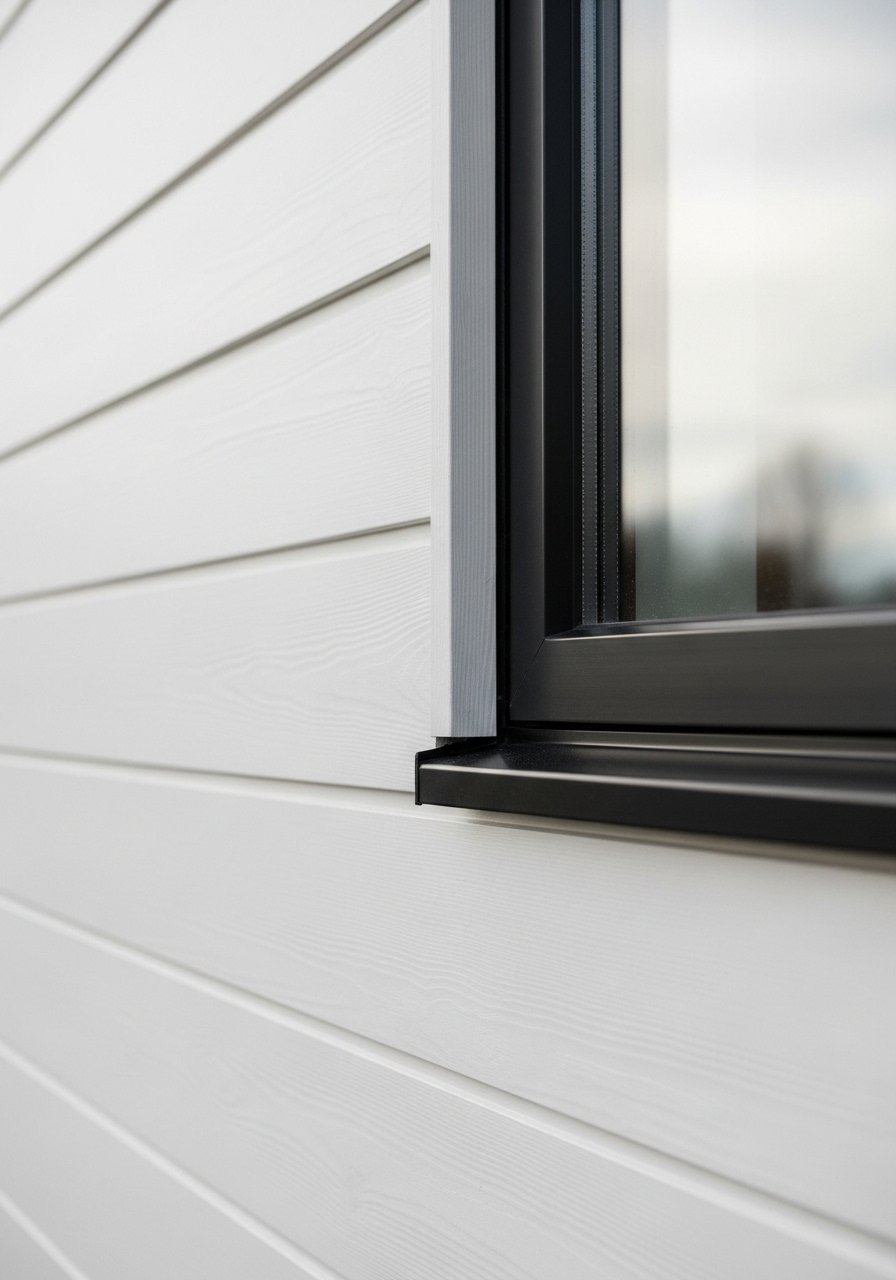
I swapped factory vinyl frames for slim black aluminum and the whole façade read like a photo. The black frames make white siding feel intentional instead of plain.
I noticed the house looked narrower at first, but then the proportions balanced when I added black shutters on two windows.
Watch your caulking lines. I re-caulked twice to avoid messy edges.
What You’ll Need for This Look
- Black aluminum window frames replacement guide and supplies{:target="_blank" rel="nofollow sponsored"}
- Exterior-grade black caulk{:target="_blank" rel="nofollow sponsored"}
- Matte black exterior window shutter hardware{:target="_blank" rel="nofollow sponsored"}
2. Black Front Door With Modern White Trim
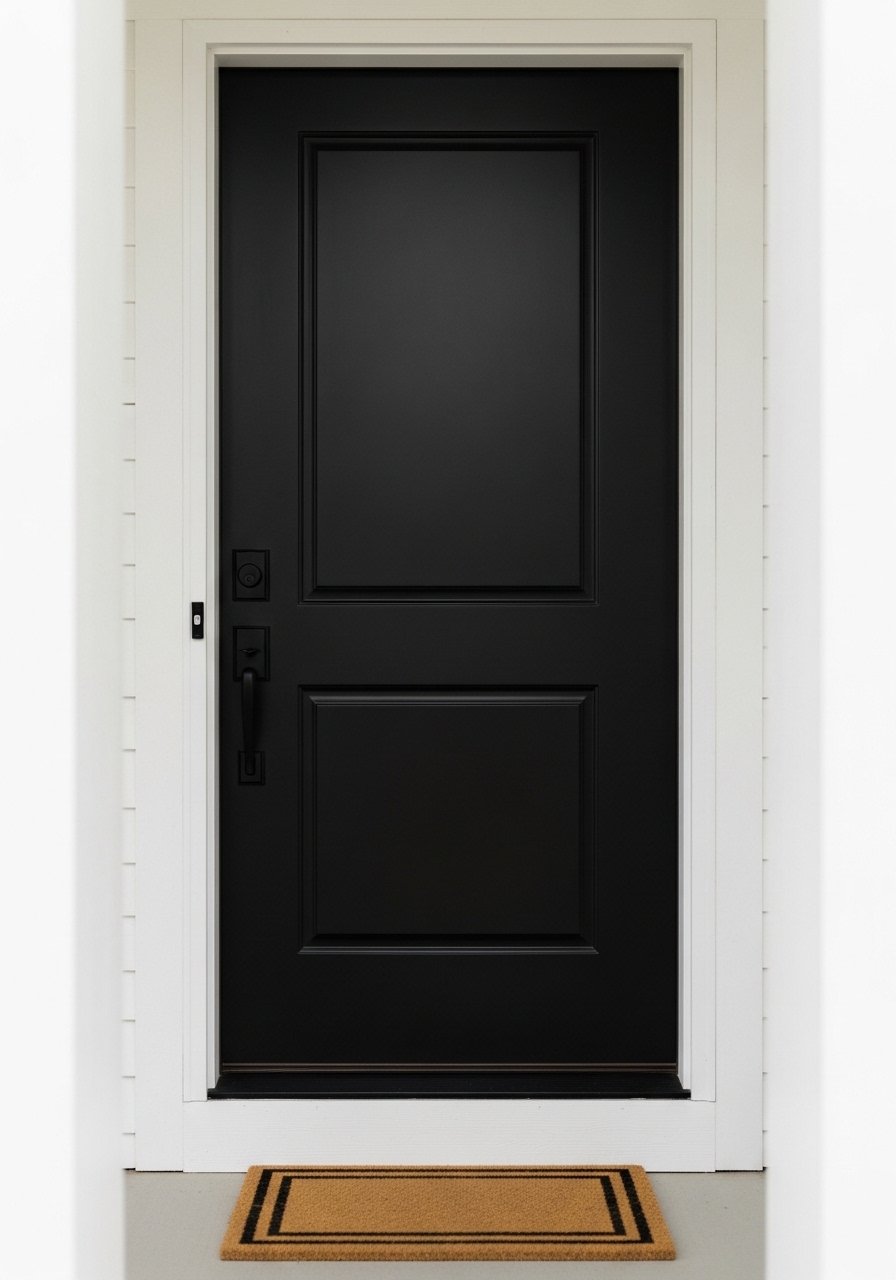
My first black door felt formal. Reframing it in white trim made it welcoming. I like the contrast: the door anchors the entrance without shouting.
I added a narrow sidelight and the white trim kept the entrance bright. The look read modern but cozy.
I’ll warn you: hardware choices matter. I changed knobs twice before choosing a low-profile lever.
What You’ll Need for This Look
- Matte black exterior door paint (touch-up){:target="_blank" rel="nofollow sponsored"}
- White exterior door trim kit{:target="_blank" rel="nofollow sponsored"}
- Matte black exterior door handle set{:target="_blank" rel="nofollow sponsored"}
3. White Brick, Black Mortar for a Graphic Look
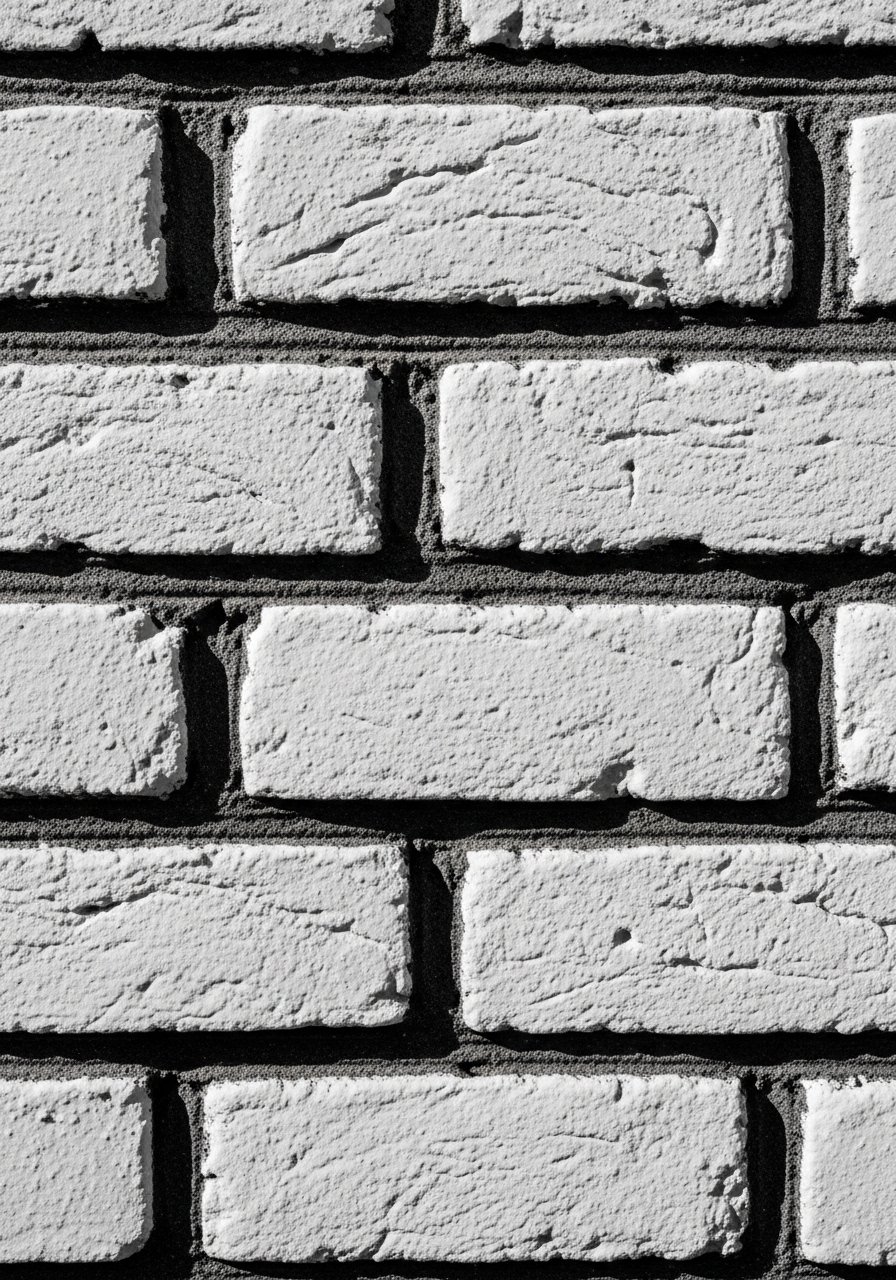
I painted our old red brick white, then used a dark mortar wash to keep the texture visible. The result felt fashion-forward but still honest.
From the street, the house looks crisp and tactile. The black lines add structure and keep the white from feeling flat.
My mistake: I initially used pure black mortar and it read too heavy. I toned it down with a warm black.
What You’ll Need for This Look
- Exterior masonry paint in white{:target="_blank" rel="nofollow sponsored"}
- Tintable mortar or masonry stain in dark gray/black{:target="_blank" rel="nofollow sponsored"}
- Masonry brush and grout tools{:target="_blank" rel="nofollow sponsored"}
4. Two-Tone Siding: White Upper, Black Lower
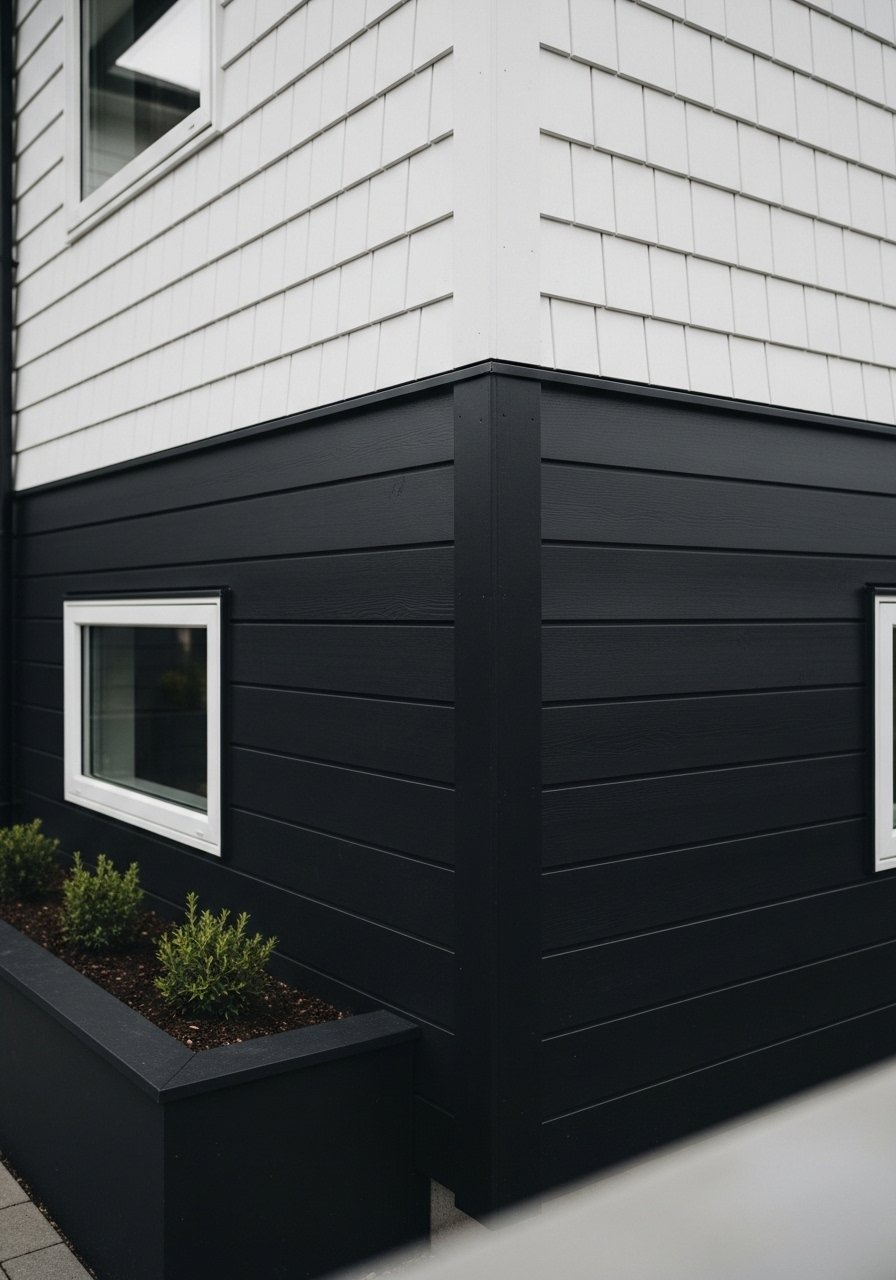
We painted the bottom third black to hide dirt from splash and left the top white. It grounded the house and made maintenance easier.
Neighbors asked if we’d added a new foundation. It’s subtle but dramatic. The black base reads modern and practical.
Tip: mark a clear horizontal line and use good painters’ tape. I had to sand a rough edge once.
What You’ll Need for This Look
- Exterior grade black siding paint{:target="_blank" rel="nofollow sponsored"}
- High-quality painter’s tape for exterior use{:target="_blank" rel="nofollow sponsored"}
- Drop cloths and sanding block set{:target="_blank" rel="nofollow sponsored"}
5. Matte Black Garage Door Against White Walls
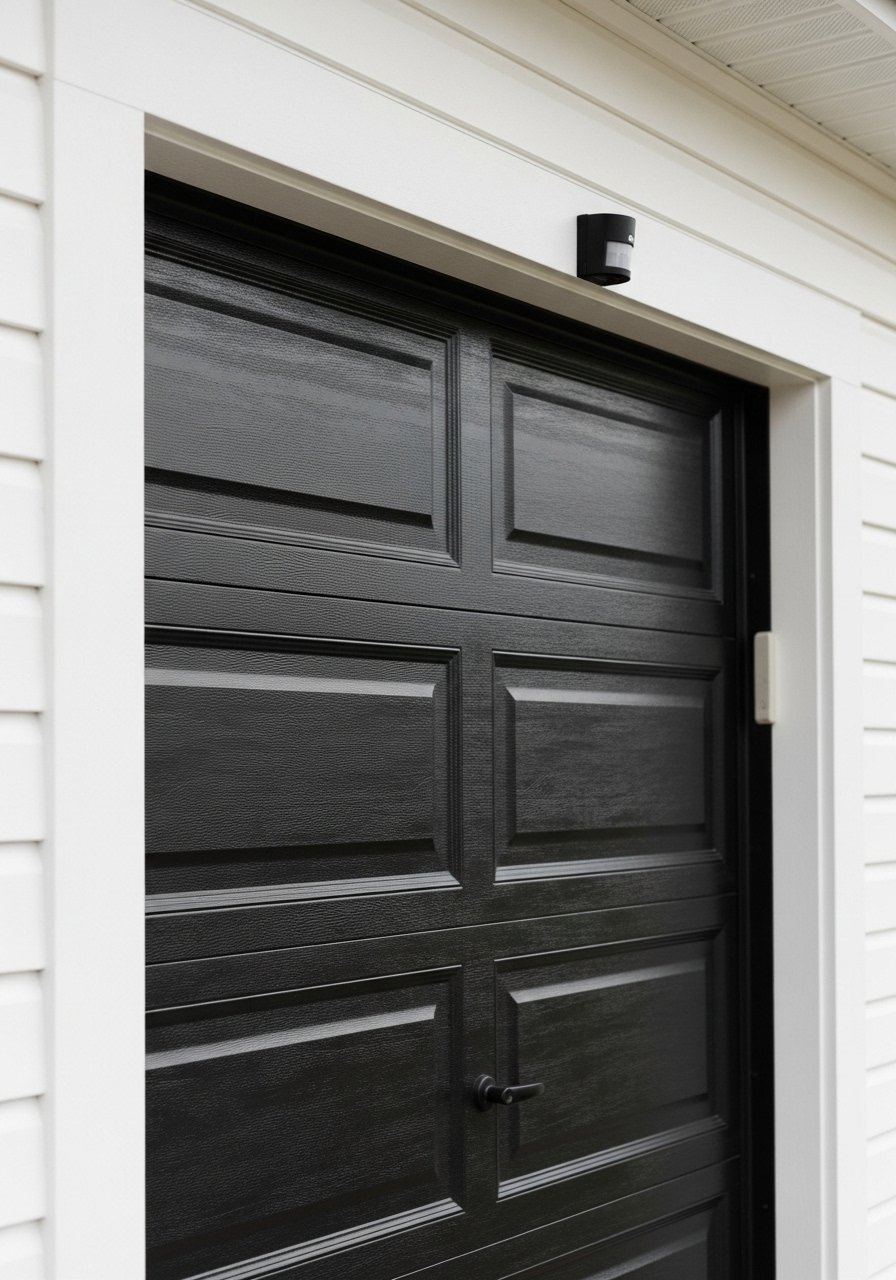
I painted our old garage door black and the whole front looked intentional. It hides stains and reads like an architectural feature.
The trick was choosing a matte finish. Gloss looked too new and reflected dirt. Matte keeps it calm.
I learned to prep the door well—peeling paint bit me the first weekend.
What You’ll Need for This Look
- Matte black exterior paint for metal doors{:target="_blank" rel="nofollow sponsored"}
- Garage door primer for metal surfaces{:target="_blank" rel="nofollow sponsored"}
- Motion sensor matte black exterior light{:target="_blank" rel="nofollow sponsored"}
6. Black Metal Pergola Against White Stucco
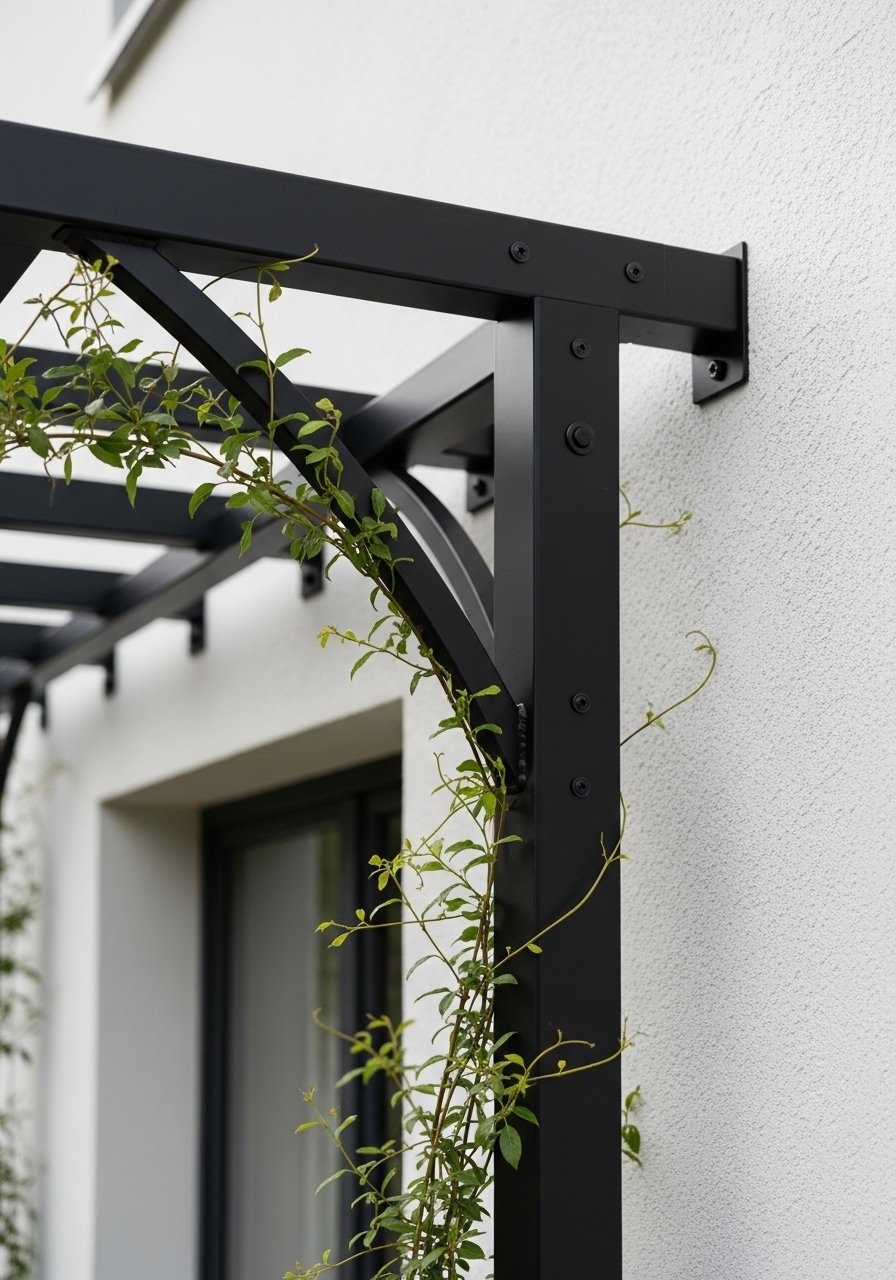
We added a black metal pergola to our white stucco porch to create a shady, modern spot. It frames the entry and casts interesting shadows.
At night, string lights make the black structure feel cozy rather than stark. The contrast adds depth to the façade.
One insight: rust protection matters. I installed stainless anchors after seeing surface rust on a cheaper kit.
What You’ll Need for This Look
- Black metal pergola kit{:target="_blank" rel="nofollow sponsored"}
- Exterior string lights with warm bulbs{:target="_blank" rel="nofollow sponsored"}
- Stainless steel mounting anchors{:target="_blank" rel="nofollow sponsored"}
7. Black Trim with White Board & Batten for Cottage Charm
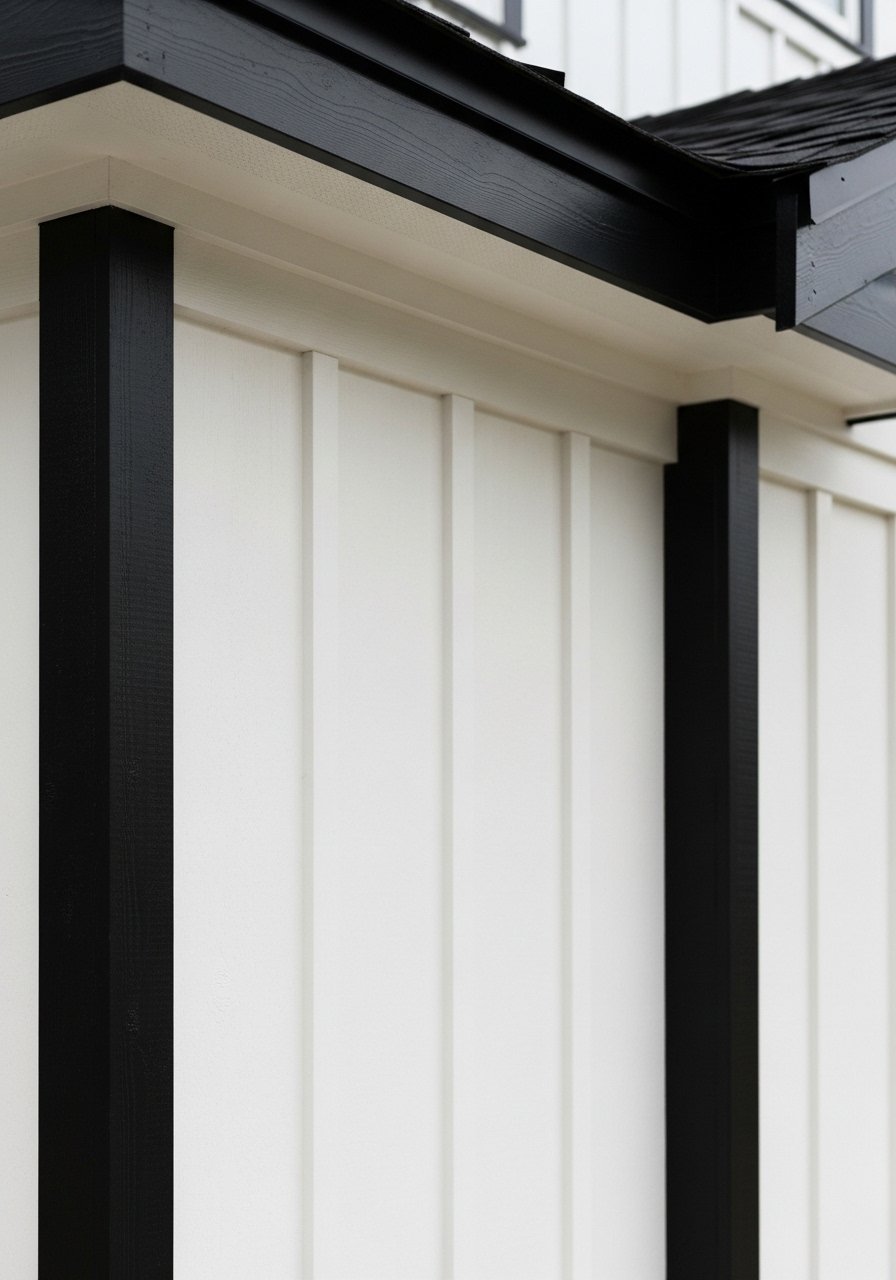
Board and batten in white felt classic. Adding black trim on the corners made the lines crisp and gave dimension.
It’s a cottage vibe that’s still modern. From up close, the black highlights the wood texture.
I learned to pre-prime boards; the paint absorbed unevenly before I did.
What You’ll Need for This Look
- Exterior white paint for wood siding{:target="_blank" rel="nofollow sponsored"}
- Matte black exterior trim paint{:target="_blank" rel="nofollow sponsored"}
- Exterior primer for wood{:target="_blank" rel="nofollow sponsored"}
8. Black Roof Accents With White Dormers
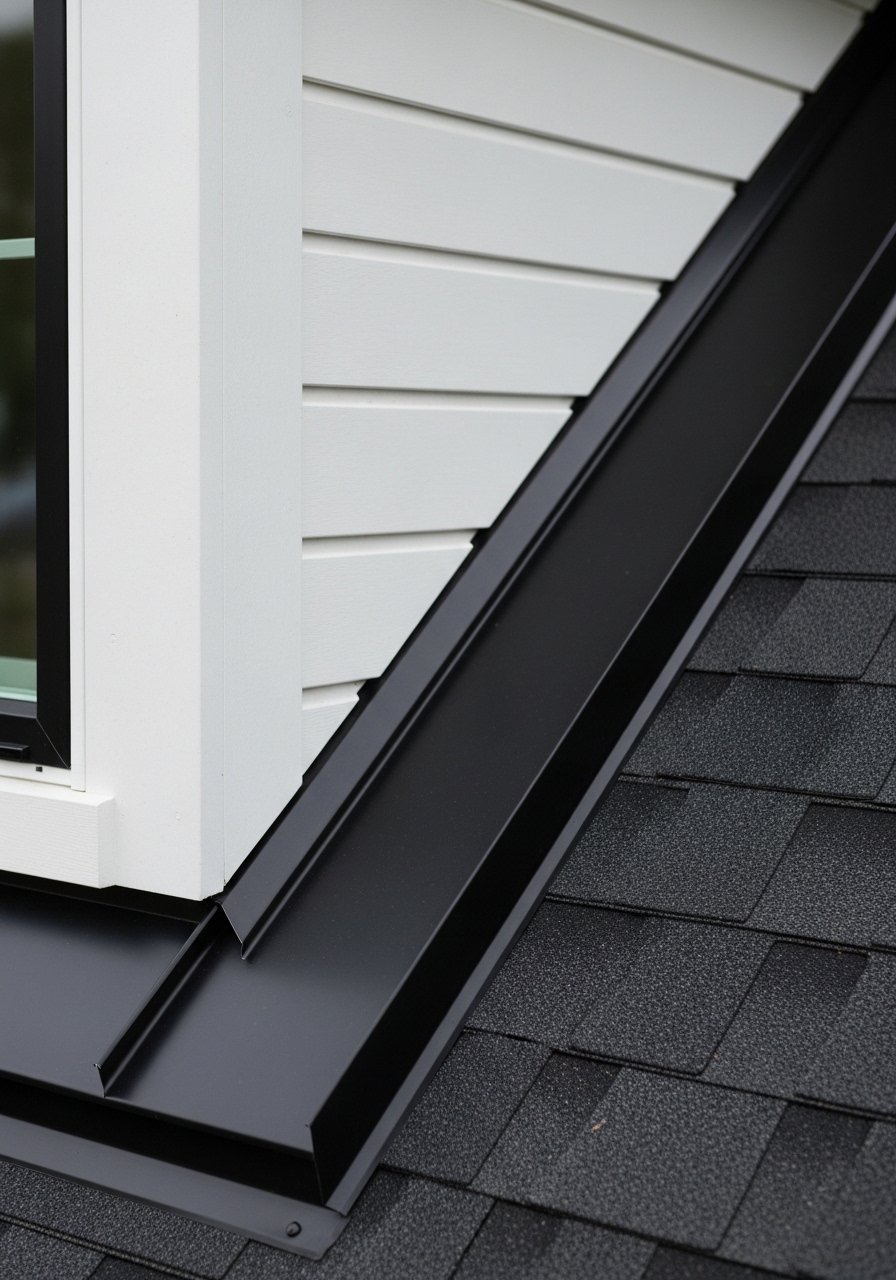
When we replaced shingles, we chose a darker black to contrast our white dormers. The result is a silhouette that reads neat and architectural.
From the curb it feels expensive without huge cost. Black roofs also hide heat stains better.
One caution: choose a high-quality underlayment. We had leaks with a cheap first try.
What You’ll Need for This Look
- Black architectural shingles{:target="_blank" rel="nofollow sponsored"}
- Roofing underlayment{:target="_blank" rel="nofollow sponsored"}
- White dormer trim paint{:target="_blank" rel="nofollow sponsored"}
9. White Stucco With Black Iron Balcony
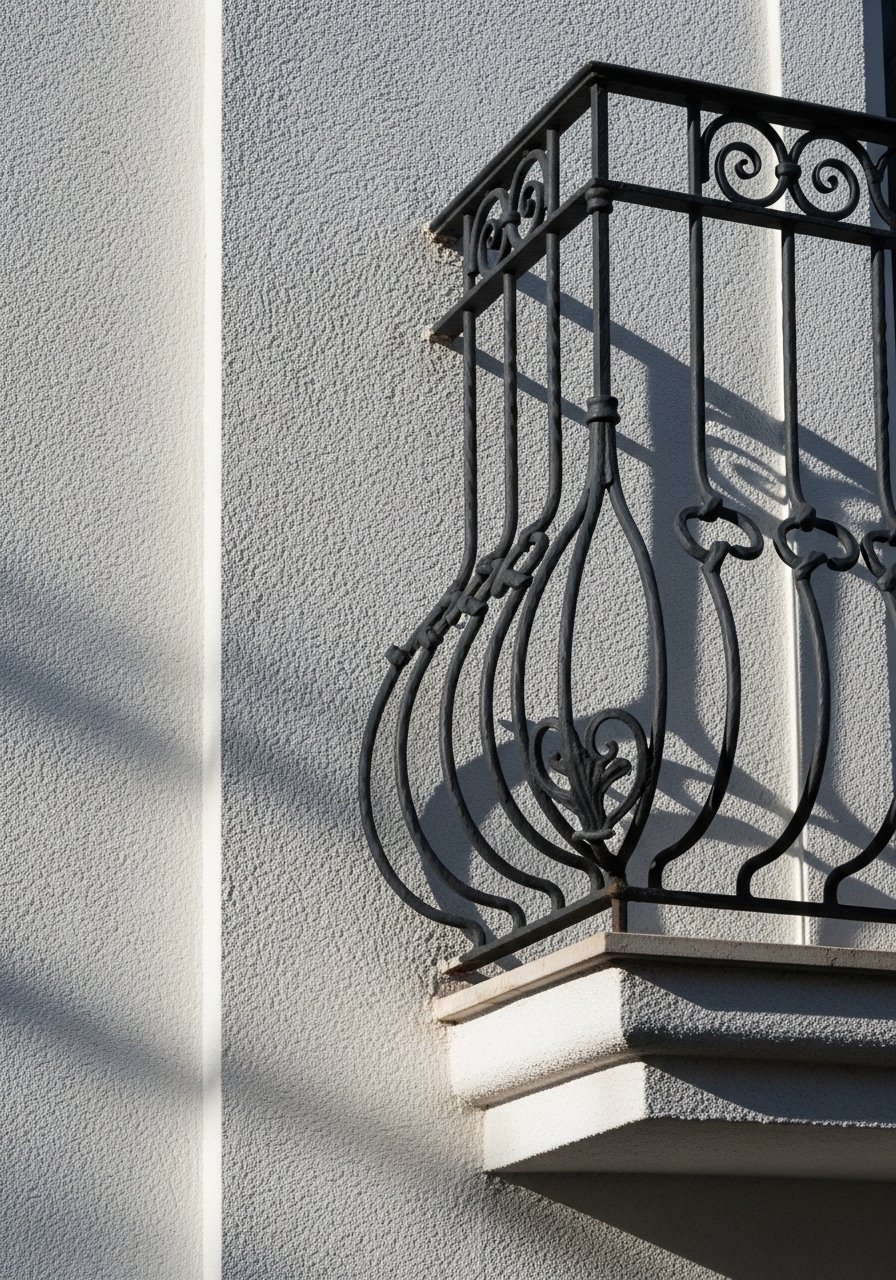
A black iron balcony makes white stucco look European and grounded. We added planters and the contrast softened the view.
It became our favorite front-row seat. The iron reads historic while the white keeps things fresh.
I underestimated weight load and had to reinforce brackets—measure twice.
What You’ll Need for This Look
- Black wrought iron balcony railing{:target="_blank" rel="nofollow sponsored"}
- Stucco touch-up kit in white{:target="_blank" rel="nofollow sponsored"}
- Outdoor planter boxes in black{:target="_blank" rel="nofollow sponsored"}
10. Monochrome Porch with White Ceiling and Black Railings
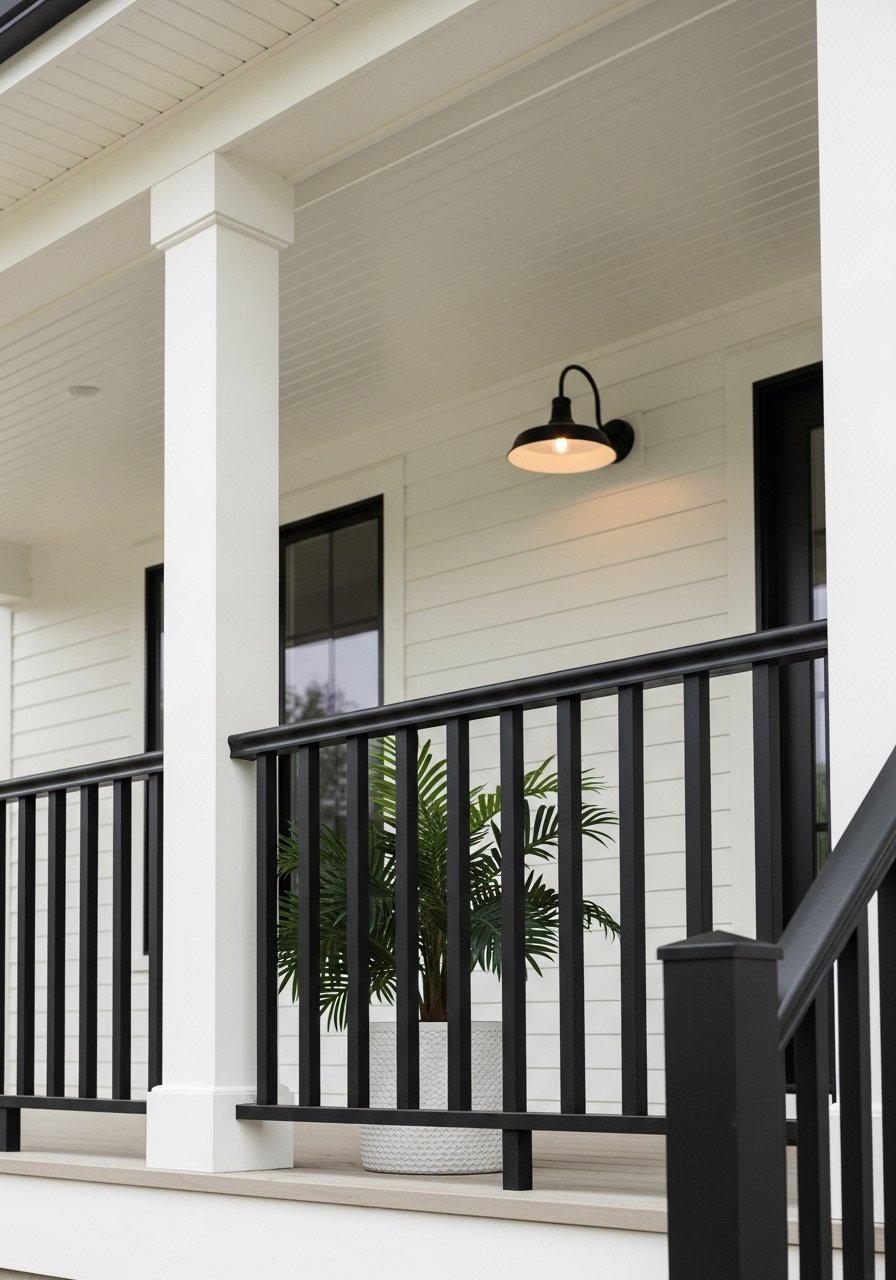
We painted the porch ceiling white to feel breezy and kept railings black for contrast. It made the porch feel taller and more intentional.
Adding a black porch light tied the look together. Guests always compliment the calm contrast.
I learned to prime metal railings to prevent chipping—saved me time later.
What You’ll Need for This Look
- White exterior porch ceiling paint{:target="_blank" rel="nofollow sponsored"}
- Matte black porch railing paint{:target="_blank" rel="nofollow sponsored"}
- Black outdoor porch light fixture{:target="_blank" rel="nofollow sponsored"}
11. Black Shutters on White Clapboard for Classic Balance
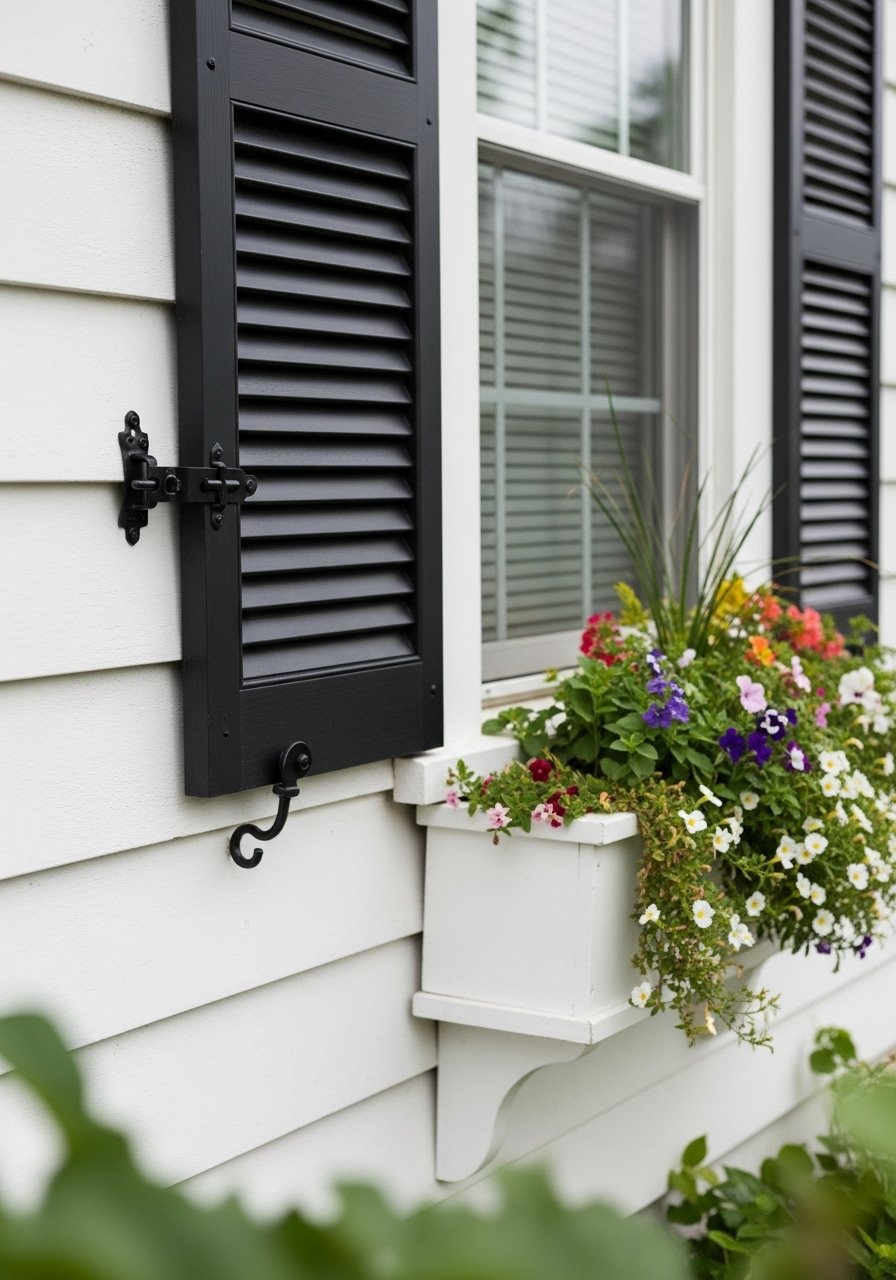
I installed black shutters on white clapboard and it read timeless immediately. It’s a look that photographs well and hides window imperfections.
I kept them functional on a few windows and purely decorative on others. Both work.
Note: measure carefully. My first pair looked off because the proportions were wrong.
What You’ll Need for This Look
- Matte black exterior shutters (pair){:target="_blank" rel="nofollow sponsored"}
- Exterior shutter hinges and latches in black{:target="_blank" rel="nofollow sponsored"}
- Window box planters in black{:target="_blank" rel="nofollow sponsored"}
12. Graphic Black House Numbers on a White Entry Wall
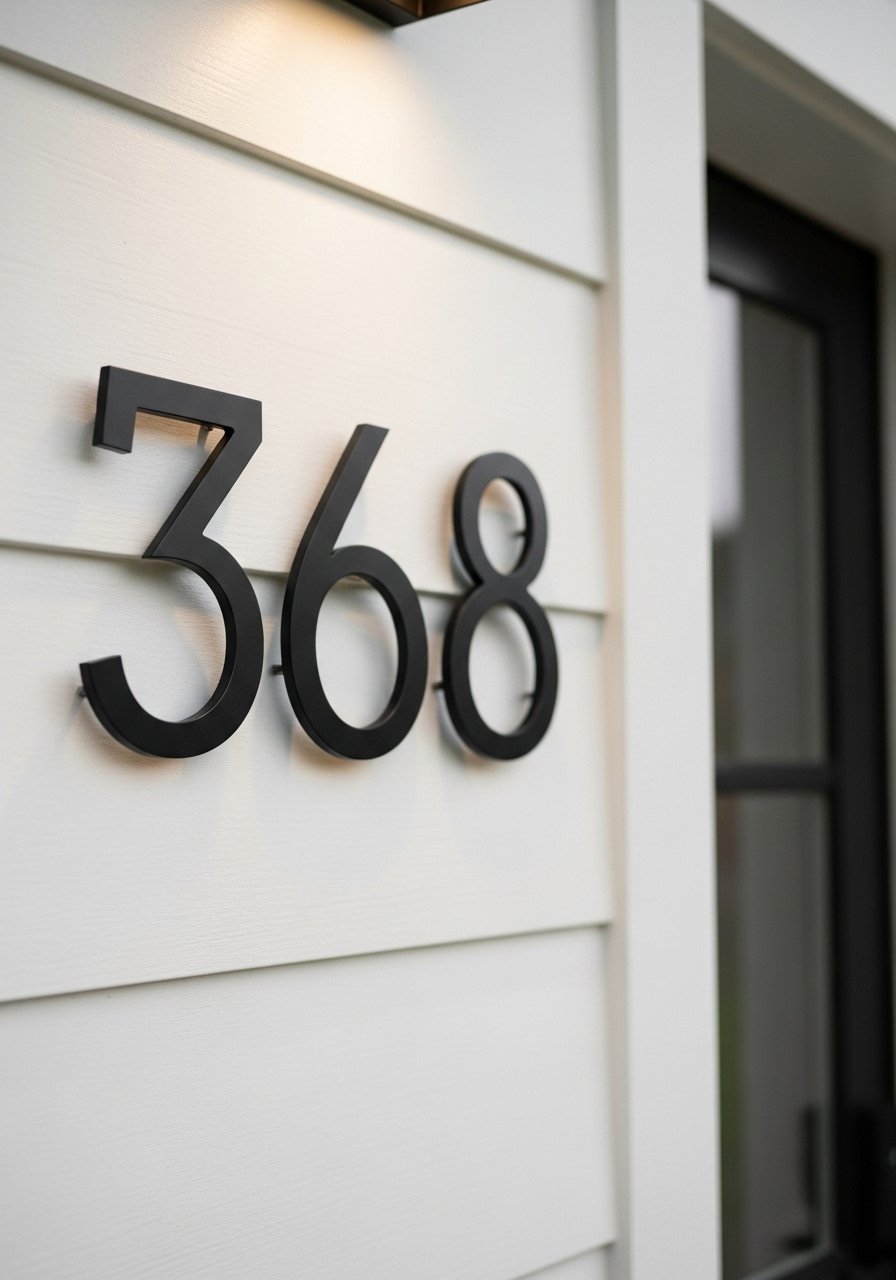
Swapping tiny numbers for bold black characters made the house feel finished. It’s an easy tweak that reads designer-level.
We chose oversized numbers and a simple font. Delivery drivers finally stop in the right place.
I misplaced the first screw pattern and had to patch holes—measure before drilling.
What You’ll Need for This Look
- Large matte black house numbers set{:target="_blank" rel="nofollow sponsored"}
- Outdoor mounting hardware kit{:target="_blank" rel="nofollow sponsored"}
13. White Pergola With Black Accent Beams
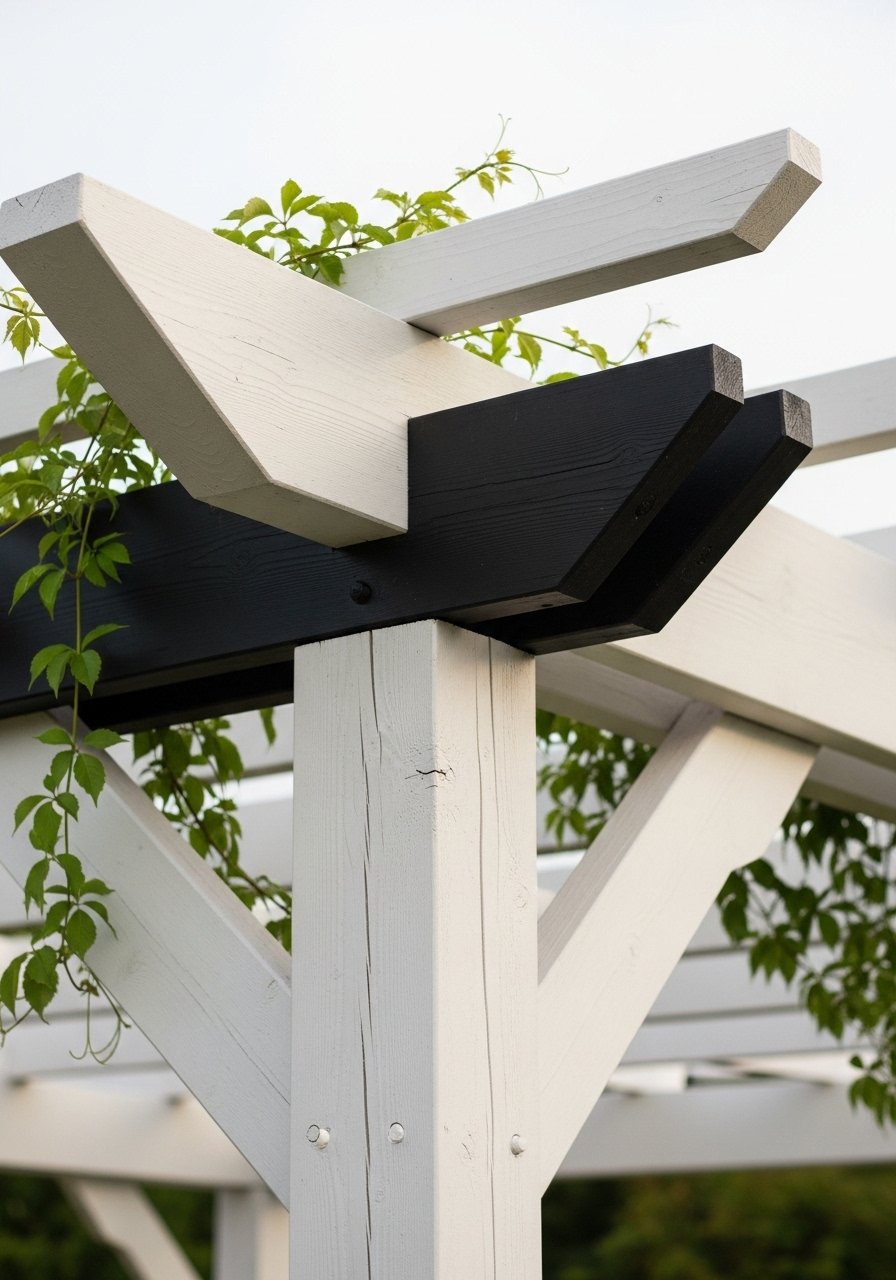
We reversed the usual: white pergola with one or two black beams. It softens the structure while keeping contrast.
The black beams create visual weight without dominating. It felt like a small architectural edit that made the yard cohesive.
I once overpainted wood that needed sanding first—don’t rush prep.
What You’ll Need for This Look
- Exterior white wood paint{:target="_blank" rel="nofollow sponsored"}
- Matte black exterior beam paint{:target="_blank" rel="nofollow sponsored"}
- Treated wood for pergola beams{:target="_blank" rel="nofollow sponsored"}
14. White Stone Veneer with Black Metal Trim
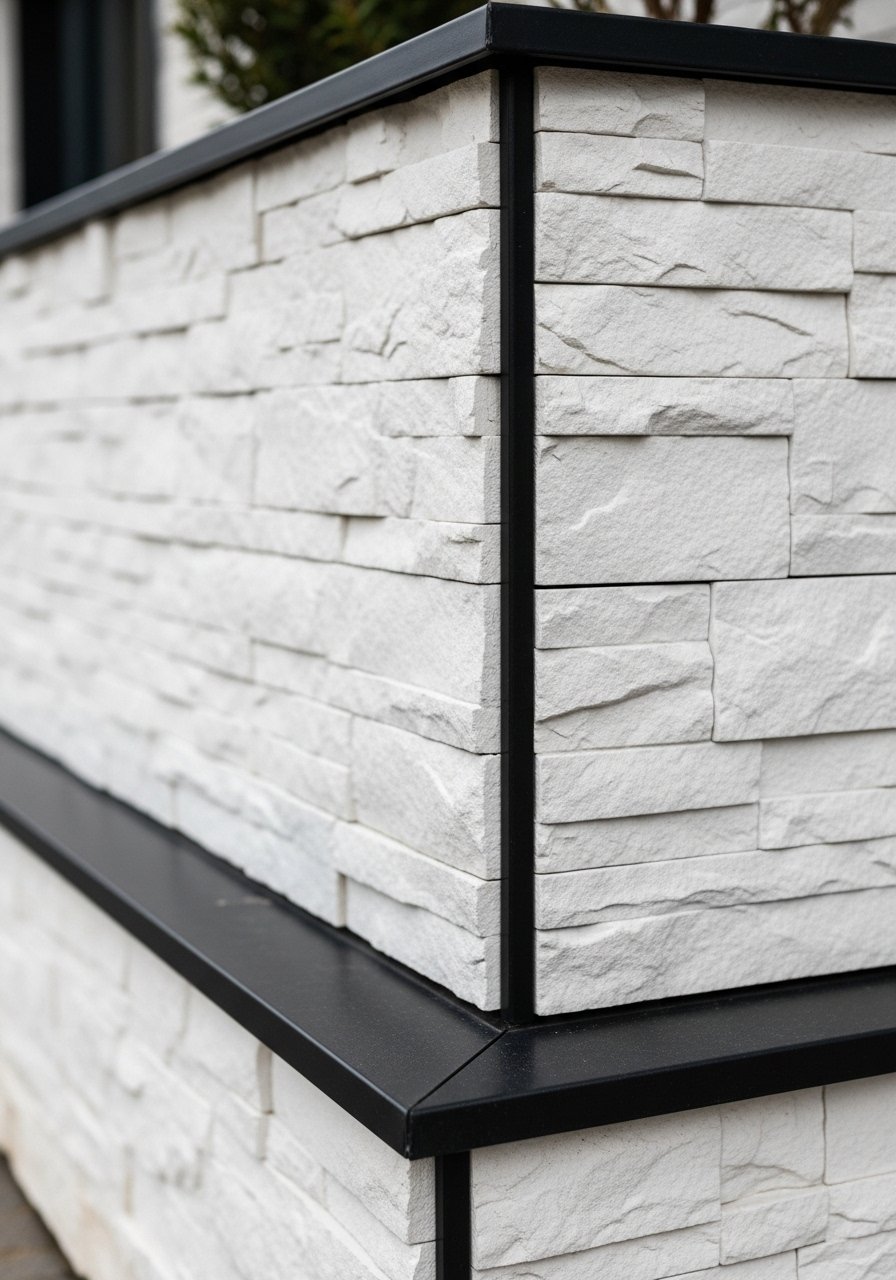
We wrapped part of our façade in white stone and finished edges with black metal trim. It looked polished and contemporary.
The metal trim reads like a frame for the stone. From close up the textures play well together.
Tip: ensure the trim is sealed to avoid water pooling. I learned that after a winter of staining.
What You’ll Need for This Look
- White stone veneer panels{:target="_blank" rel="nofollow sponsored"}
- Black metal trim flashing{:target="_blank" rel="nofollow sponsored"}
- Exterior grade sealant{:target="_blank" rel="nofollow sponsored"}
15. Black Mailbox and Crisp White Fence
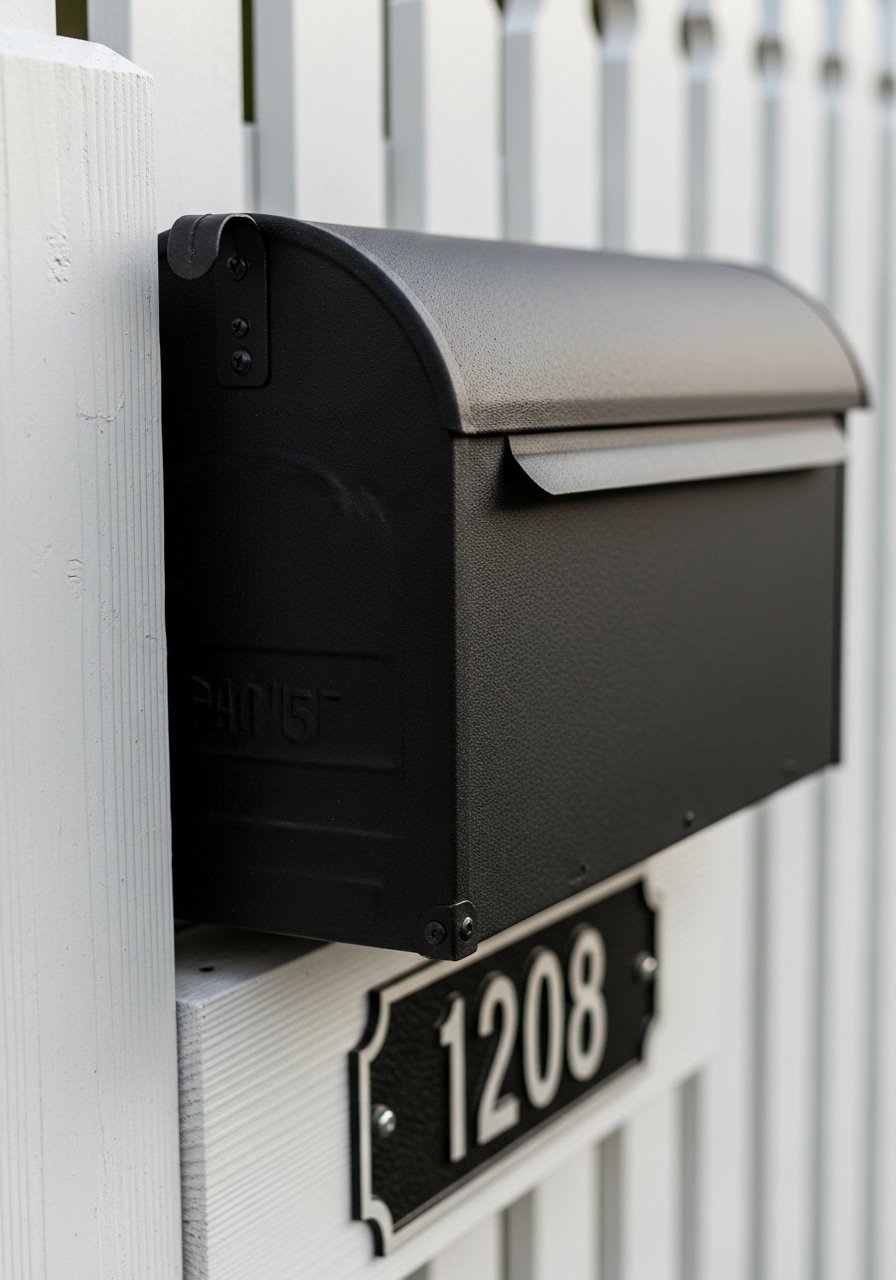
I swapped our rusty mailbox for matte black and painted the fence white. It’s tiny but everything else looked pulled together afterward.
The fence reads classic; the mailbox gives a modern punctuation mark. It’s one of the most commented changes I’ve made.
I misaligned the post once—pre-drill and double-check levels.
What You’ll Need for This Look
- Matte black freestanding mailbox{:target="_blank" rel="nofollow sponsored"}
- Exterior white fence paint{:target="_blank" rel="nofollow sponsored"}
- House number plaque in black{:target="_blank" rel="nofollow sponsored"}
16. Black Planters on White Porches for Graphic Greenery
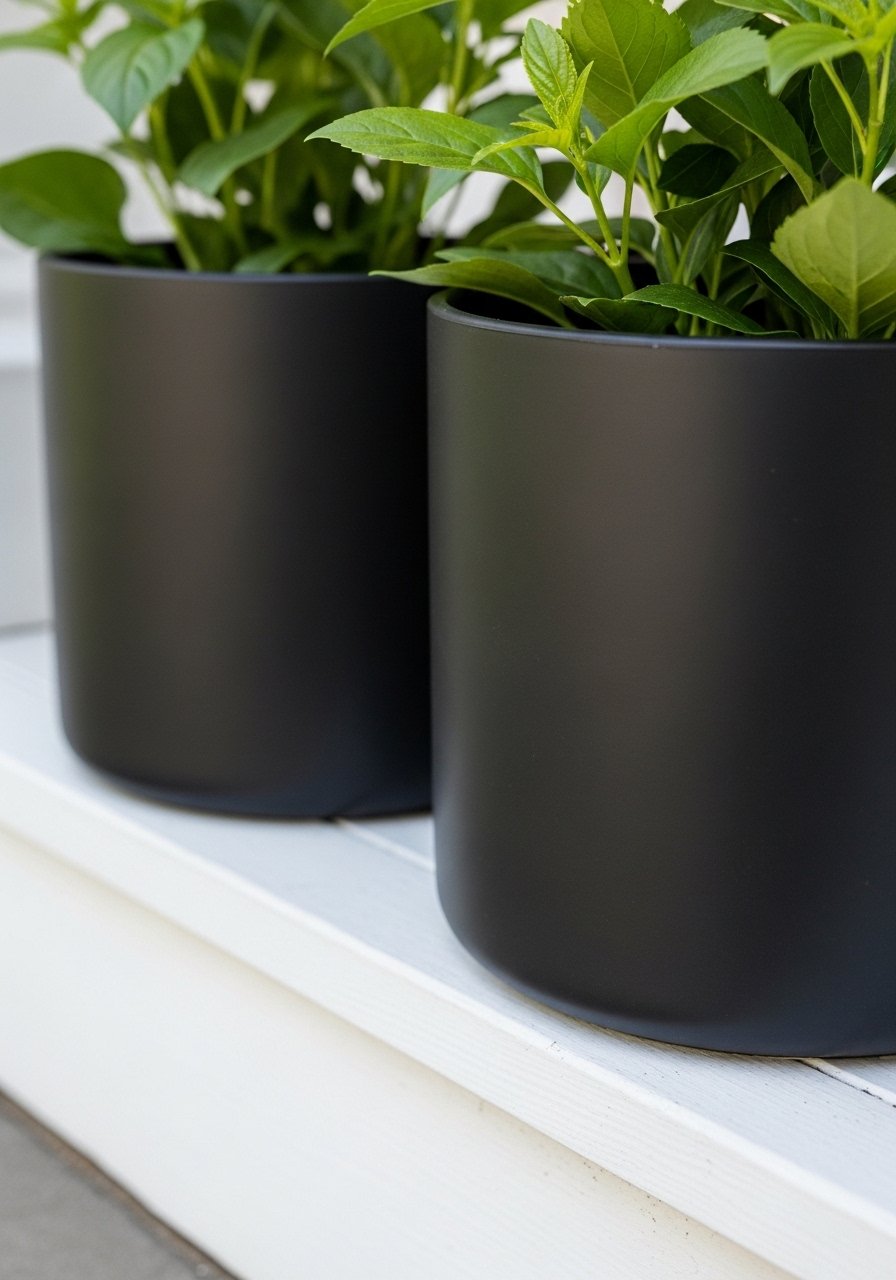
I replaced faded terracotta with black planters and the plants suddenly popped against our white porch. It’s a simple swap with big visual payoff.
The black containers feel modern and tidy. They also hide water marks better than lighter pots.
One insight: pot size matters. I started too small and had to repot larger.
What You’ll Need for This Look
- Matte black outdoor planters (set){:target="_blank" rel="nofollow sponsored"}
- Potting soil mix for container plants{:target="_blank" rel="nofollow sponsored"}
- Drainage pot inserts{:target="_blank" rel="nofollow sponsored"}
17. Black Outdoor Lanterns On White Columns
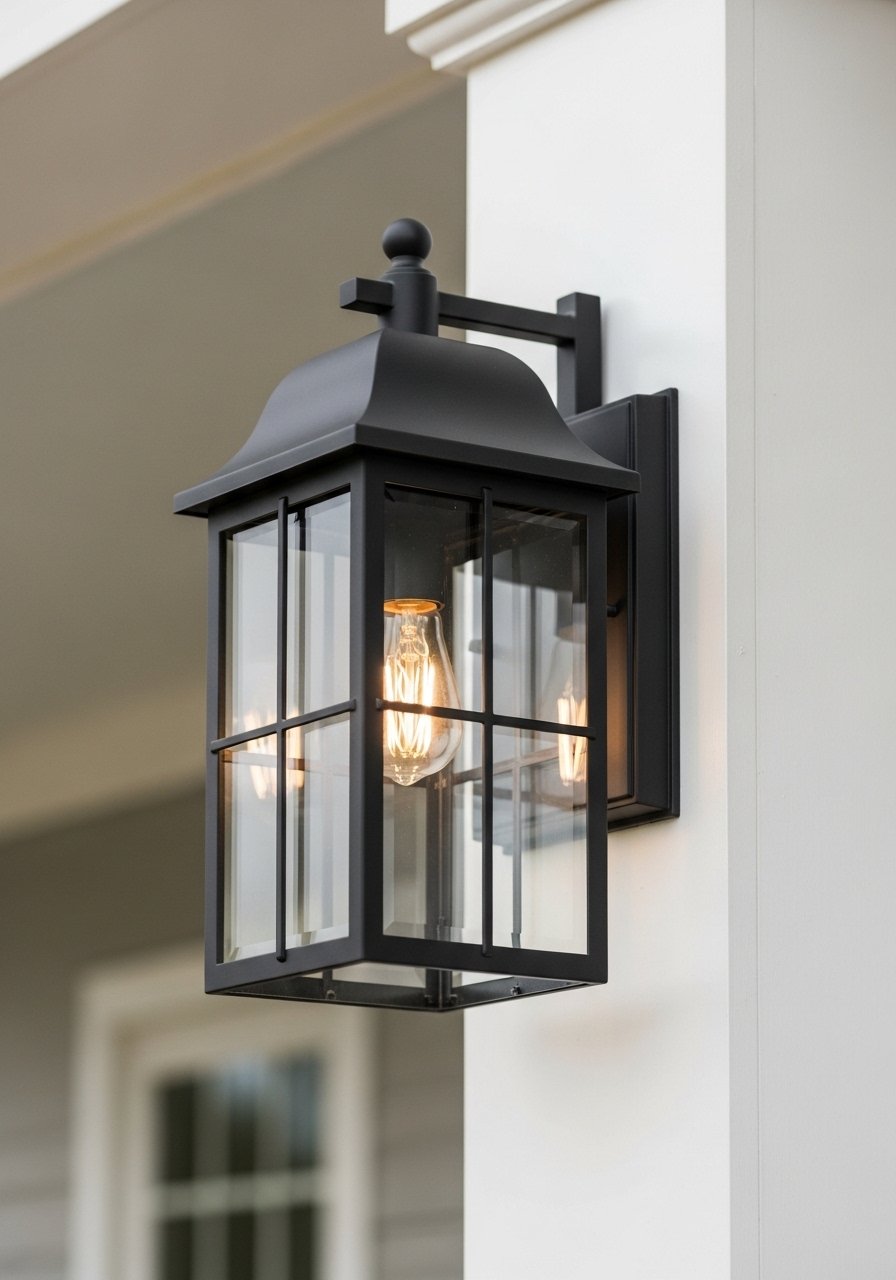
We switched shiny brass lanterns for matte black and it anchored the columns visually. The black reads modern and quiet against white.
At dusk the warm bulbs soften the contrast and the porch feels inviting. I prefer simple shapes for longevity.
I initially installed a large lantern that overwhelmed the column—scale matters.
What You’ll Need for This Look
- Matte black outdoor wall lantern{:target="_blank" rel="nofollow sponsored"}
- Warm LED outdoor bulbs{:target="_blank" rel="nofollow sponsored"}
- Outdoor-rated wiring kit{:target="_blank" rel="nofollow sponsored"}
18. Black Gate With White Gravel Path
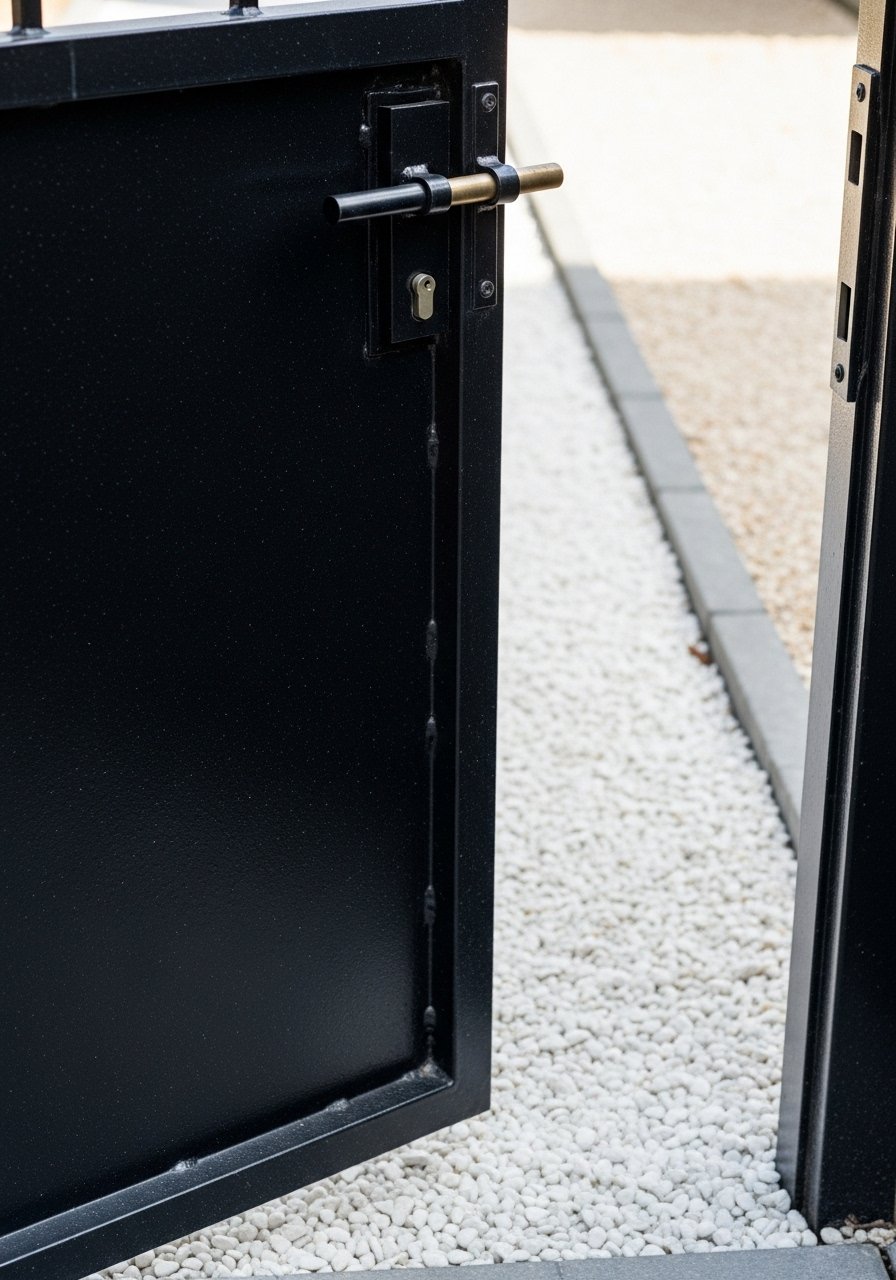
We framed the garden with a black gate and white gravel path. It pulled the yard into a clean monochrome composition.
The white gravel brightened the entrance while the black gate provided a focal point. It’s tidy and low-maintenance.
I learned to add weed barrier underneath; otherwise gravel migrates.
What You’ll Need for This Look
- Black metal garden gate{:target="_blank" rel="nofollow sponsored"}
- White decorative gravel (bulk){:target="_blank" rel="nofollow sponsored"}
- Landscape fabric weed barrier{:target="_blank" rel="nofollow sponsored"}
19. White Columns with Black Capitals for Subtle Detail
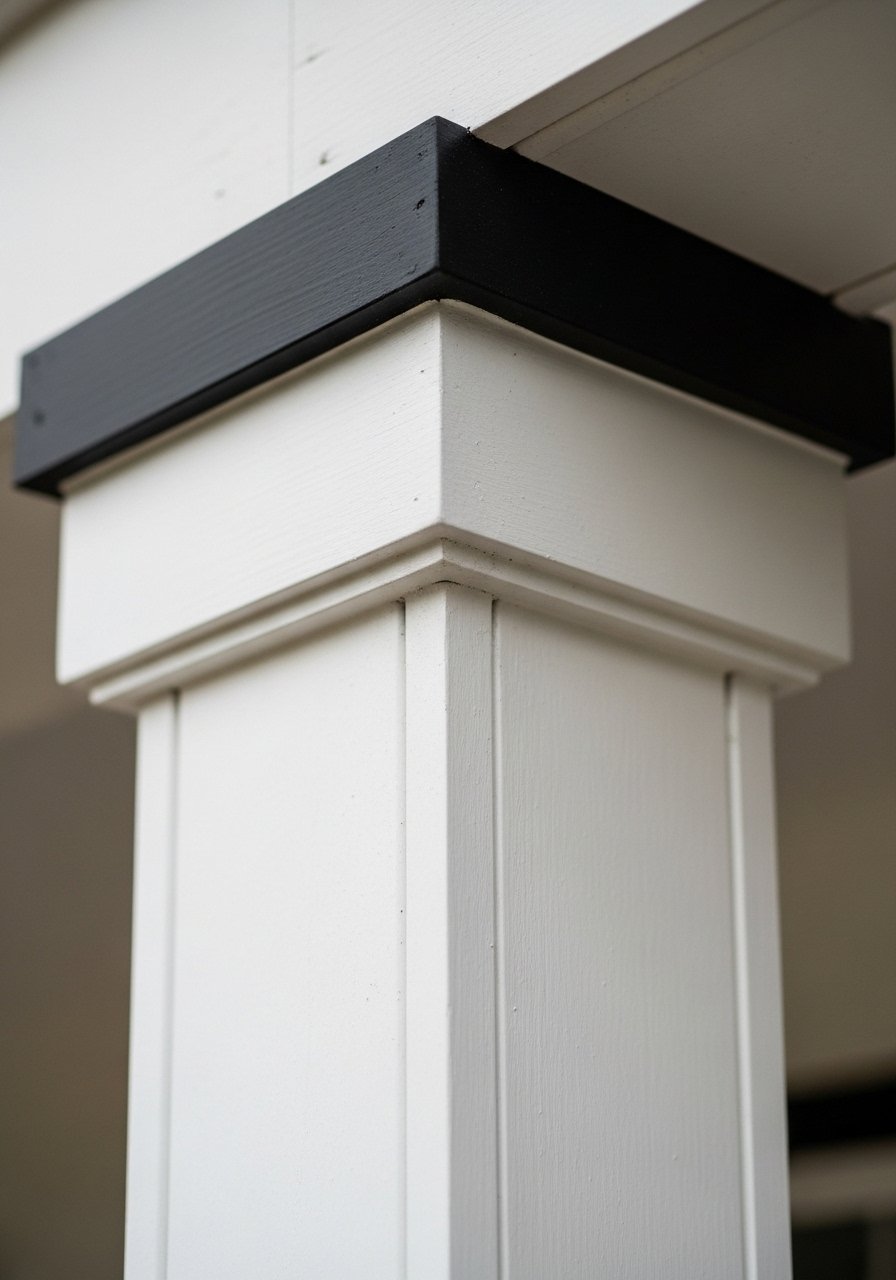
Adding black capitals to white columns felt like jewelry for the porch. It’s a small detail that reads expensive.
The dark tops hide scuffs where people rest bags and lean. It’s practical and pretty.
I mis-measured one column cap and had to repaint—measurements matter.
What You’ll Need for This Look
- Column caps in matte black finish{:target="_blank" rel="nofollow sponsored"}
- Exterior white column paint{:target="_blank" rel="nofollow sponsored"}
20. Black Metal House Accent with White Backdrop for Minimalism
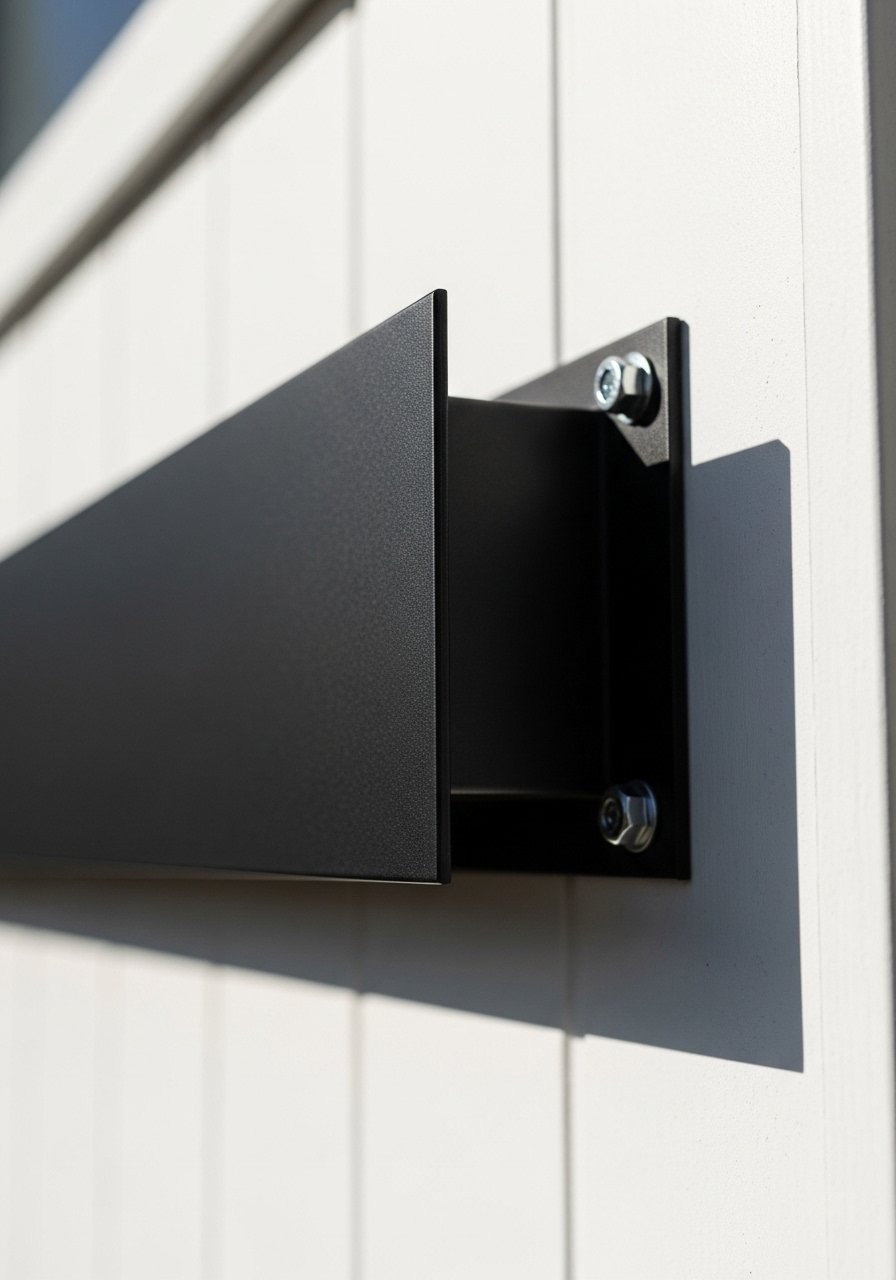
We added a large black metal accent panel to a blank white wall and it reads like art. It’s minimal but makes a statement.
From the street it looks curated, not trendy. It balanced our otherwise busy landscaping.
One tip: ensure proper anchors. The panel is heavy and needs secure mountings.
What You’ll Need for This Look
- Matte black metal wall panel (decor){:target="_blank" rel="nofollow sponsored"}
- Heavy-duty exterior mounting anchors{:target="_blank" rel="nofollow sponsored"}
21. White Painted Brick Steps with Black Risers
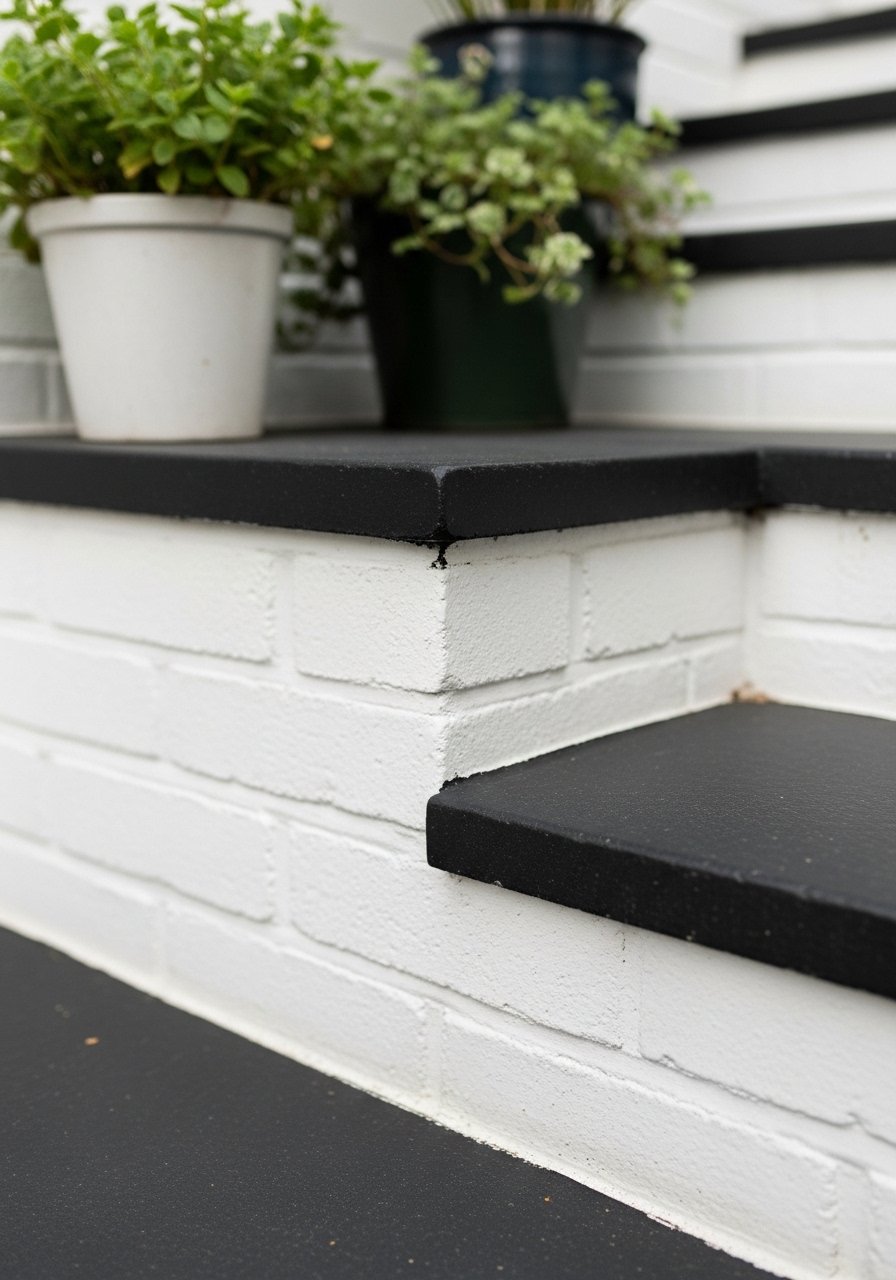
Painting the risers black made our white steps feel like a staircase in a boutique hotel. It creates a graphic rhythm up to the door.
I liked how it hid scuffs on risers while keeping treads light and welcoming.
I slipped up on paint choice once—choose non-slip finish for treads.
What You’ll Need for This Look
- Exterior non-slip white paint for treads{:target="_blank" rel="nofollow sponsored"}
- Matte black riser paint for exterior use{:target="_blank" rel="nofollow sponsored"}
22. Black Steel Canopy Over White Entry
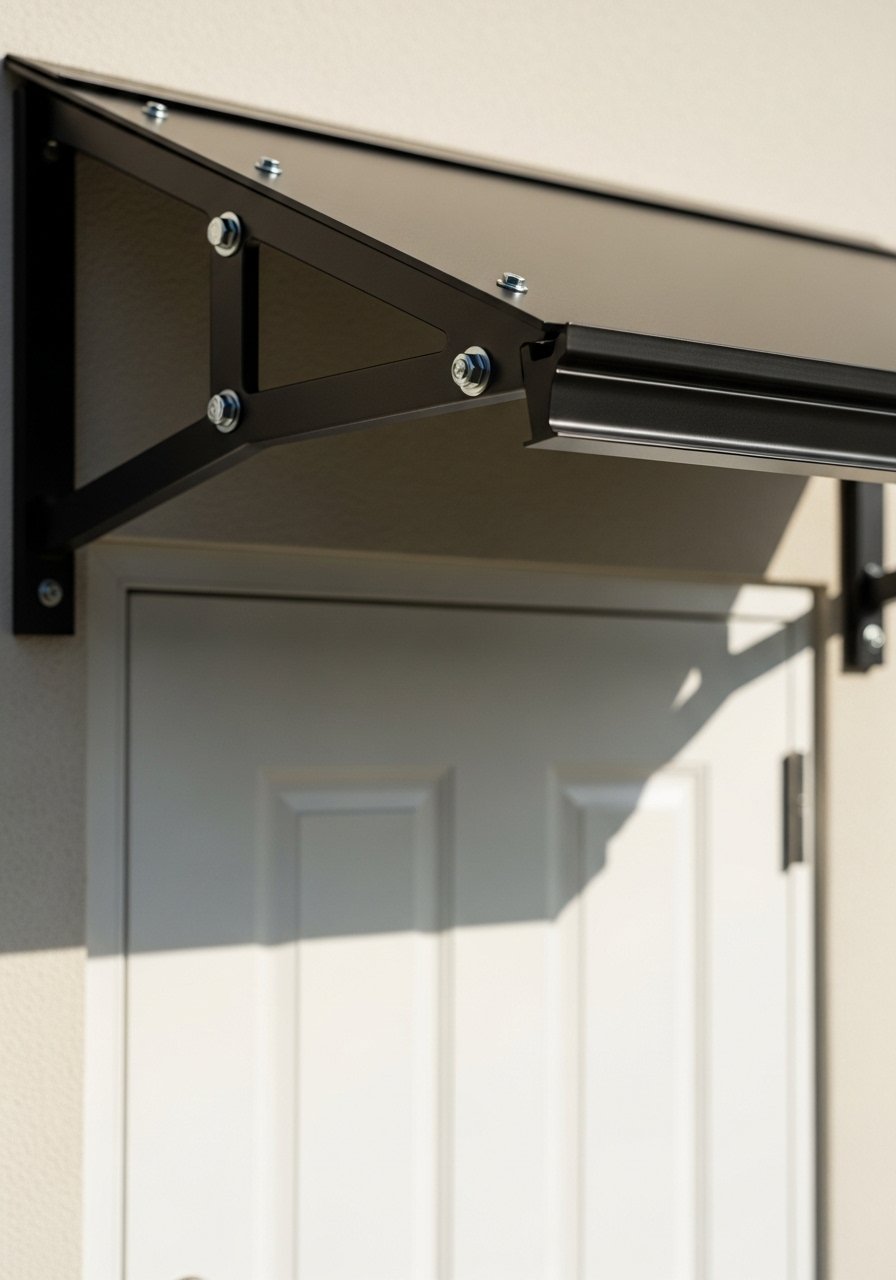
We installed a black steel canopy to shelter the entry. It looks chic and saves the door from weathering.
The canopy’s slim profile doesn’t hide the white façade but adds practical shelter. It felt like finishing a room outside.
I underestimated wind load and had to reinforce brackets.
What You’ll Need for This Look
- Black steel entry canopy kit{:target="_blank" rel="nofollow sponsored"}
- Exterior-grade mounting hardware{:target="_blank" rel="nofollow sponsored"}
23. White Fence With Black Post Caps for a Detailed Edge
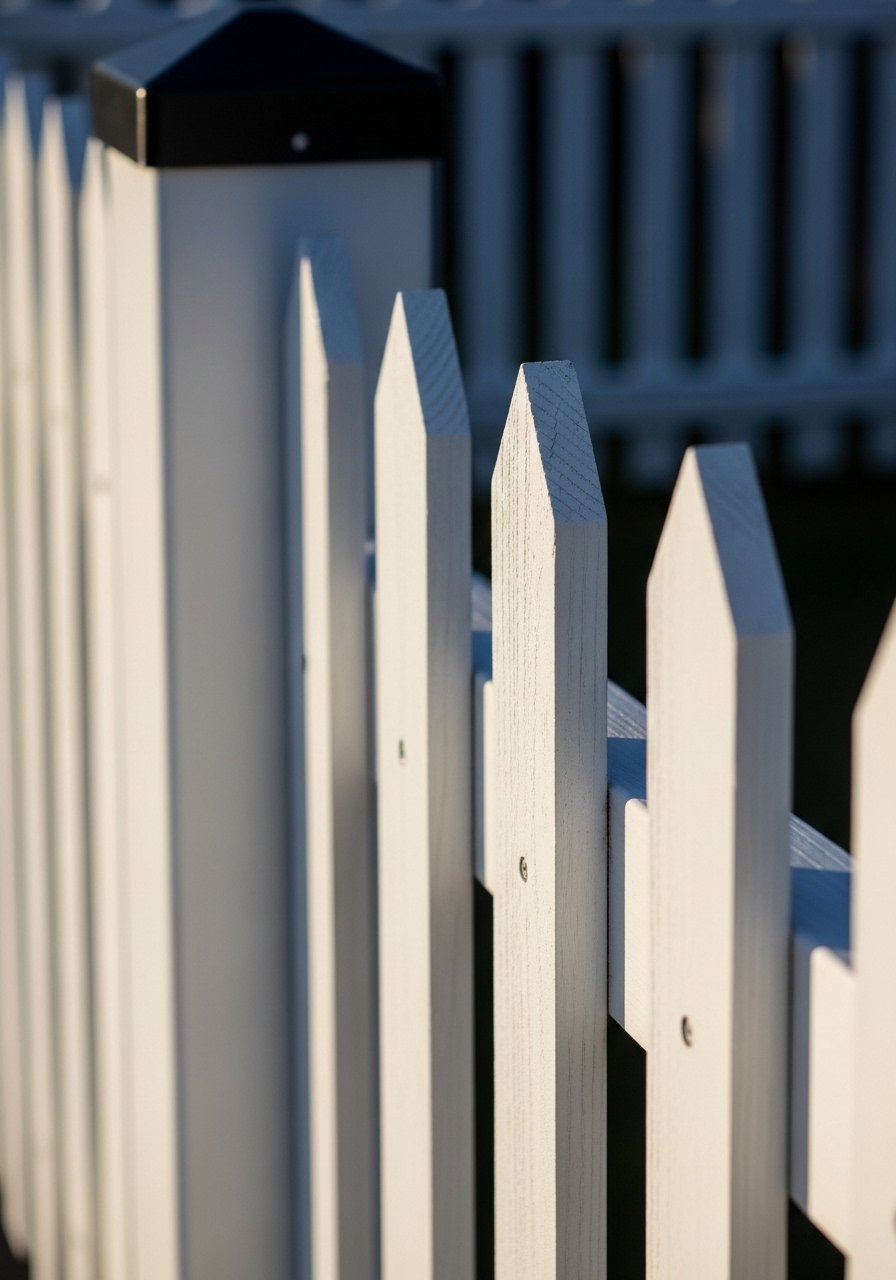
Adding black post caps to our white fence felt like adding cufflinks. It’s a tiny detail that gives cohesion with other black accents.
They’re cheap, easy, and keep the fence looking intentional.
One small mistake: I bought caps that didn’t fit—measure post tops first.
What You’ll Need for This Look
- Matte black fence post caps (set){:target="_blank" rel="nofollow sponsored"}
- White fence touch-up paint{:target="_blank" rel="nofollow sponsored"}
24. Black Stone Veneer Columns on White Entry Porch
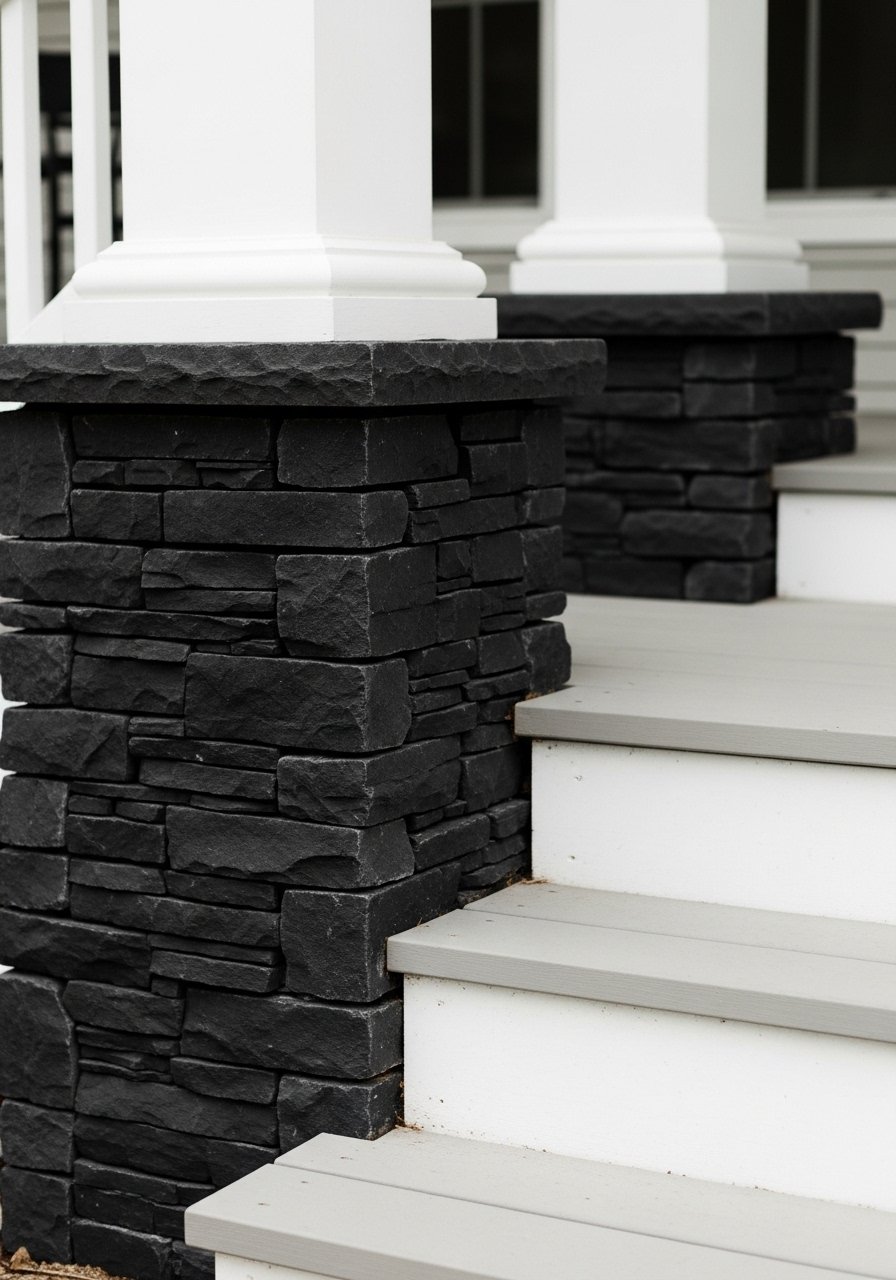
We clad porch bases with black stone veneer to anchor the white porch. It adds weight and keeps the area from looking floaty.
The texture makes the whole porch feel intentional. It’s a modest investment with big impact.
I recommend sealing the stone—my first winter taught me that.
What You’ll Need for This Look
- Black stacked stone veneer panels{:target="_blank" rel="nofollow sponsored"}
- Stone veneer adhesive and sealant{:target="_blank" rel="nofollow sponsored"}
25. White Garage Trim with Black Hardware Details
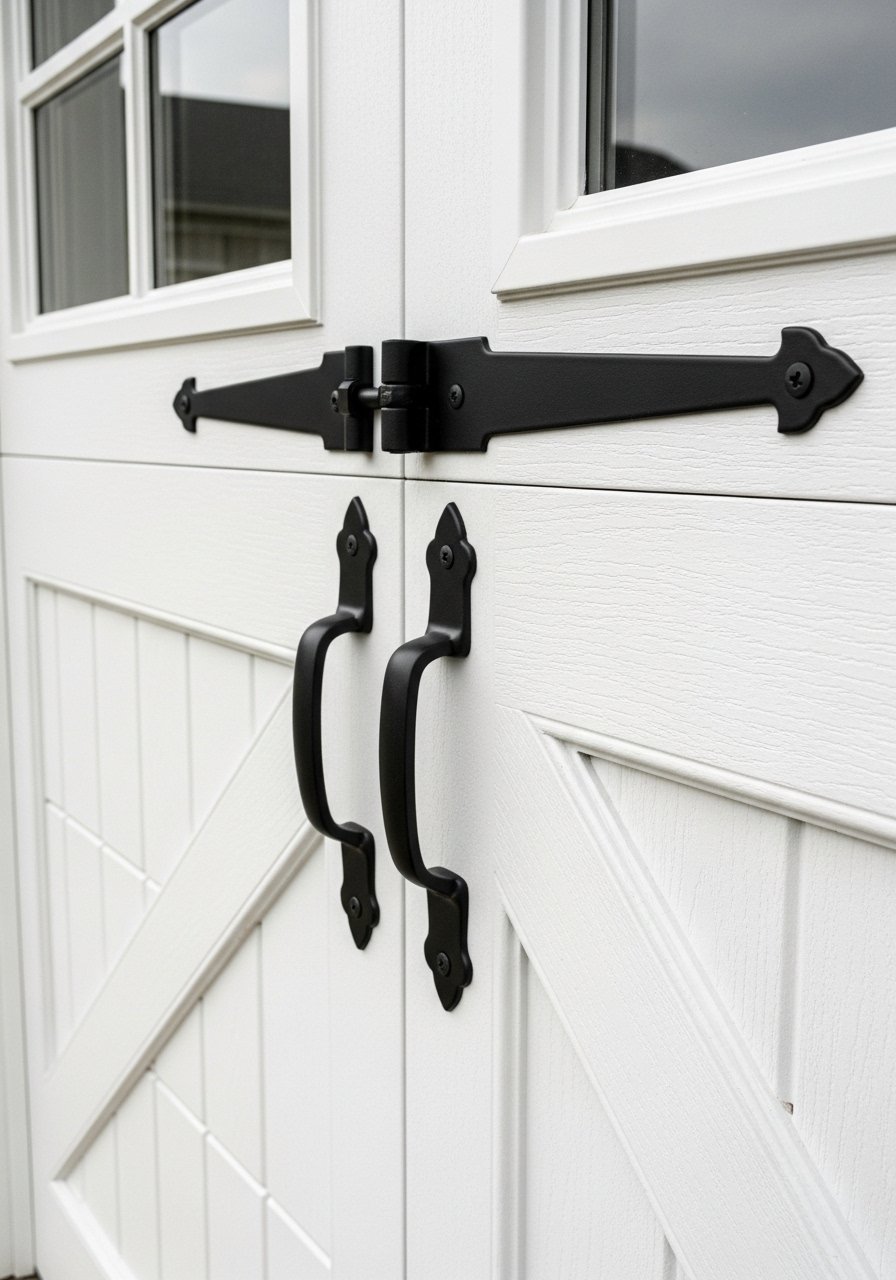
Adding black faux carriage hardware made our plain white garage look custom. It’s cheap and adds character.
It breaks up the expanse of white and ties to other black accents around the house. It’s small drama without being loud.
Tip: use stainless screws to avoid rust stains on white paint.
What You’ll Need for This Look
- Black faux carriage garage hardware set{:target="_blank" rel="nofollow sponsored"}
- Stainless steel exterior screws{:target="_blank" rel="nofollow sponsored"}
26. White Arched Entry With Black Door Surround
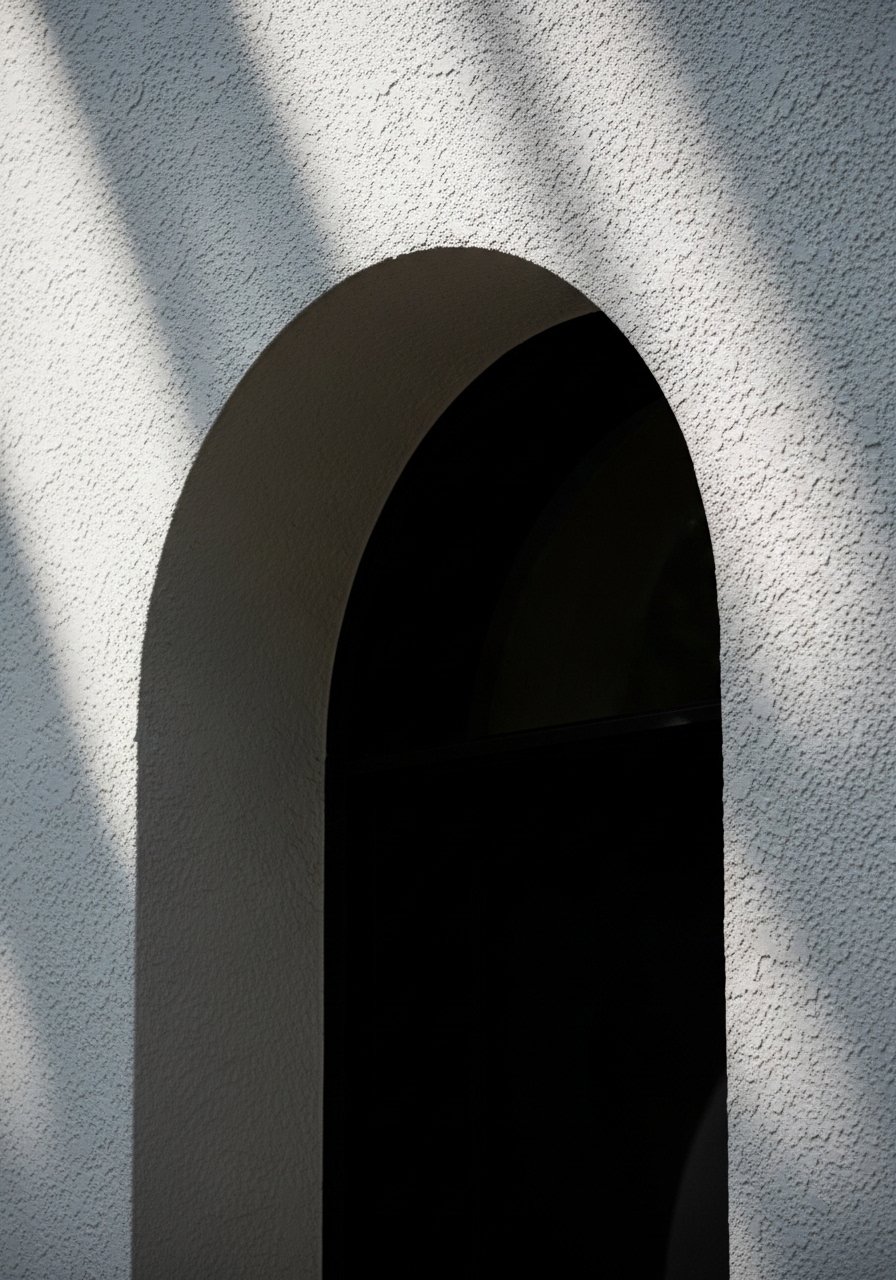
We accentuated our arched entry with a black surround. The curve stays soft while the black gives depth.
It reads classic and approachable. The arch feels intentional rather than an afterthought.
My insight: clean lines around the curve make the difference. I patched and sanded more than expected.
What You’ll Need for This Look
- Exterior black door surround kit or trim pieces{:target="_blank" rel="nofollow sponsored"}
- Stucco touch-up tools and paint{:target="_blank" rel="nofollow sponsored"}
27. White Pergola With Black Hanging Planters
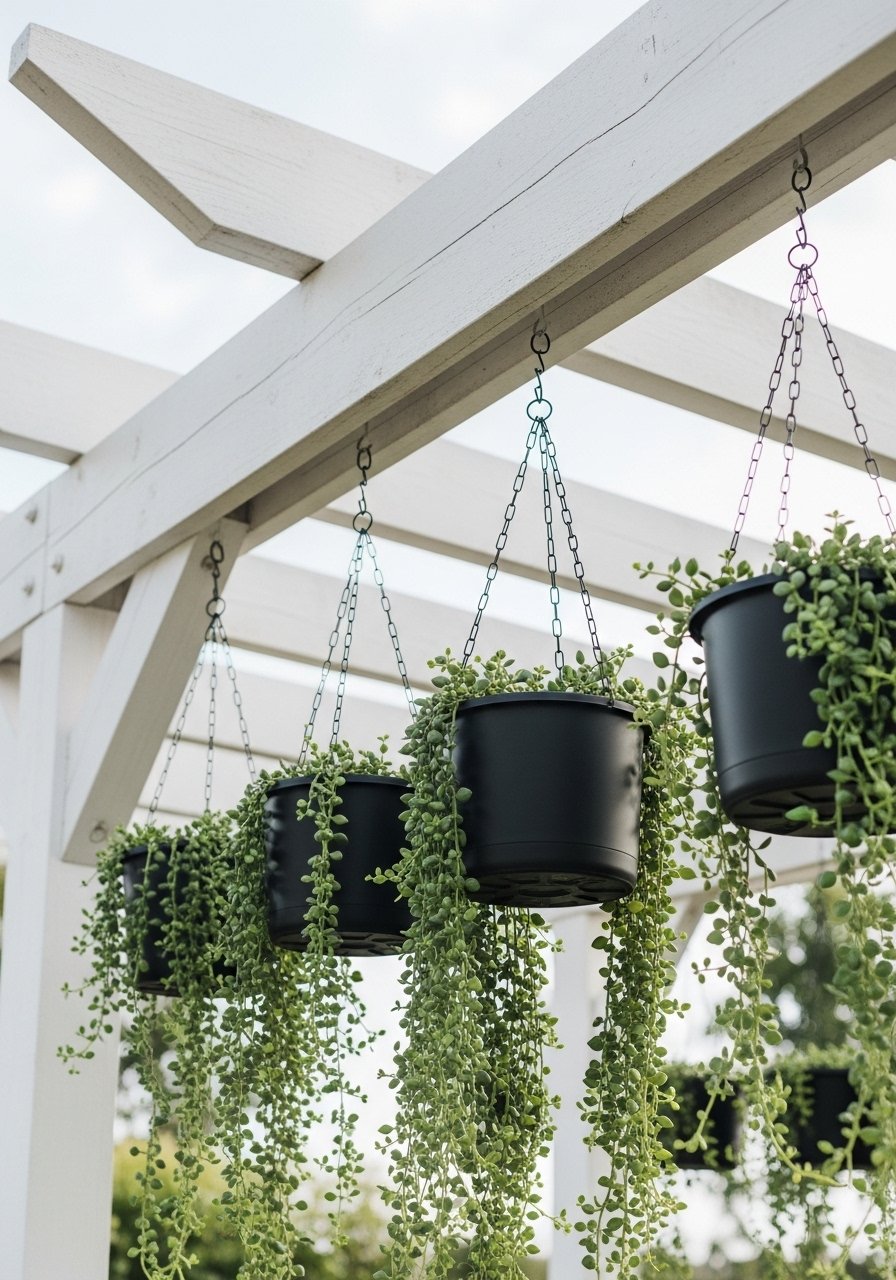
We hung black planters from a white pergola and it felt playful and modern. The planters draw the eye up and add rhythm.
The contrast highlights the plants, which become the color punctuation in a monochrome palette.
I chose too-heavy planters once; use lighter materials if your beams are small.
What You’ll Need for This Look
- Matte black hanging planters (set){:target="_blank" rel="nofollow sponsored"}
- Black hanging chain and hooks rated for outdoor use{:target="_blank" rel="nofollow sponsored"}
- Compact trailing plants for planters{:target="_blank" rel="nofollow sponsored"}
28. White Siding With Black Vertical Batten Accents
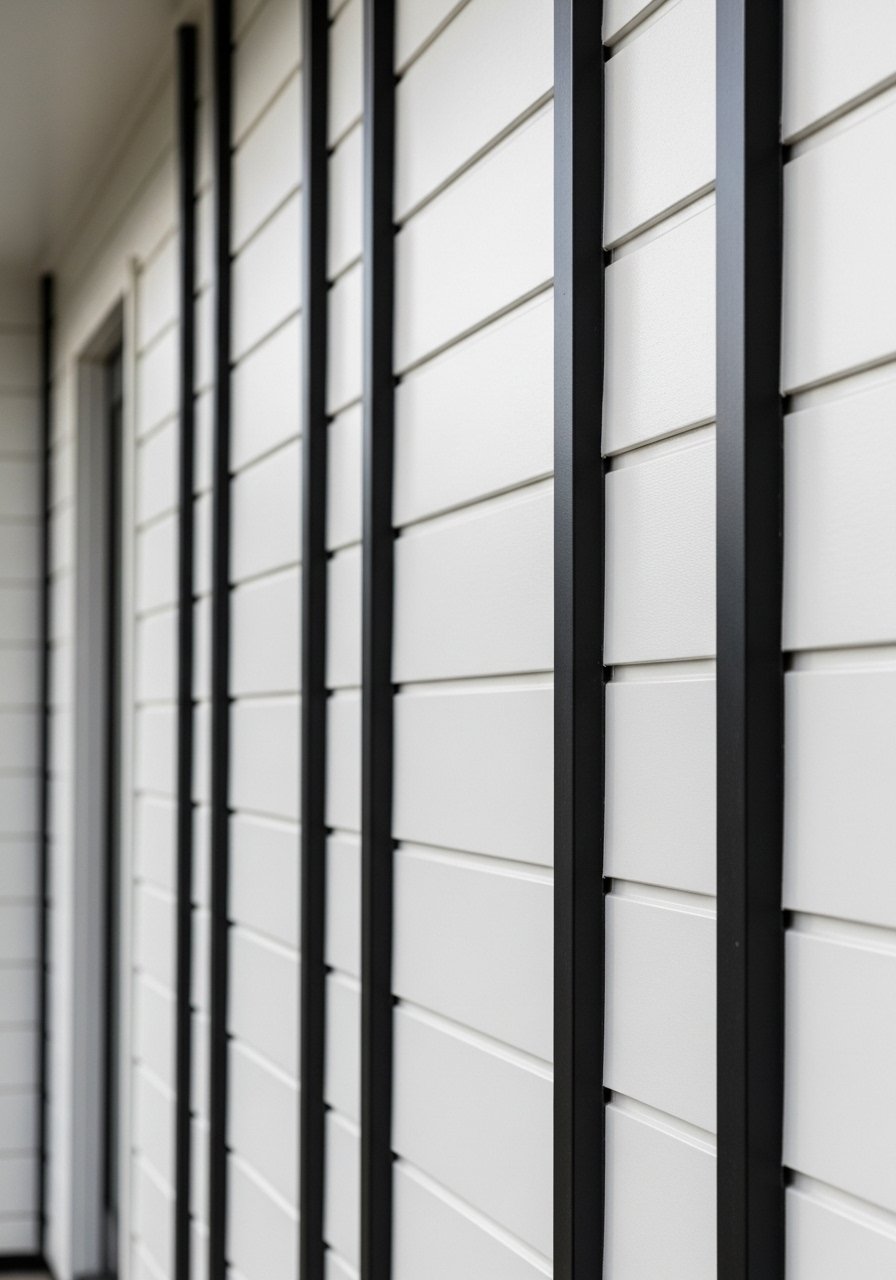
We added thin black battens vertically to a broad white wall to create scale. It felt like architectural stitching.
It breaks up large surfaces without repainting everything. The vertical lines also make the house feel taller.
Measure spacing carefully; uneven lines look amateur.
What You’ll Need for This Look
- Matte black vertical batten strips{:target="_blank" rel="nofollow sponsored"}
- Exterior adhesive and trim nails{:target="_blank" rel="nofollow sponsored"}
29. White Facade with Black Accent Door Mat and Hardware
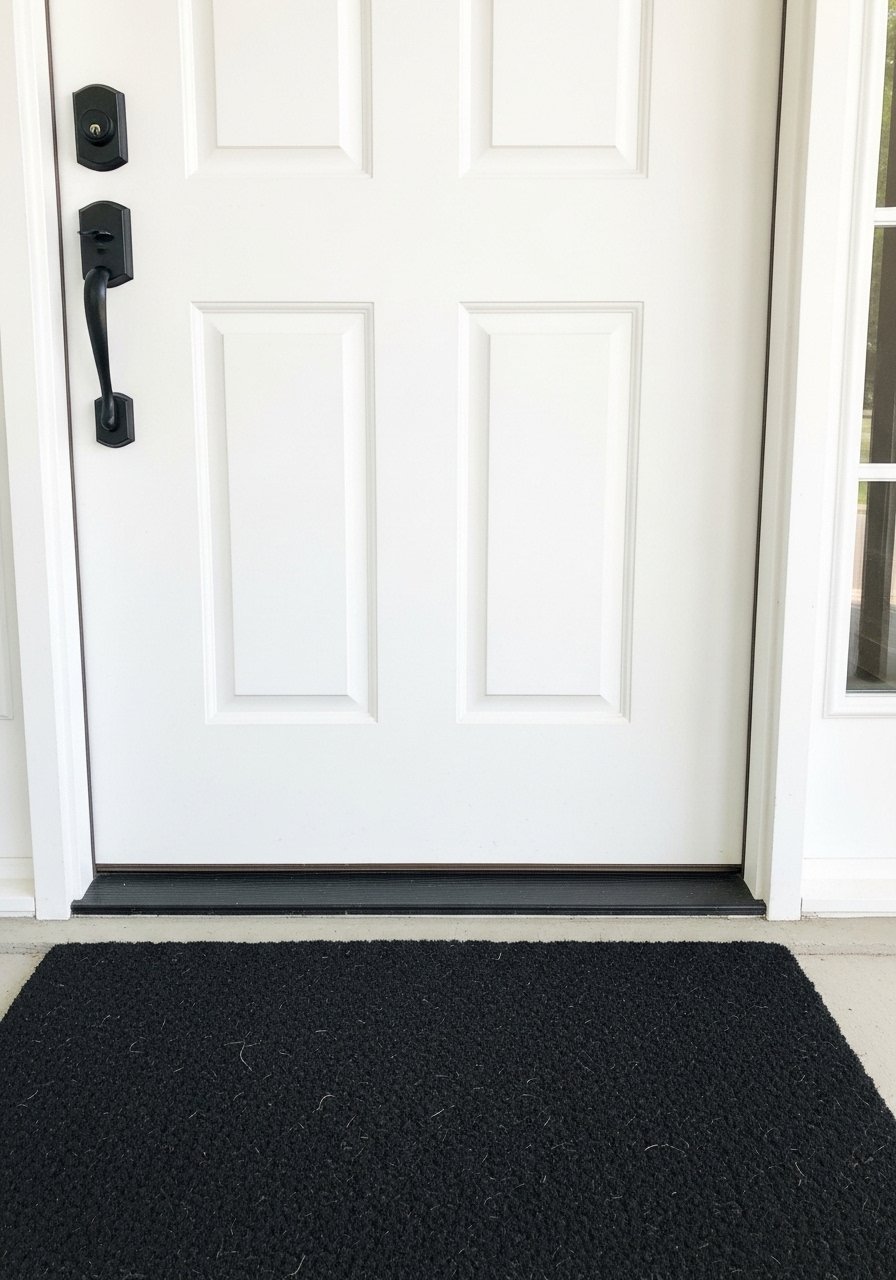
The smallest details complete the look. A black coir mat and matching hardware made our white façade feel edited.
I used black hardware that echoes other accents so the whole front reads cohesive. It’s subtle but satisfying.
My small mistake: cheap mats sloughed fibers. Upgrade to a denser coir for longevity.
What You’ll Need for This Look
- Black coir welcome mat (18×30){:target="_blank" rel="nofollow sponsored"}
- Matte black door hardware set{:target="_blank" rel="nofollow sponsored"}
Final Thoughts
You don’t need to do all of these looks. Pick one or two that suit your home and budget.
Small changes like hardware, planters, or a black door make a big visual difference. Do one thing, live with it, then decide the next step.