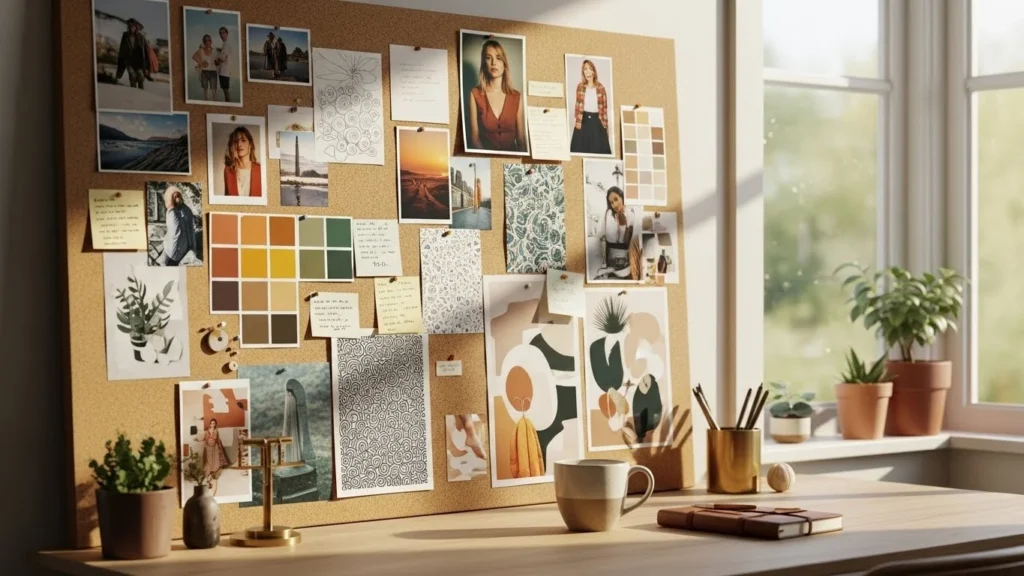
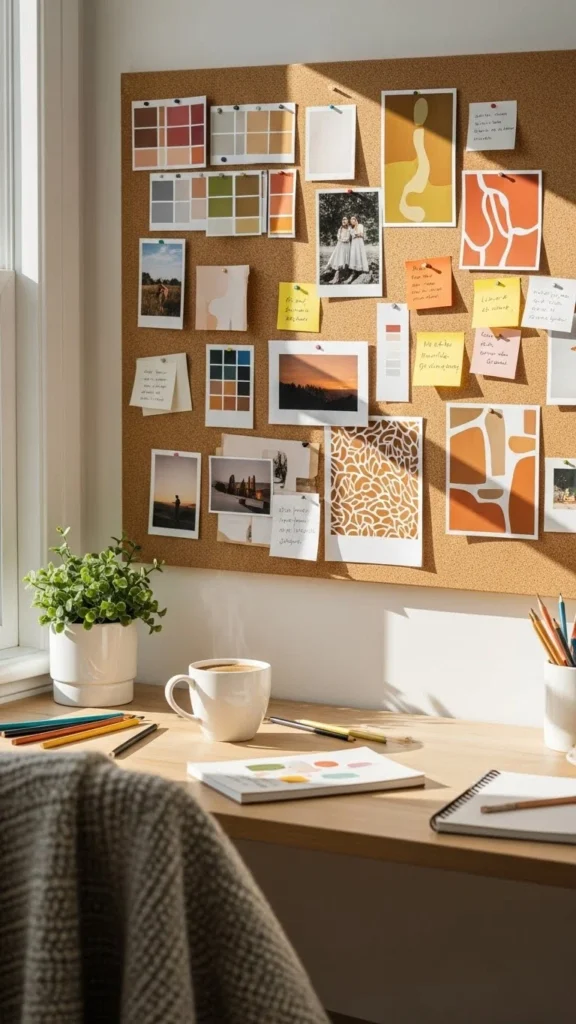
Vision boards help turn abstract hopes into visible direction. When goals stay in your head, they drift. When they sit in front of you, they guide daily choices. This list focuses on realistic goals that fit real lives, small budgets, and busy schedules. Each idea pairs intention with simple action. No pressure. No perfection. Just clear visuals and doable steps that help you shape 2026 with purpose.
1. Building a Calm Money Routine
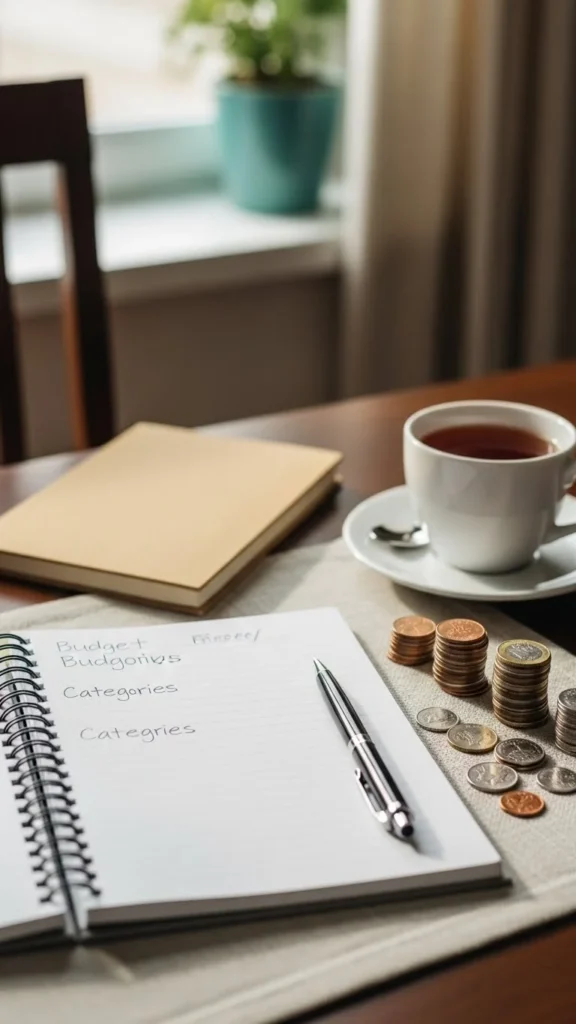
Money goals feel heavy when they stay vague. This one works because it stays simple. Focus on calm, not control. Add images of envelopes, jars, or a tidy wallet to your board. These visuals suggest order without stress. Start small. Track spending for one week using a free notes app. No apps to buy. No spreadsheets. Just awareness.
Create one habit that feels light. Brew coffee at home three days a week. Pack lunch twice a week. Save the difference in a labeled jar. This keeps progress visible.
DIY tip: Use recycled jars for mini savings goals. One for rest days. One for treats. One for bills.
Budget-friendly goals stick when they feel kind. The board reminds you that money can support ease, not fear.
2. Daily Movement Without Pressure
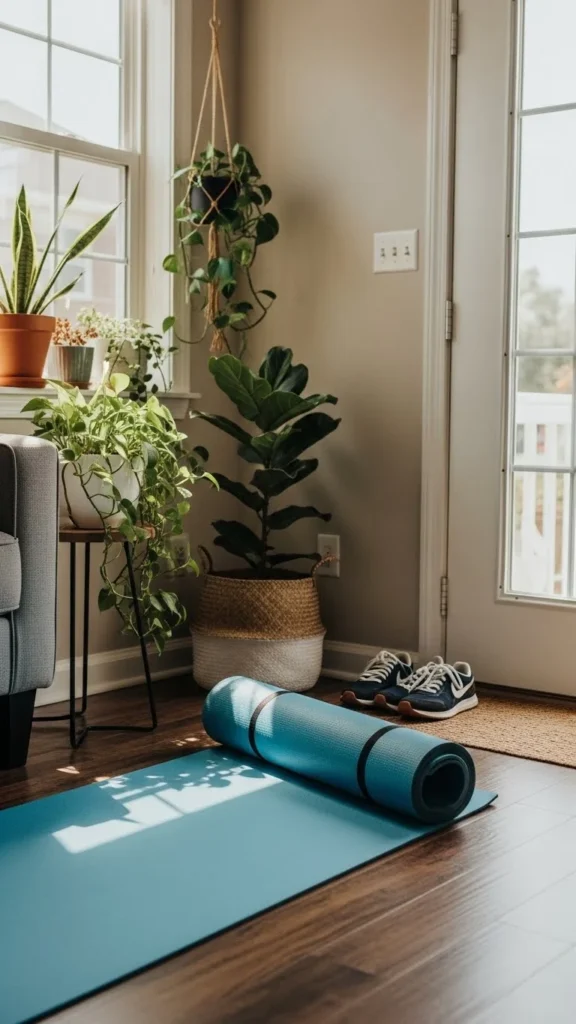
This goal removes all-or-nothing thinking. Movement counts even when it feels light. Use images of walking paths, stretching, or cozy workouts. These visuals lower resistance.
Start with ten minutes. Walk around the block. Stretch while watching a show. Dance while cooking.
DIY idea: Create a movement tracker on paper. Draw small circles and color one after each session. No numbers. No targets. Just consistency.
Free videos online work well. Choose short routines that fit small gaps.
This goal supports energy and mood. Your board reminds you that showing up matters more than intensity.

3. Learning One Practical Skill
Skill goals work best when narrow. Pick one useful skill for the year. Examples include basic design, simple coding, sewing, or cooking staples.
Add images that reflect the skill in action. Tools. Hands working. Calm focus.
Start with free resources. Public libraries offer courses. Video platforms cover basics.
DIY method: Schedule one weekly learning slot. Even twenty minutes counts. Mark it on a paper calendar.
This goal grows confidence through repetition. Your board keeps the skill visible during busy weeks.
4. Creating a Cozy Home Corner
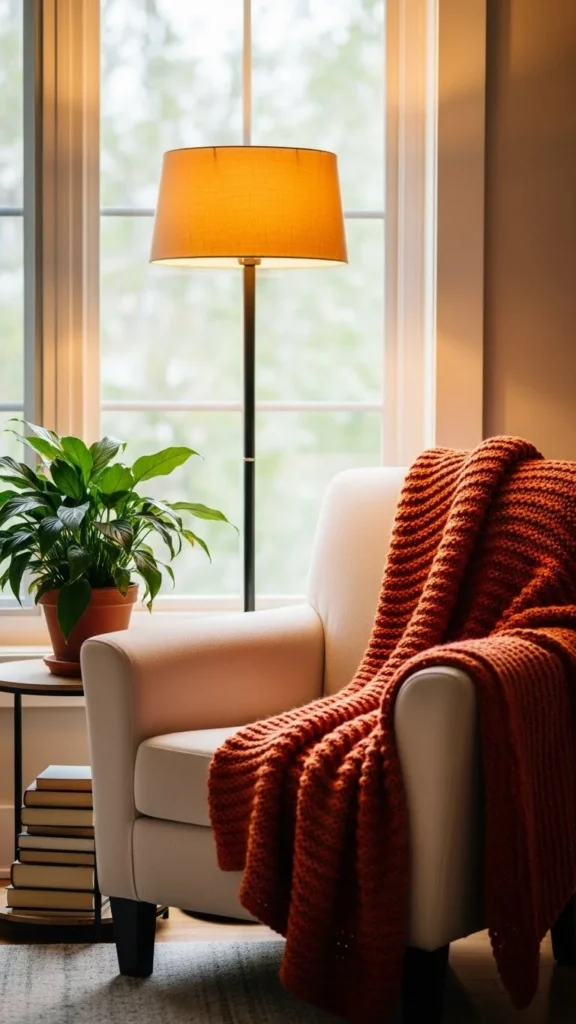
Comfort shapes daily mood. This goal focuses on one small area. Not a full makeover.
Choose a corner that already exists. Add soft light. A pillow. A plant cutting.
DIY tip: Rearrange before buying. Swap lamps between rooms. Use fabric scraps as covers.
Add images of calm spaces to your board. They guide choices while shopping or decluttering.
This goal turns rest into a habit instead of a reward.

5. Building Morning Focus Rituals
Mornings shape the rest of the day. This goal stays flexible.
Choose one gentle action. Writing one page. Stretching. Sitting in silence.
Use images that suggest calm starts. Light. Space. Simplicity.
DIY idea: Place your journal or mat beside your bed. Remove friction.
Even five minutes builds rhythm. Your board reminds you to start slow, not rushed.
[Image Prompt: Write a prompt to describe a photograph about: {{ 23 Vision Board Goal Ideas to Level Up in 2026}} in the context of Digital Balance Habits. A phone placed face down on a wooden table beside a book and a plant. Soft light, minimal scene. No text or words in the image. Shot with a high-end camera. Make the description less than 75 words.]

6. Digital Balance Habits
Screens pull attention all day. This goal creates space without strict rules.
Use images that show phones resting, not glowing. Books. Outdoor light.
Start with one boundary. No phone during meals. No scrolling after a set hour.
DIY tip: Keep a basket near your door for phone-free time.
The board helps reinforce presence through visual cues.

7. Reading for Growth and Comfort
Reading supports rest and learning. This goal mixes both.
Choose a small number of books. Mix fiction and nonfiction.
Use library cards or swaps with friends.
DIY idea: Track books with simple checkmarks on paper.
Add book imagery to your board to keep the habit visible without pressure.
8. Gentle Fitness at Home
This goal skips gyms and costs.
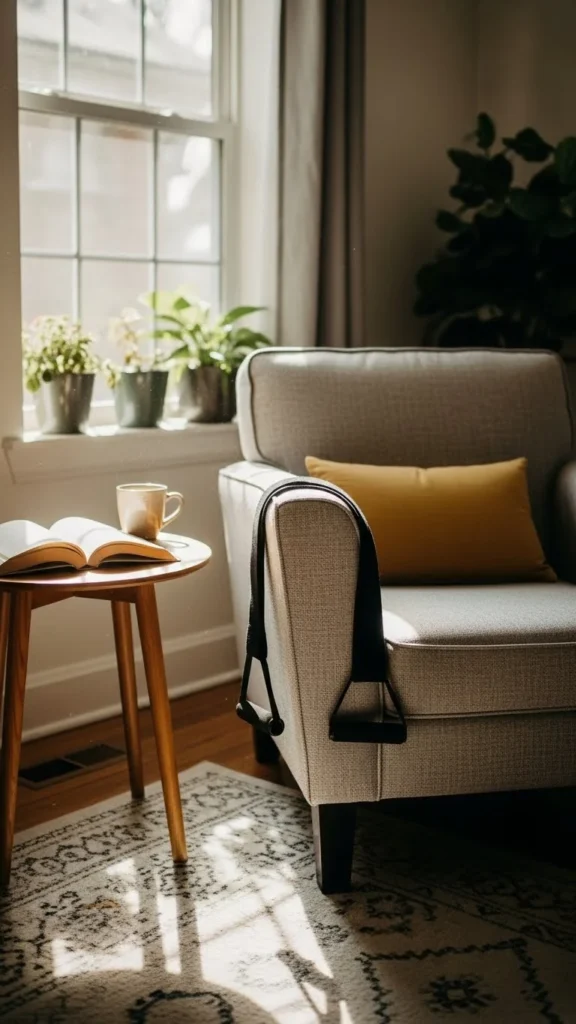
Bodyweight routines work anywhere. Chairs help with balance. Bands stay affordable.
Images of simple setups reduce excuses.
DIY plan: Choose three moves you enjoy. Repeat them often.
Your board supports consistency through familiarity.
9. Meal Planning with Ease
Food planning saves time and money. Keep it flexible.
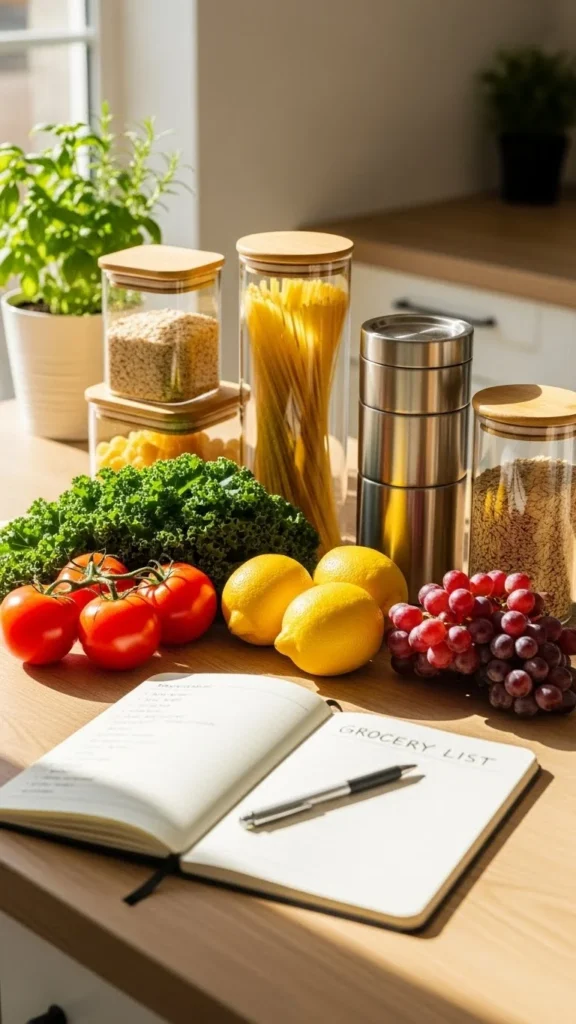
Pick three repeat meals per week. Rotate flavors.
DIY tip: Write meals on sticky notes. Move them around.
Images of simple ingredients guide choices during shopping.
The board keeps meals realistic, not rigid.

10. Strengthening Self-Trust
This goal grows through small promises kept.
Choose actions you can repeat. Daily water. Short walks.
Add images that show calm confidence.
DIY habit: Write one promise per week. Keep it small.
The board becomes a reminder of follow-through.
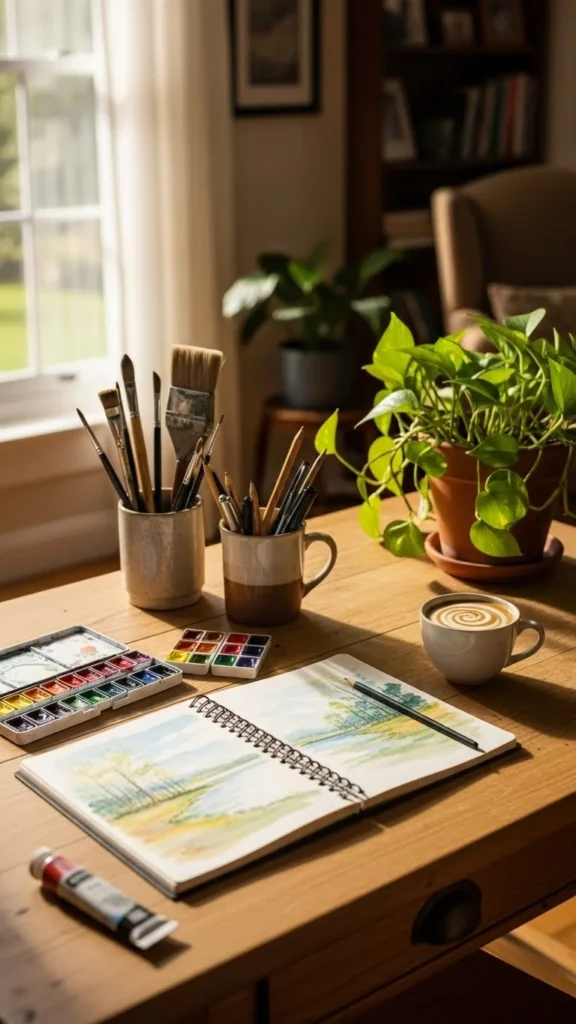
11. Exploring a Creative Side Project
Creative goals release stress. Pick one outlet.
Writing. Painting. Crafting.
Use materials you already own.
DIY idea: Set a weekly creation hour. No outcome rules.
The board keeps play visible during busy weeks.
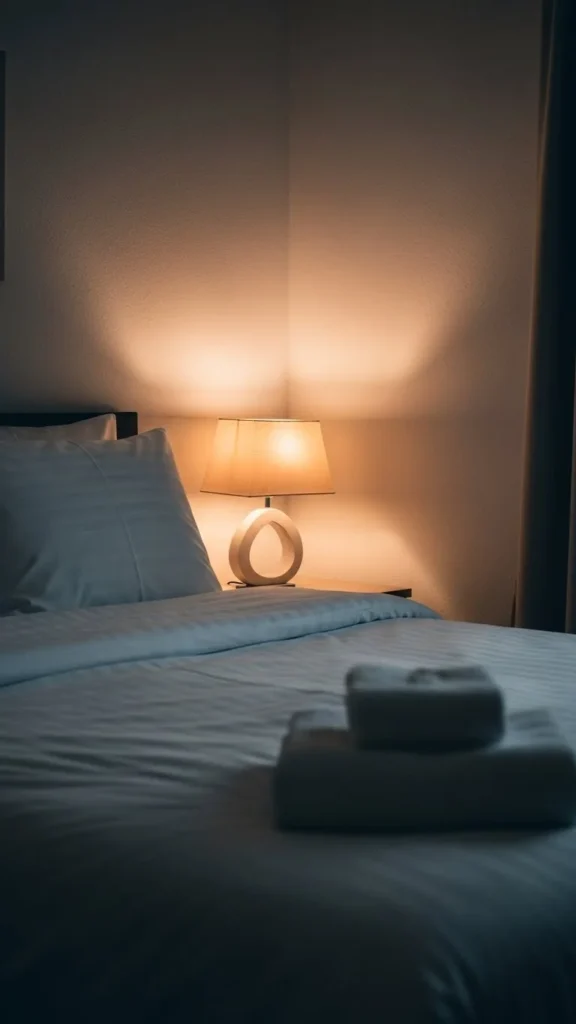
12. Improving Sleep Routines
Rest supports every other goal.
Focus on one change. Earlier lights-off time. Cooler room.
DIY tip: Create a wind-down checklist on paper.
Images of calm bedrooms cue relaxation.
Your board reinforces rest as daily care.
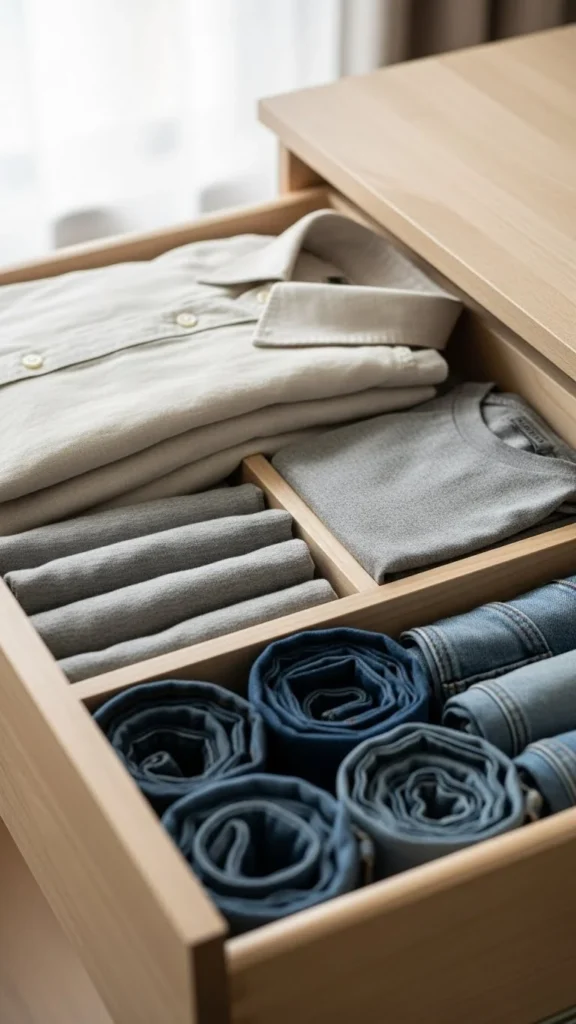
13. Organizing One Small Space
Order builds clarity. Choose one drawer or shelf.
Finish it in one session.
DIY tip: Use boxes you already own.
Add neat space imagery to your board.
Small wins create momentum.

14. Building Meaningful Relationships
Connection grows through presence.
Schedule regular check-ins. Short messages count.
DIY idea: Write birthdays on a calendar page.
Images of shared moments guide attention.
Your board supports steady care.

15. Travel Planning with Intention
Travel goals start long before trips.
Research nearby places. Day trips count.
DIY tip: Save small amounts monthly.
Images of calm journeys keep focus grounded.
Your board supports patience and planning.

16. Practicing Gratitude Daily
Gratitude shifts attention.
Write one line per day.
DIY idea: Use scrap paper folded into a booklet.
Images of quiet moments support reflection.
Your board keeps appreciation visible.

17. Finding Style Confidence
Style grows from comfort.
Choose pieces you reach for often.
DIY tip: Create outfits from what you own. Photograph them.
Images of simple looks guide choices.
Your board supports ease over trends.

18. Time Freedom Planning
Time goals shape days.
Block rest like appointments.
DIY method: Use color pencils for categories.
Images of open space guide balance.
Your board supports boundaries.

19. Giving Back Locally
Giving grounds purpose.
Volunteer hours stay flexible.
DIY idea: Donate unused items quarterly.
Images of shared care keep generosity visible.
Your board supports kindness through action.
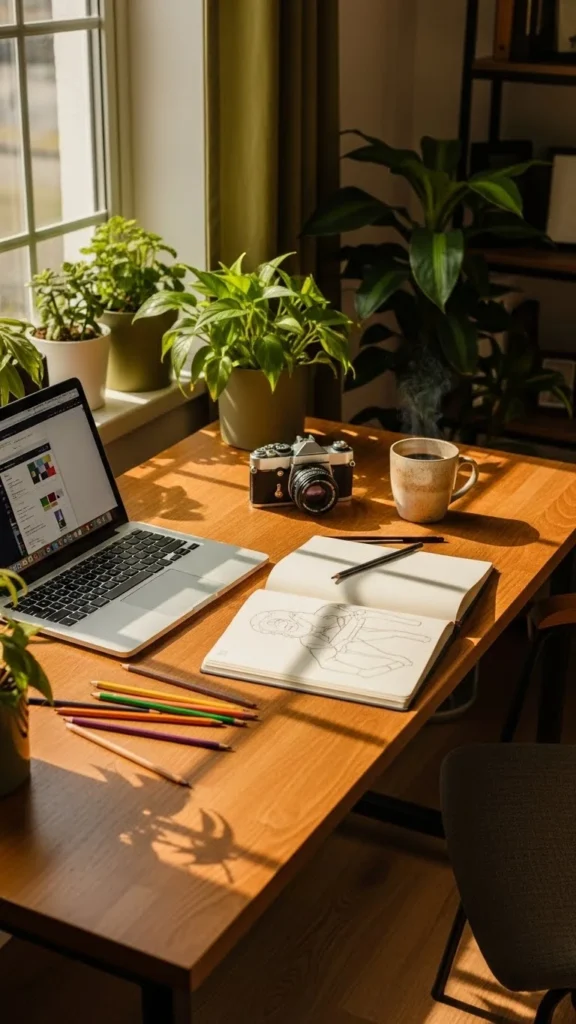
20. Creative side projects
Creative side projects are powerful outlets for self-expression, skill-building, and personal growth. Whether it’s starting a blog, designing digital art, launching a handmade craft shop, experimenting with photography, or building a small app, side projects allow you to explore ideas without pressure. They help you learn new tools, refine your talents, and discover what truly excites you. Beyond creativity, side projects can boost confidence, expand your portfolio, and even open doors to new income streams or career opportunities. Working on something you love outside of routine responsibilities brings a sense of fulfillment and balance. It encourages problem-solving, consistency, and innovation in a low-risk environment. Over time, these small passion projects can evolve into meaningful achievements, collaborations, or businesses. Most importantly, creative side projects remind you that growth doesn’t always come from big moves—it often starts with small, inspired experiments done in your own time.
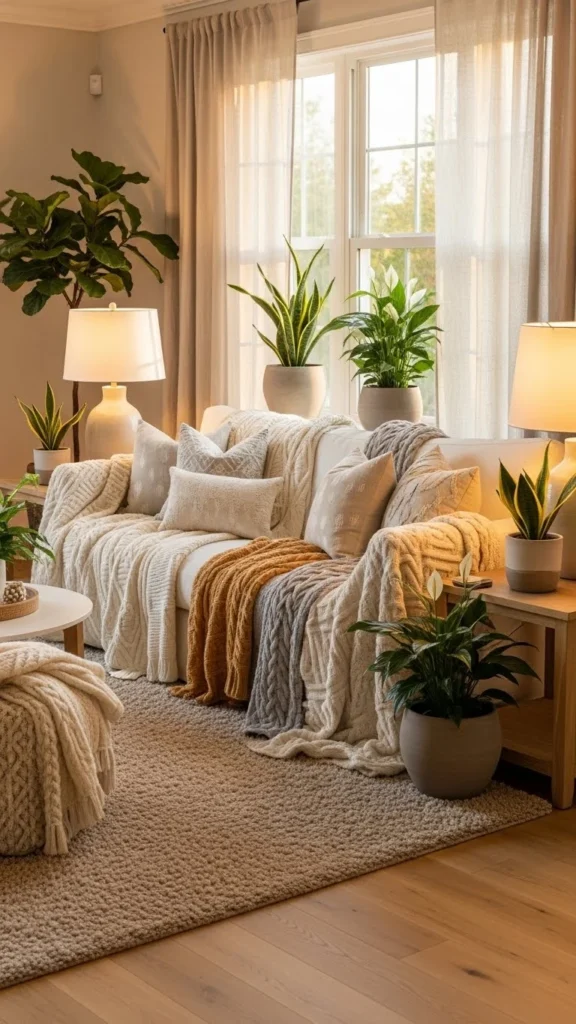
21. Home Comfort Upgrades
Home comfort upgrades focus on transforming your living space into a place that feels warm, relaxing, and truly yours. Simple improvements like plush throw blankets, layered lighting, soft rugs, and cozy seating can instantly elevate everyday comfort. Upgrading bedding with breathable sheets and supportive pillows improves sleep quality, while adding curtains or blinds helps control light and temperature. Small changes such as indoor plants, calming color palettes, and subtle scents create a soothing atmosphere that reduces stress. Smart upgrades—like adjustable lighting, a programmable thermostat, or noise-reducing elements—add convenience and enhance daily living. Even reorganizing spaces to reduce clutter can make a home feel more peaceful and functional. These thoughtful upgrades don’t require major renovations; instead, they focus on comfort, warmth, and ease. A comfortable home supports better rest, productivity, and well-being, making it a sanctuary you genuinely enjoy returning to every day.

22. Learning for Joy
Learning for joy is about curiosity, not pressure or perfection. It means exploring new subjects simply because they spark interest, whether that’s learning a new language, picking up a musical instrument, studying history, or experimenting with creative skills. When learning is driven by joy, it feels energizing rather than exhausting. There are no strict deadlines, grades, or expectations—only the satisfaction of discovery. This kind of learning keeps the mind active, boosts confidence, and nurtures creativity. It reminds us that growth doesn’t always need a purpose beyond happiness. By allowing ourselves to learn just for fun, we reconnect with a childlike sense of wonder and make personal development a truly enjoyable part of everyday life.
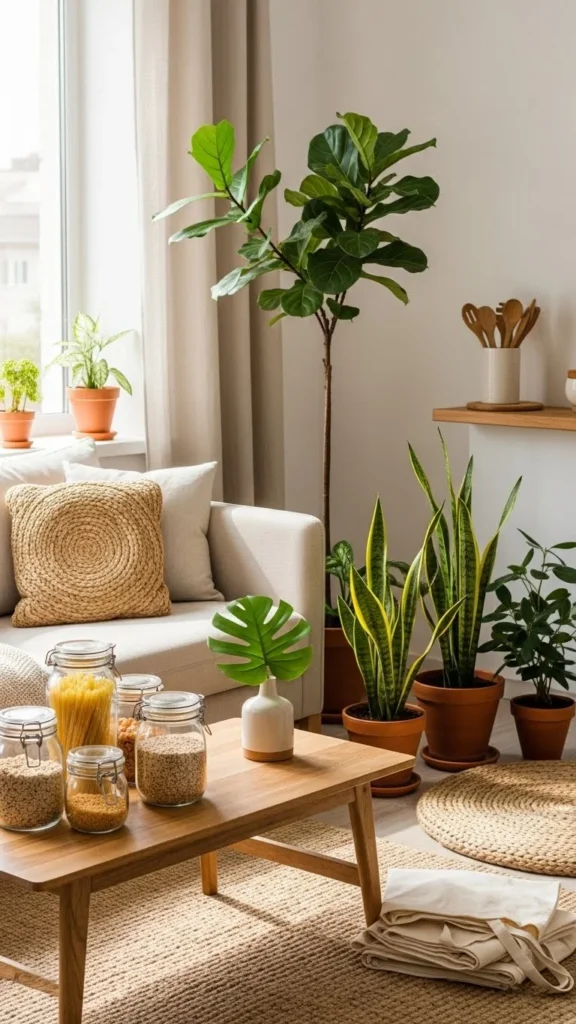
23. Sustainable Living Steps
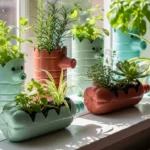
Sustainable living steps focus on making everyday choices that reduce environmental impact and support a healthier planet. Simple actions like reducing waste, recycling properly, and choosing reusable products help conserve resources. Saving energy by using efficient appliances, turning off unused lights, and relying on natural light makes a meaningful difference. Eating more plant-based meals and buying local, seasonal foods lowers carbon footprints. Conserving water, supporting eco-friendly brands, and repairing instead of replacing items also contribute to long-term sustainability. These small, consistent habits create positive change over time and encourage a more mindful, responsible lifestyle.
Conclusion
Vision boards work when goals feel reachable. Each idea here pairs intention with simple steps that fit real budgets and real schedules. Choose a few goals that resonate. Add images that reflect calm progress. Let the board guide daily choices through visual reminders. Small actions repeated often shape the year ahead.

Lily Summers is a digital artist and creative storyteller who loves bringing colorful characters to life. With a passion for cartoons, fan art, and playful sketches, she inspires others to explore their imagination through art. When she’s not sketching, you’ll find her dreaming up new ideas for CraftedWizard.com to spark creativity in every artist. 🌈✨