3D origami turns flat paper into shapes you can hold, display, and even use. Beginners often think dimensional models are hard, but many rely on simple repeated folds and clever assembly. With basic square paper and patience, you can build animals, decorations, containers, and geometric designs that look impressive from every angle. These step-by-step friendly ideas focus on easy structure, repeatable folds, and strong visual results without complicated techniques.
1. Inflatable Waterbomb Balloon
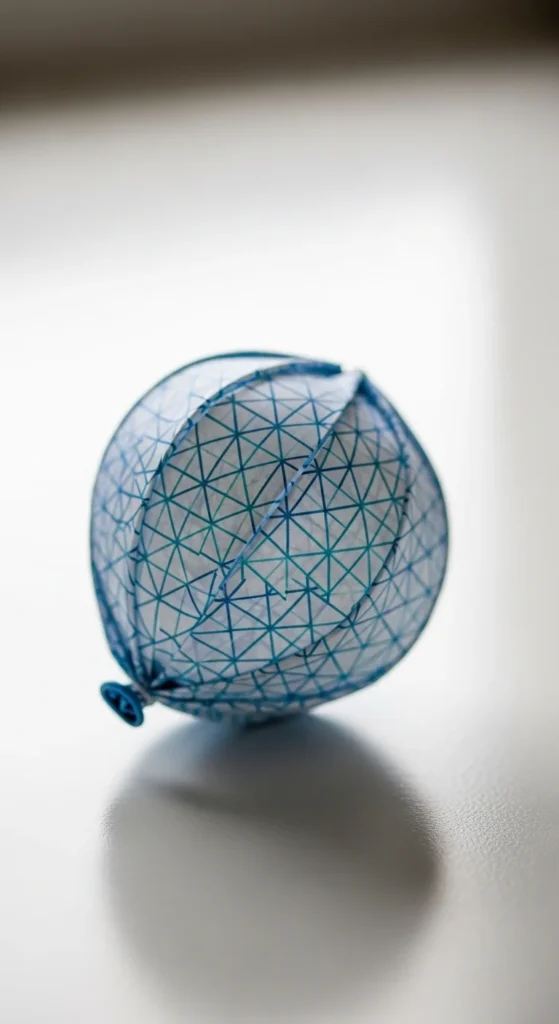
This model is often a beginner’s first step into 3D origami. It starts as a flat folded shape that transforms into a puffed cube-like form. The key is making sharp creases so air can expand the model evenly. The final step involves gently blowing into a small opening. Kids and adults both find this part fun. Use lightweight paper so the balloon inflates smoothly. These look great in groups as hanging decorations.
2. Classic Origami Box
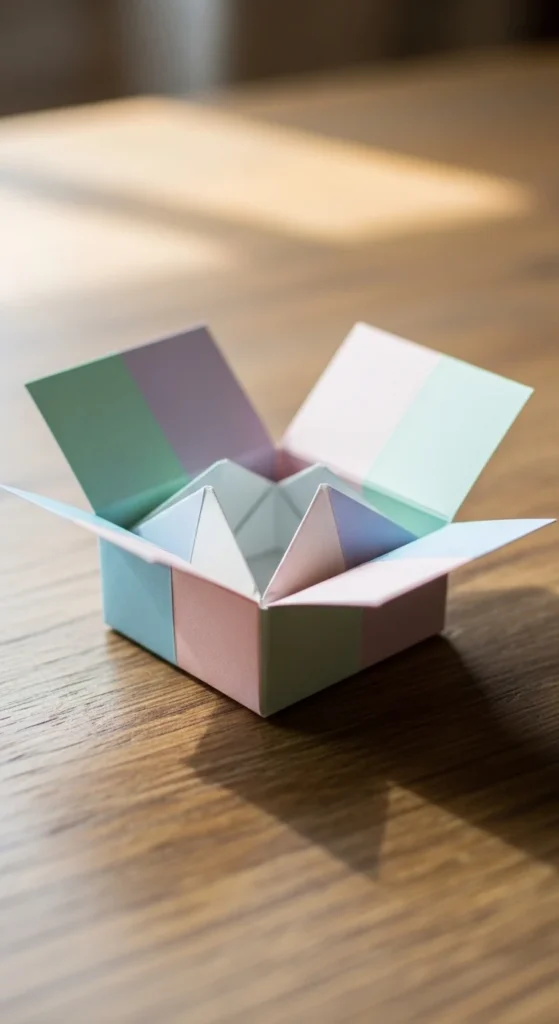
This box begins with a square base and folds upward into walls. Each side locks into place through simple layered folds. Precision matters, but the steps stay beginner friendly. Slightly thicker craft paper makes the box sturdier. You can use it to hold jewelry or small treats. Matching lid tutorials turn this into a full container set. It’s one of the most practical 3D paper projects.
3. Lid and Base Gift Box
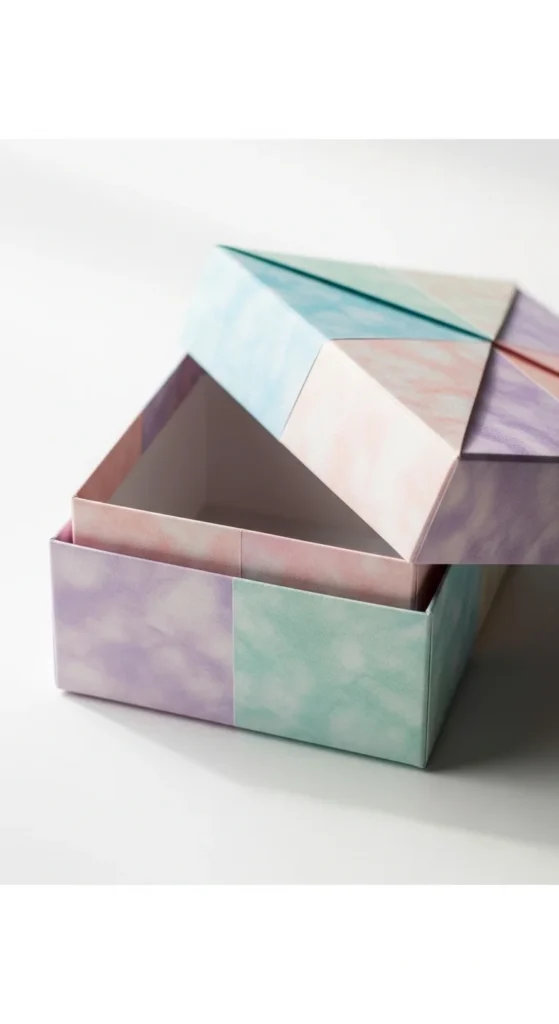
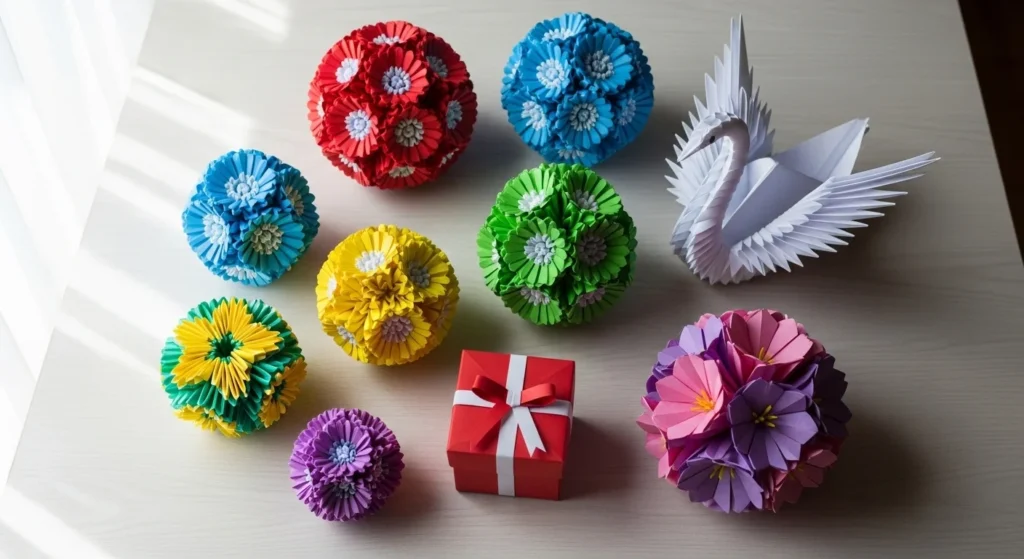
This version expands on the basic box by creating two separate parts. One becomes the base and the other a slightly larger lid. Careful measuring through folding makes them fit together. Beginners enjoy the moment when both pieces align perfectly. Patterned paper adds a decorative touch. These boxes are great for small gifts or desk storage. It’s a satisfying upgrade from the simple box.
4. Paper Cup Model
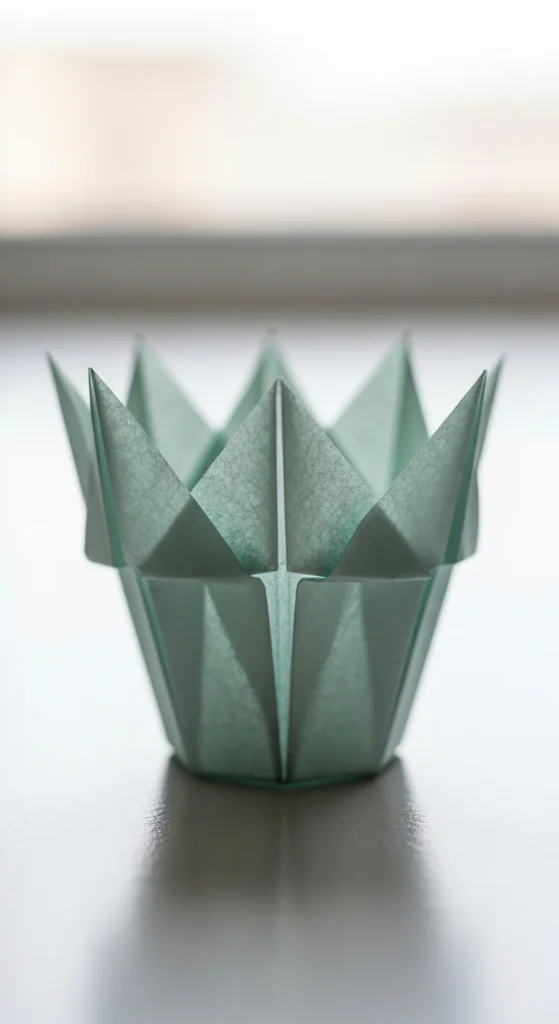
This simple 3D shape looks like a tiny open cup. The folds are straightforward and repeat on both sides. Beginners learn how layers overlap to create structure. Thin paper works best so the rim opens cleanly. These cups can hold lightweight items like beads or clips. It’s a quick project with a useful result. The open top makes it feel more dimensional.
5. Standing Paper Heart
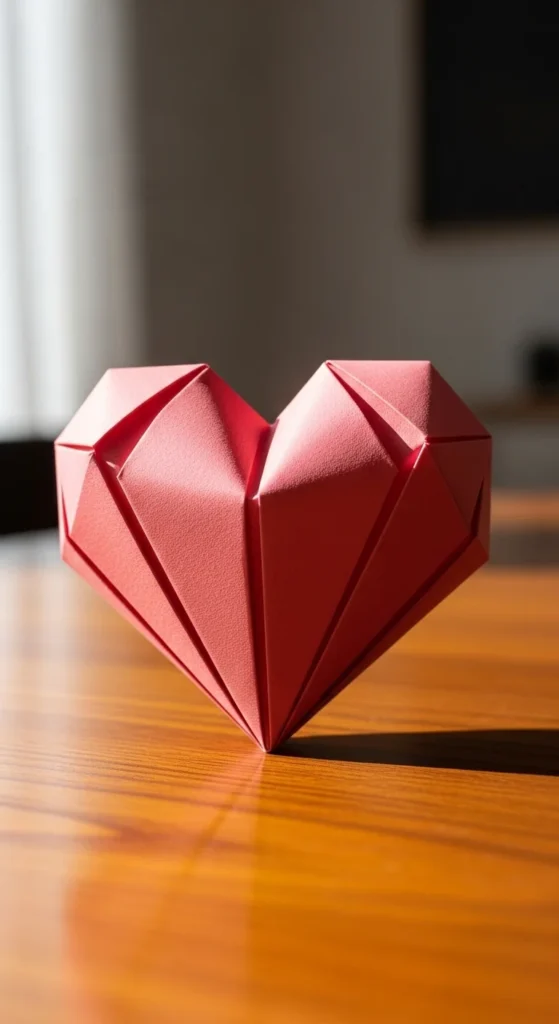
Unlike flat hearts, this model has gentle volume. Folding focuses on shaping edges and rounding the form. Beginners practice soft pressure instead of sharp angles. Slight air pockets help the heart hold its shape. Patterned or red paper works beautifully here. These hearts are popular for decorations and gifts. It’s simple but looks thoughtful.
6. Origami Tulip Flower
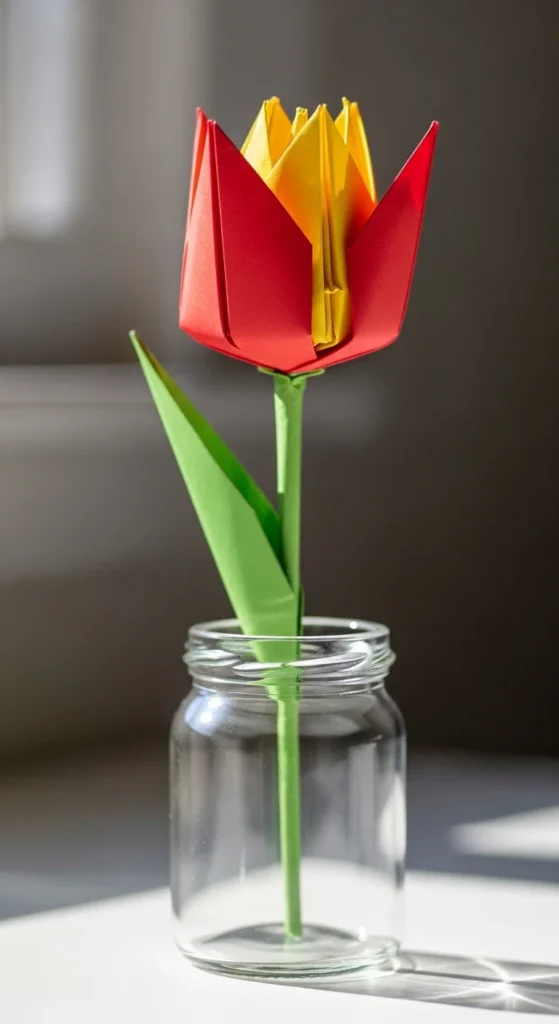
This flower model pops open into a real blossom shape. The petals curve outward after careful shaping. Beginners learn how to inflate the bloom slightly. A separate folded stem supports the flower upright. Bright paper colors make a bouquet effect. Several tulips together look lovely on desks or shelves. It’s an easy entry into floral 3D origami.
7. Flapping Bird Model
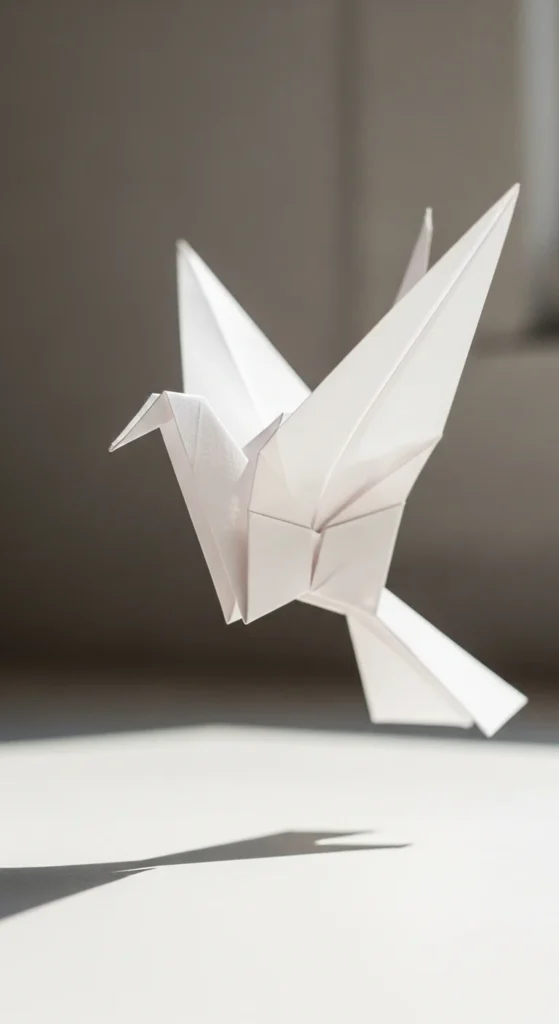
This bird uses layers to create moving wings. Pulling the tail makes the wings flap up and down. The folds are based on the classic crane base. Beginners practice reverse folds in a fun way. The movement makes it feel alive. It’s great for interactive decorations. Kids especially enjoy showing this model to friends.
8. Origami Swan
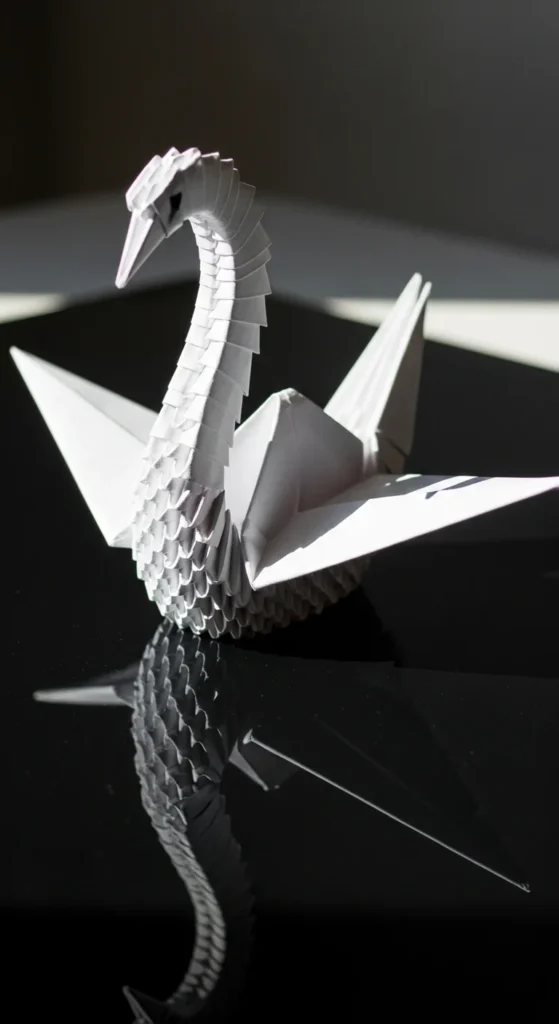
The swan builds on simple bird folds but adds graceful shaping. Beginners focus on neck curves and balanced wings. Slow, careful creases help the model stand upright. White paper gives a classic look, but colors work too. It looks impressive despite manageable steps. Swans make beautiful table decorations. This model builds confidence in shaping techniques.
9. Penguin Figure
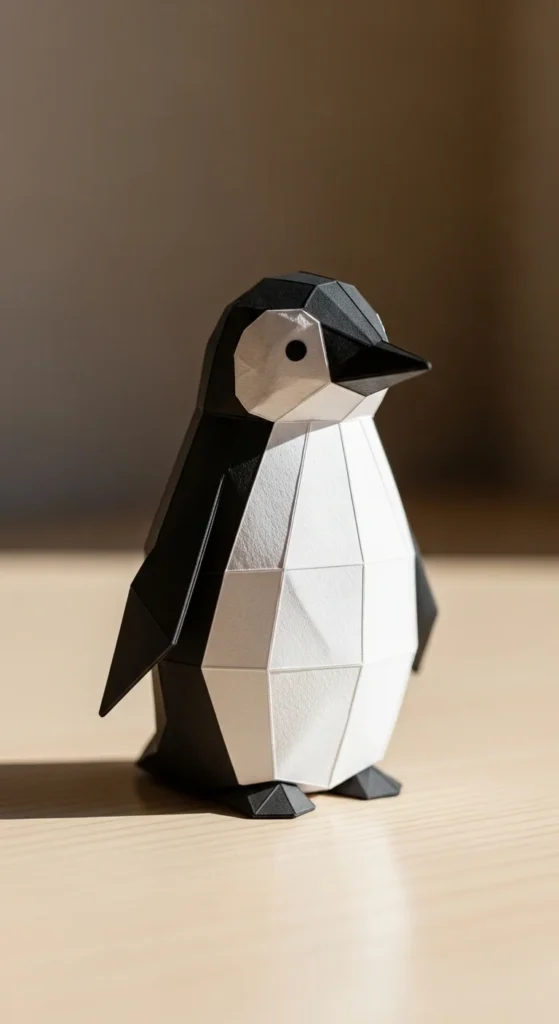
This upright penguin uses two-sided paper for contrast. Folding highlights how flipping paper reveals color patterns. Beginners learn to form a small base so it stands. A few extra shaping folds create the belly curve. Drawing eyes adds personality at the end. It’s a friendly animal model with clear structure. Perfect for winter decorations.
10. Simple Origami Frog
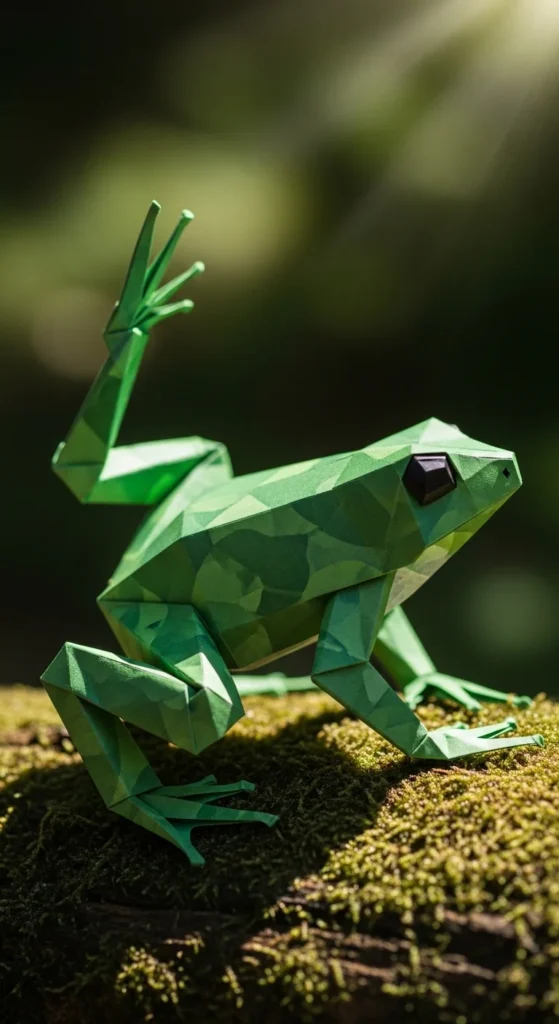
This frog is both 3D and interactive. Its folded legs create tension for jumping. Beginners practice layered folds with purpose. Pressing the back releases the spring effect. The model sits upright before jumping. It’s playful and engaging for kids. Repeating this fold improves precision quickly.
11. Modular Sonobe Unit
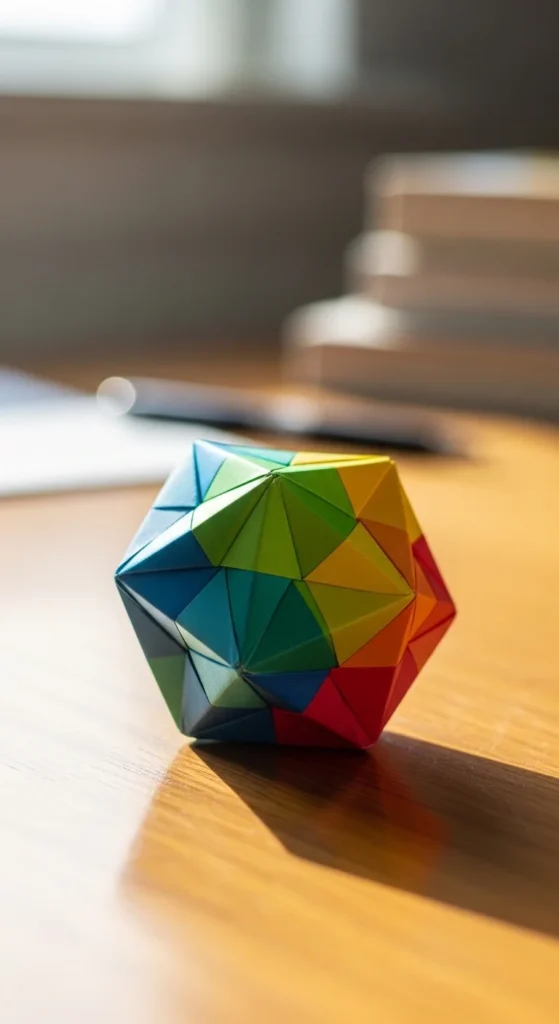
This unit is the building block for many 3D modular shapes. Each piece folds the same way, making it beginner friendly. Tabs and pockets allow pieces to connect without glue. Repetition helps folds become quick and accurate. Units can be used alone or assembled later. It’s a calm and satisfying folding rhythm. A great entry into modular origami.
12. Sonobe Cube
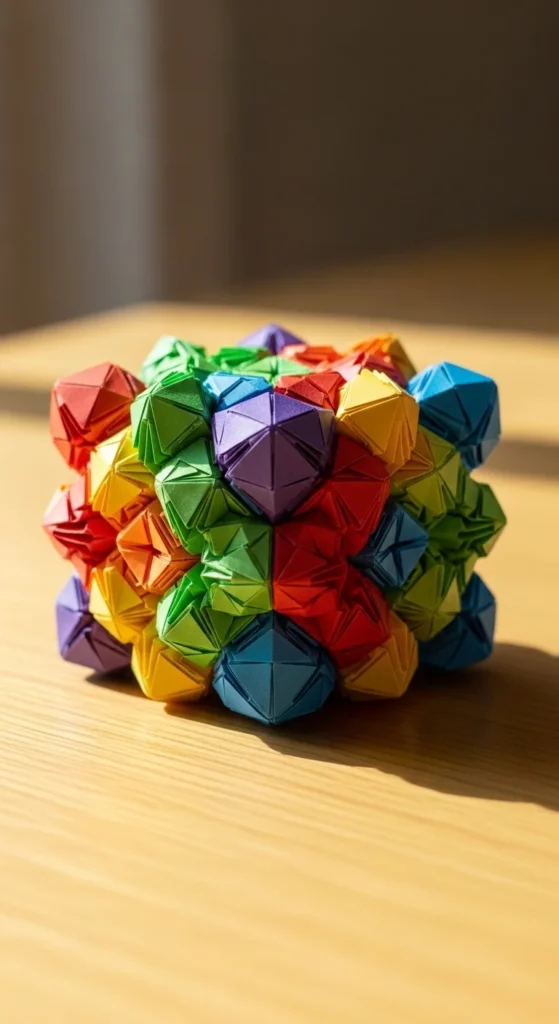
Six sonobe units connect to form a sturdy cube. Beginners learn assembly order step by step. Each connection locks into place securely. Color coordination makes the cube visually striking. The finished shape feels solid in your hand. It’s a great decorative desk item. This model shows how small units build big forms.
13. Sonobe Ball
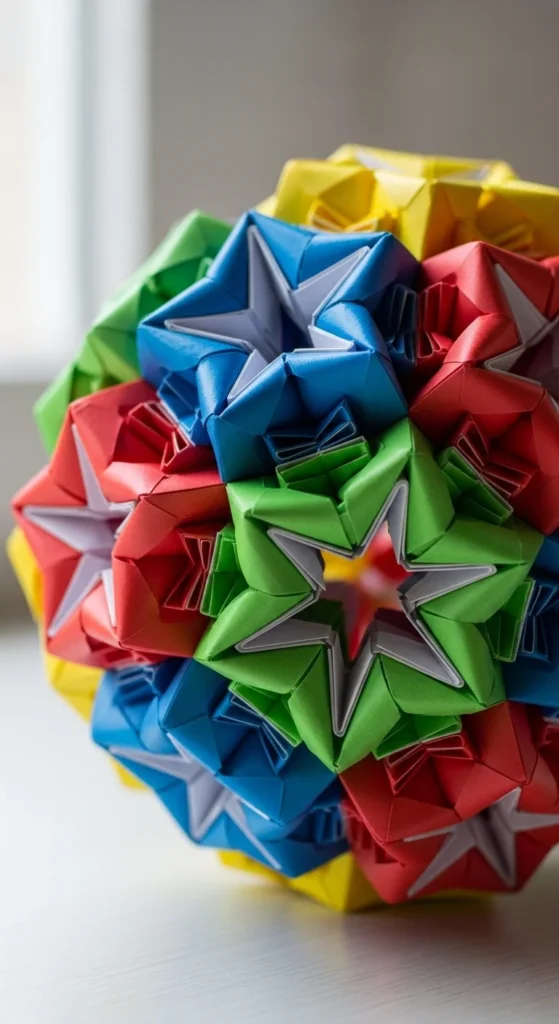
This sphere uses multiple sonobe units arranged in a round pattern. Beginners follow a clear assembly sequence. The shape gradually curves as pieces join. Checking alignment often keeps the ball symmetrical. Bright paper makes the sphere eye-catching. It’s impressive but built from simple repeats. A perfect display piece.
14. Kusudama Flower Ball
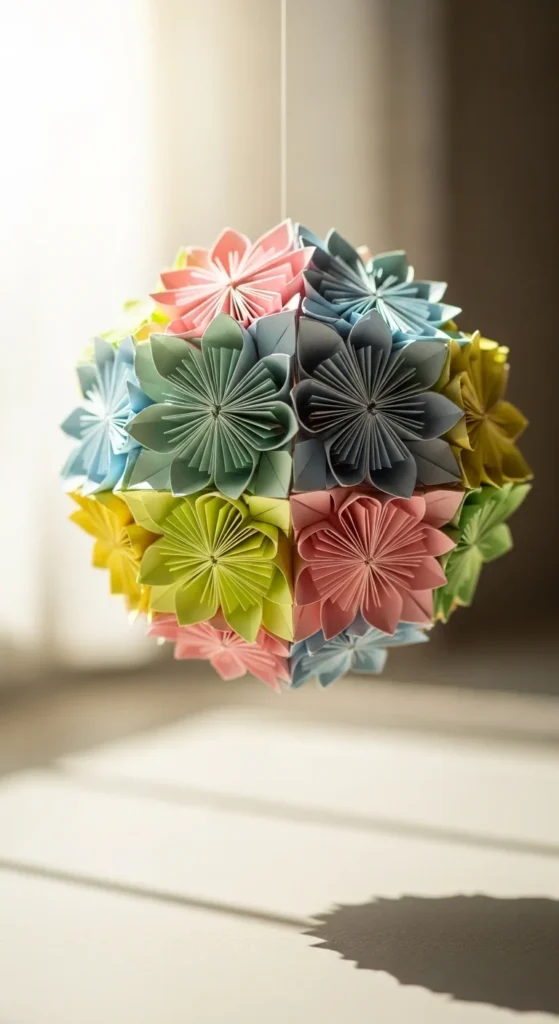
This model combines folded flower units into a sphere. Each flower is simple and repeated many times. Beginners focus on neat petal folds. Units are joined to form a round decorative ball. These look beautiful hanging near windows. Light paper keeps the ball balanced. It’s a creative floral decoration.
15. Pyramid Shape
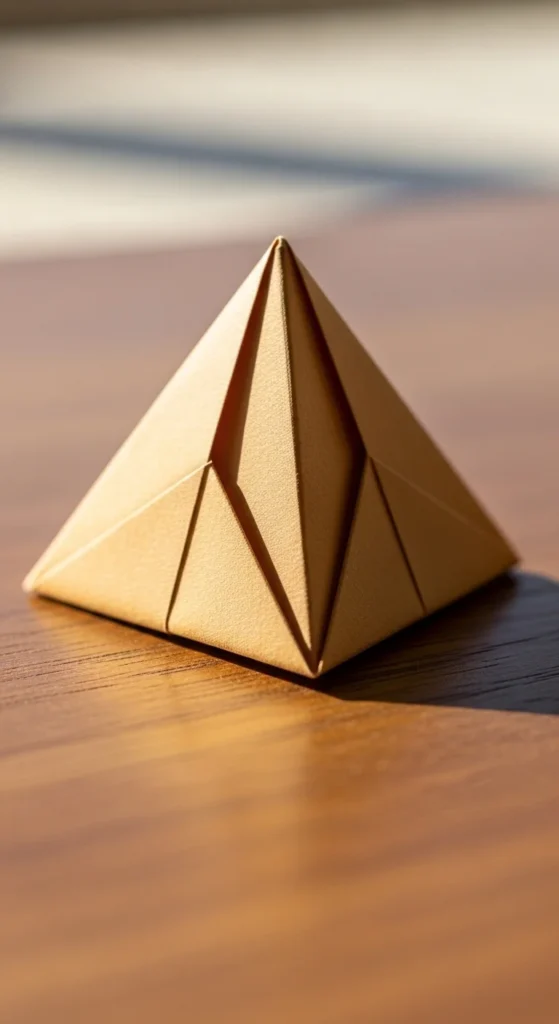
This geometric model forms a strong triangular structure. Beginners practice symmetrical folding on all sides. Crisp creases make the pyramid stand evenly. Patterned paper gives a modern look. It’s quick but visually sharp. Several pyramids together create a display set. A simple introduction to geometric 3D origami.
16. Octahedron Modular Model
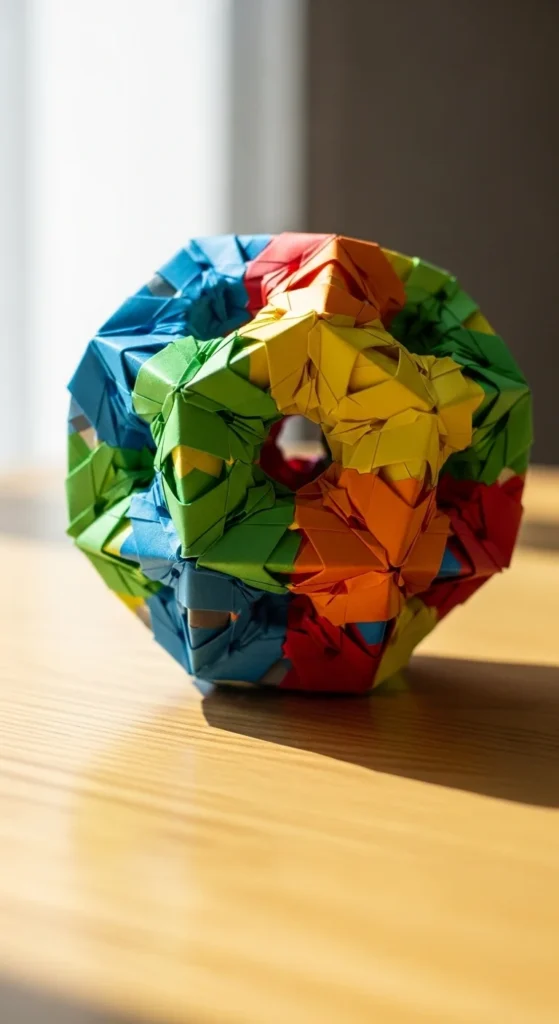
This model uses repeated units to create a pointed geometric ball. Beginners focus on repeating one fold many times. Assembly follows a clear pattern that slowly closes into shape. Color variety highlights the structure. The finished model feels sturdy and balanced. It’s a fun challenge without complex folds. Great for learning modular assembly.
17. Origami Vase
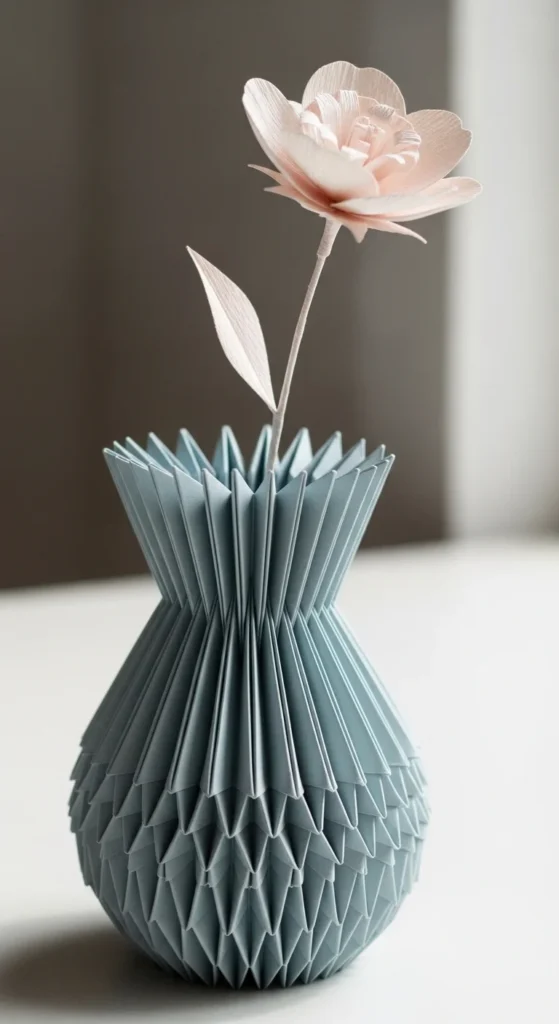
This 3D container stands upright with flared edges. Beginners learn shaping techniques to widen the top. Slightly thicker paper helps maintain structure. The vase can hold dried flowers or paper stems. Symmetry keeps it from tipping. It’s decorative and functional. A beautiful desk accent.
18. Paper Boat 3D Version
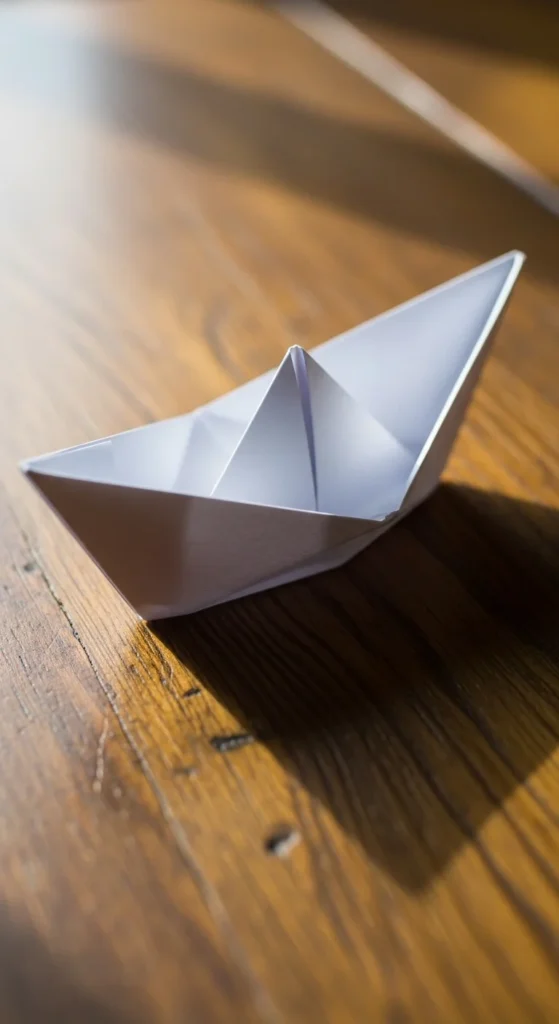
This boat expands into a full 3D structure. Beginners follow traditional folds with one extra step. Opening the base gives it volume. Lightweight paper helps it float if placed on water briefly. Kids love testing this model. It’s simple and nostalgic. A fun introduction to dimensional shapes.
19. 3D Butterfly
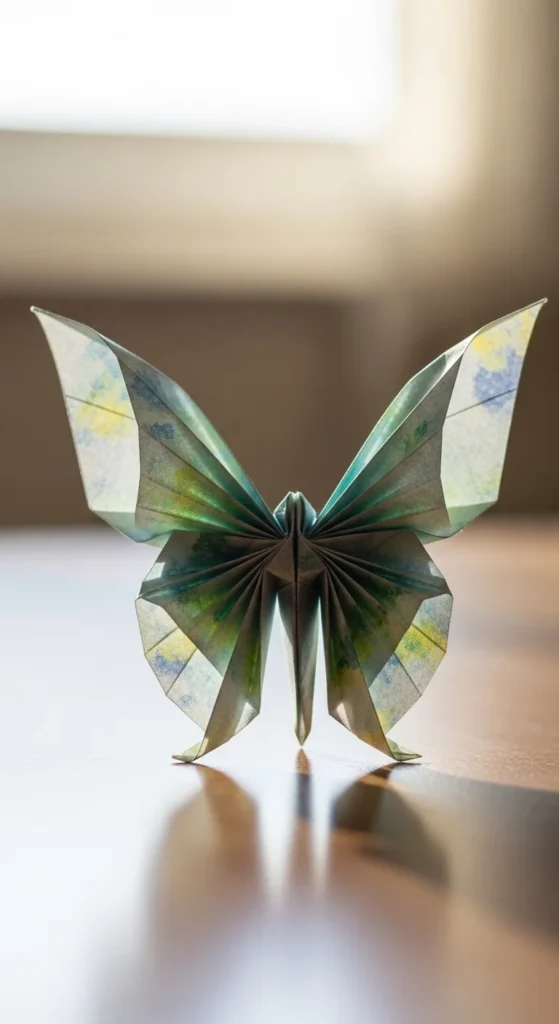
This butterfly adds depth with wing shaping. Beginners curve the wings gently after folding. Soft handling creates natural-looking motion. Patterned paper enhances the effect. These butterflies look lovely on cards or walls. It’s simple yet decorative. A great beginner-friendly 3D model.
20. Standing Bear Figure
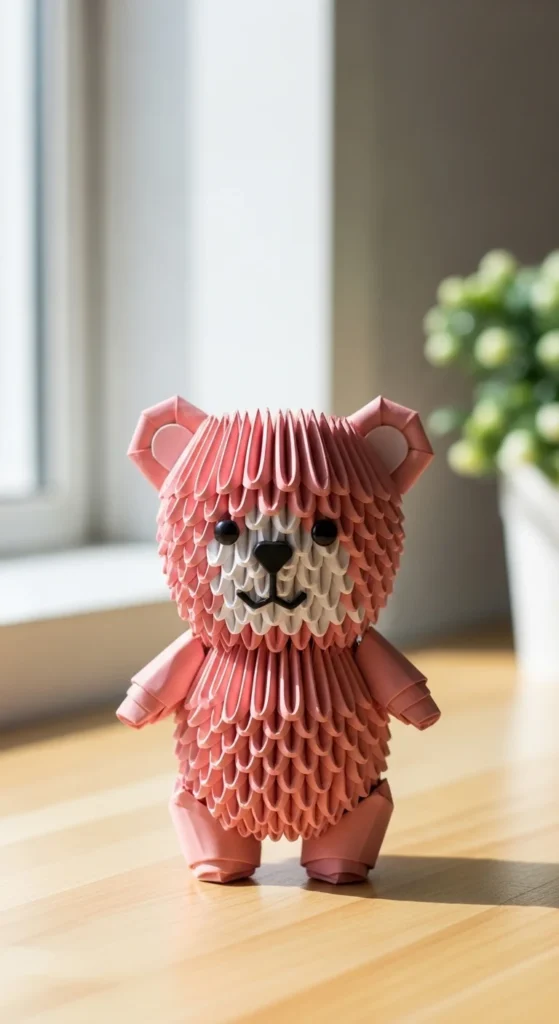
This model uses layered folds to create an upright animal. Beginners focus on shaping the head and body separately. A small base allows it to stand. Drawing features adds charm. Brown paper makes it instantly recognizable. It’s a playful figure that feels complete. Great for gifts or displays.
21. Origami Fish Bowl Shape
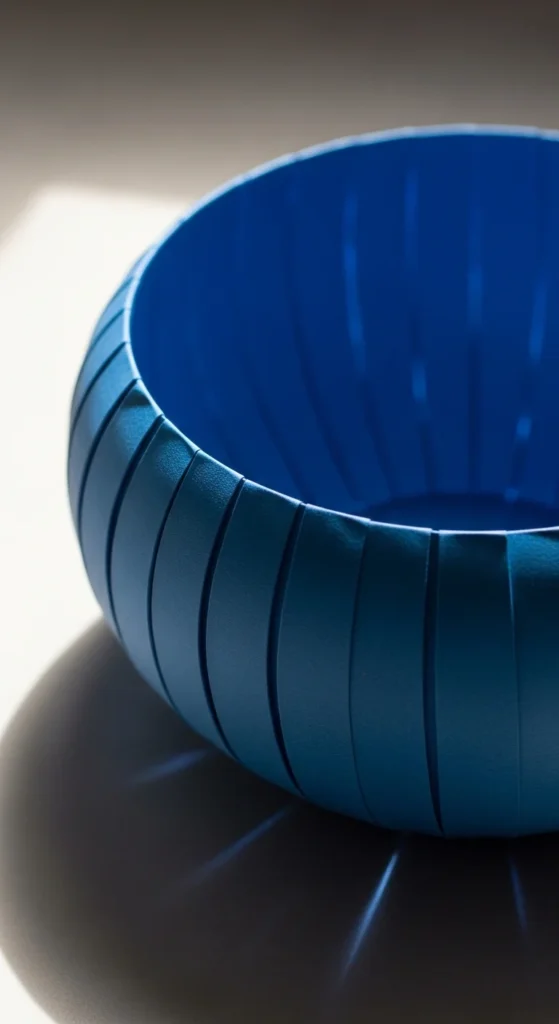
This model forms a rounded container shape. Beginners learn to expand folds evenly around the center. Strong pre-creases guide the shape. It’s decorative and can hold lightweight items. Multiple bowls in different colors look striking together. A smooth, satisfying project. Teaches control over curved forms.
22. 3D Star Model
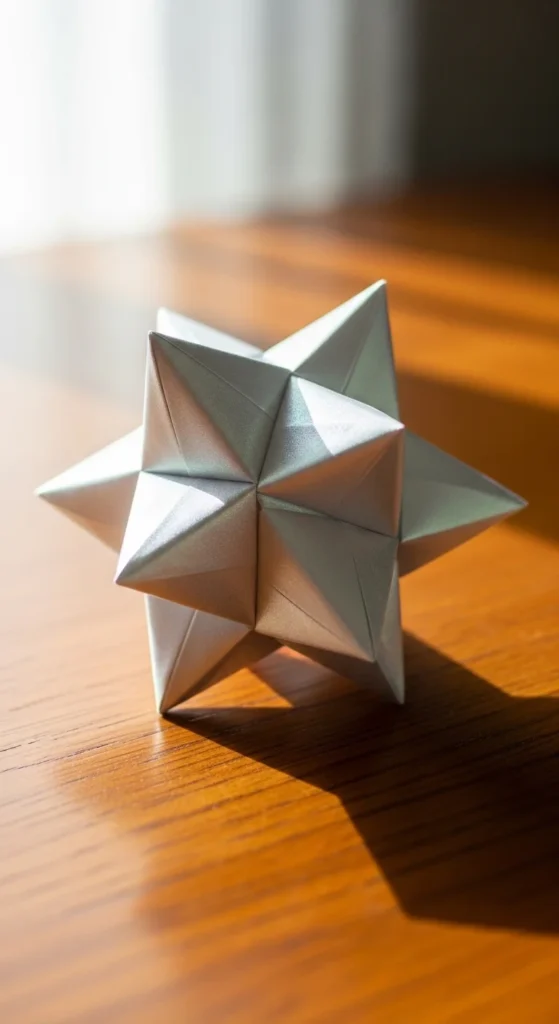
This star pops into shape from flat folds. Beginners gently inflate it for dimension. Sharp creases define each point clearly. Metallic or bright paper makes it festive. These stars are popular as ornaments. They’re quick once you learn the sequence. A great decorative project.
23. Modular Flower Pot
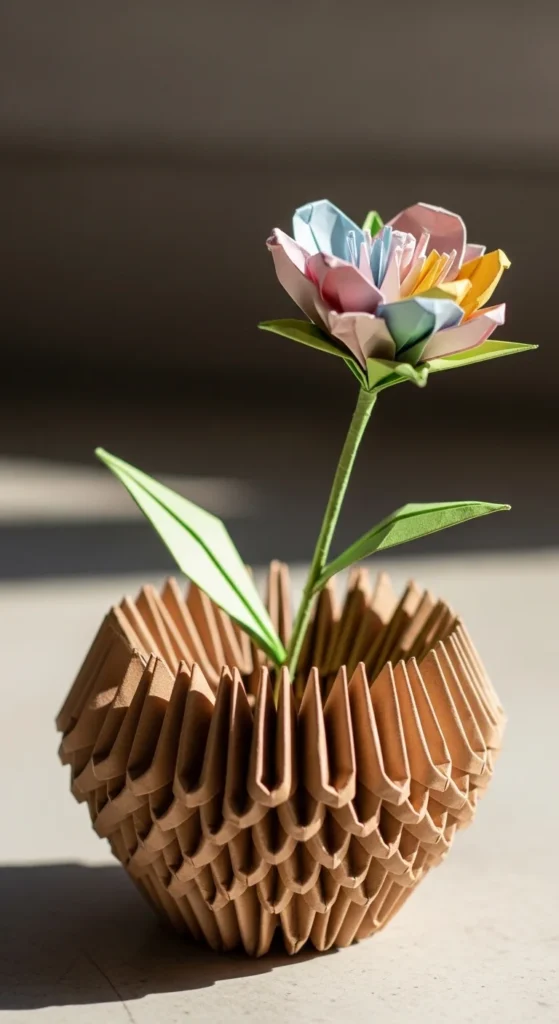
This pot uses repeated folded units assembled into a round container. Beginners practice consistency across units. The assembly locks pieces securely together. Color gradients make the pot visually rich. It’s perfect for holding paper flowers. A fun blend of modular and decorative folding. Looks impressive on shelves.
24. Paper Crown 3D
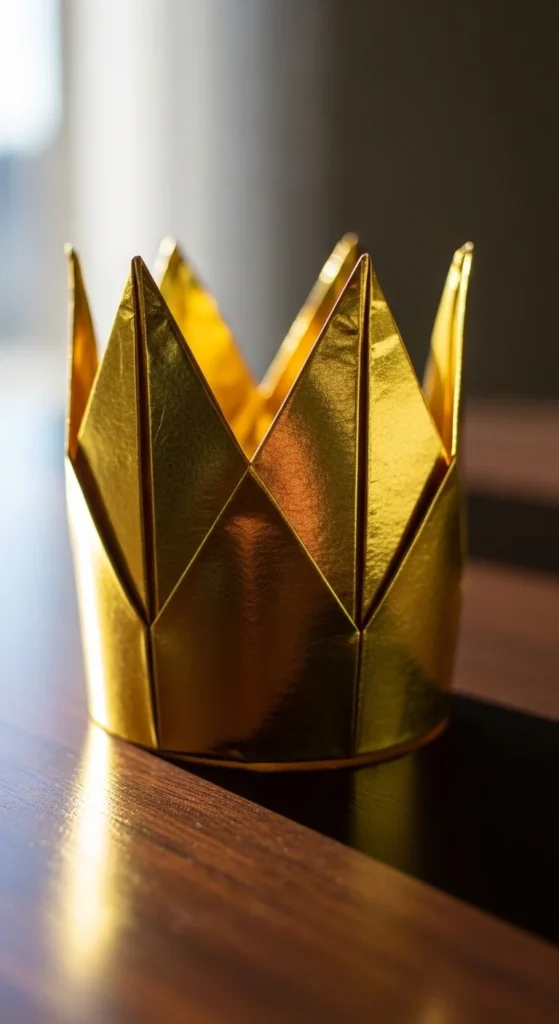
This model forms a ring of pointed shapes like a crown. Beginners repeat the same fold around a circular form. Slight adjustments make it fit a head. Gold or bright paper makes it festive. Kids enjoy wearing their finished crown. It’s simple and playful. A fun group activity.
25. Origami Turtle
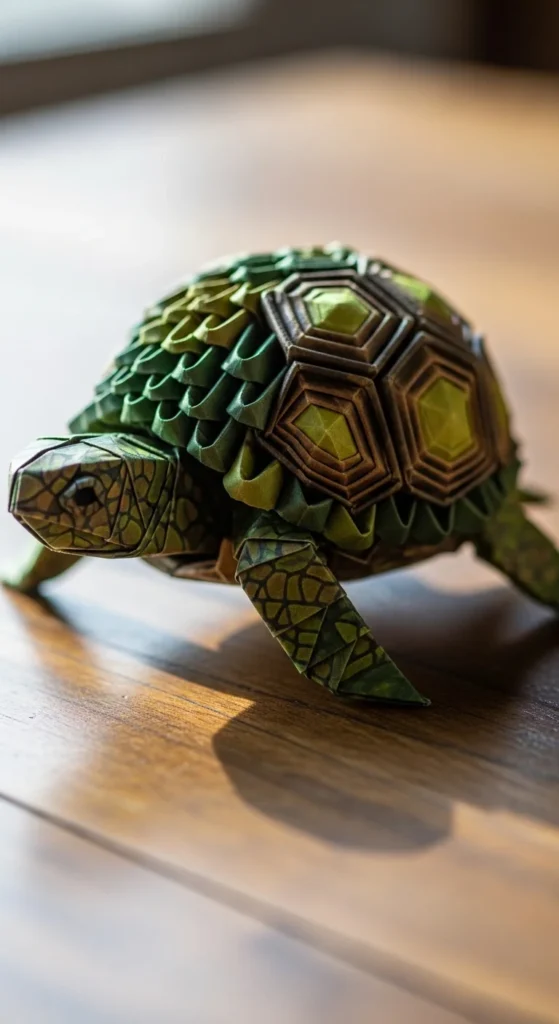
This turtle model has a rounded shell and small head. Beginners shape the shell with layered folds. Careful alignment helps the turtle sit flat. Patterned green paper works well. It’s a charming animal figure. Simple shaping creates realistic form. A lovely display piece.
26. Mini 3D House
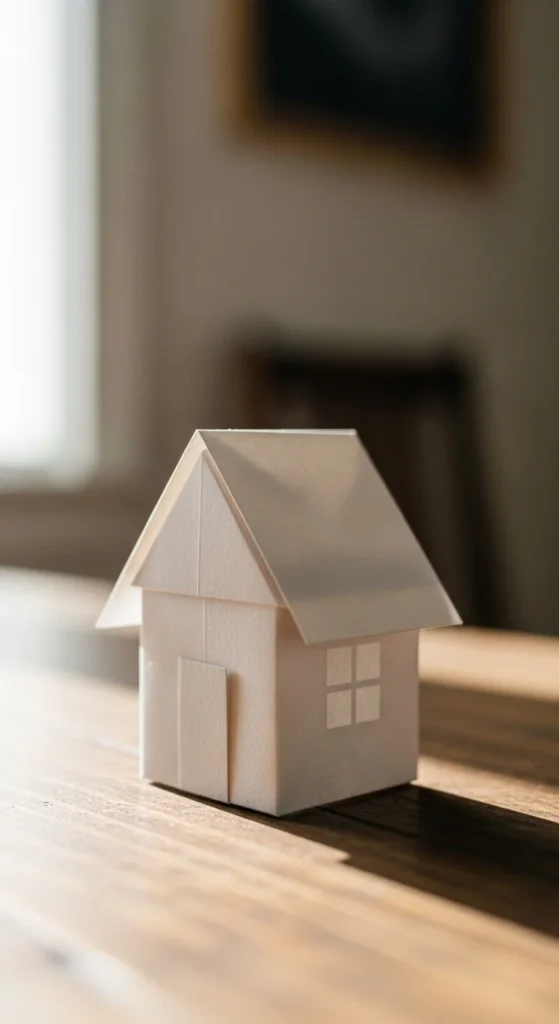
This model forms a small upright house shape. Beginners fold walls and a roof using clear steps. The structure stands without support. Drawing windows adds personality. It’s great for village-style displays. Simple yet creative. A charming final project.
Conclusion
3D origami looks complex, but many beautiful models rely on repeated folds and clear assembly. Starting with simple shapes builds confidence quickly. Modular units open the door to impressive geometric forms, while animals and flowers bring personality to your creations. With only paper and patience, you can turn flat sheets into display-worthy art that feels rewarding to make and share.

Lily Summers is a digital artist and creative storyteller who loves bringing colorful characters to life. With a passion for cartoons, fan art, and playful sketches, she inspires others to explore their imagination through art. When she’s not sketching, you’ll find her dreaming up new ideas for CraftedWizard.com to spark creativity in every artist. 🌈✨