
Spring is a great time for kids to make art at a relaxed pace. Longer days and brighter light make creative time feel easier and more enjoyable. These spring art projects focus on imagination, simple supplies, and hands-on fun. Each idea works with items you may already have at home or in the classroom. The goal is not perfection. It’s about letting kids explore colors, shapes, and ideas while staying comfortable and engaged.
1. Paper Plate Sun Faces
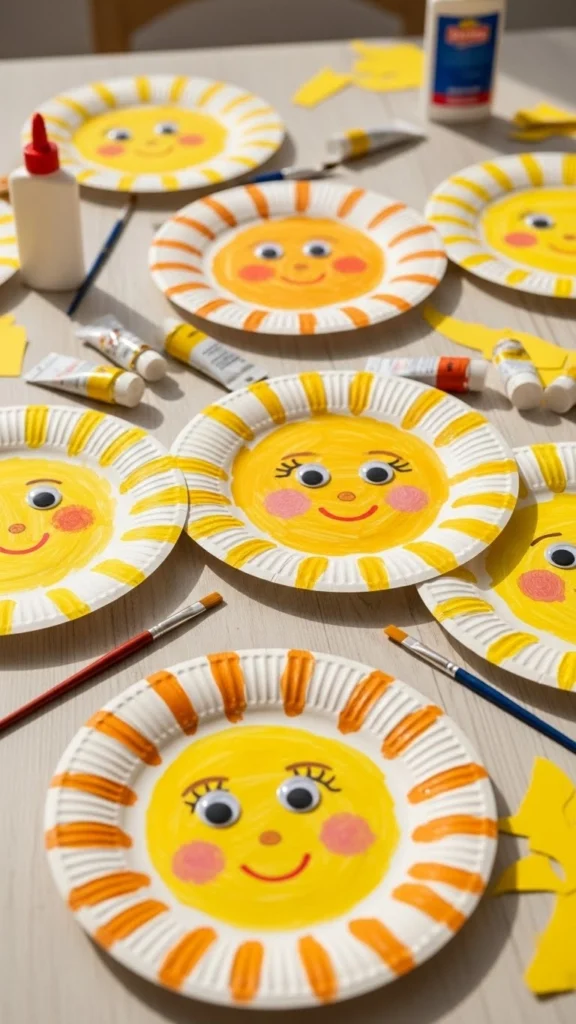
Paper plates are easy to work with and cost very little. Kids can paint the plate yellow and add a face using crayons or markers. Cut strips of paper for sun rays and glue them around the edge. This project allows kids to focus on expression rather than detail.
You can keep supplies simple. Paint, glue, and scrap paper are enough. Younger kids enjoy choosing facial features, while older kids can add patterns or textures. Let the plates dry and hang them near a window for a cheerful spring display.
2. Handprint Flower Garden

Handprint art feels personal and fun. Kids dip their hands in paint and press them onto paper to form flower petals. Add stems using green paint or markers. Each handprint becomes a different flower.
This project works well for groups. Each child adds to the same paper, creating a shared garden. Washable paint keeps cleanup easy. The finished artwork makes a great classroom wall piece or take-home memory.
3. Egg Carton Caterpillars
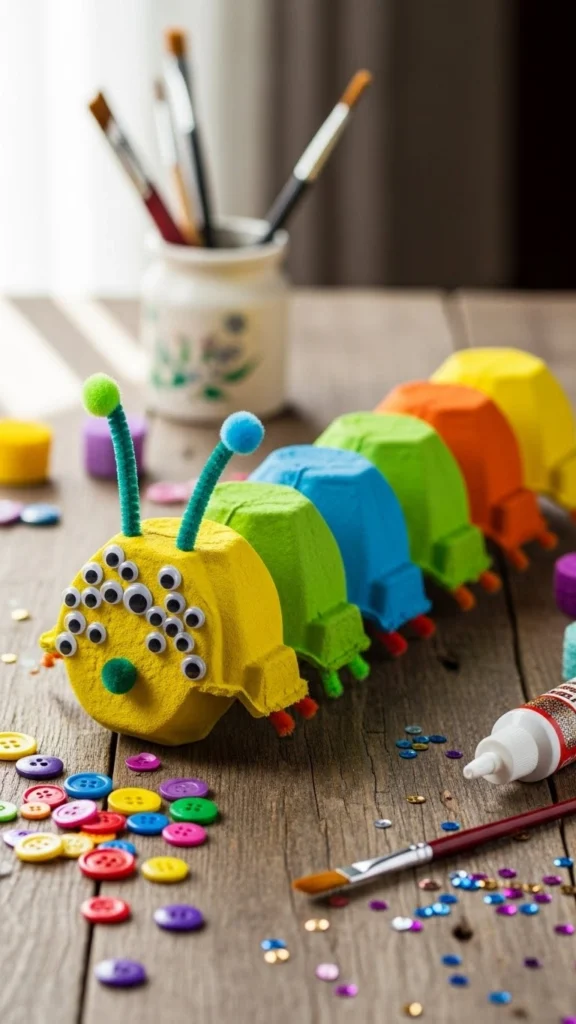
Egg cartons are perfect for recycled crafts. Cut them into sections and let kids paint each piece. Add pipe cleaners for antennae and glue on eyes.
This project encourages creativity without many rules. Kids can choose colors freely. It also opens conversation about insects and nature in spring. Drying time is short, making it ideal for short art sessions.
4. Spring Tree Finger Painting
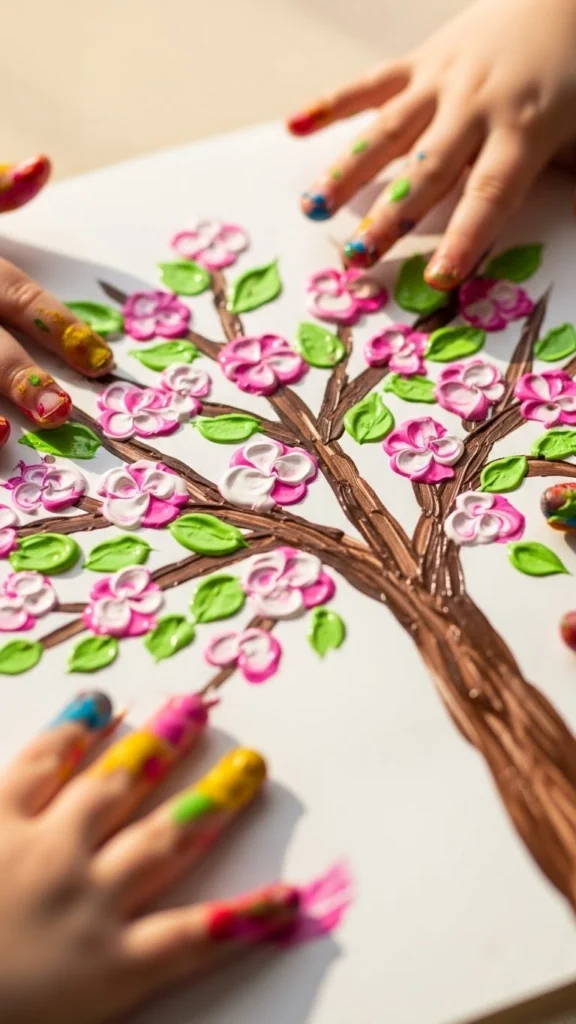
Finger painting feels playful and relaxed. Paint a tree trunk with a brush, then use fingers to add blossoms in pink, white, or purple. Dots and small circles work well.
This project supports sensory play. Use thick paper to avoid tearing. Aprons or old shirts help keep clothes clean. Each tree looks different, which keeps pressure low.
5. Butterfly Symmetry Art
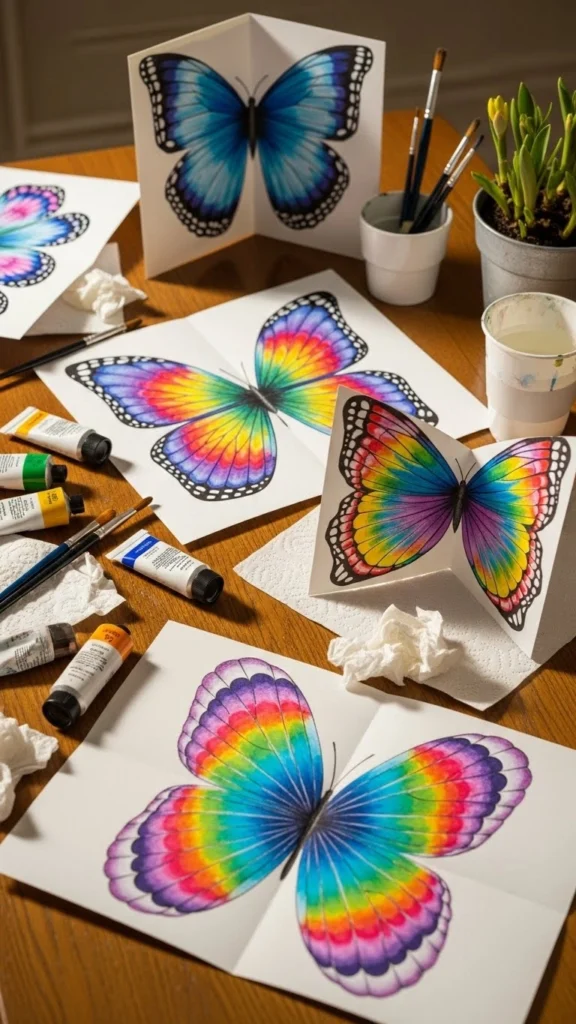
Fold paper in half and draw half a butterfly shape. Kids add paint on one side, then fold and press. Open the paper to reveal a symmetrical butterfly.
This project feels magical for kids. It teaches balance and shape without explanation. Use a few paint colors to avoid muddy results. Let butterflies dry flat.
6. Paper Roll Flower Stamps
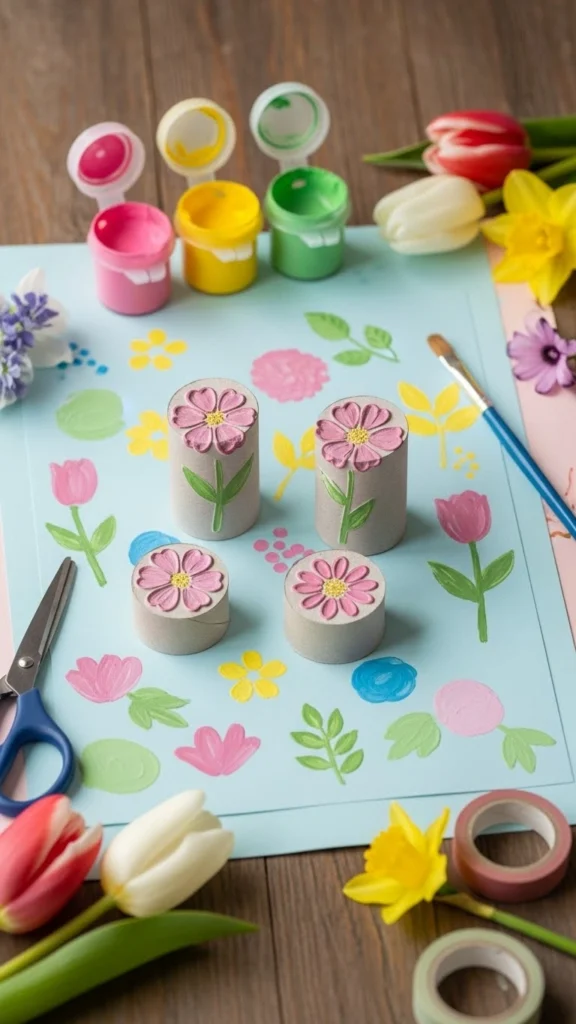
Flatten one end of a paper roll into a flower shape. Dip it in paint and stamp onto paper. Each stamp creates a simple flower.
This uses recycled materials and basic paint. Kids enjoy experimenting with shapes. You can add stems later with markers. Cleanup stays manageable.
7. Chalk Art Nature Walk
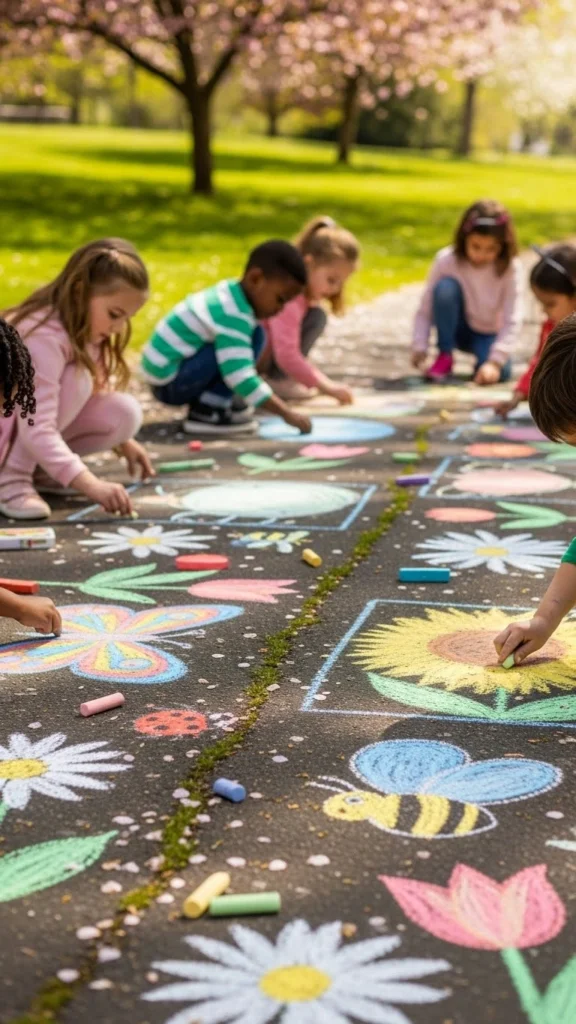
Take art time outside with chalk. Kids draw flowers, bugs, or clouds on the ground. There is no setup and no cleanup stress.
This project encourages movement and observation. Sidewalk chalk washes away easily. It’s a good choice for sunny spring days.
8. Tissue Paper Spring Collage
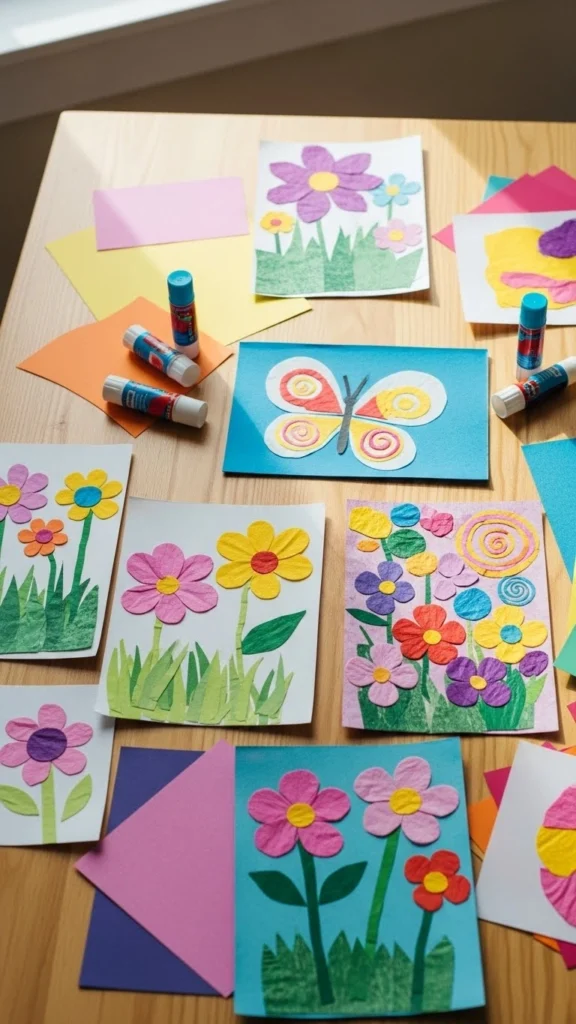
Tear tissue paper into small pieces and glue them onto paper to form flowers or gardens. Kids choose colors freely.
Glue sticks keep things simple. This project builds patience and hand control while staying relaxed. Finished collages feel textured and colorful.
9. Painted Rock Bugs
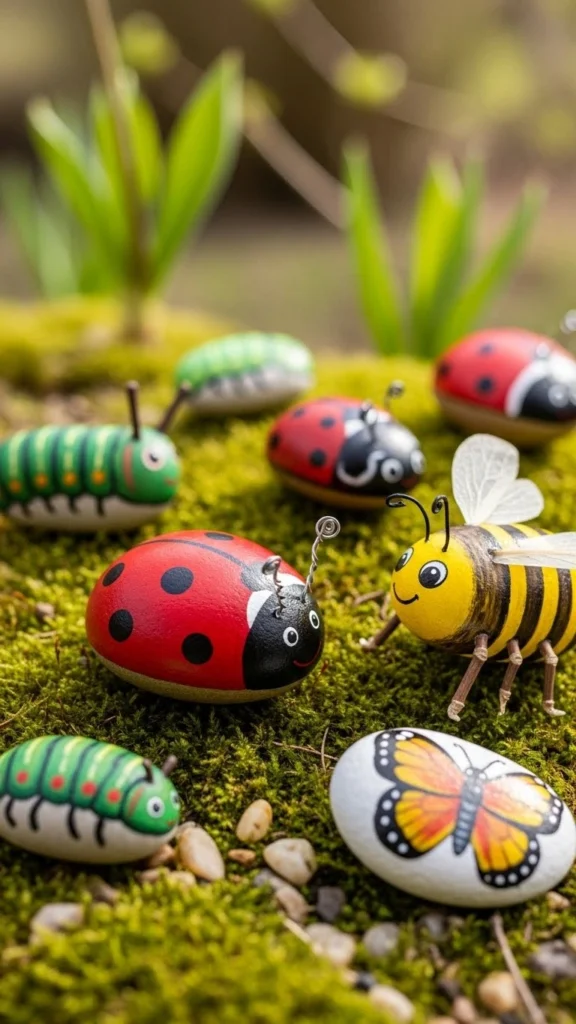
Collect smooth rocks and wash them. Kids paint them as bugs, bees, or ladybirds. Acrylic or washable paint works.
This project connects art with outdoor play. Once dry, rocks can decorate gardens or windowsills. Each rock becomes a small character.
10. Spring Weather Wheel
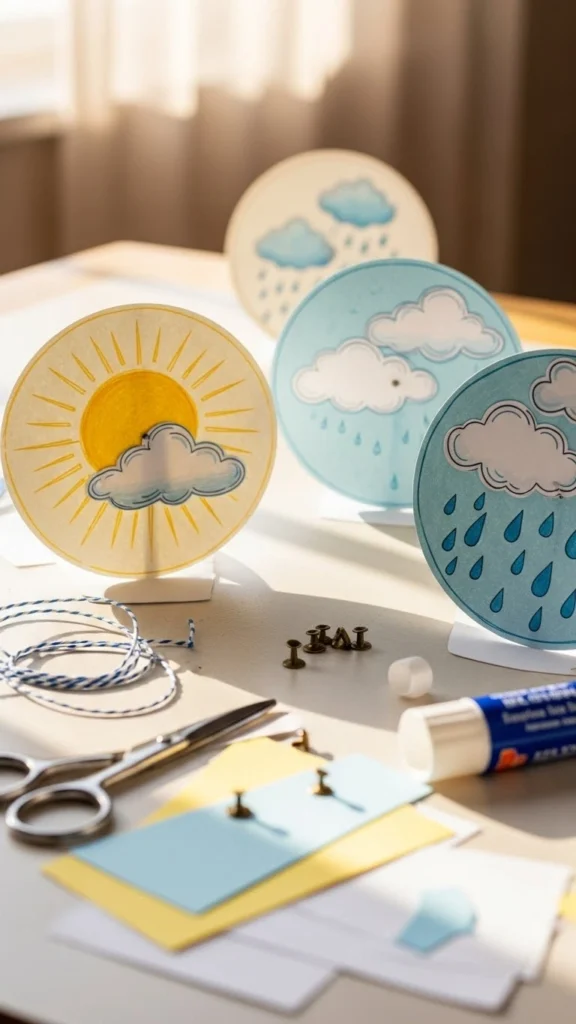
Kids draw different weather types on a paper circle. Attach an arrow with a split pin. They can turn it to match the day’s weather.
This project mixes art with daily routine. Supplies stay simple. It also sparks conversation about seasons.
11. Coffee Filter Flowers
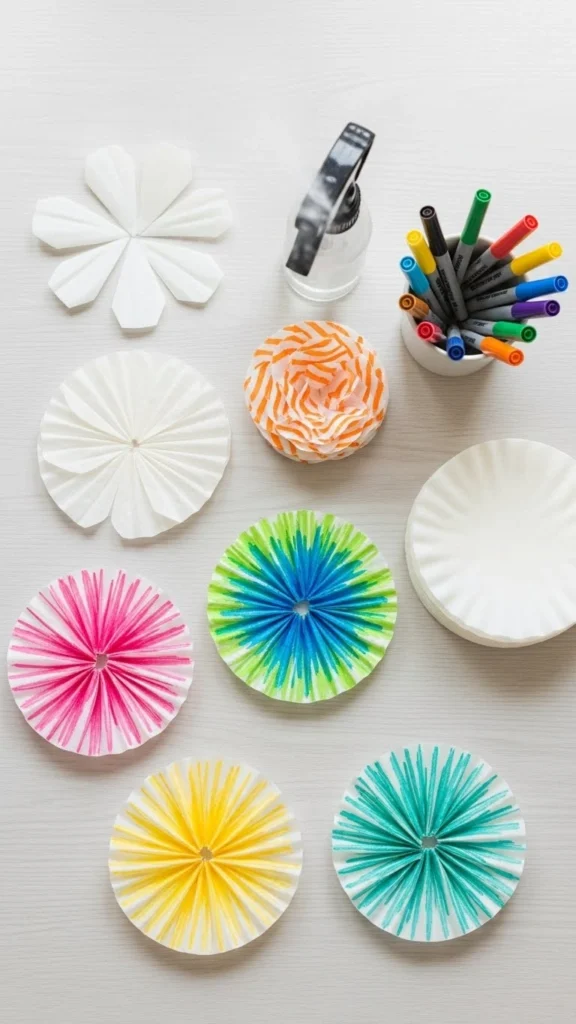
Kids color coffee filters with markers, then lightly spray with water. Colors spread and blend naturally. Once dry, pinch the center to form flowers.
This project feels exciting and low effort. The color movement keeps kids engaged. Pipe cleaners make easy stems.
12. Spring Animal Mask Making
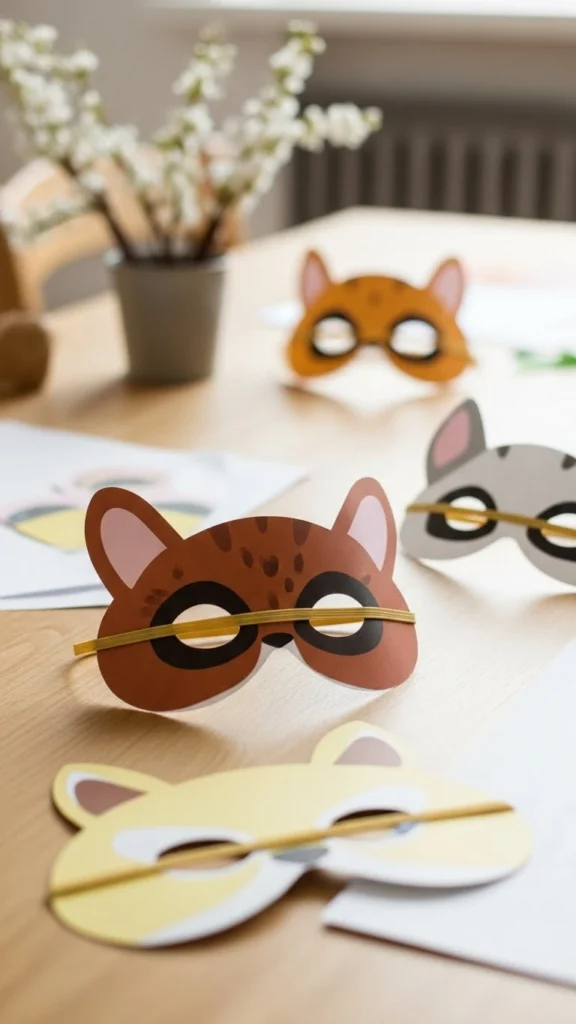
Kids draw and cut simple animal faces from paper plates or cardstock. Add ears, whiskers, or beaks.
Masks encourage imaginative play after crafting. Use crayons or markers instead of paint to save time. Elastic bands or string help with wearing.
13. Nature Rubbing Art
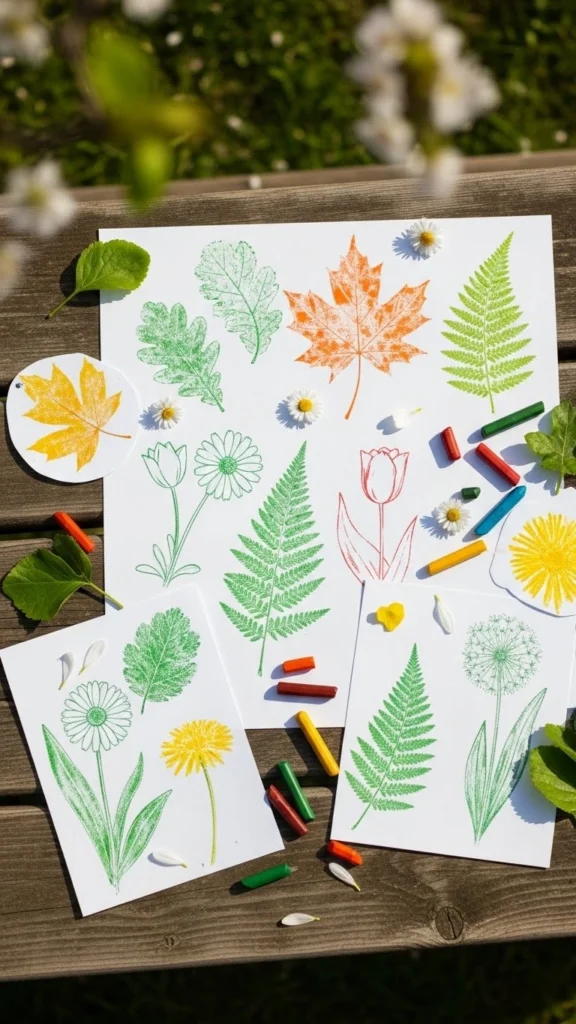
Place leaves or flowers under paper and rub crayons over them. Shapes and textures appear naturally.
This project teaches observation without instruction. It works indoors or outside. Each rubbing looks different, which keeps it stress-free.
14. Spring Rainbow Paper Chains
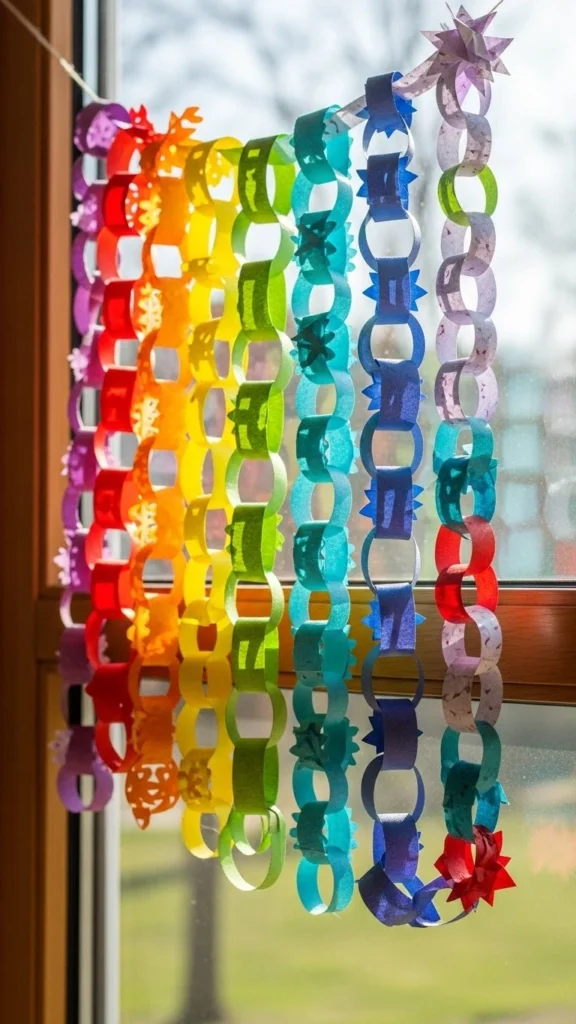
Cut strips of colored paper and link them into chains. Arrange colors like a rainbow or mix freely.
This builds fine motor skills while staying calm. Paper scraps work well. Hang the chains around the room for decoration.
15. Flower Pot Painting
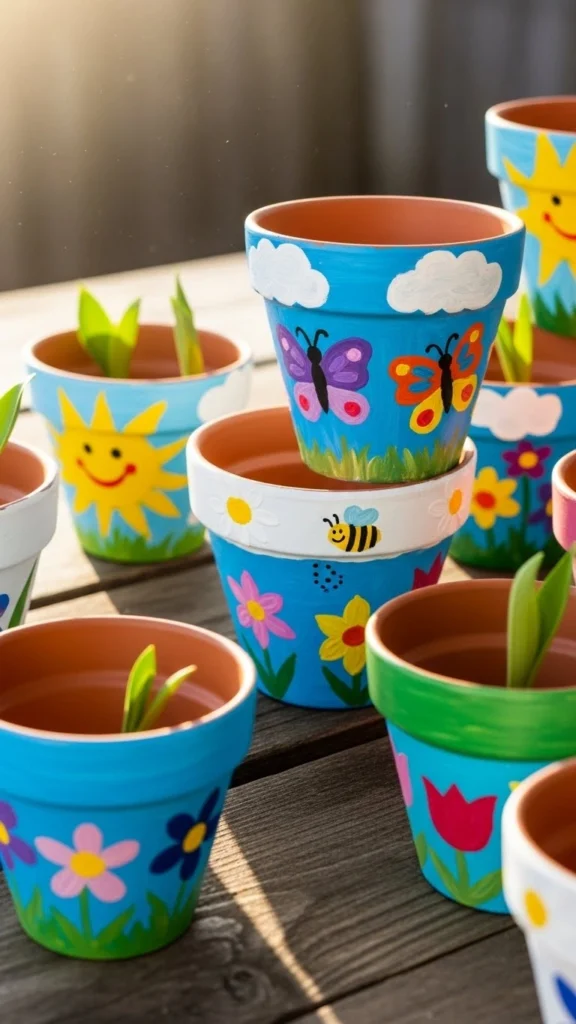
Paint small pots with simple patterns or flowers. Once dry, plant seeds or small plants.
This combines art with responsibility. Kids enjoy seeing plants grow. Use water-based paint for easy cleanup.
16. Spring Shape Printing
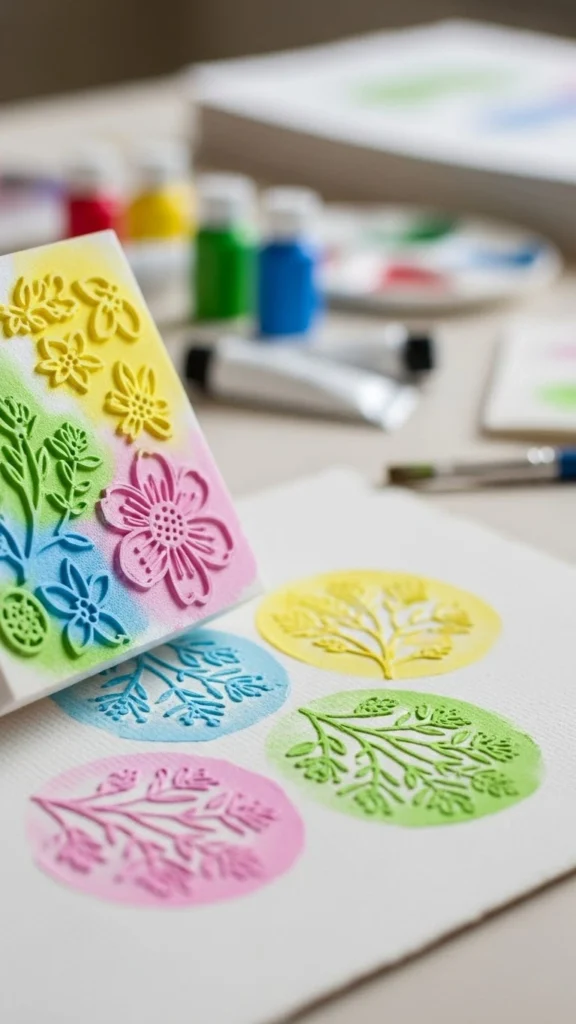
Cut simple shapes from foam or sponges. Dip them in paint and stamp patterns.
This project focuses on repetition and rhythm. It suits kids who enjoy structure without strict rules.
17. Paper Kite Art
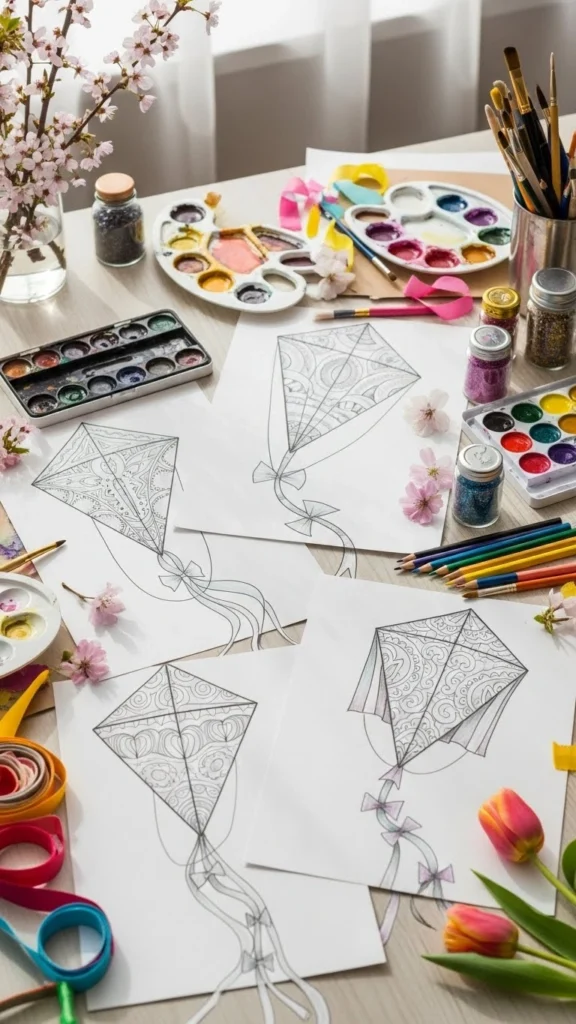
Kids draw kites on paper and decorate them with patterns. Add paper tails with glue.
This project connects to outdoor spring themes. No cutting is required for younger kids.
18. Bubble Wrap Flower Prints
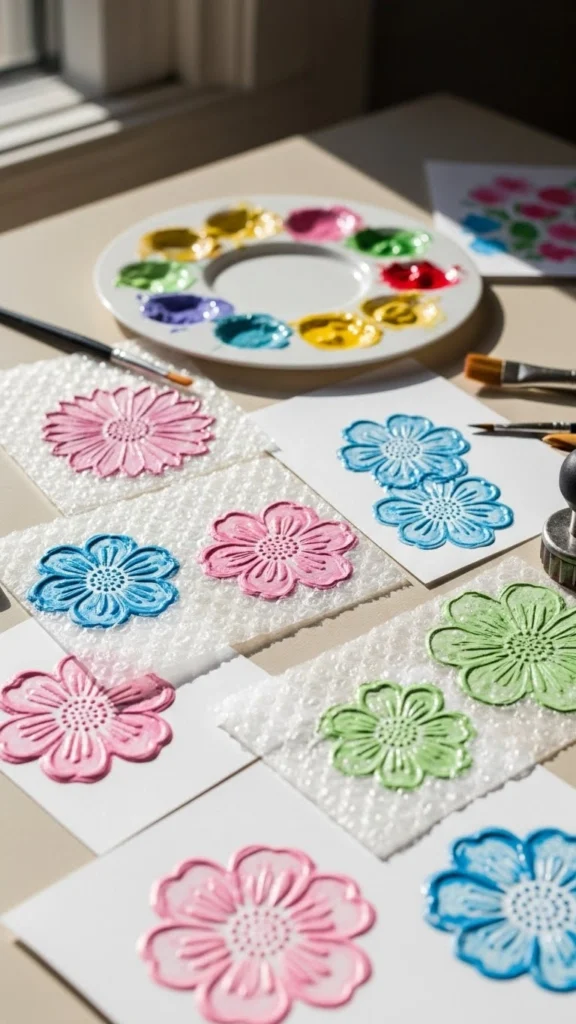
Paint bubble wrap and press it onto paper. The texture creates flower-like patterns.
This feels playful and surprising. Use one or two colors to keep results clear.
19. Spring Story Drawing Pages
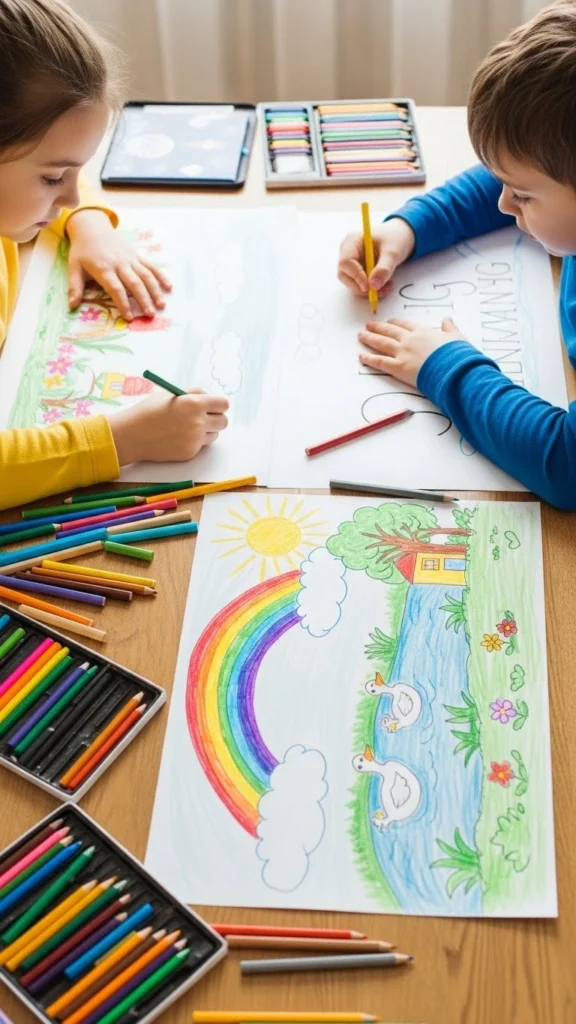
Ask kids to draw a simple spring story. A garden, a picnic, or animals outside.
This supports imagination and storytelling. No limits are placed on content. Kids explain their drawings afterward.
20. Paper Weaving Garden
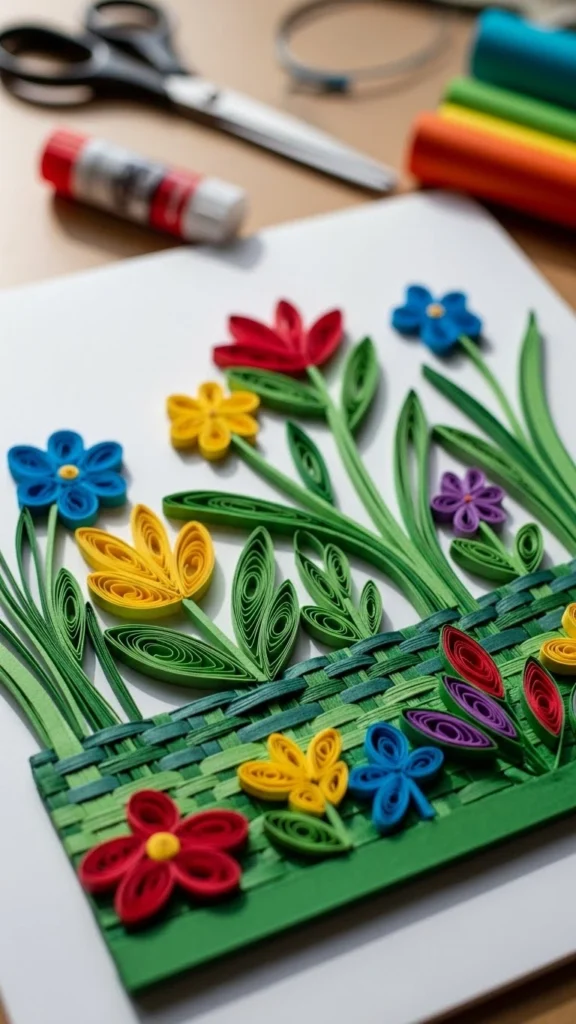
Cut slits in paper and weave colored strips through. Green strips can represent grass.
This project builds focus without feeling heavy. Pre-cut strips save time.
21. Spring Color Mixing Sheets
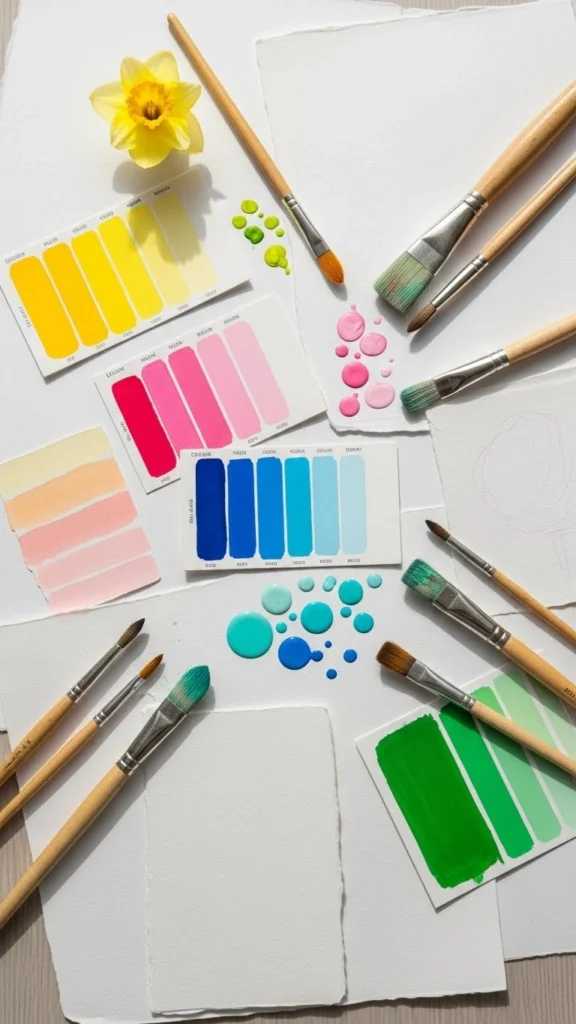
Give kids primary colors and let them mix on paper. Encourage discovery through play.
This project removes rules and supports curiosity. The process matters more than the result.
Conclusion
Spring art time works best when it feels relaxed and enjoyable. These projects allow kids to explore creativity using simple materials and clear steps. Each idea supports imagination without pressure or long preparation. Pick one project, set up a small space, and let kids create at their own pace.

Lily Summers is a digital artist and creative storyteller who loves bringing colorful characters to life. With a passion for cartoons, fan art, and playful sketches, she inspires others to explore their imagination through art. When she’s not sketching, you’ll find her dreaming up new ideas for CraftedWizard.com to spark creativity in every artist. 🌈✨