
Spring is the perfect time to mix hands-on learning with simple crafts that use everyday supplies. Kids are already curious about plants, weather, and outdoor changes. These STEM crafts turn that curiosity into action. Each idea focuses on basic science, math, or engineering skills without heavy prep. Most projects use low-cost items you already have. They work well for classrooms, homeschool days, or relaxed afternoons at home.
1.Growing Seed Sprout Jars

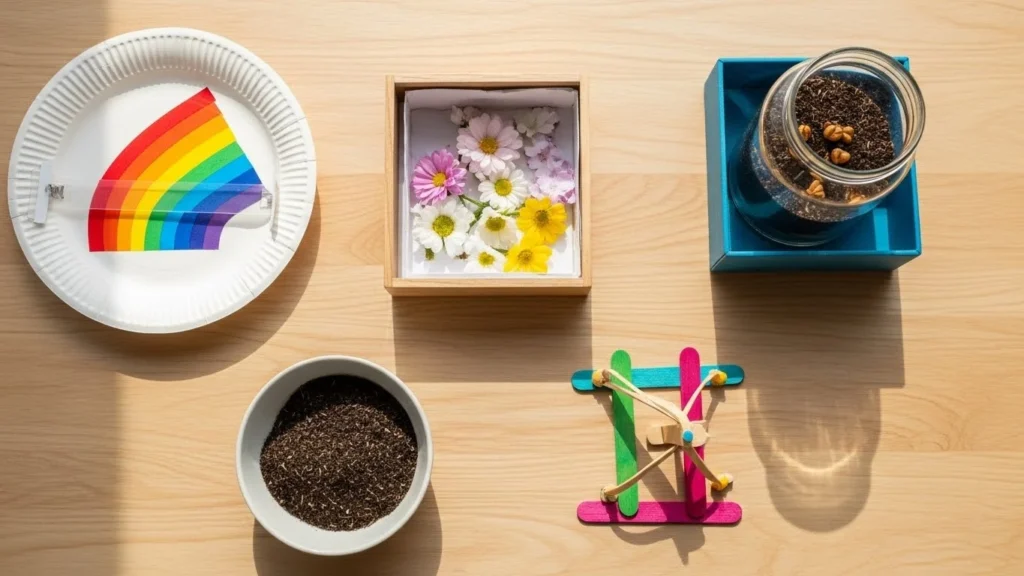
This project shows how plants grow from seeds. Use a clear jar, paper towel, water, and dried beans. Kids place the beans between the glass and towel. Add a little water. Set the jar near a window. Over days, roots and shoots appear.
Children can track changes each morning. Ask them to count days until sprouting. Talk about sunlight and water. No fancy tools needed. Old jars work well. Even plastic cups can do the job.
To add math, measure root length with a ruler. For writing practice, kids can draw what they see. This craft fits small spaces and short attention spans. Cleanup is easy. Compost the plant later or move it to soil for more learning.
2.Rain Cloud in a Jar

This craft explains how rain forms. Fill a jar with water. Add shaving cream on top. Drip blue food coloring over the “cloud.” Watch the color fall through. Kids see gravity at work. They learn how clouds hold water until they release rain. Use a spoon or dropper for fine motor practice. Budget tip: use white dish soap foam instead of shaving cream.
Ask kids to predict what will happen before adding color. That builds thinking skills. This activity takes minutes to set up. It works well for spring weather lessons. Keep paper towels nearby for spills.
3.DIY Wind Spinner Test

Cut simple pinwheels from paper or thin cardboard. Attach them to pencils with push pins. Take them outside on a breezy day. Watch how wind makes them spin. Kids can test different shapes. Try wider blades or shorter ones. Ask which spins faster. This introduces basic engineering ideas. Use scrap paper from old notebooks to save money. Mark spins with a timer for counting practice. Even younger kids can join. No rules required. Just observe and compare. Store the pinwheels for later outdoor play.
4.Spring Shadow Tracking
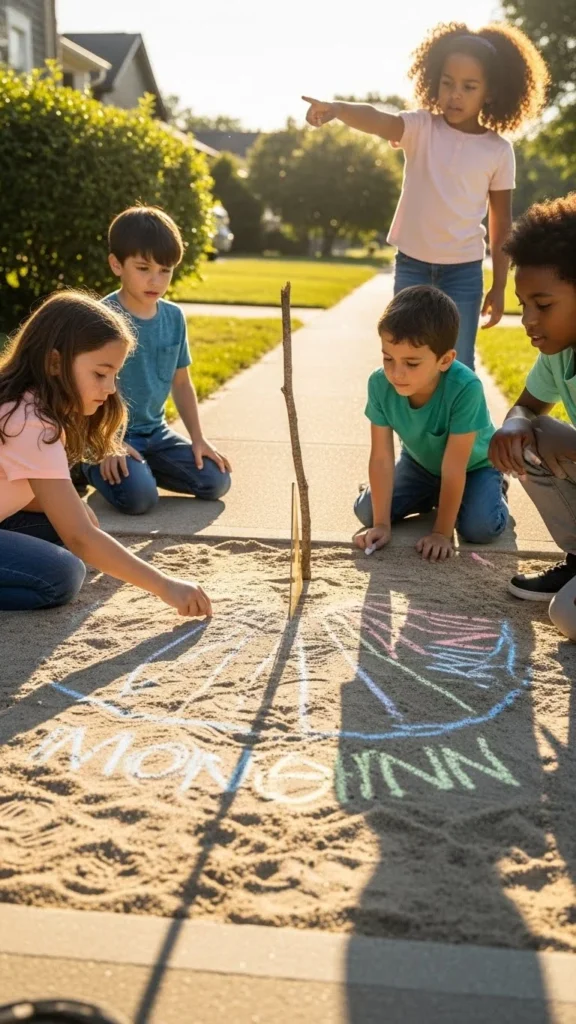
This craft teaches about sunlight and time. Place a stick upright in soil or sand. Check its shadow in the morning, noon, and afternoon. Trace each shadow with chalk. Kids see how shadows move. Talk about the sun’s position. Use sidewalk chalk or pencils on paper. No cost involved. This works well in yards or balconies. It encourages observation and patience. Kids can guess which shadow will be longest. Keep it casual and fun.
5.Egg Carton Flower Engineering

Cut egg cartons into flower shapes. Paint them if desired. Add pipe cleaners as stems. Kids build flowers that stand upright. This craft supports design thinking. Which base keeps the flower balanced? Use recycled cartons to cut costs. Skip paint for a faster option. Talk about real flowers and stems. Compare shapes. Display the flowers in jars or boxes. This blends creativity with problem solving using simple tools.
6.Measuring Worm Paths
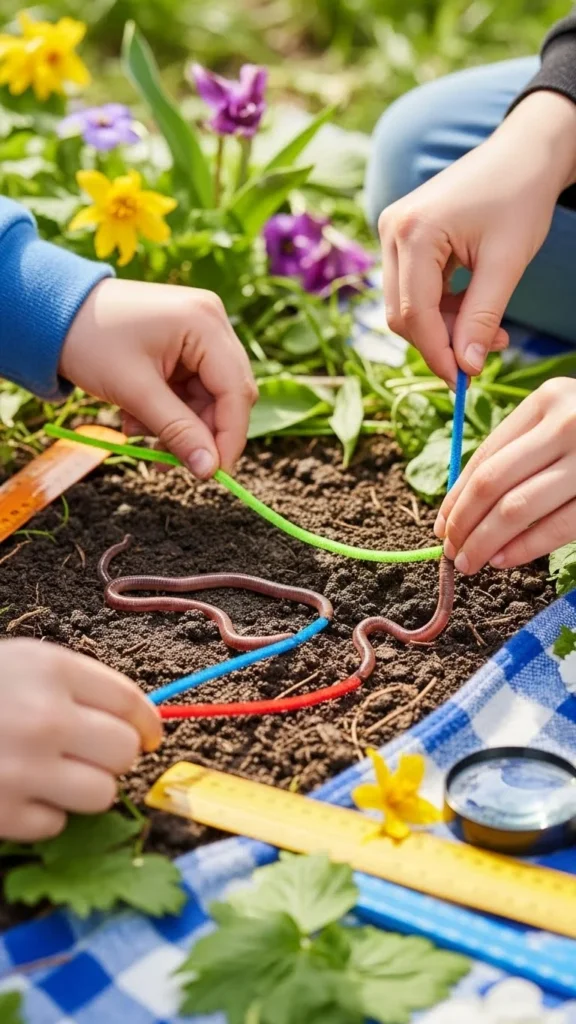
Use yarn to copy the shape of a drawn “worm path.” Kids lay yarn along the path. Then they straighten it and measure. This shows how curves change length. Use rulers or counting blocks. Yarn scraps work fine. Draw paths on cardboard or paper bags.
Kids can compare whose path is longer. Add simple charts. This craft builds early math skills without worksheets.
7. Popsicle Stick Bridge Test
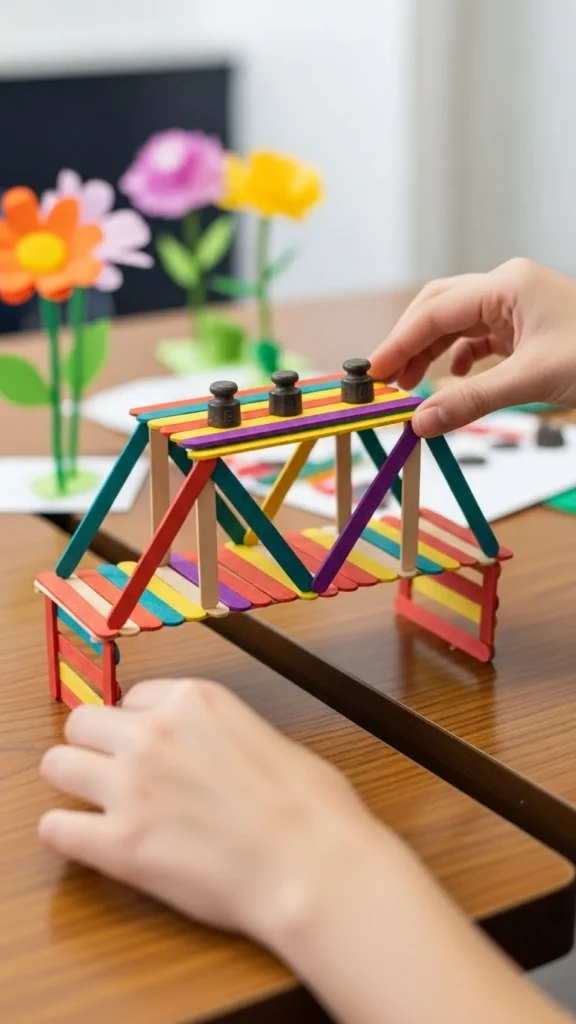
Glue popsicle sticks into small bridges. Let them dry. Test strength using coins. Kids learn about structure and support. Dollar stores sell sticks cheaply. White glue works fine if given time. Ask kids to guess how many coins the bridge can hold. Count together. This craft turns trial and error into learning.
8. Leaf Vein Rubbings
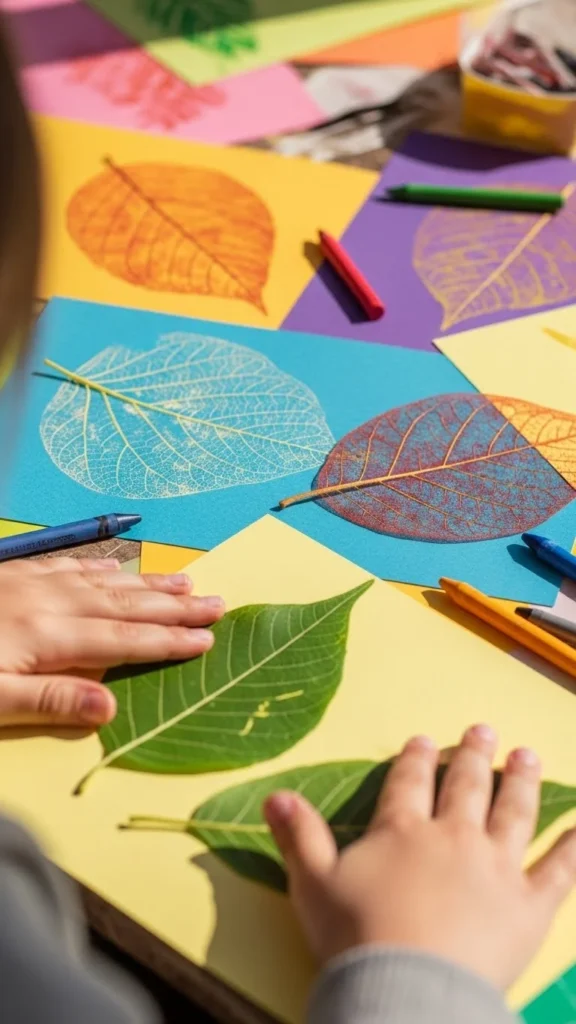
Collect leaves from outside. Place them under paper. Rub crayons over the top. Veins appear clearly. Kids see how plants move water. Use broken crayons to save money. Compare different leaf shapes. Sort by size. This craft mixes art with observation.
9. DIY Sundial Plate
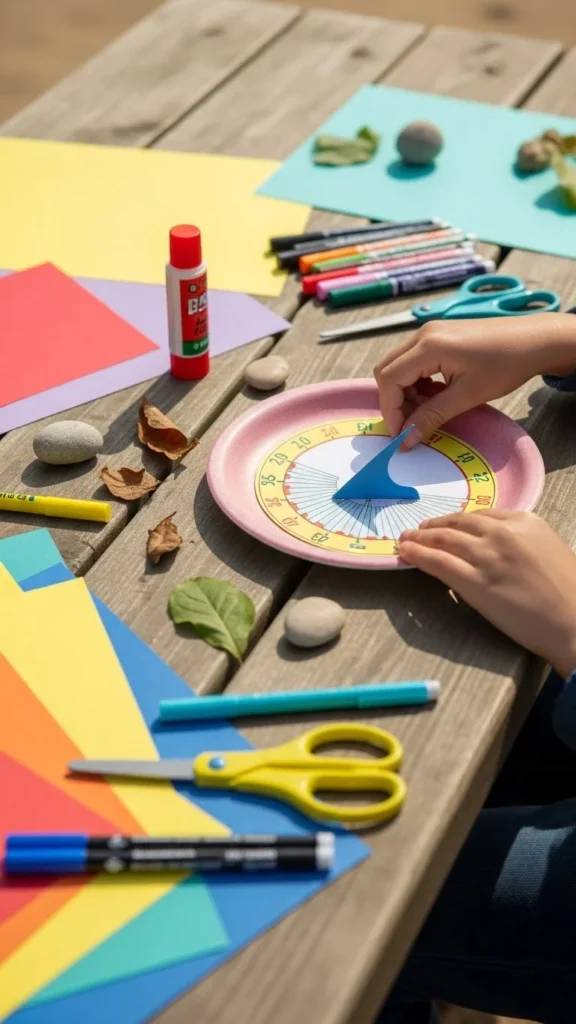
Push a pencil through a paper plate. Take it outside. Mark where the shadow falls each hour. Kids see time pass through light. Plates from parties work well. Reuse pencils. This craft works best on sunny days. Keep it simple. No clocks required.
10. Butterfly Life Cycle Wheel
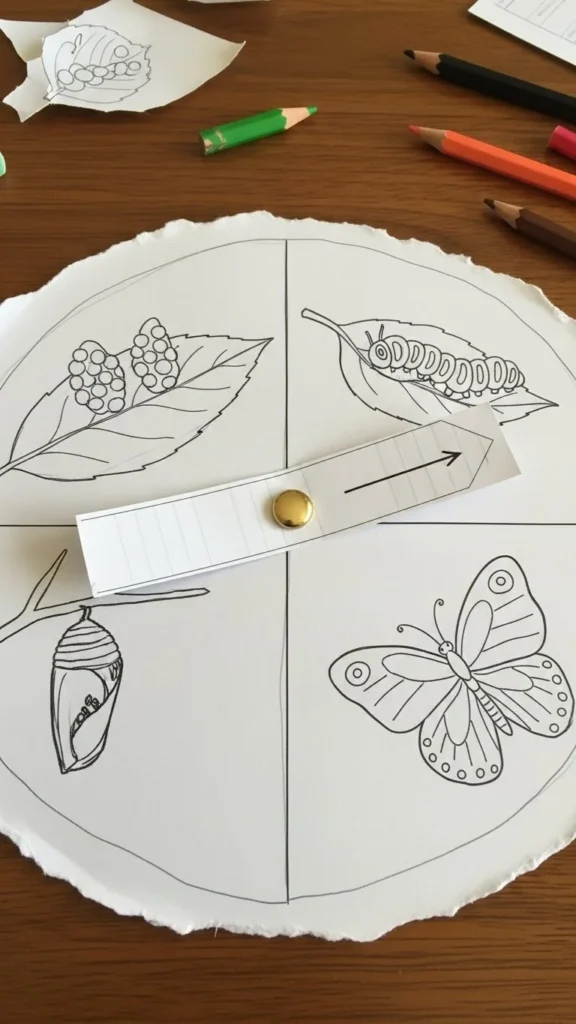
Cut a paper circle into sections. Draw each life stage. Attach with a brass fastener. Kids spin the wheel to review stages. Scrap paper works fine. Coloring is optional. This helps with sequencing and memory. Keep drawings basic and clear.
11. Rubber Band Car
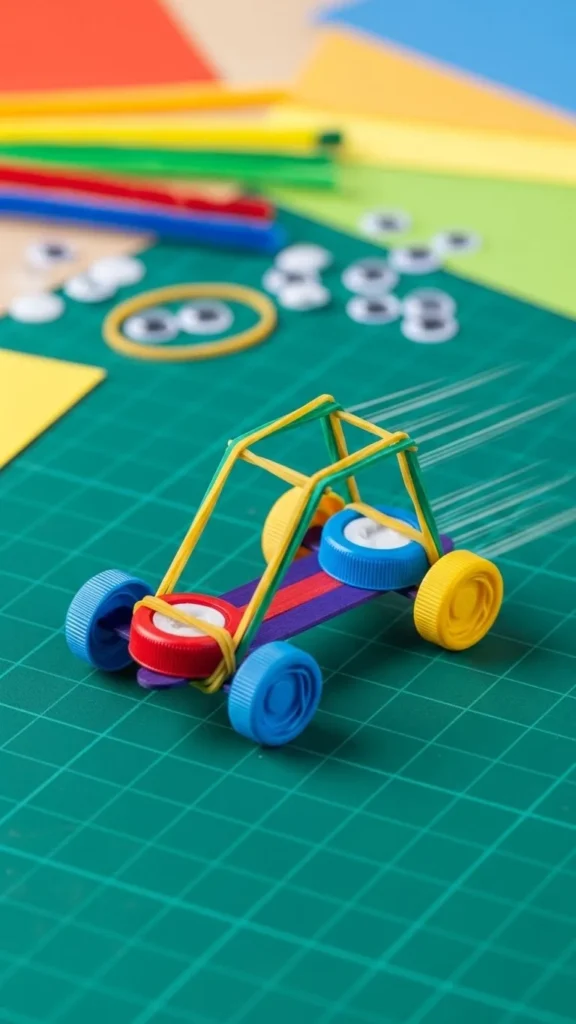
Build a small car from cardboard and bottle caps. Use a rubber band for power. Kids see stored energy in action. Use recyclables only. No kits needed. Test which car rolls farther. Change wheel size. Keep notes with drawings.
12. Water Cycle Bag Window

Add water to a zip bag. Tape it to a sunny window. Watch droplets form. This shows evaporation and condensation. Use washable marker for simple drawings. Reuse bags. Kids check changes daily. Great for slow learning over time.
13. Counting Petal Flowers
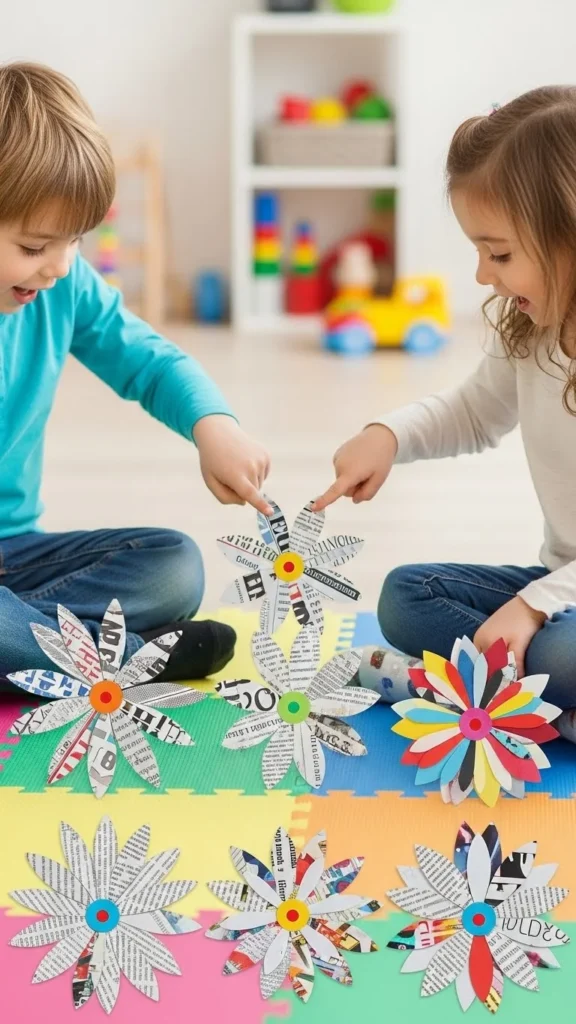
Cut paper flowers with different petal counts. Kids count and sort. Use scrap paper. Add glue dots for centers. This supports early math. Turn it into a game. Who finds the flower with the most petals?
14. Mini Greenhouse Bottle
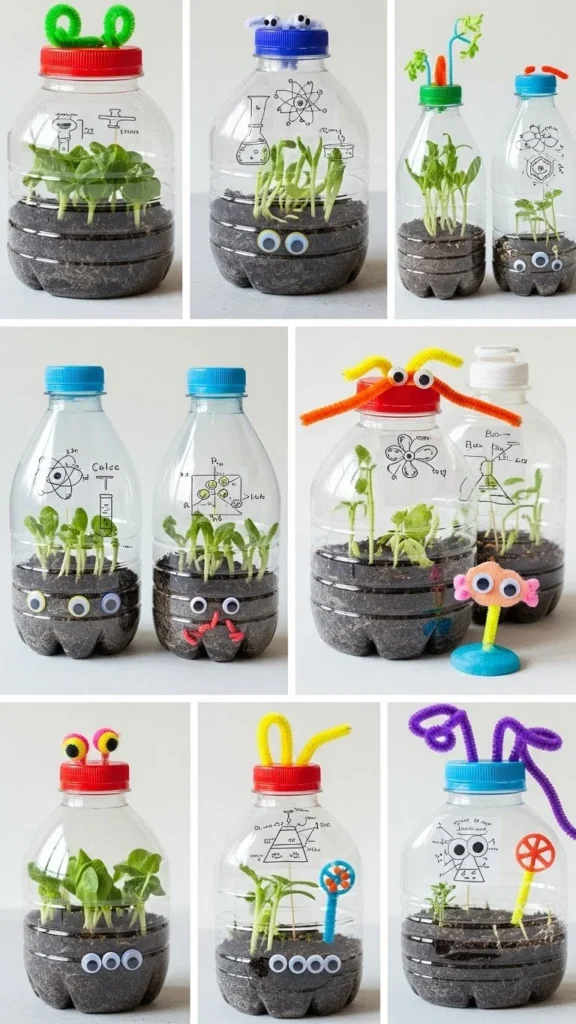
Cut a plastic bottle in half. Add soil and seeds. Close the top. Kids see trapped moisture. Bottles from drinks work well. Place near light. Watch growth daily. Simple and reusable.
15. Straw Tower Challenge
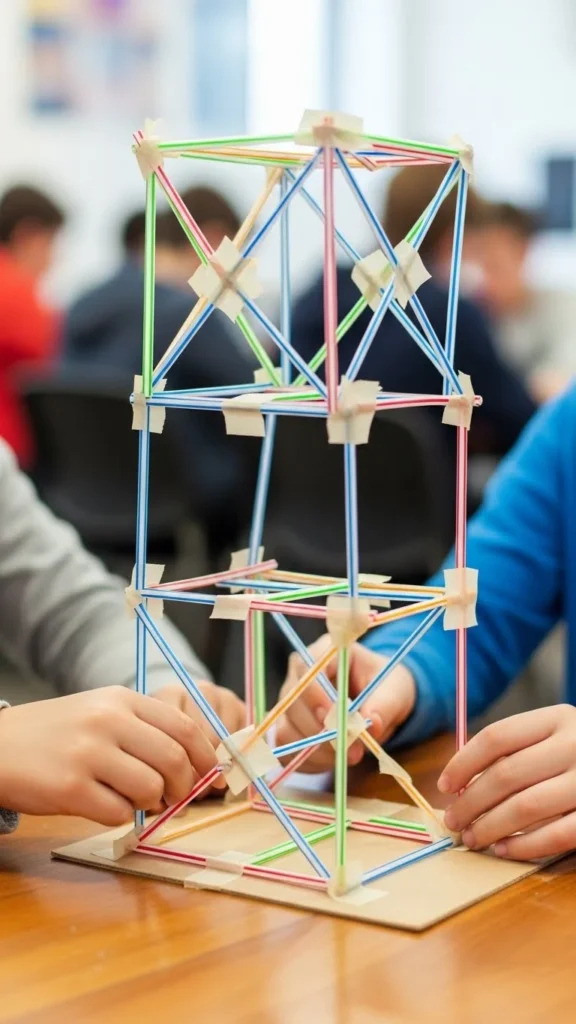
Use straws and tape. Build the tallest tower. Kids plan and adjust. Cheap straws work fine. Measure height with rulers or books. Encourage teamwork.
16. Spring Color Mixing Lab
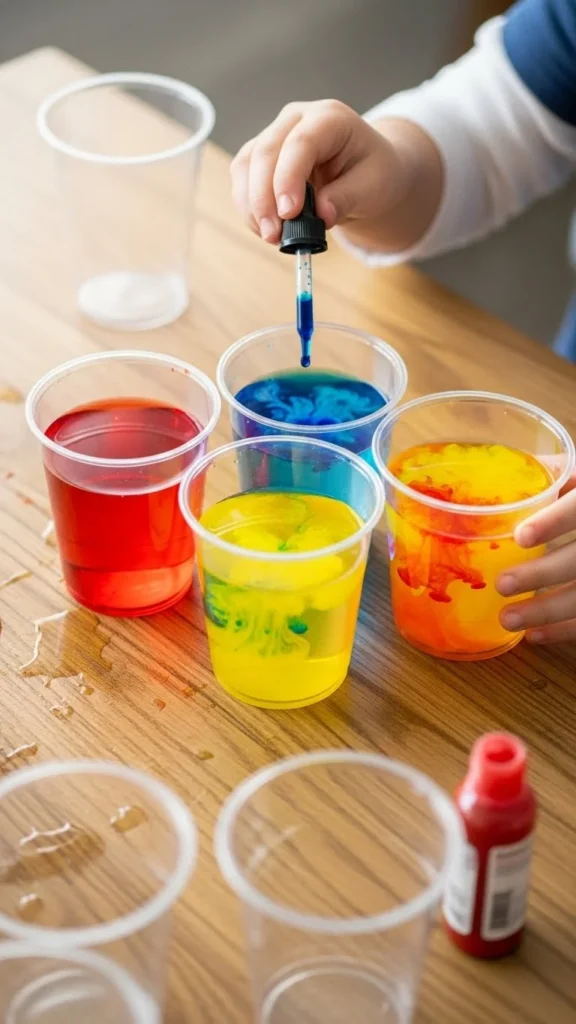
Mix primary colors using water and food coloring. Use clear cups.Kids predict outcomes. Use small drops to avoid waste.This builds early science and art skills together.
17. Bug Hotel Build
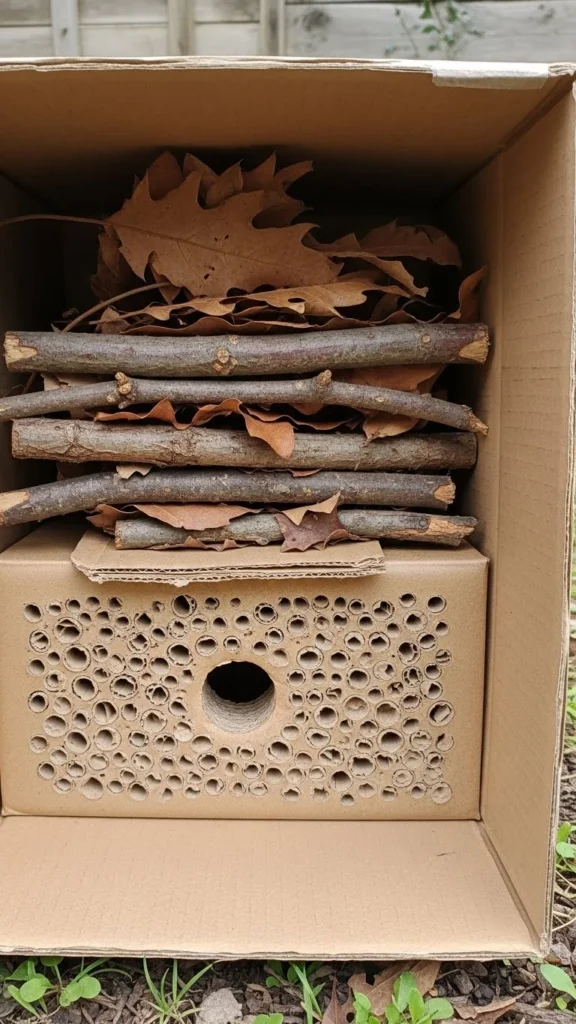
Stack sticks, leaves, and cardboard in a box. Place outside.Kids learn about habitats. Use yard materials only. Check weekly. Observe without touching.
18. Paper Kite Design
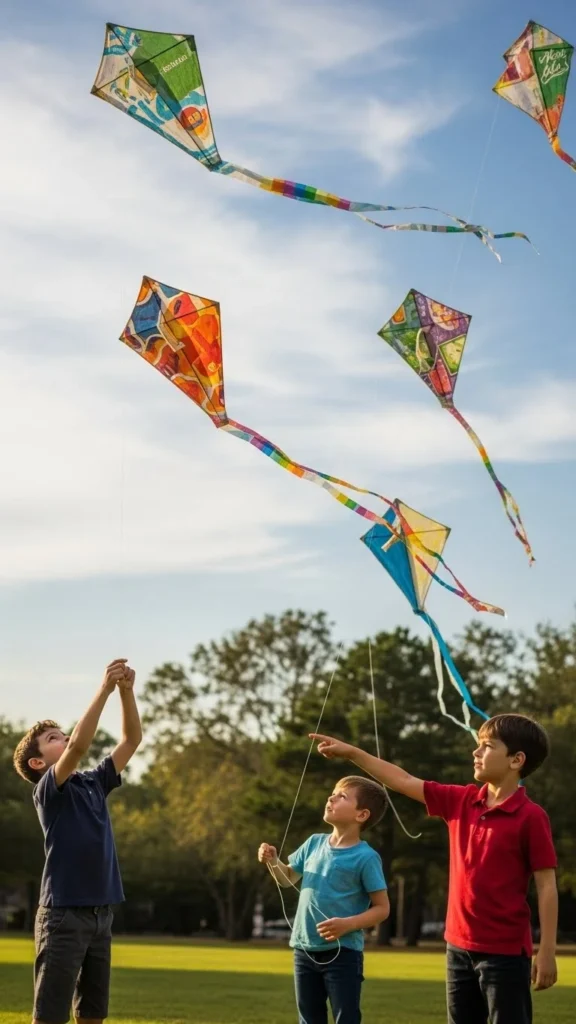
Create simple diamond kites with paper and string. Test outdoors. Kids see lift and balance. Use grocery bags.Adjust tails to test flight changes.
19. Seed Sorting Tray
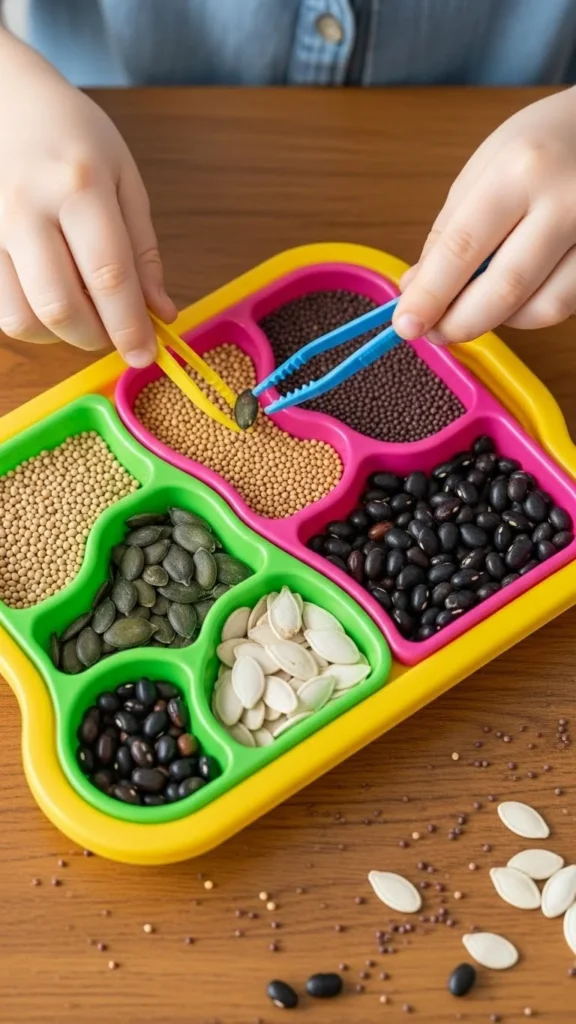
Sort seeds by size and shape. Use muffin tins. This builds observation and math skills. Use leftover seeds. Count and compare easily.
20. Floating Egg Salt Test
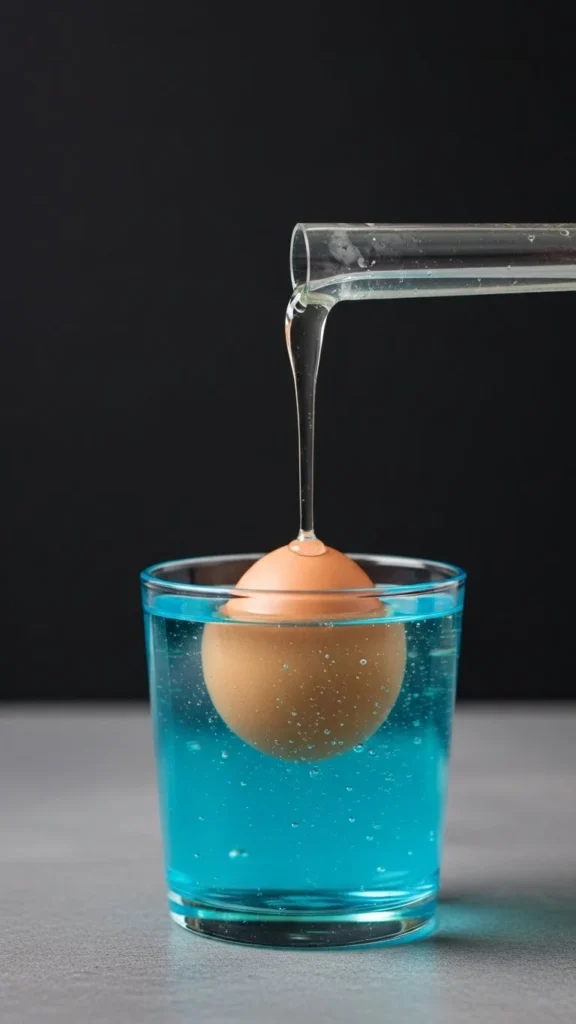
Fill a clear bowl with water. Gently place an egg inside. It sinks. Add salt one spoon at a time and stir. Watch the egg rise. Kids see how water changes. Talk about density using simple terms. Use kitchen salt and any bowl you own. No special tools needed.
Have kids count how many spoons it takes before the egg floats. Write guesses on paper. This keeps the activity hands-on and quick. Pour the water out when done and reuse the egg for cooking.
21. Nature Pattern Bracelets
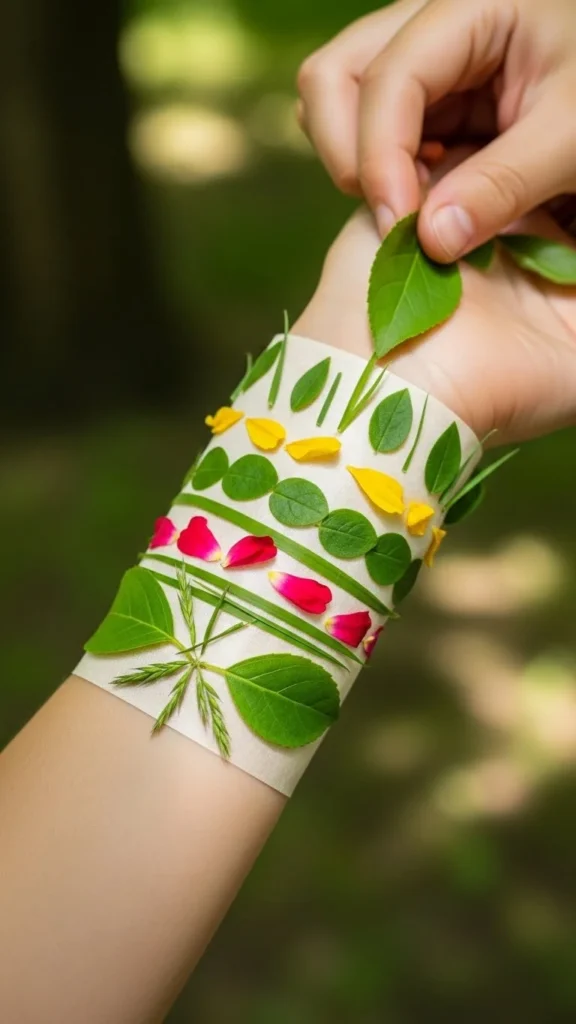
Wrap masking tape sticky-side out around a child’s wrist. Go outside and collect small natural items. Stick them on in patterns. Kids build repeating sequences using leaves, grass, or petals. This supports early math skills. Tape is low-cost and easy to remove. Ask kids to explain their pattern aloud. Take photos before removing the bracelet. Cleanup takes seconds and nothing goes to waste.
22. Paper Airplane Distance Test
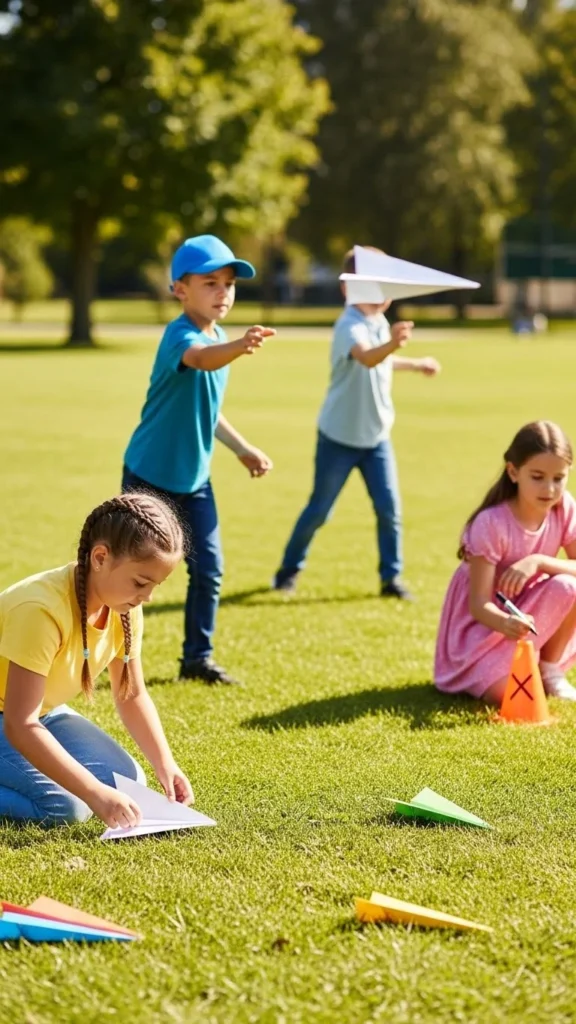
Fold simple paper airplanes. Test them indoors or outside. Mark where each one lands.
Kids compare distance and shape. Use scrap paper or old flyers. No measuring tape needed. Count floor tiles or steps instead. Change one fold at a time. Test again. This shows how small changes affect results. Keep it playful and short.
23. Spring Sound Shakers
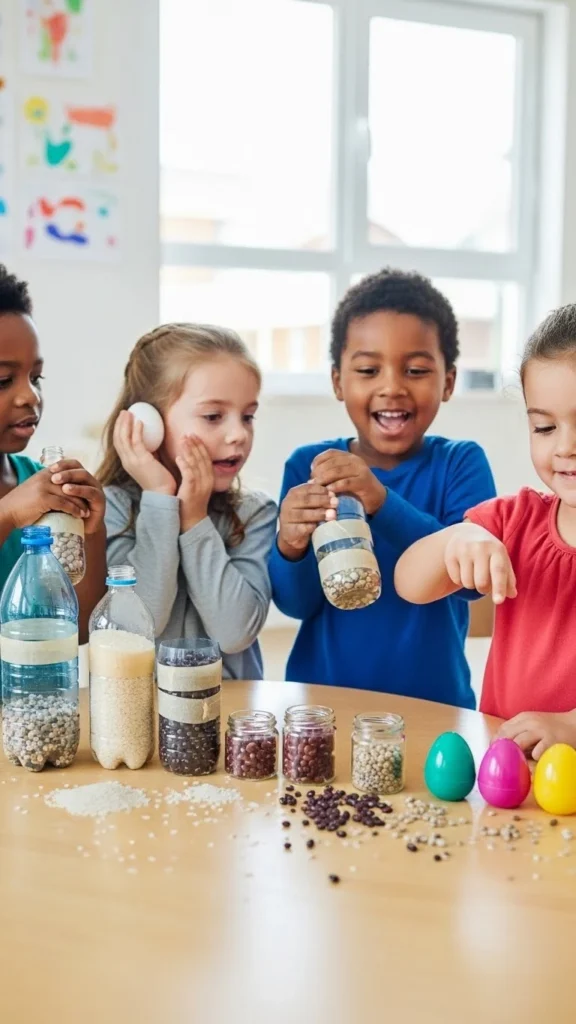
Fill small containers with rice, beans, or pebbles. Seal with tape. Shake and listen.
Kids compare sounds and volume. Use empty bottles or plastic eggs. All fillers can come from the pantry. Line the shakers up from quiet to loud. Talk about why they sound different. This blends science with listening skills.
24. Walking Water Color Bridge
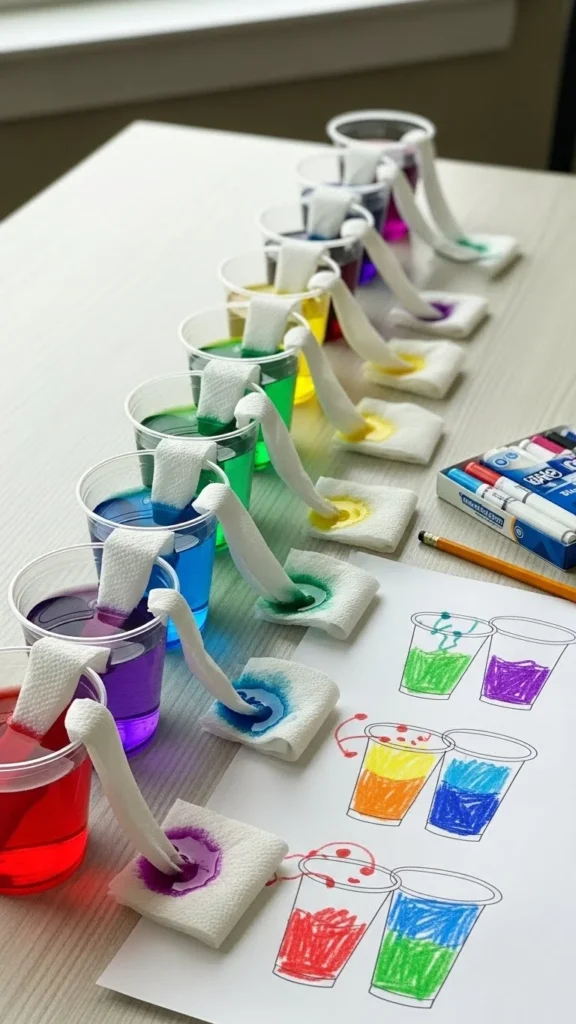
Place cups in a row. Fill every other cup with colored water. Connect cups using folded paper towels. Kids watch water travel and mix colors. Use washable coloring. Reuse cups afterward.
Check changes after an hour. Draw results on paper. This works well on a table or windowsill.
25. Cardboard Ramp Roll Test
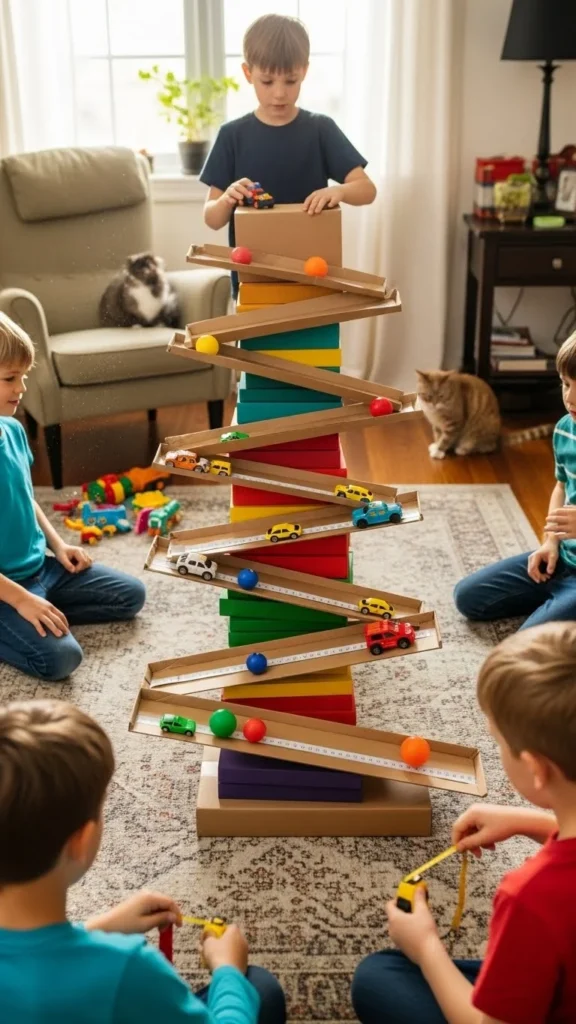
Prop cardboard on books to form a ramp. Roll balls or toy cars down.
Kids test speed and distance. Use boxes from deliveries. No tape required.
Change ramp height. Ask which object moves fastest. Simple trials turn play into learning.
26. Flower Petal Symmetry Art
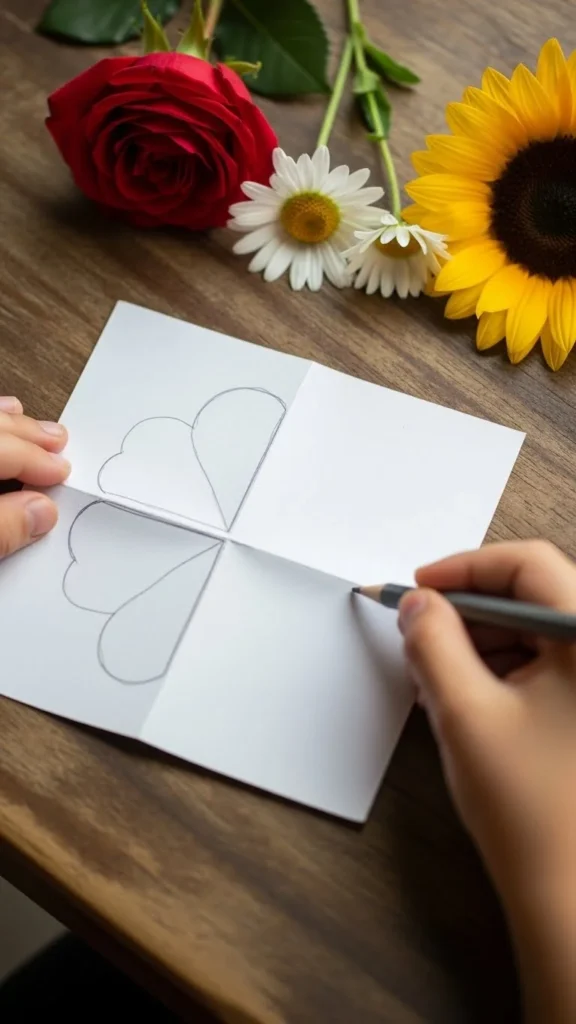
Fold paper in half. Draw half a flower shape. Cut and open.
Kids see symmetry in nature. Use scrap paper and pencils only.
Compare shapes with real flowers. Count matching sides. This keeps math visual and hands-on.
27. DIY Weather Wheel
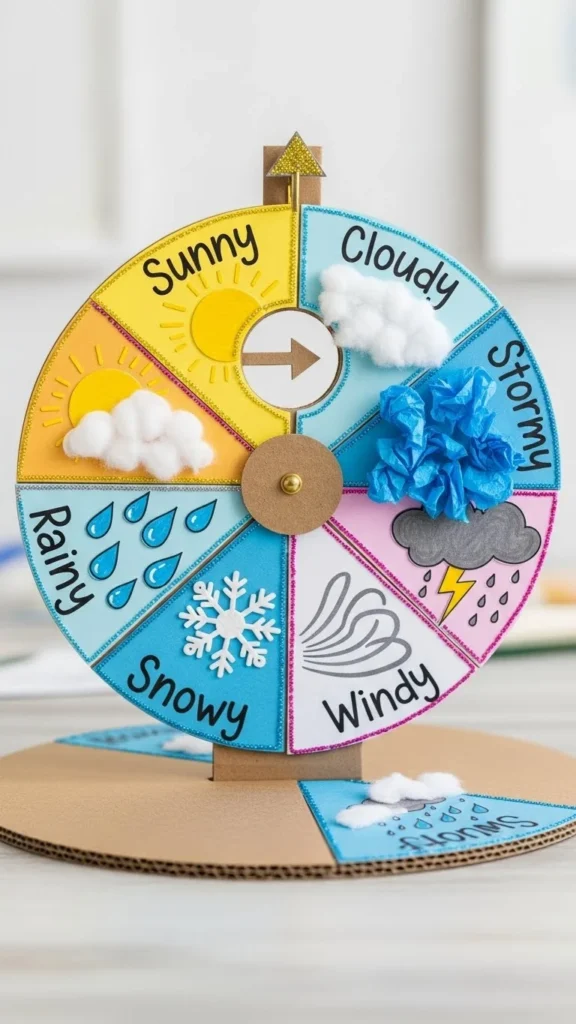
Create a spinner with paper circles. Draw simple weather pictures. Attach with a fastener.
Kids track daily weather. Use recycled paper. Crayons work fine.
Spin the wheel each morning. This builds routine and observation without screens.
28. Spring Balance Scale
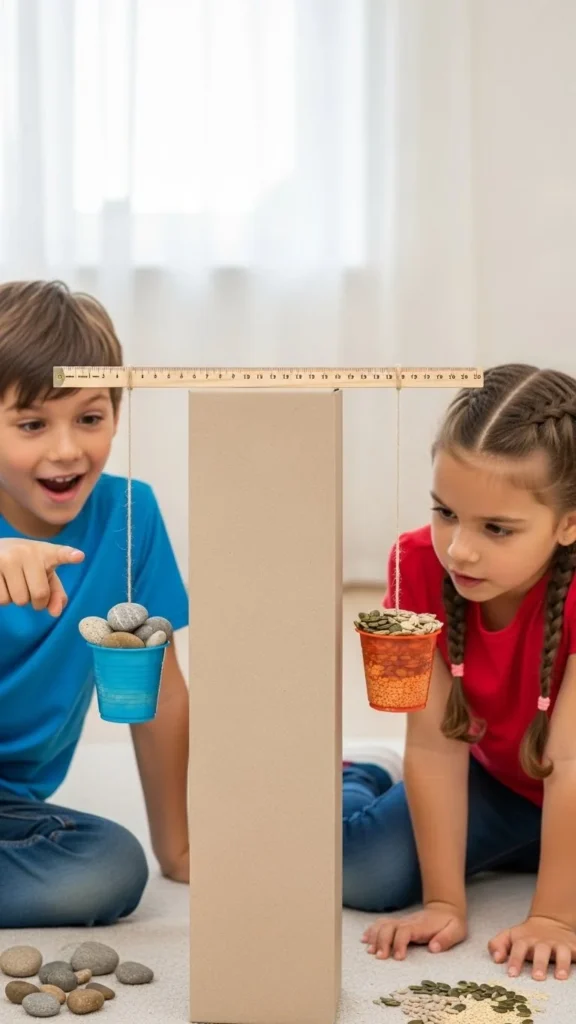
Hang two cups from a ruler using string. Balance it on a box.
Kids compare weight using small objects like rocks or seeds. All materials are easy to find.
Ask which side goes down and why. Switch items often. This introduces basic comparison through play.
29. Cup Stacking Physics
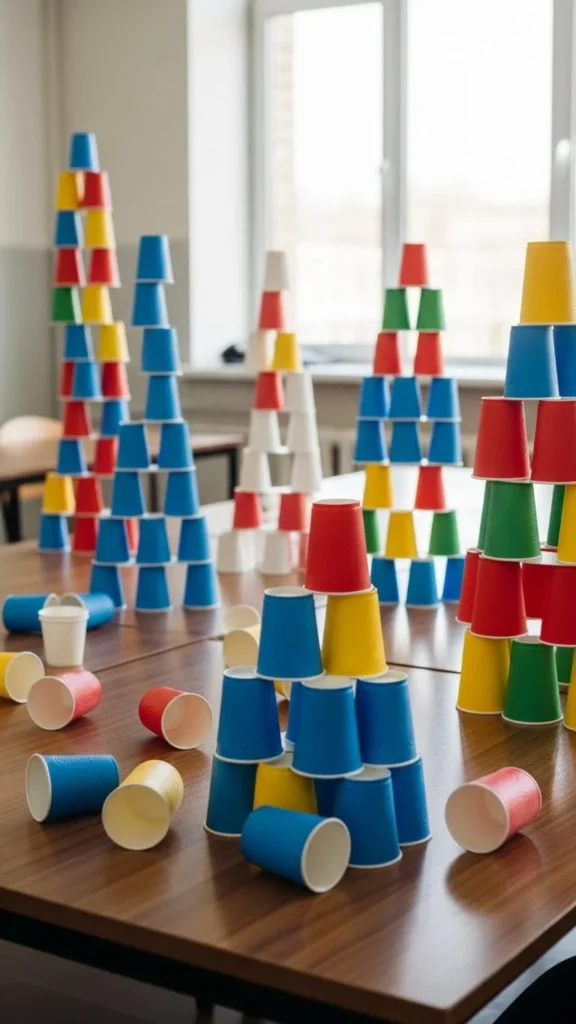
Use disposable cups to build towers of different shapes and heights. Test how high they can go before toppling. Kids learn balance, stability, and problem solving. Use paper or plastic cups from home. No special tools are needed.
Try changing the base or stacking style. Measure tower height with a ruler or count layers. This hands-on activity is quick to set up, easy to reset, and teaches physics through playful trial and error.
Conclusion
These spring STEM crafts turn simple supplies into real learning moments. Each activity supports curiosity through action, not lectures. Kids measure, build, test, and observe using items already at home. Try one project or rotate a new craft each week. Small steps like these help learning feel natural, playful, and doable all season long.

Lily Summers is a digital artist and creative storyteller who loves bringing colorful characters to life. With a passion for cartoons, fan art, and playful sketches, she inspires others to explore their imagination through art. When she’s not sketching, you’ll find her dreaming up new ideas for CraftedWizard.com to spark creativity in every artist. 🌈✨