
Spring is the season when curiosity shows up naturally. Kids notice bugs, rain, plants, and color everywhere they look. Hands-on science crafts turn those everyday moments into playful learning without pressure. These activities use common supplies, simple steps, and plenty of room for trial and error. Each idea below mixes creativity with real-world science while staying affordable and easy to set up at home or in a classroom.
Quick Outline of Activities
- Color-changing reactions
- Nature-based experiments
- Simple physics play
- Weather and water exploration
- Plant and earth science crafts

1. Rainbow Baking Soda Reactions
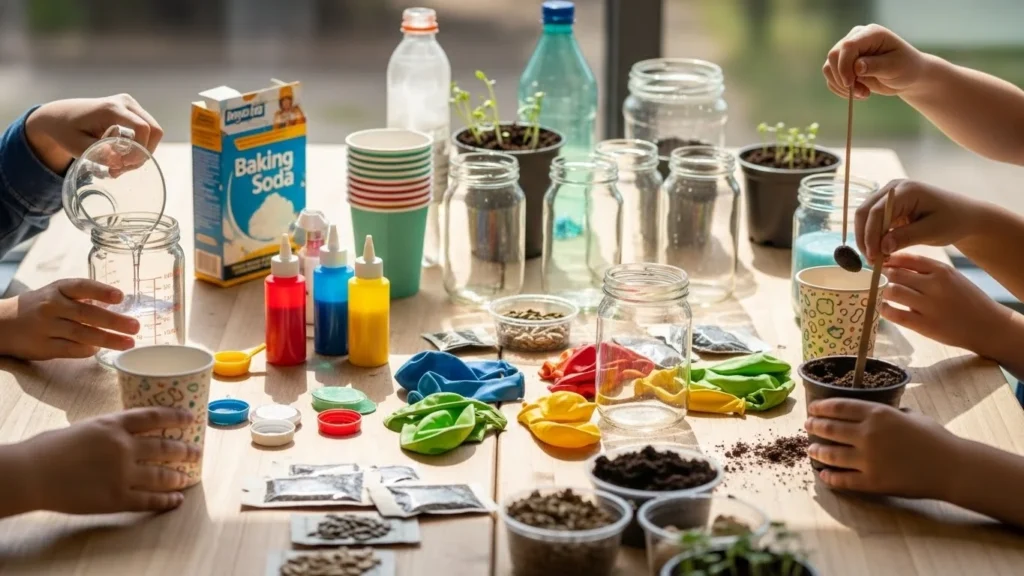
This classic activity feels like magic, yet it uses items already in most kitchens. Fill a muffin tray with baking soda. Add drops of food coloring. Hand kids a small cup of vinegar and let them pour slowly. The fizzing reaction grabs attention right away. Talk casually about gases and movement without long explanations. Kids learn by watching and repeating. For a budget tip, reuse old food coloring bottles and buy baking soda in bulk. Add pipettes or spoons for fine motor practice. You can also freeze colored vinegar into ice cubes for a slower reaction. This craft works well outdoors to reduce cleanup stress. Encourage kids to guess what happens before pouring. There’s no right answer needed. The joy comes from seeing cause and effect in real time. Keep paper towels nearby and let kids handle most of the work. That hands-on control builds confidence naturally.

2. DIY Soil Layer Jar
Grab a clear jar and head outside for this earth science craft. Collect soil, sand, pebbles, and small rocks. Layer them slowly inside the jar. Add a bit of water to show how moisture moves. Kids can see how the ground holds different materials. This works well after a walk or garden time. Use recycled jars to save money. Old pasta sauce jars are perfect. Ask kids where plants grow best and why. Let them shake the jar gently and watch layers shift. This shows erosion in a simple way. You don’t need fancy labels or tools. A spoon works fine. Keep explanations short and visual. This craft fits well with planting activities later in the week. Kids remember what they build with their own hands.

3. Paper Windmill Physics
Paper windmills are easy to make and fun to test outside. Use scrap paper, a pin, and a pencil with an eraser. Kids decorate their paper before folding and assembling. Once finished, step outside and let the wind do the work. This craft introduces motion and air flow in a playful way. If there’s no wind, kids can blow gently or run. Use recycled paper to keep costs low. Talk about what makes the wheel spin faster or slower. Change blade sizes and test again. Short trials keep kids engaged. This activity pairs well with weather discussions during spring. It also encourages movement, which helps restless learners focus better afterward.
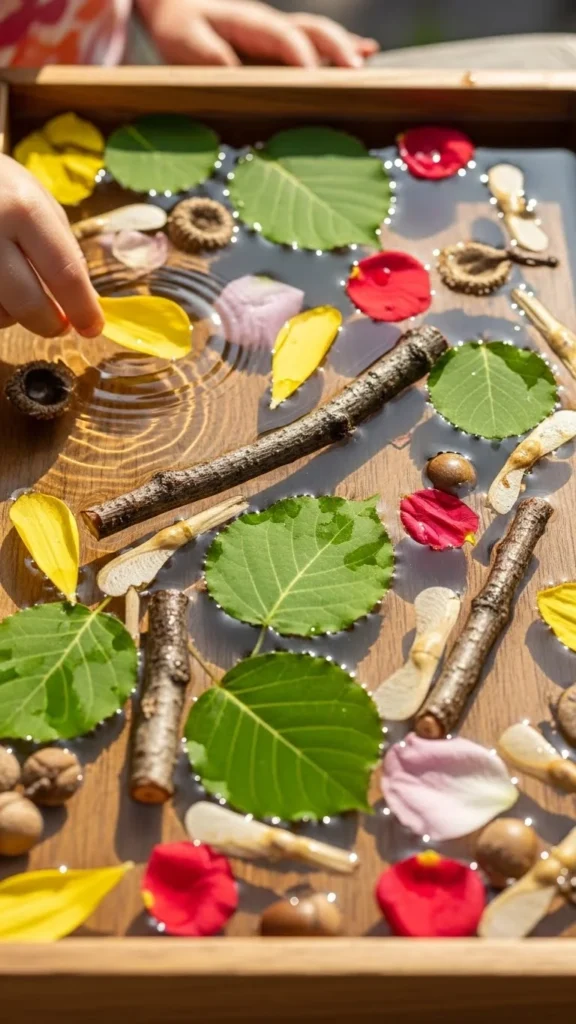
4. Floating Nature Test
Fill a shallow tray with water and collect natural items from outside. Leaves, petals, twigs, and seeds all work well. Let kids place items on the water and observe what floats or sinks. No charts needed. Simple observation is enough. This craft costs nothing and sets up fast. Ask kids to sort items by results. Try again after soaking pieces. Changes spark conversation. Keep towels nearby for spills. This works well on patios or kitchen floors. Kids enjoy guessing outcomes and testing ideas right away. That repetition helps concepts stick without pressure.
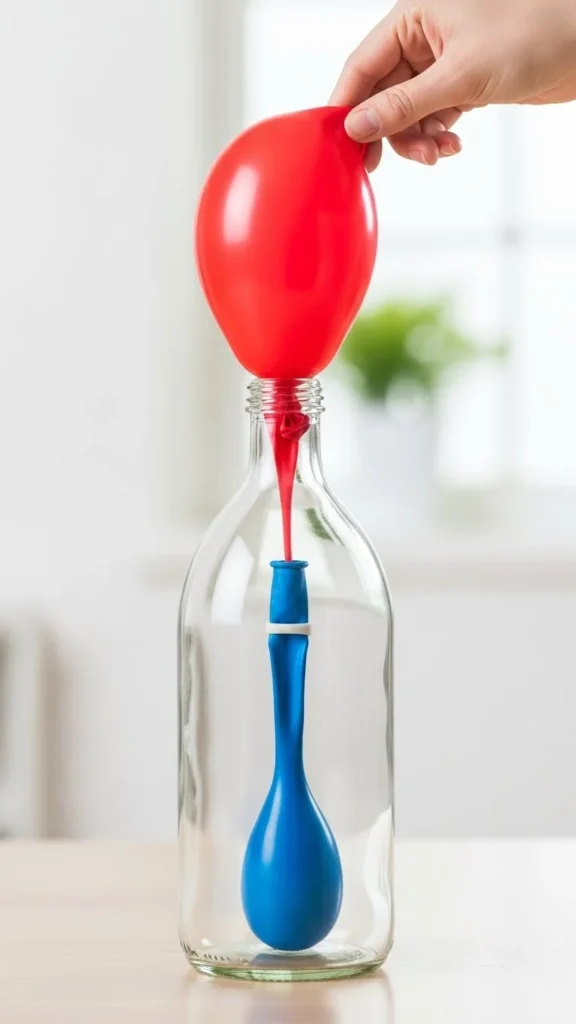
5. Balloon Lung Model
This simple model shows how breathing works using a bottle, balloons, and scissors. Cut the bottom off a plastic bottle. Stretch a balloon over the open end. Place another balloon inside attached to the bottle neck. Pull the bottom balloon gently to see the inside balloon move. Kids love the motion. Use recycled bottles to save money. Keep explanations light and visual. Let kids take turns pulling and releasing. This craft works well for older kids with supervision. It sparks body awareness without long talks. Store the model for repeat use during health units.
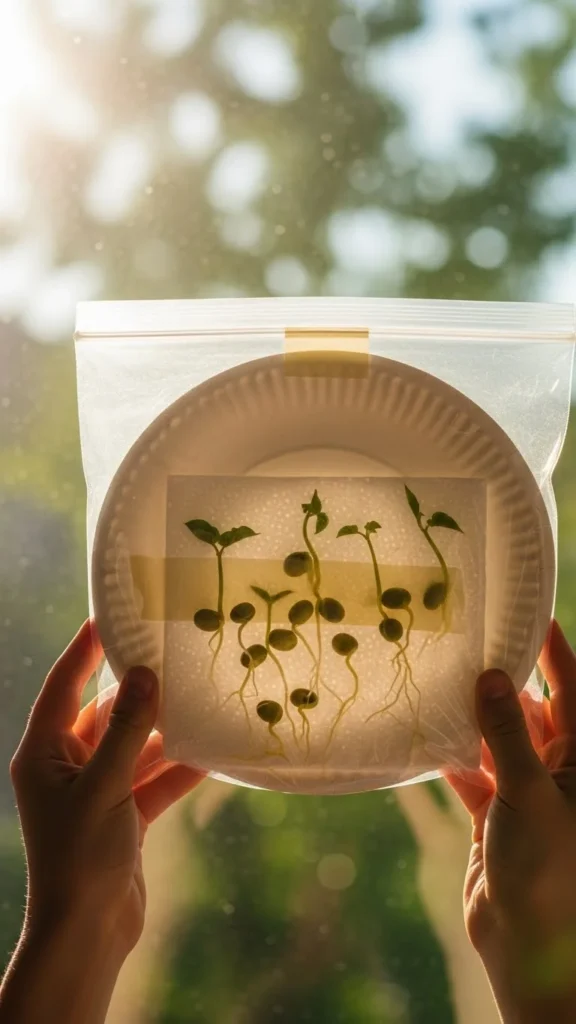
6. Seed Sprouting Window Bags
Place damp paper towels and seeds inside a clear plastic bag. Tape it to a sunny window. Kids watch roots and shoots appear over days. This craft builds patience and routine. Use dried beans from the pantry to keep costs low. No soil needed. Kids draw what they see each day on scrap paper. Short check-ins work best. This project fits well into morning routines. It also connects nicely with garden planning later in spring.
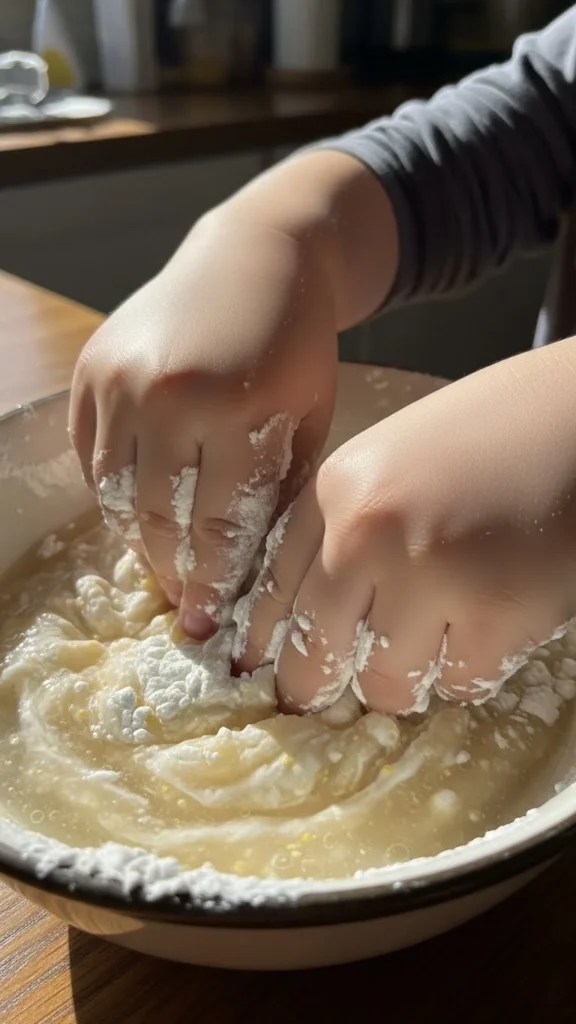
7. Oobleck Texture Play
Mix cornstarch and water to create a strange material that feels solid and liquid. Kids squeeze it into balls and watch it drip. This craft supports sensory learning and observation. Cornstarch is cheap and easy to clean. Add food coloring if desired. Keep bowls small to reduce waste. Let kids describe what they feel rather than giving labels. This open-ended play helps kids trust their senses. Cover the table with newspaper for easy cleanup.
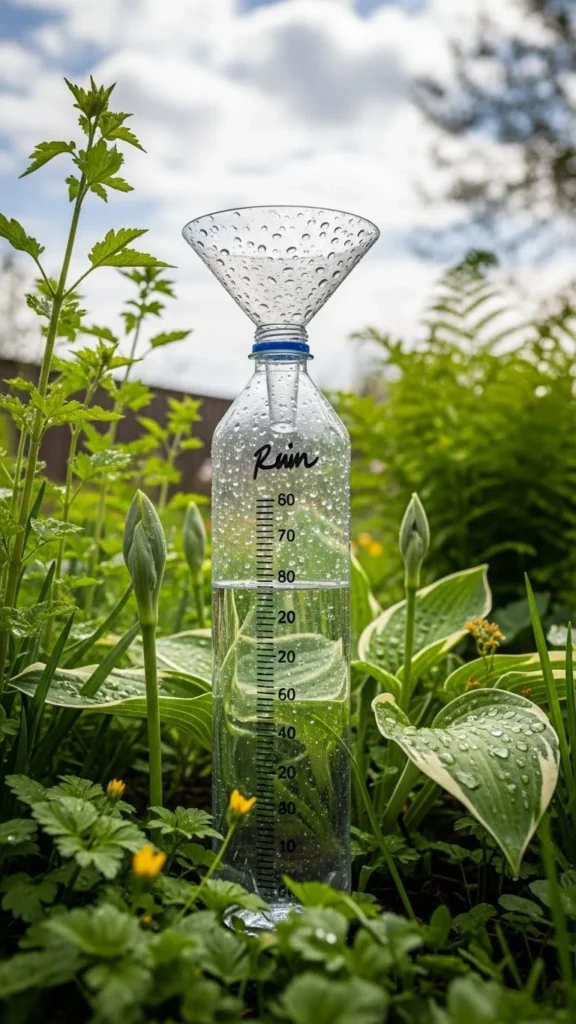
8. Simple Rain Gauge
Cut the top off a plastic bottle and invert it inside the base. Mark lines with tape or marker. Place it outside during rain. Kids check water levels after storms. This craft builds weather awareness. Use recycled bottles to keep it free. Compare rainy days over a week. Keep notes simple. Even drawings work. This activity pairs well with spring weather talks. Kids enjoy checking results after each rainfall.
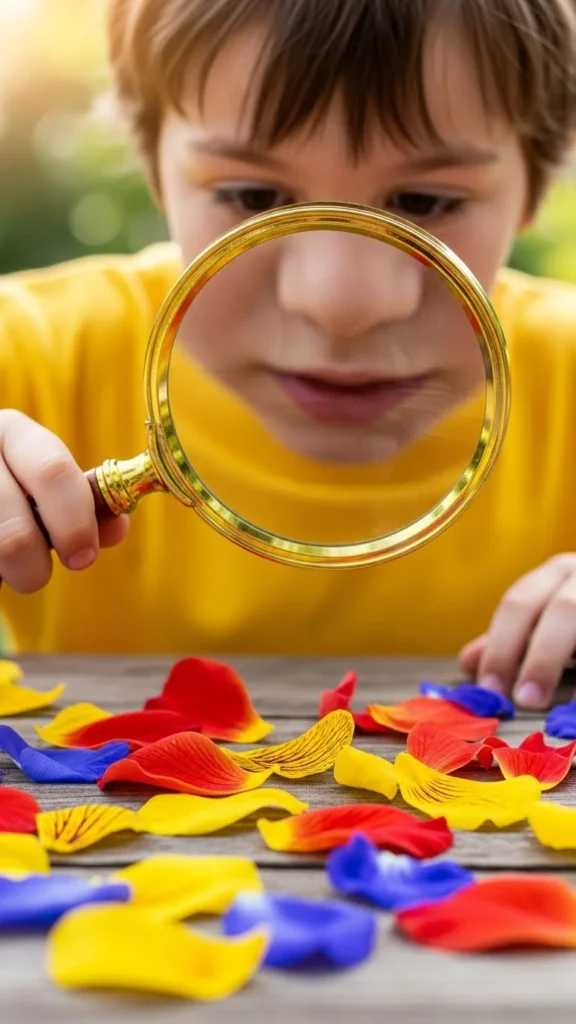
9. Flower Part Discovery
Collect a few flowers from the yard or market. Use magnifying glasses to look closely. Kids notice petals, stems, and centers. No cutting required for younger kids. Older kids can gently take flowers apart. This craft builds observation skills. Use affordable flowers or weeds. Ask kids what parts attract insects. Keep the tone curious. This works well after outdoor play when attention is already high.
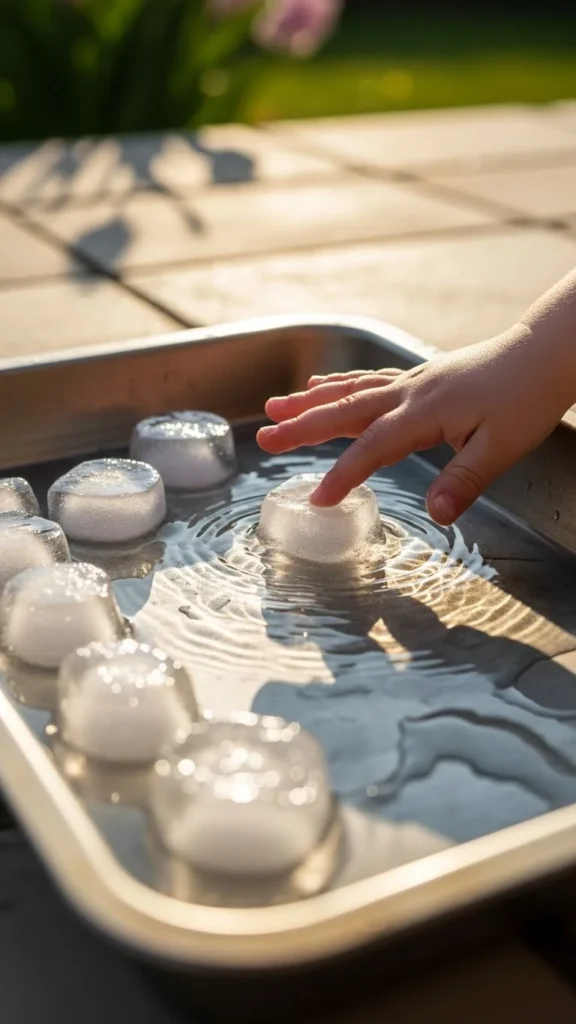
10. Melting Ice Race
Freeze ice cubes in different sizes. Place them on a tray outside. Kids watch which melts first. This craft shows temperature effects in a clear way. Add salt to one cube to change results. Ice is cheap and reusable. Kids enjoy timing melts with simple counting. Keep sessions short. This works well on warm spring days and leads to good questions naturally.
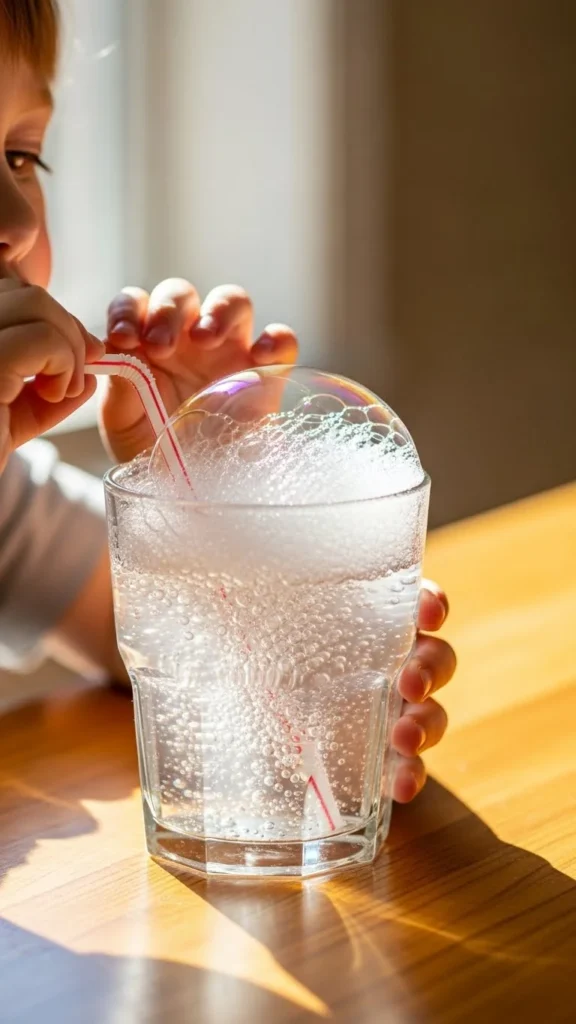
11. Bubble Shape Study
Mix dish soap and water in cups. Give kids straws or bubble wands. Let them blow bubbles and watch shapes form. Use cookie cutters to test frames. This craft shows surface tension without heavy talk. Soap is low-cost and easy to find. Encourage gentle blowing. This activity feels playful while teaching observation and control.

12. Cardboard Ramp Experiments
Use boxes and books to build ramps. Roll toy cars or balls down. Change angles and heights. Kids see speed changes right away. This craft uses recycled materials. No measuring tools needed. Let kids rebuild freely. Short tests keep interest high. This fits well with problem-solving play during rainy spring days.
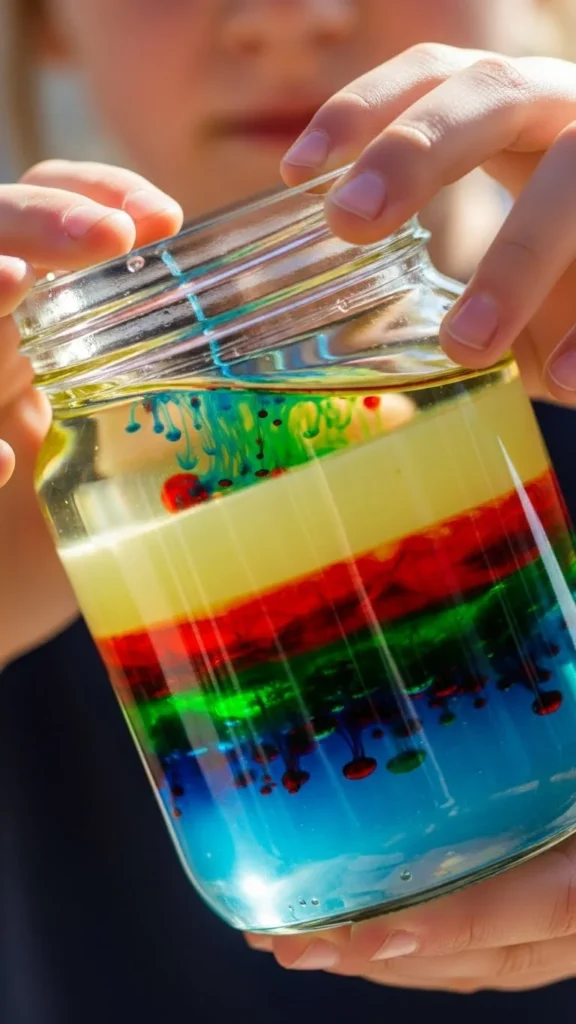
13. Oil and Water Jar
Fill a jar with water and add oil. Drop in food coloring. Kids see separation clearly. This craft uses pantry items and takes minutes to set up. Shake gently and watch layers form again. Ask kids what they notice. No long explanations needed. Reuse the jar later. This activity works well for quick science breaks.
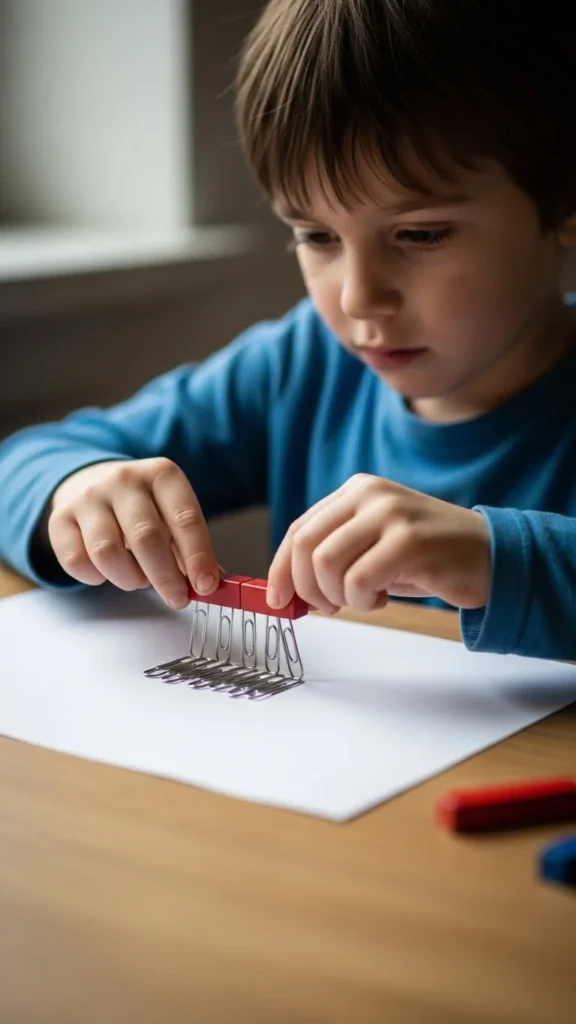
14. Magnet Search Game
Hide paper clips under paper or cardboard. Give kids magnets to find them. This craft builds curiosity through movement. Magnets are affordable and reusable. Change paper thickness to test strength. Kids enjoy the surprise factor. This game works well in small spaces and short time blocks.
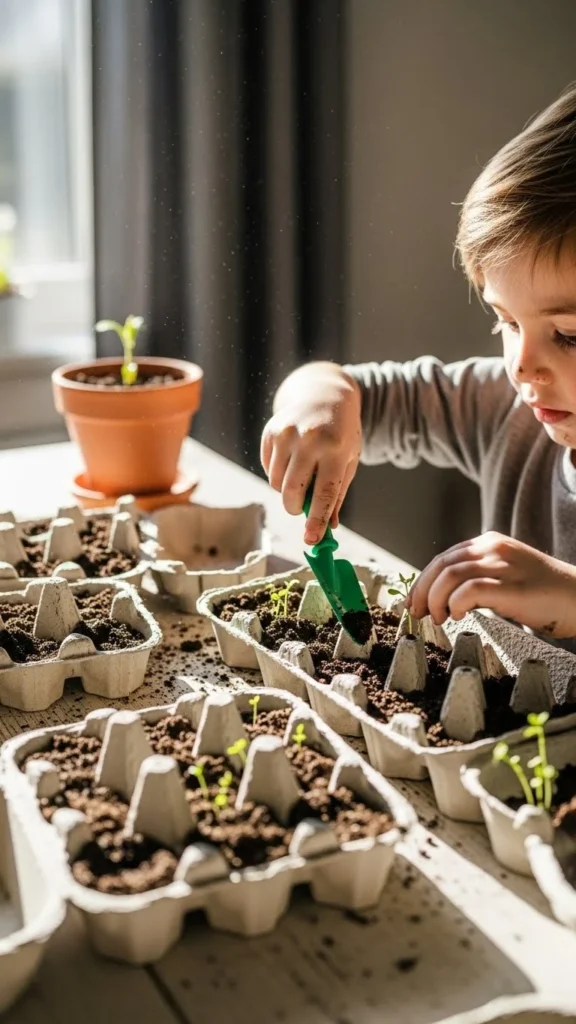
15. Egg Carton Seed Starters
Use empty egg cartons as planters. Fill with soil and seeds. Kids water gently and watch growth. This craft reuses materials and saves money. Label sections with drawings instead of words if needed. Transplant later into gardens or pots. Kids feel proud watching plants grow from start to finish.
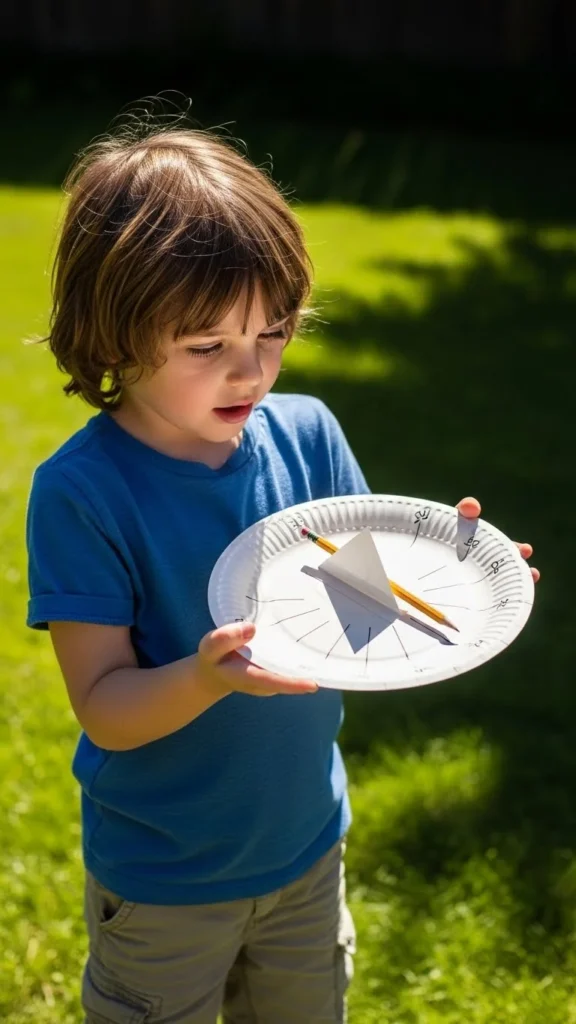
16. Paper Sundial Play
Stick a pencil through a paper plate. Place it outside in sunlight. Kids watch shadows move. This craft introduces time and light in a simple way. Paper plates are cheap and easy. Check shadows at different times. Keep notes visual. This works best on clear spring days.
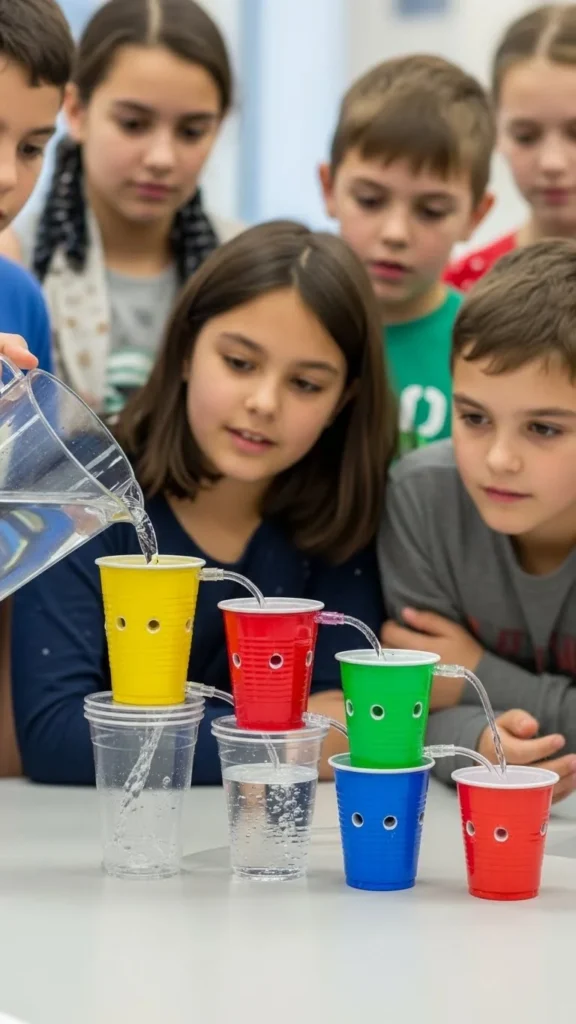
17. Water Flow Cups
Poke small holes in plastic cups and connect them. Pour water and watch it travel. Kids see flow and gravity at work. Use recycled cups to save money. Try different hole sizes. Short trials keep excitement up. This activity works well outdoors.
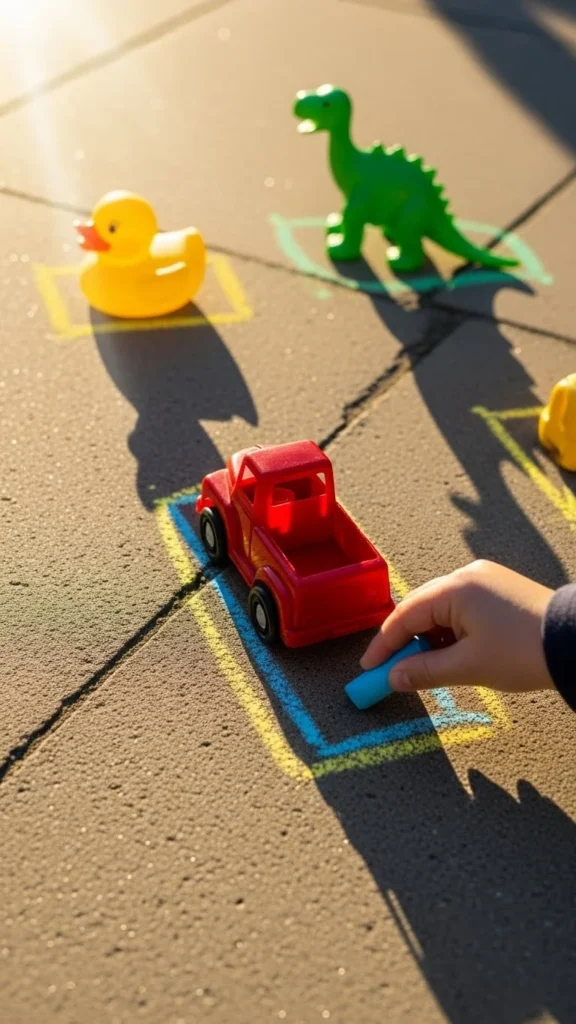
18. Shadow Size Test
Place toys in sunlight and trace shadows with chalk. Move objects closer or farther from light. Kids see changes clearly. Chalk is inexpensive and washable. This craft blends art and science smoothly. It works well on sidewalks or patios.
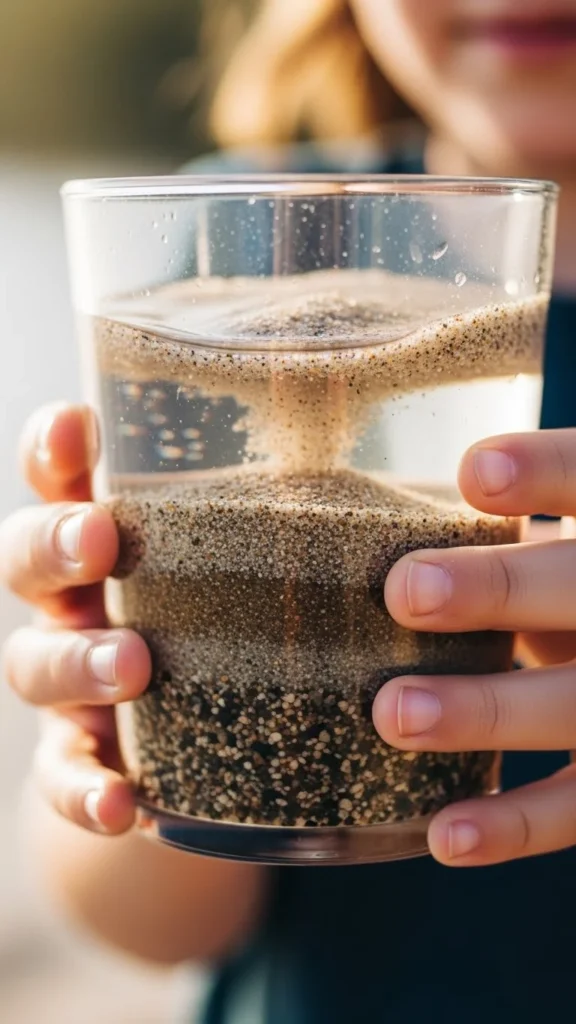
19. Settling Sand Jars
Mix sand and water in a jar. Shake and let it rest. Kids watch particles settle. This craft shows gravity in action. Sand is easy to collect outside. Reuse jars often. Keep explanations short. Observation does the teaching here.
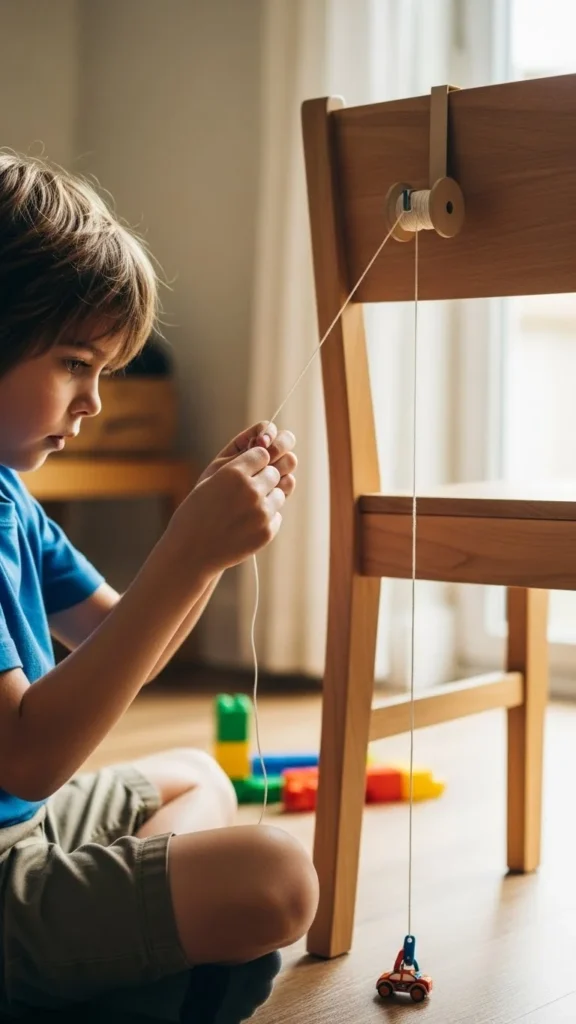
20. Simple Pulley Lift
Tie string over a spool or rod. Attach a small cup. Kids lift light items by pulling string. This craft uses household items and teaches motion through play. Keep loads light. Let kids test different weights. This works well for older kids with guidance.
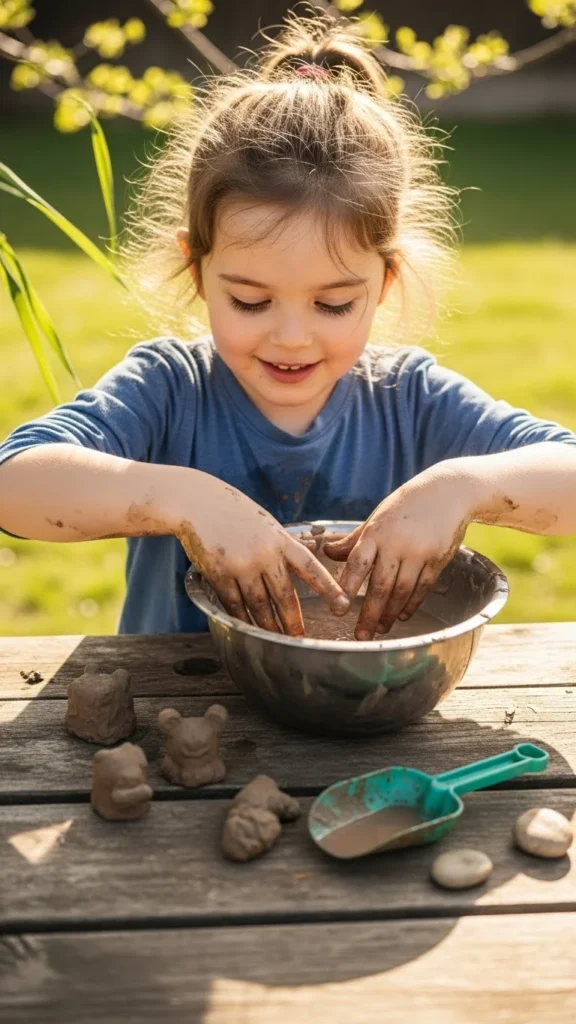
21. Mud Texture Lab
Mix soil and water to create mud. Kids touch, squeeze, and shape it. This craft builds sensory awareness and observation. Soil is free and easy to find. Add small stones or leaves for variety. Keep cleanup simple with a hose or bucket. Kids learn through hands-on contact.
Conclusion
Hands-on spring science crafts give kids a reason to explore what’s around them using simple tools and everyday items. These activities fit real homes, real budgets, and real attention spans. By keeping steps short and materials familiar, kids stay relaxed and curious. Try one or two projects each week and let kids lead the pace. Small moments of play often lead to the biggest learning gains.

Lily Summers is a digital artist and creative storyteller who loves bringing colorful characters to life. With a passion for cartoons, fan art, and playful sketches, she inspires others to explore their imagination through art. When she’s not sketching, you’ll find her dreaming up new ideas for CraftedWizard.com to spark creativity in every artist. 🌈✨