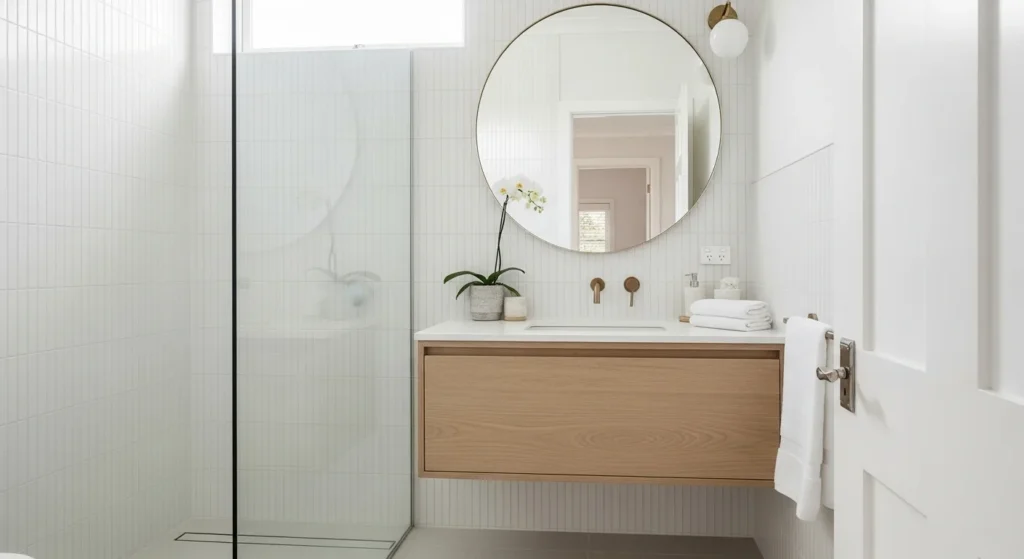
Small bathrooms feel cramped when visual clutter and heavy elements take over. Most design solutions that work are not about adding more, but about removing visual weight and guiding the eye. Light colors, reflective surfaces, vertical lines, and smart storage tricks can make even the smallest bathroom feel open and breathable. These 25 ideas focus on affordable, realistic changes that create the illusion of space without major remodeling.
1. Oversized Mirror Wall
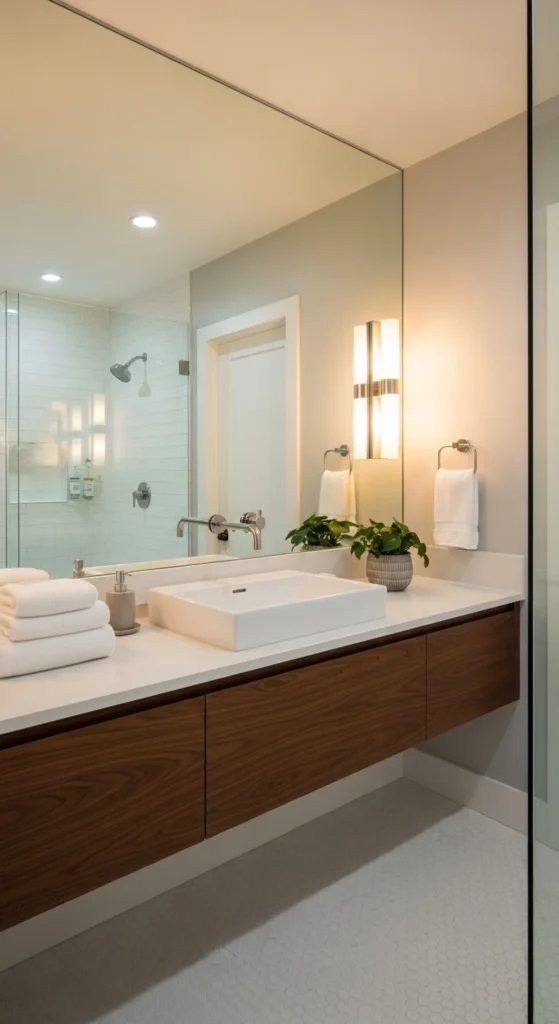
A large mirror doubles the perceived depth of a small bathroom by reflecting light and space. Wall-to-wall or floor-to-ceiling mirrors work especially well above compact vanities. Thin or frameless designs keep the look light. This single change can make the room feel almost twice as wide.
2. All-White Wall Palette
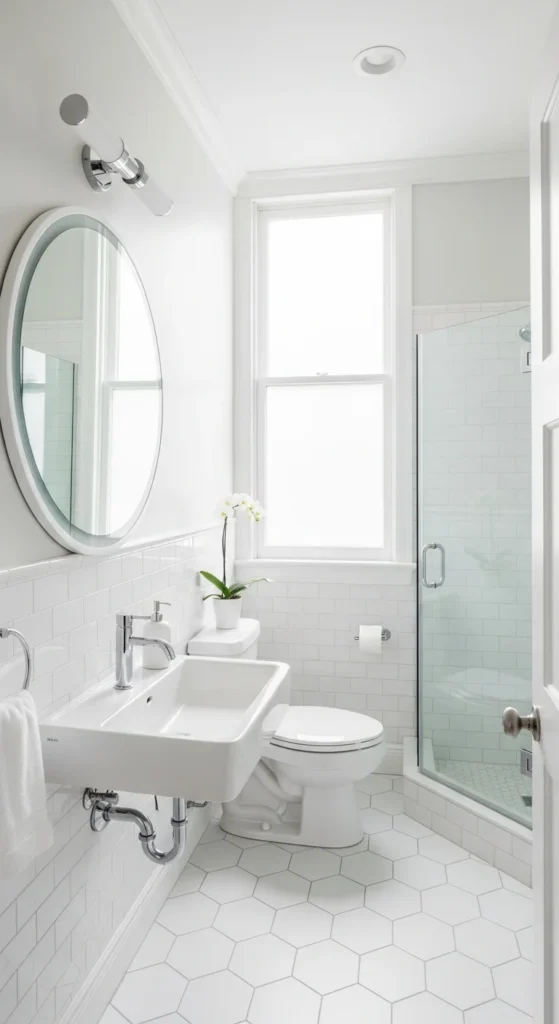
White walls reflect light better than darker shades, making small bathrooms feel open. Using the same color on walls, trim, and ceiling removes visual breaks. Soft whites and warm creams prevent the space from feeling cold. This approach works well in both modern and classic bathrooms.
3. Light Pastel Color Scheme
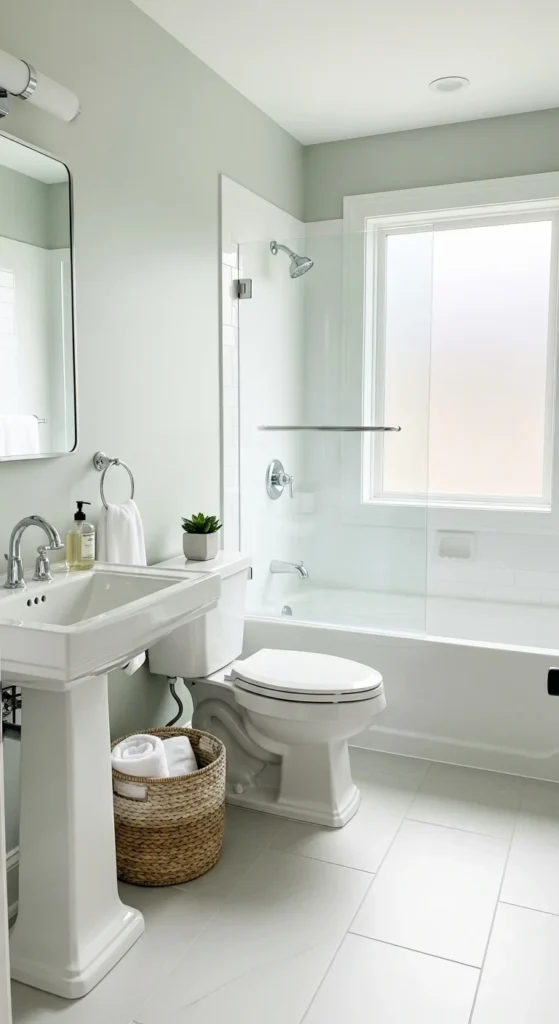
Pastels like sage, pale blue, or blush add color without closing in the room. These shades reflect light while still adding personality. Keep finishes consistent so the color feels calm rather than busy. Pair with white fixtures for balance.
4. Large-Format Wall Tiles
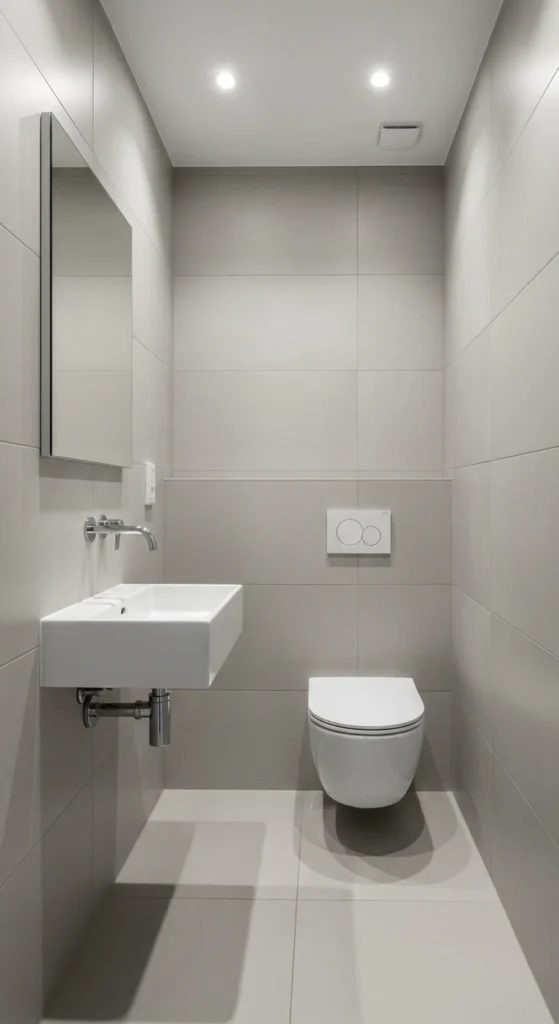
Large tiles reduce the number of grout lines, which helps walls read as one continuous surface. Fewer breaks mean the room feels larger and calmer. Light-colored tiles enhance this effect. Use them on shower walls or behind the vanity for best impact.
5. Vertical Tile Patterns
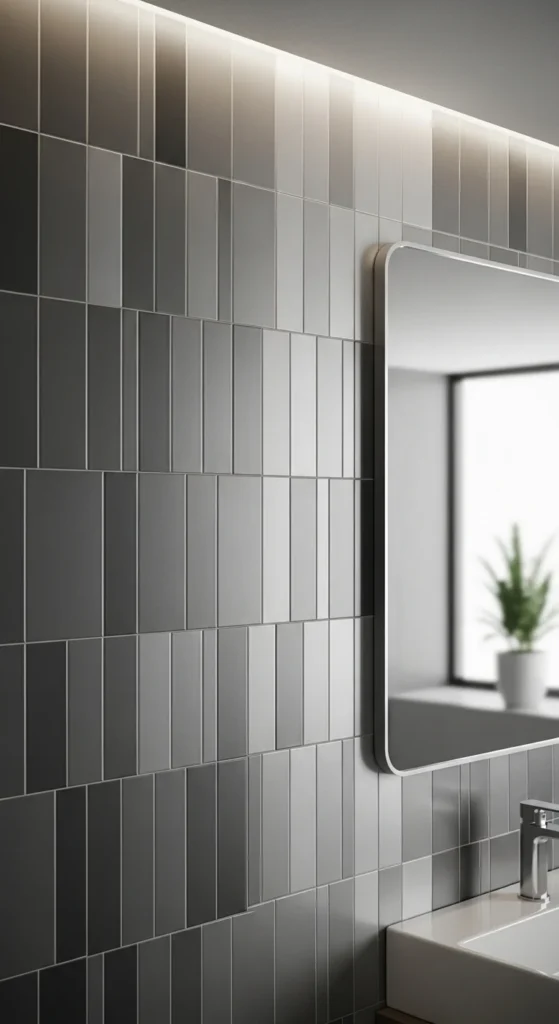
Vertical tiles draw the eye upward and make low ceilings feel taller. This works especially well in narrow bathrooms. Use them on one main wall to keep costs down. Light grout keeps the look clean and seamless.
6. Floating Vanity
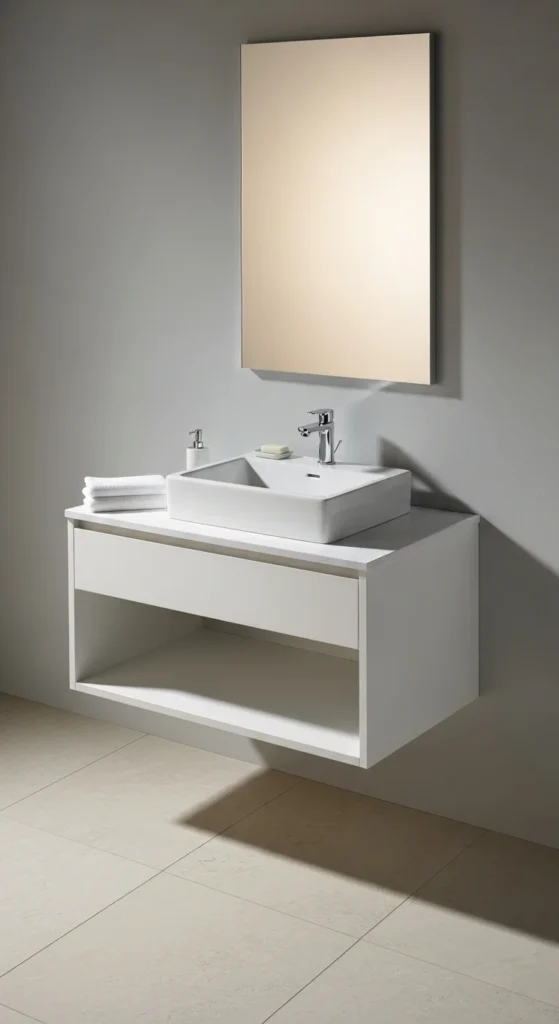
Floating vanities free up visible floor space, making the room feel less crowded. The open area underneath creates visual breathing room. Choose simple drawers to keep storage hidden. Cleaning also becomes easier with no base blocking the floor.
7. Corner Vanity Layout
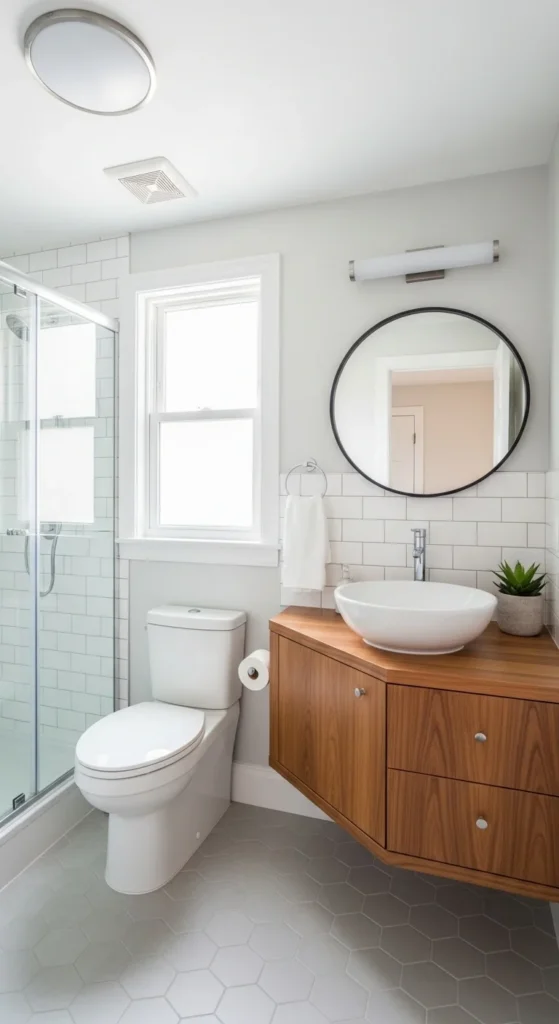
Corner vanities use awkward spaces efficiently while keeping the center of the room open. This layout improves movement in very tight bathrooms. Pair it with a round mirror to soften angles. It works well in powder rooms and narrow layouts.
8. Frameless Glass Shower Door
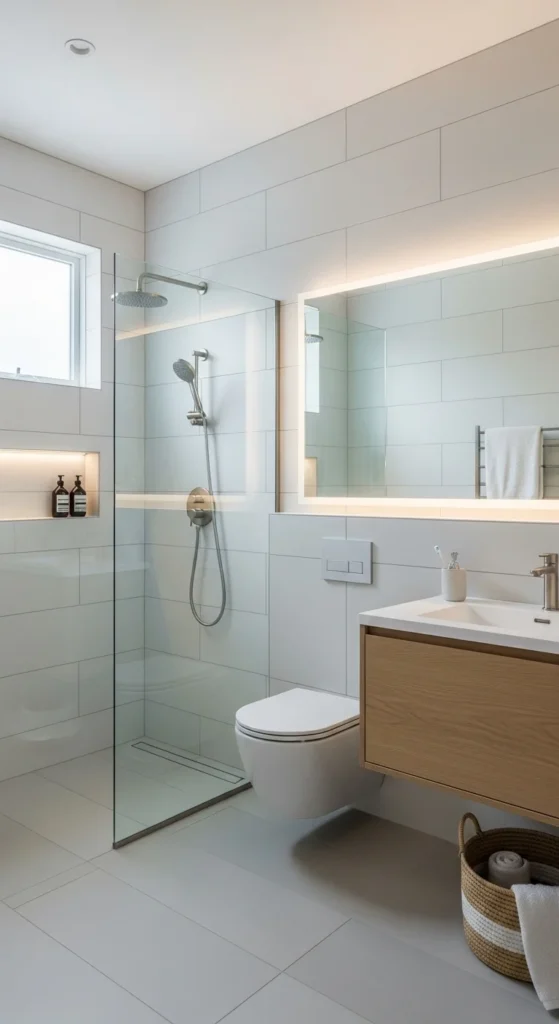
Glass enclosures remove visual barriers that curtains create. Frameless panels allow light to flow across the room. This keeps the bathroom feeling open instead of divided. Even a partial glass screen improves the effect.
9. Clear Glass Shower Panel
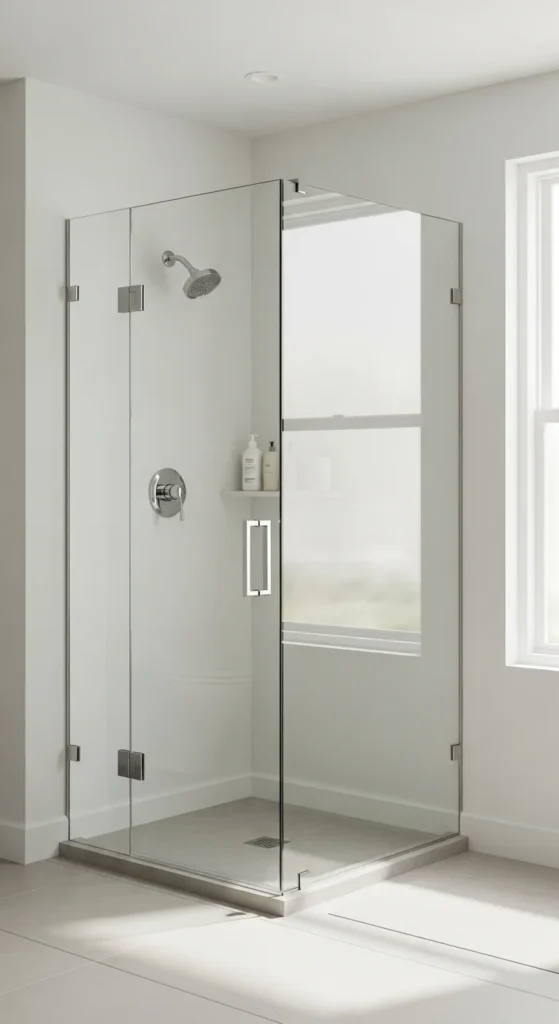
A single glass panel keeps water contained without closing off the room. It feels lighter than full enclosures. Minimal hardware keeps attention on the space itself. This works well for walk-in showers.
10. Wall-Mounted Faucets
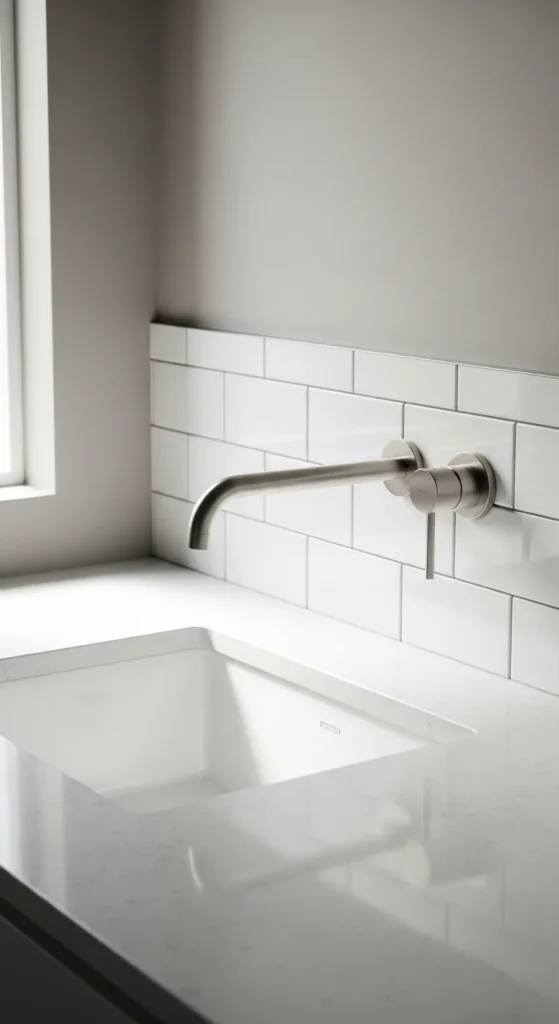
Wall-mounted faucets reduce visual clutter on small sinks. They free up counter space and look cleaner. This detail works especially well with floating vanities. Pair with simple sinks for a streamlined look.
11. Slim Profile Mirror
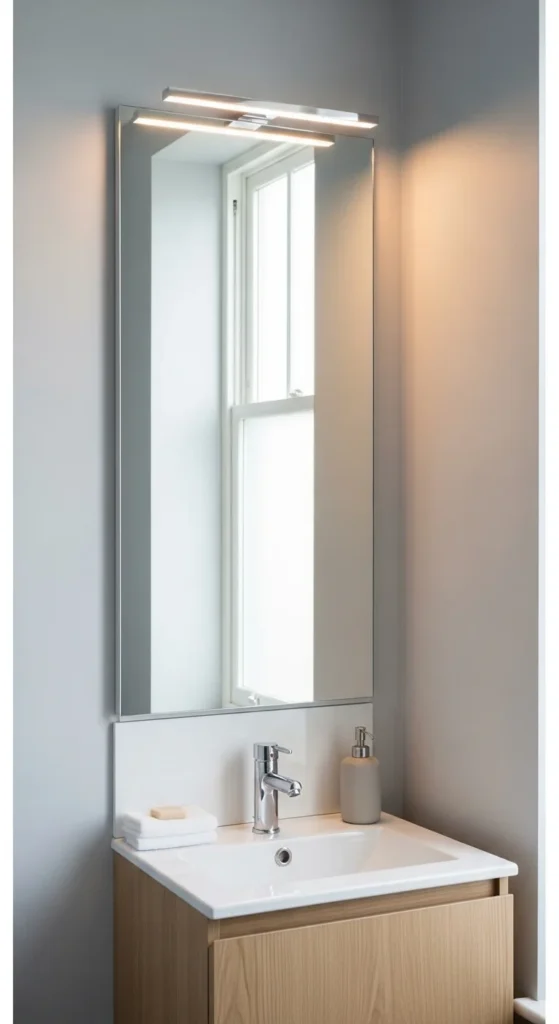
Thin or frameless mirrors reduce visual weight. They reflect light without adding bulk to the wall. This is ideal for very small bathrooms. Backlit versions add glow without extra decor.
12. Open Wall Shelving
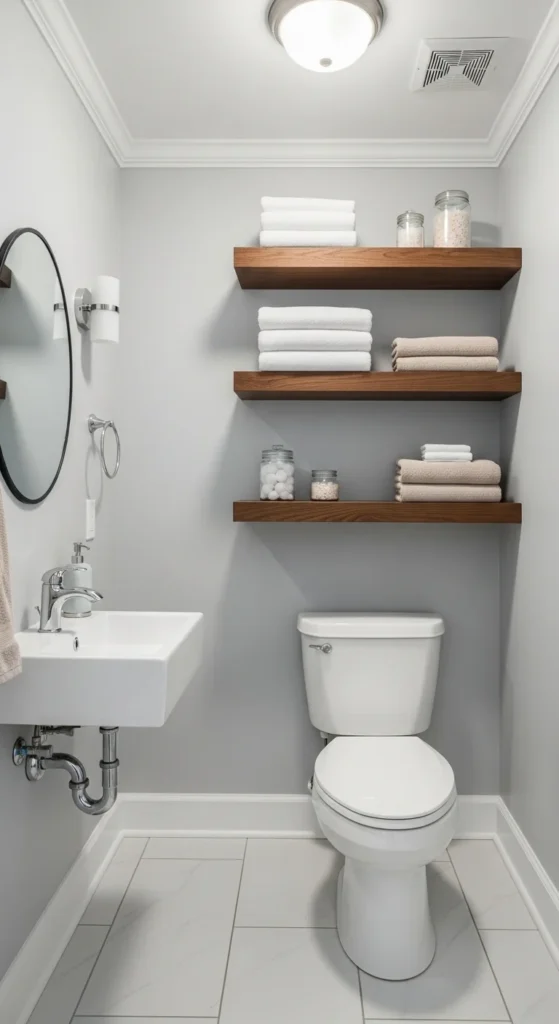
Wall shelves add storage while keeping the floor open. Use them above toilets or near vanities. Limit items to avoid clutter. Matching containers keep the look tidy.
13. Recessed Shower Niches
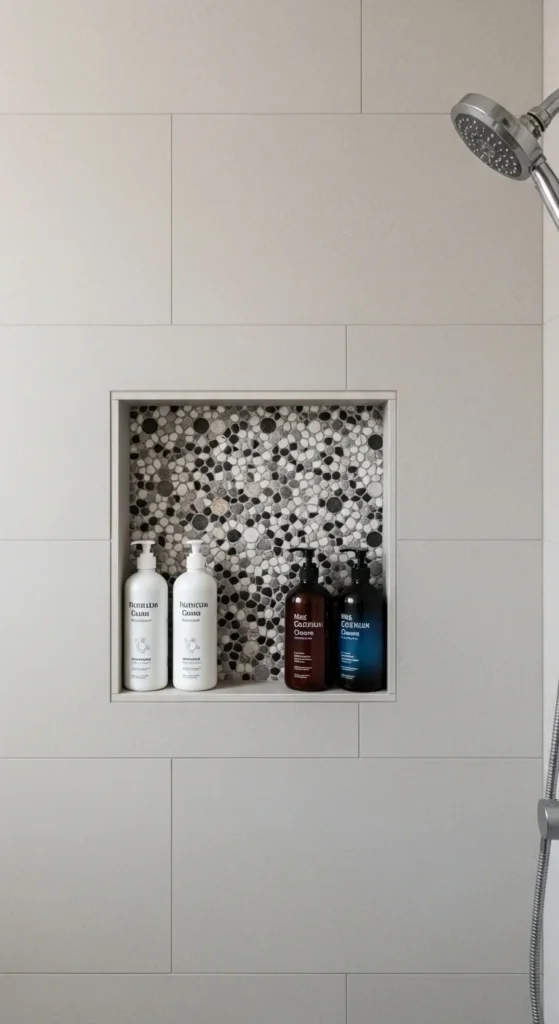
Recessed niches store products without sticking out into the shower. This keeps lines clean and reduces clutter. Match the niche tile to the wall for a seamless look. It also makes cleaning easier.
14. Slim Shower Caddy
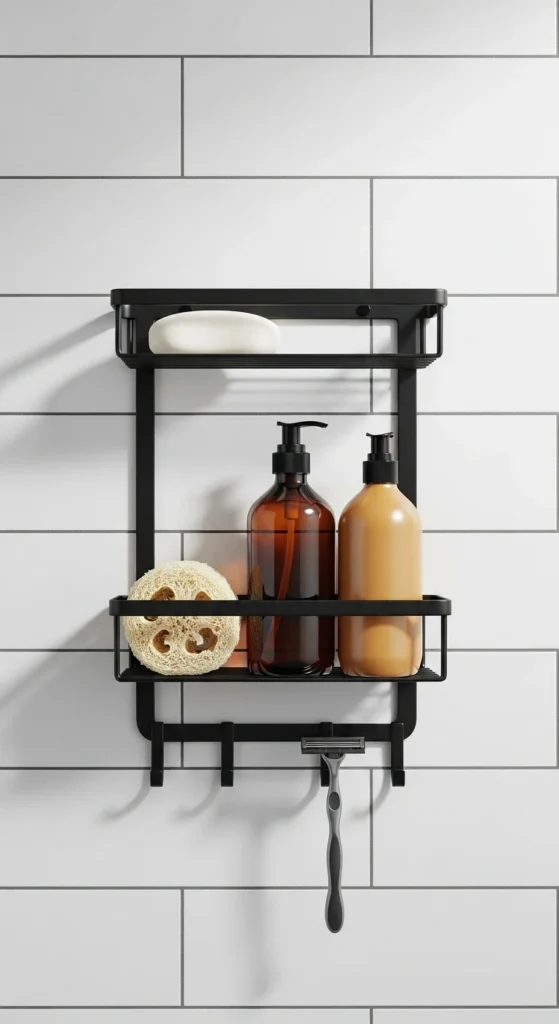
A slim caddy keeps essentials organized without bulk. Flat designs sit close to the wall and stay visually quiet. This is a renter-friendly solution. It prevents bottles from crowding corners.
15. Furniture-Style Stool
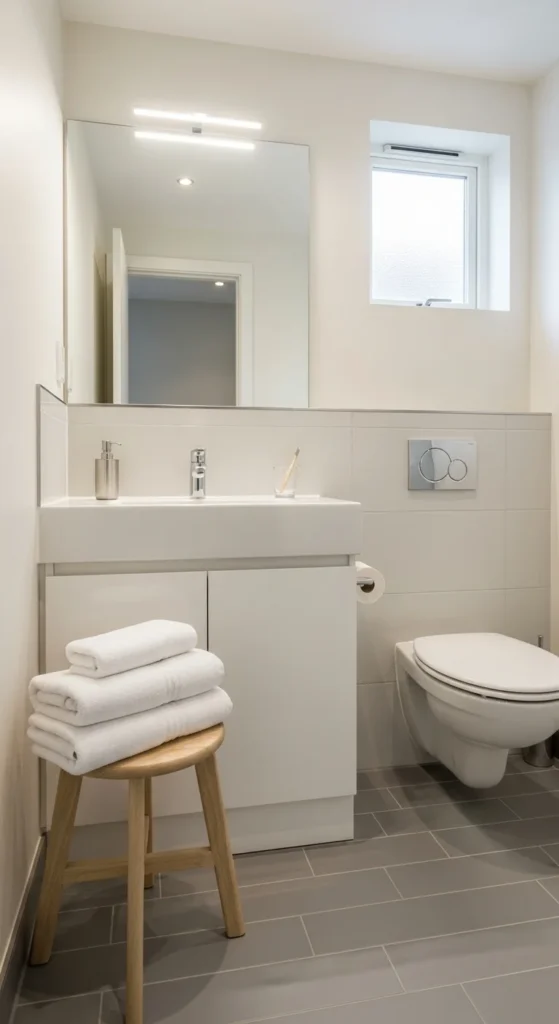
A small stool adds surface space without overwhelming the room. Use it for towels or decor. Choose light wood or slim designs. This adds function while keeping the room airy.
16. Minimal Counter Styling
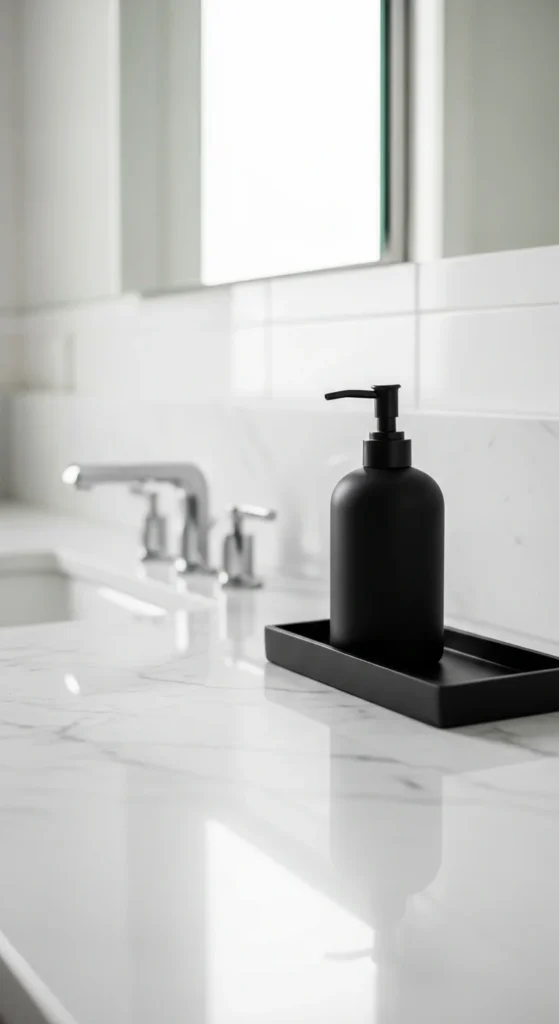
Clear counters make bathrooms feel larger instantly. Keep only daily-use items visible. Store extras in drawers or baskets. A simple tray keeps essentials organized.
17. Vertical Towel Hooks
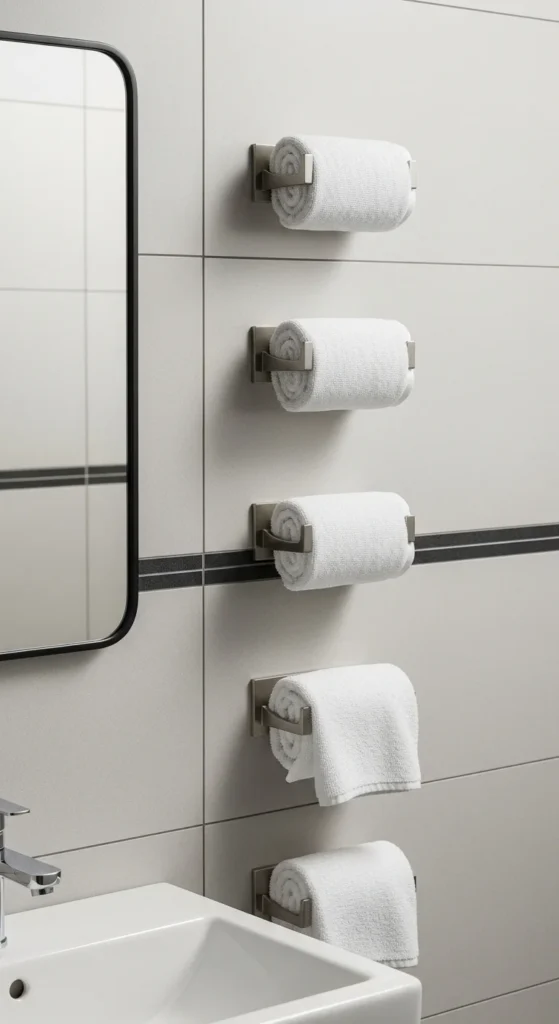
Hooks take up less space than towel bars. Vertical placement draws the eye upward. This keeps towels accessible without crowding walls. It works well behind doors.
18. Glossy Wall Finishes
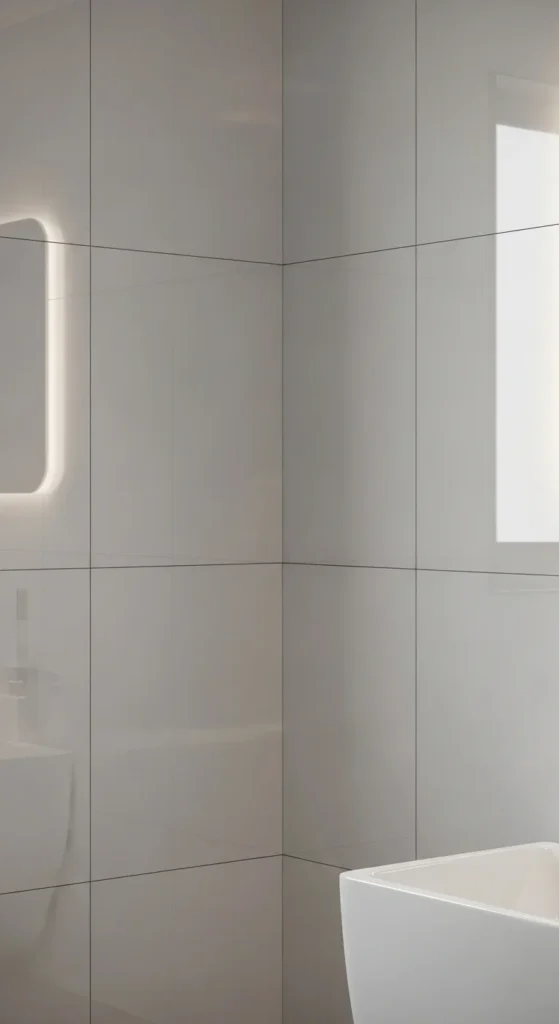
Glossy surfaces bounce light around the room. This makes small bathrooms feel brighter and more open. Use glossy tiles or finishes strategically. Balance with matte elements to avoid glare.
19. Monochrome Color Scheme
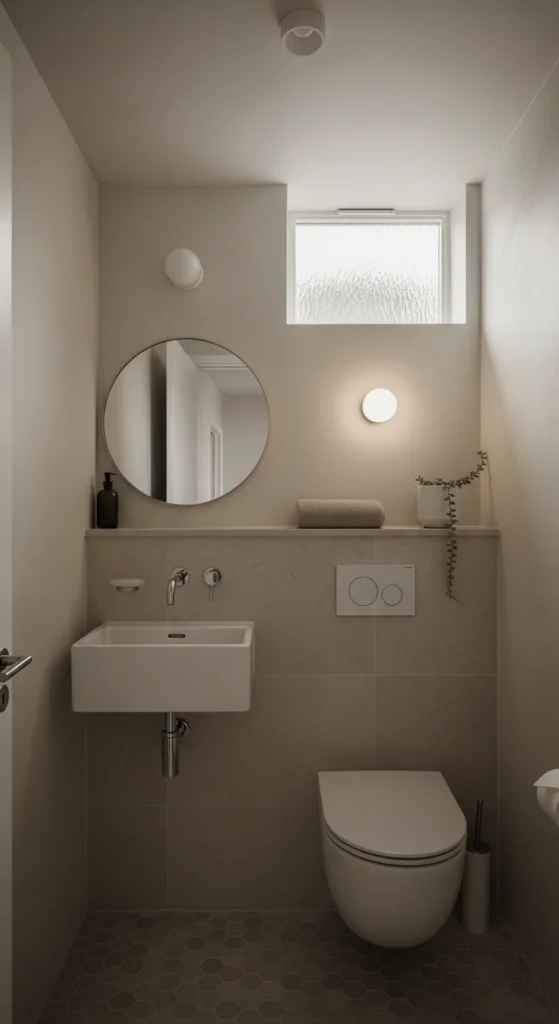
Using one color family reduces visual breaks. This creates a calm, continuous look. Texture adds interest without clutter. Light monochrome palettes work best in tight spaces.
20. Compact Toilet Design
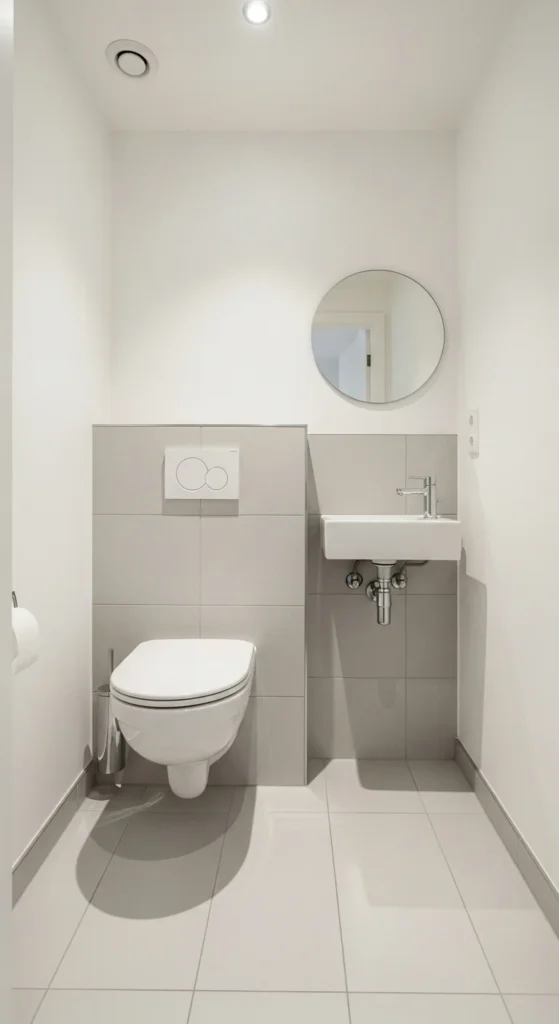
Compact toilets free up floor space and feel lighter. Wall-hung styles expose more floor area. This improves visual flow and cleaning. Even slim standard models help.
21. Minimal Hardware Choices
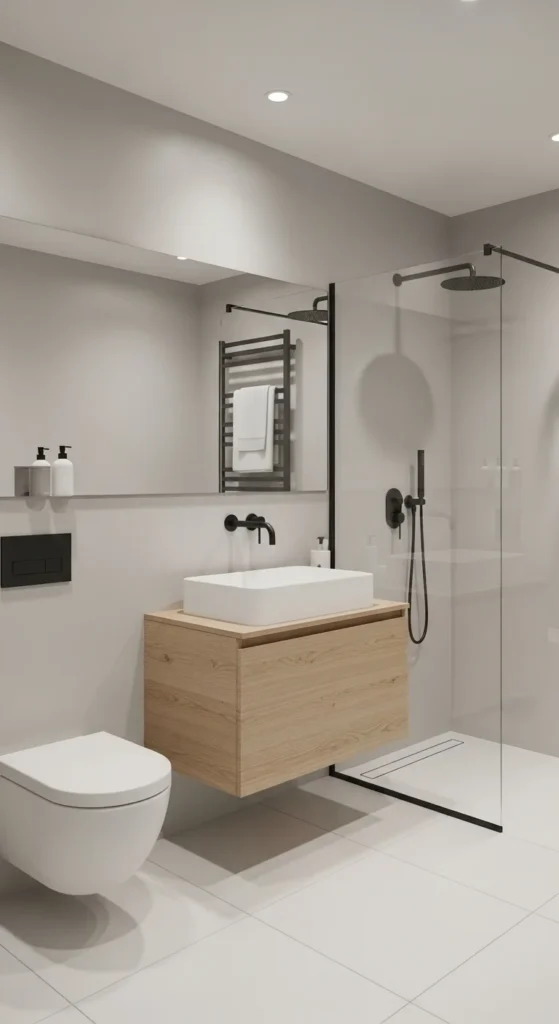
Thin hardware looks lighter than chunky styles. Stick to one finish for cohesion. This keeps the bathroom from feeling busy. Small details make a big difference in tight spaces.
22. Single Bold Accent
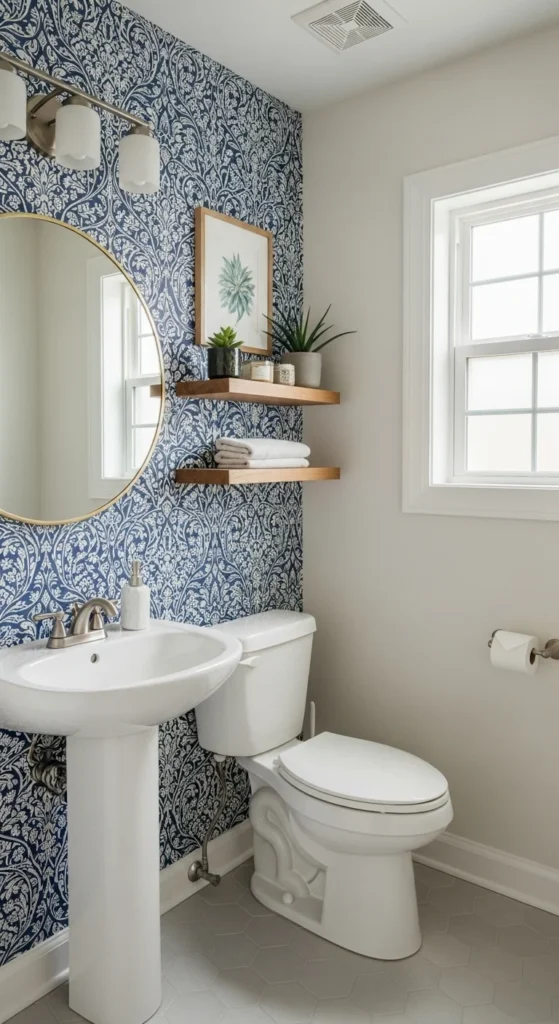
One bold element distracts from the room’s size. Patterned wallpaper or brass hardware works well. Keep the rest of the room simple. This creates focus without clutter.
23. Vertical Storage Cabinets
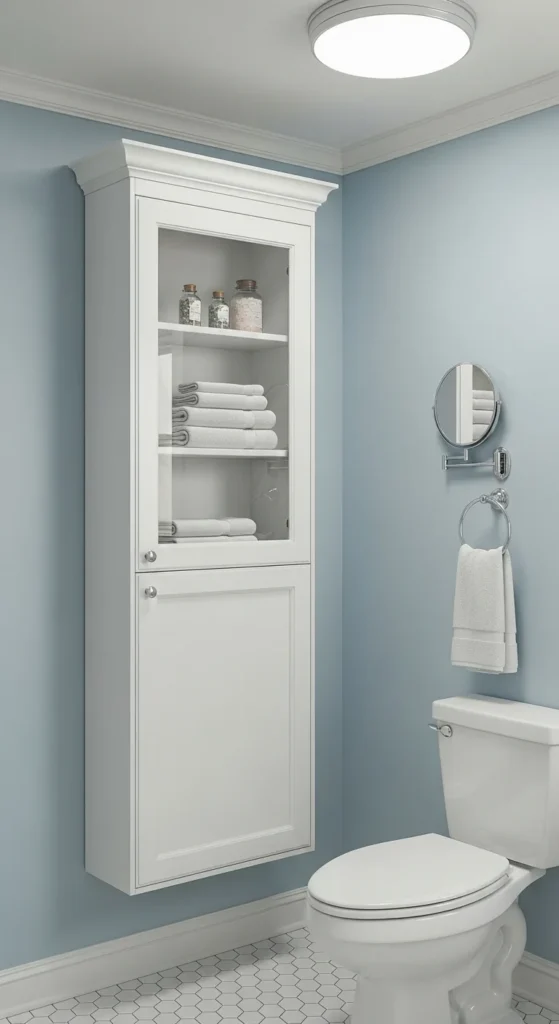
Tall cabinets use vertical space instead of floor area. They provide storage without widening the room. Choose shallow designs. This helps keep essentials hidden.
24. Light-Colored Flooring
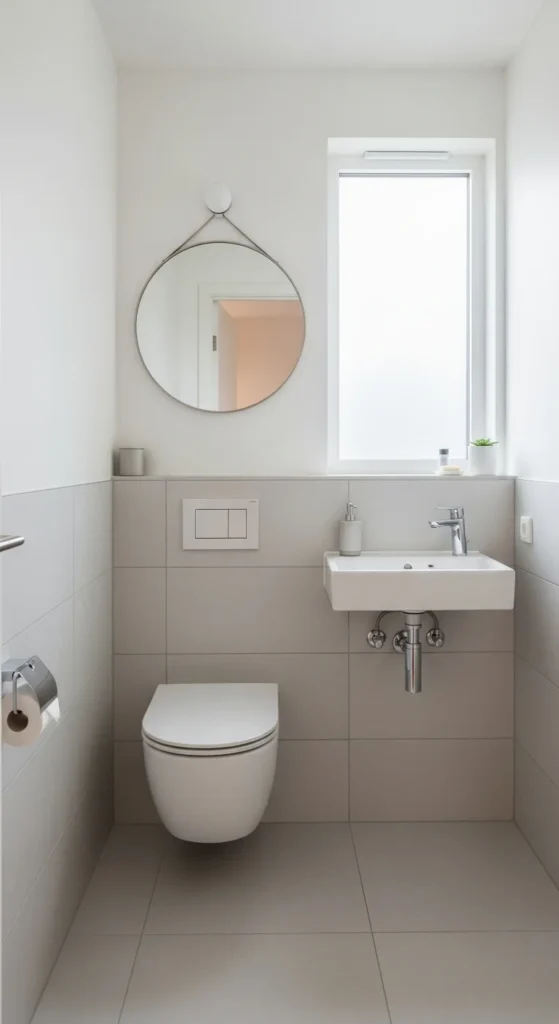
Light floors visually expand the room. Continuous flooring without breaks improves flow. Large tiles work best. Avoid dark grout for a seamless look.
25. Minimal Decor Approach
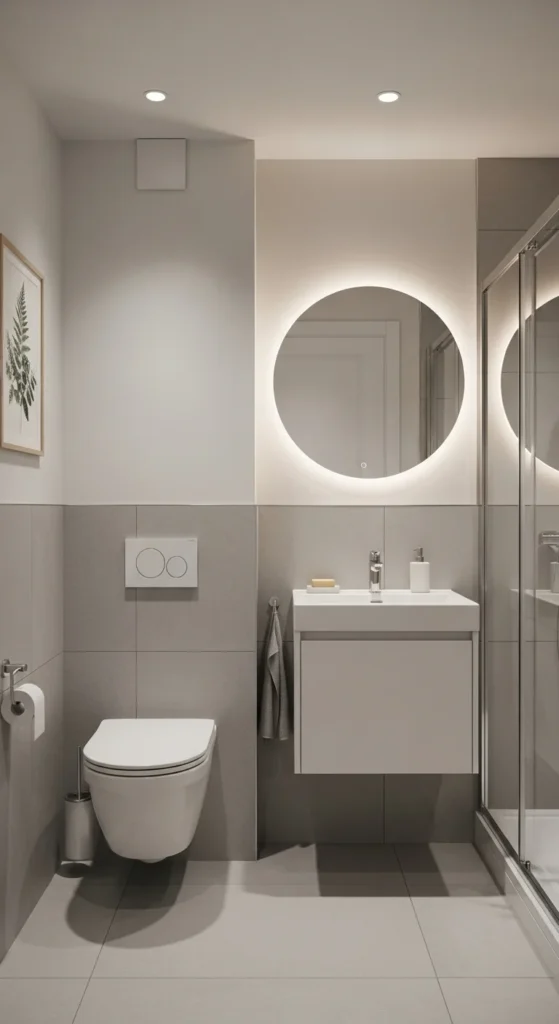
Less decor creates more space visually. Choose a few intentional pieces instead of many small ones. Clean lines and empty space matter in small rooms. This approach makes the bathroom feel calm and open.
Conclusion
Small bathrooms feel bigger when visual weight is reduced and light is allowed to move freely. Mirrors, light colors, glass elements, and vertical lines work together to stretch the space. Start with one or two changes that remove clutter or open sightlines. Even the smallest bathroom can feel airy with the right design choices.