Pretty journaling is about slowing down and enjoying the process of making something by hand. It’s not about perfect handwriting or expensive supplies. Aesthetic journals often come from simple materials used with care and intention. Paper scraps, soft colors, and small details turn everyday pages into something personal. These ideas focus on handmade charm that feels relaxed and doable. Each one helps you create pages that look thoughtful while staying affordable and practical.
1. Soft Neutral Color Pages
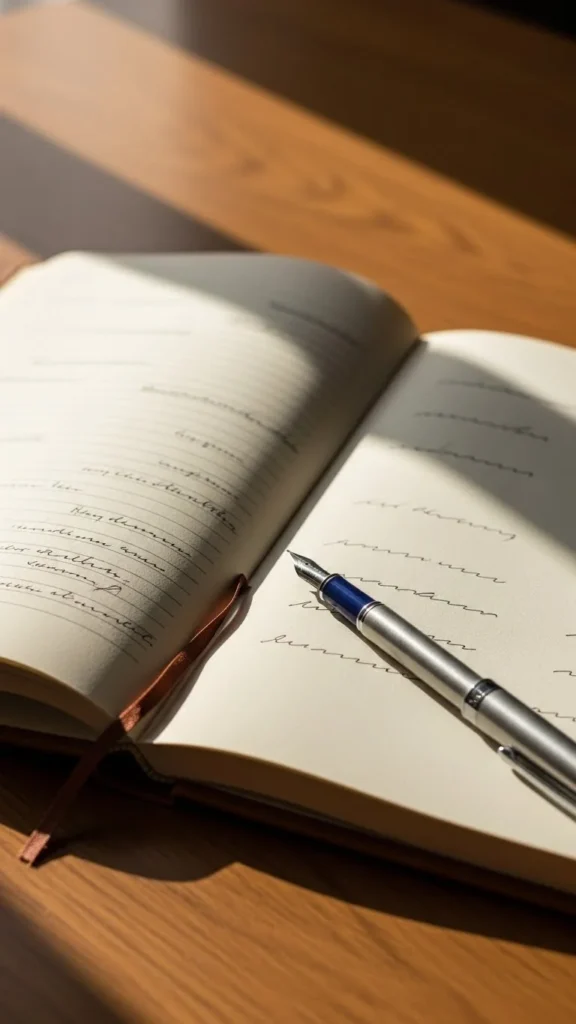
Soft neutral pages rely on calm color choices rather than decoration overload. Start with beige, cream, tan, or light gray paper. If your journal has white pages, lightly shade areas with colored pencils or diluted paint. Keep colors gentle and layered.
Use one main color and one accent shade. This keeps the page balanced. Torn paper edges add texture without extra cost. Old envelopes, grocery bags, or wrapping paper work well.
Write with a black or brown pen to keep contrast simple. Leave open space. Blank areas help the page breathe and look intentional.
This style works well for daily notes, reflections, or lists. It feels calm and handmade without taking much time. The key is restraint and repetition rather than decoration.
2. Torn Paper Collage Spreads
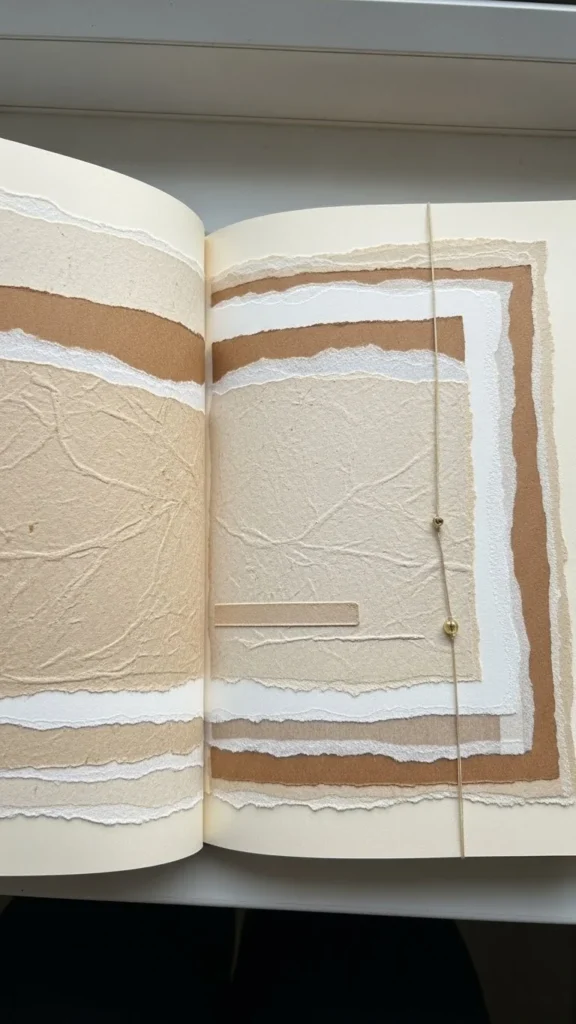
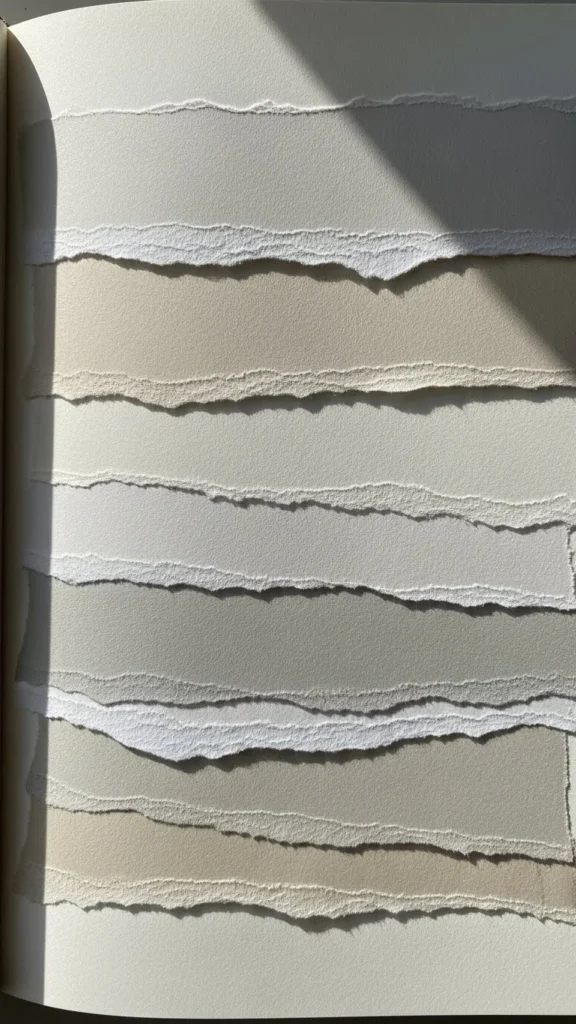
Torn paper collage spreads create texture through rough edges. Tear paper by hand instead of cutting it. This adds softness and movement to the page. Layer pieces loosely and glue only the center so edges lift slightly.
Use scrap paper from packaging, old notebooks, or magazines. Stick to a small color range so the page doesn’t feel busy. Two or three tones work well.
Add a simple sketch or short handwritten note on top. Avoid filling every space. Empty areas help highlight the collage.
This style is forgiving and flexible. Mistakes disappear under layers. It’s ideal for days when writing feels heavy but you still want to create something visual.
3. Pressed Flower Pages
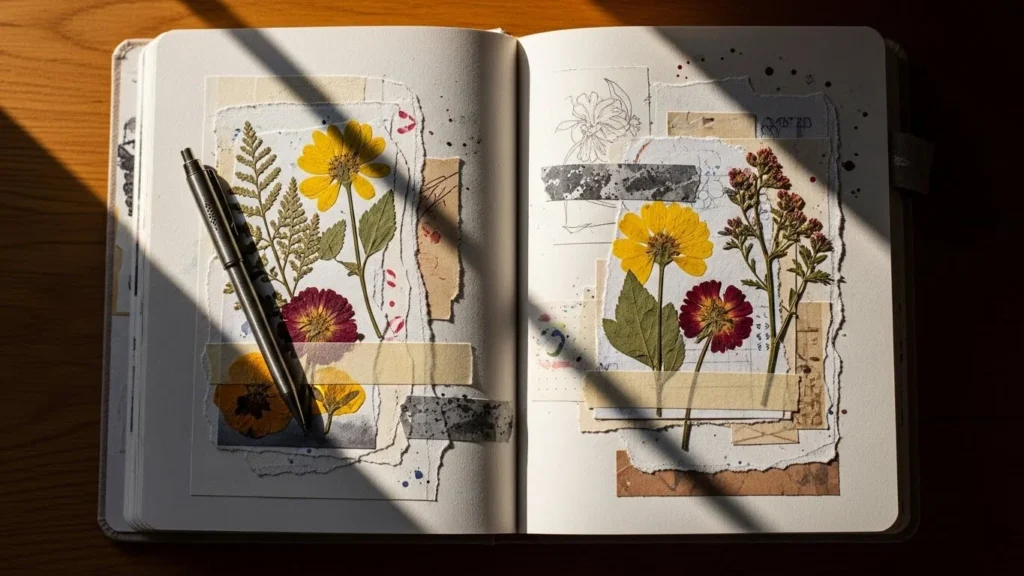
Pressed flower pages feel delicate and personal. Collect small flowers or leaves and press them inside a heavy book for a week. Once dry, attach them using clear tape or glue.
Use lightweight paper so the flowers stand out. Place them with space around each piece. This keeps the page from feeling crowded.
Add small dots, lines, or borders with a fine pen. Writing can stay minimal. Even a date is enough.
This idea works well for memory keeping or seasonal journaling. Flowers cost nothing and add natural beauty without effort. Each page feels quiet and handmade.
4. Minimal Line Art Pages

Minimal line art pages focus on simplicity. Draw basic shapes, faces, or objects using one continuous line. Keep pressure light and lines loose.
You don’t need drawing skills. Simple forms look intentional when paired with empty space. Use one pen only to keep the look consistent.
Place drawings off-center for interest. Add a small note or date in the corner if needed.
This style works well for reflection pages or quiet thoughts. It’s quick, affordable, and calming. One or two drawings are enough to complete the page.
5. Handmade Border Designs
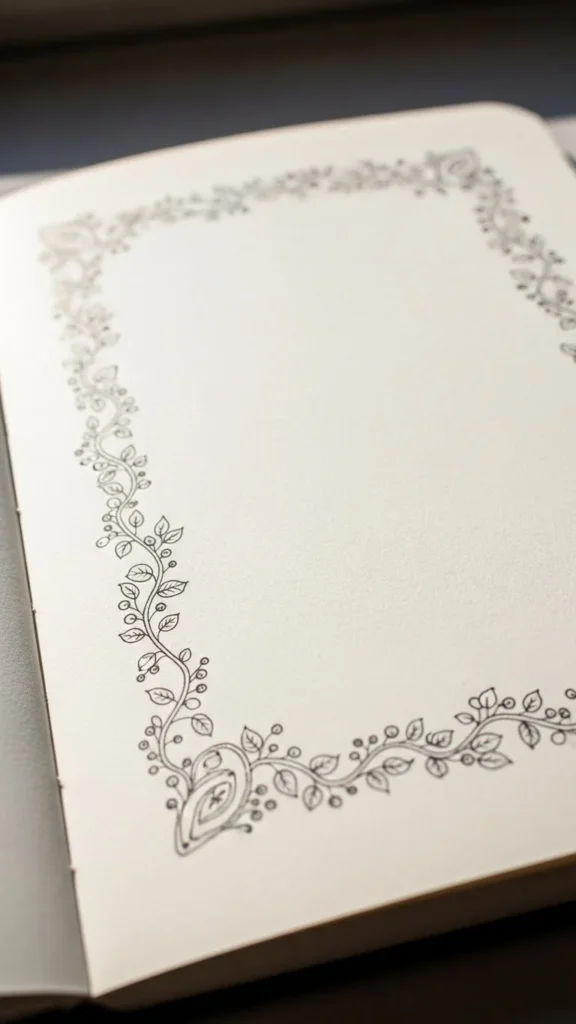
Handmade borders frame your writing without filling the page. Draw simple lines, dots, or repeating shapes around the edges. Keep patterns loose and imperfect.
Use fine-tip pens or pencils. Avoid rulers for a softer look. Borders don’t have to be symmetrical.
Leave the center open for writing later. This makes the page feel prepared but not rushed.
This idea works well for planning pages or prompts. Borders add charm while keeping space usable.
6. Washi Tape Accent Pages

Washi tape pages rely on placement rather than quantity. Use one or two strips only. Place them vertically or diagonally for interest.
Budget tip: cut washi tape in half lengthwise to make rolls last longer. Stick to muted colors or simple patterns.
Pair tape with handwriting or a small sketch. Avoid layering too many tapes together.
This style adds structure quickly and works well for busy days. Tape creates instant decoration with little effort.
7. Coffee-Stained Vintage Pages
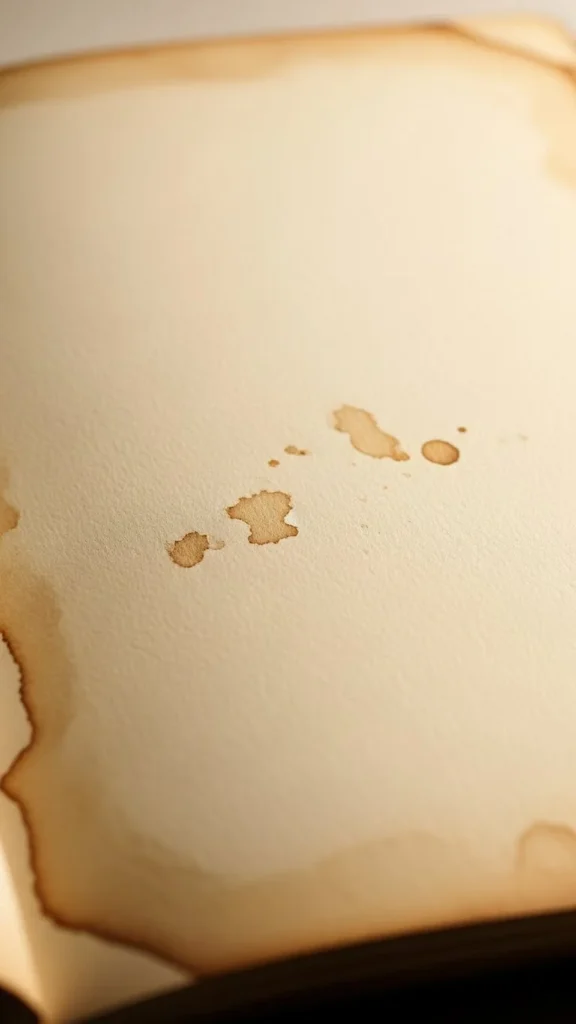
Coffee-stained pages create an aged, handmade look. Brew weak coffee and brush it lightly onto the page. Let it dry fully before writing.
Use thick paper to avoid warping. Test on a scrap page first.
Write with dark ink for contrast. Add rough sketches or stamps if you have them.
This style suits memory journaling or reflective writing. The uneven color adds character without extra supplies.
8. Soft Pencil Sketch Journals

Pencil sketch pages feel quiet and personal. Use a regular pencil and keep lines light. Focus on simple objects like cups, leaves, or hands.
Shading adds depth without detail overload. Smudging with your finger creates softness.
Avoid erasing too much. Marks add honesty to the page.
This idea costs nothing and works well for slow journaling sessions. Sketches pair nicely with short notes or dates.
9. Handwritten Quote Pages

Handwritten quote pages rely on spacing and handwriting rhythm. Write slowly and leave margins wide.
Use one pen color to keep things calm. Underline words lightly instead of decorating heavily.
Quotes can come from books or personal thoughts. Keep the page uncluttered.
This style highlights writing as art. Even simple handwriting looks thoughtful with enough space.
10. Layered Paper Tabs

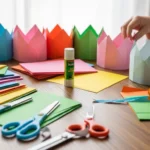
Paper tabs add texture and function. Cut small rectangles from scrap paper and glue them along page edges.
Layer two or three tabs slightly offset. Stick to a limited color palette.
Tabs can mark sections or highlight favorite pages. They add interest without filling the page.
This idea uses scraps efficiently and adds a handmade feel through uneven edges.
11. Nature-Inspired Color Palettes

Nature palettes feel calming and balanced. Choose colors inspired by leaves, soil, sky, or water.
Use colored pencils or markers you already have. Repeat the same colors across the page.
Add simple shapes or lines instead of drawings. Consistency creates harmony.
This style works well for reflective entries and daily notes.
12. Stitched Paper Pages

Stitched pages add tactile detail. Use a needle and thread to stitch through paper edges.
Simple running stitches work best. Keep spacing uneven for charm.
Use leftover thread or embroidery floss. No special tools required.
This idea adds a handmade quality that feels slow and intentional.
13. Simple Ink Wash Backgrounds

Ink wash backgrounds create gentle movement. Dilute ink or watercolor heavily and brush lightly across the page.
Let it dry before writing. Keep washes uneven.
Use leftover paint to save money. One color is enough.
This style adds depth while keeping the page usable.
14. Polaroid-Style Frames

Draw simple square frames to mimic photo borders. Leave space inside for writing or sketches.
Keep lines light and uneven. Add small tape corners if desired.
This idea works without actual photos. Frames guide layout and add structure.
15. Daily Highlight Boxes

Highlight boxes break writing into small sections. Draw rectangles or squares and fill one per day.
Boxes keep entries short and visual. Use one pen color.
This style suits busy routines and looks neat without effort.
16. Soft Grid Layouts

Soft grids guide layout without dominating the page. Draw light pencil lines and write within them.
Avoid rulers for a handmade feel. Keep spacing loose.
Grids help with balance while staying flexible.
17. Fabric Texture Rubbings

Place fabric under the page and rub with pencil. Patterns appear naturally.
Use old clothing or towels. No cost involved.
These textures add interest without drawing.
18. Envelope Memory Pockets
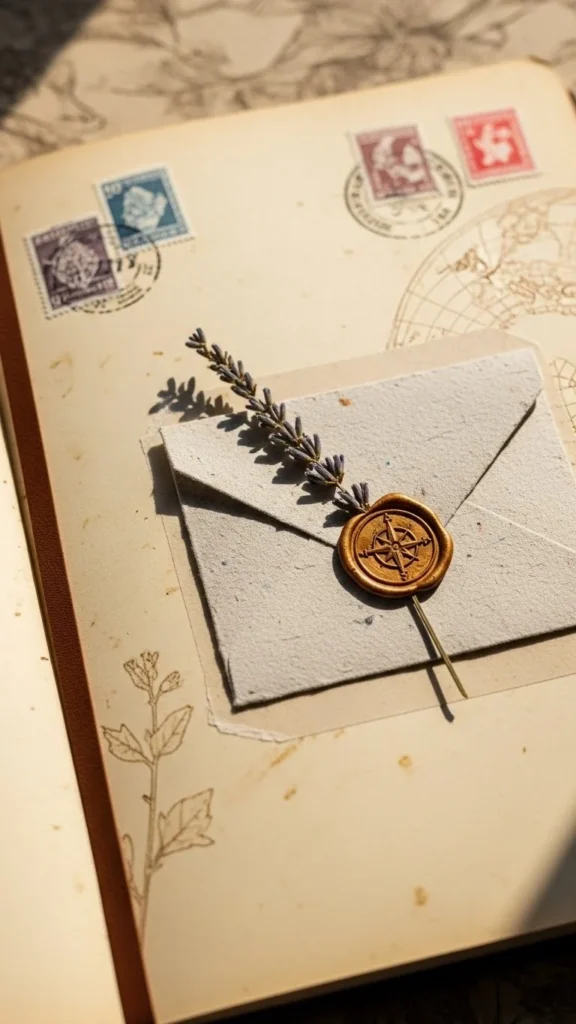
Glue a small envelope onto a page to hold notes or scraps. Decorate lightly.
Envelopes from mail work well. Trim to size.
This adds function and surprise to the journal.
19. Soft Color Dot Pages

Dot pages rely on repetition. Paint or draw small dots across the page.
Use two or three colors only. Vary spacing slightly.
This style feels playful and calming.
20. Handwritten Title Pages

Title pages mark sections. Write one word or phrase large.
Decorate lightly around it. Leave space below.
This helps organize the journal visually.
21. Pocket Scrap Pages

Glue scraps loosely across the page. Overlap edges.
Use receipts, tags, or notes. Keep colors simple.
This style feels casual and personal.
22. Minimal Sticker Accents

Use stickers sparingly. One or two per page is enough.
Place them off-center. Let space do the work.
This keeps pages from feeling crowded.
23. Soft Shadow Drawings
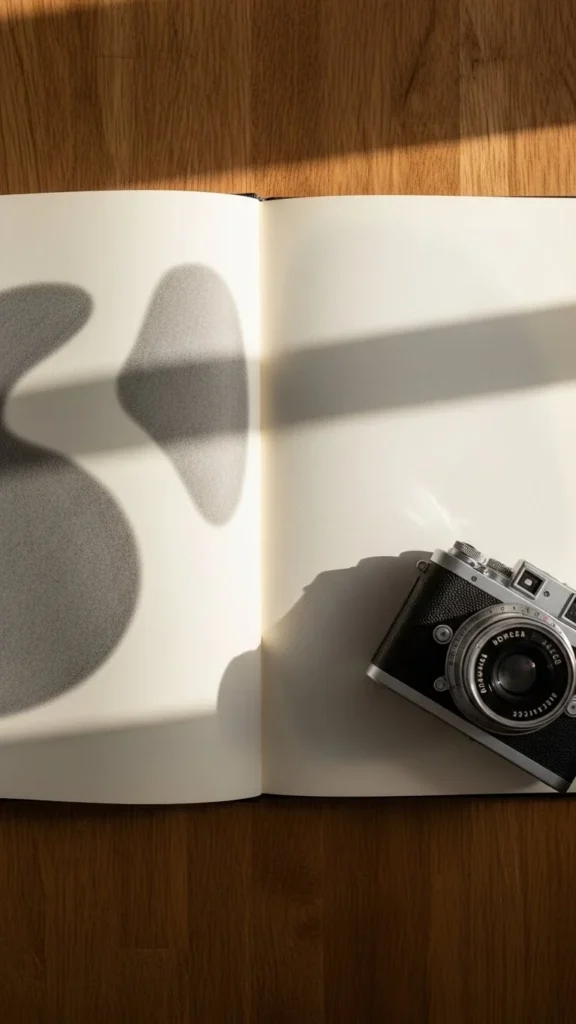
Draw simple shadow shapes using pencil shading.
No outlines required. Focus on light and dark.
This adds depth without detail.
24. Handmade Page Tabs

Cut tabs from scrap paper and glue them to page edges.
Vary sizes slightly. Keep colors consistent.
Tabs add structure and charm while staying practical.
Pretty journaling grows through small choices repeated over time. Handmade pages don’t rely on perfection or costly supplies. They come from attention, texture, and quiet creativity. Choose one idea and try it today. Over time, your journal becomes a personal record that feels both aesthetic and honest.

Lily Summers is a digital artist and creative storyteller who loves bringing colorful characters to life. With a passion for cartoons, fan art, and playful sketches, she inspires others to explore their imagination through art. When she’s not sketching, you’ll find her dreaming up new ideas for CraftedWizard.com to spark creativity in every artist. 🌈✨