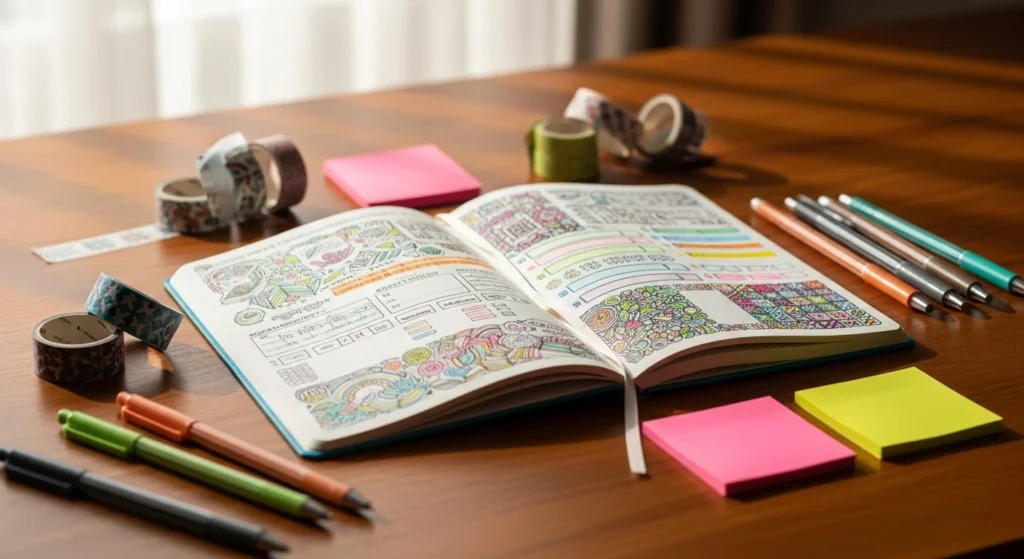
Journaling layouts are not about perfection. They are about building pages you actually want to return to. Whether you use a bullet journal, daily notebook, or creative planner, the right inspiration can turn blank pages into something personal and functional. These journal inspo ideas focus on layouts that stay usable all year, even when motivation dips. Each idea keeps supplies simple, costs low, and works for beginners or long-time journal users who want variety without pressure.
1. Year-in-Pixels Mood Tracker
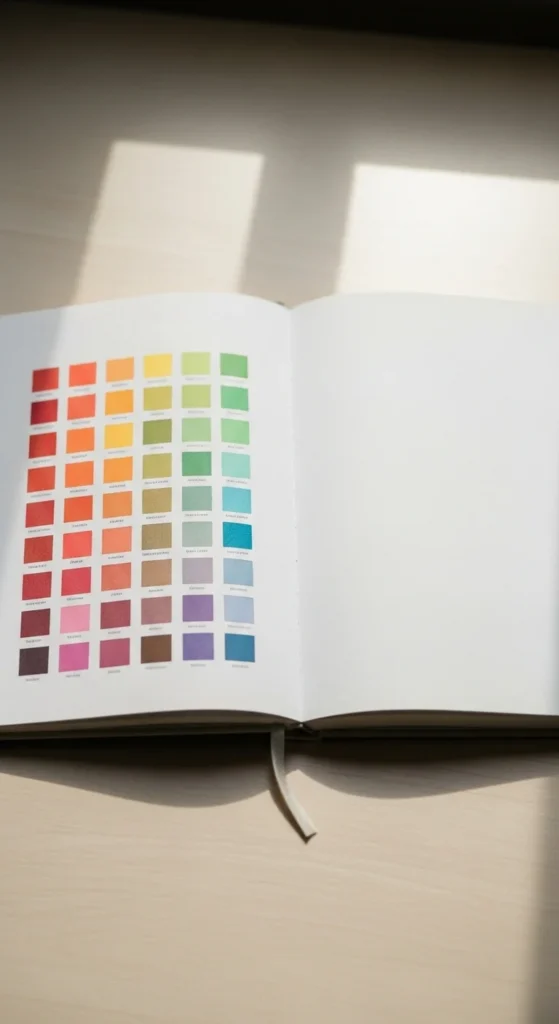
A year-in-pixels spread turns emotions into a simple visual record. Draw a grid with one square per day and assign each mood a color. Filling one square takes seconds, which makes this layout easy to keep up with even on busy days. Over time, patterns appear naturally. You can see calmer months, stressful stretches, or steady balance without writing long entries. This layout works well with basic pens or colored pencils. No fancy markers required. If a full year feels like too much, start with one month or one season. Many people place this spread at the front of their journal so it becomes a quick daily check-in. It also pairs well with reflection pages later, helping you understand how habits or routines affect your mood.
2. Doodle-a-Day Micro Sketches
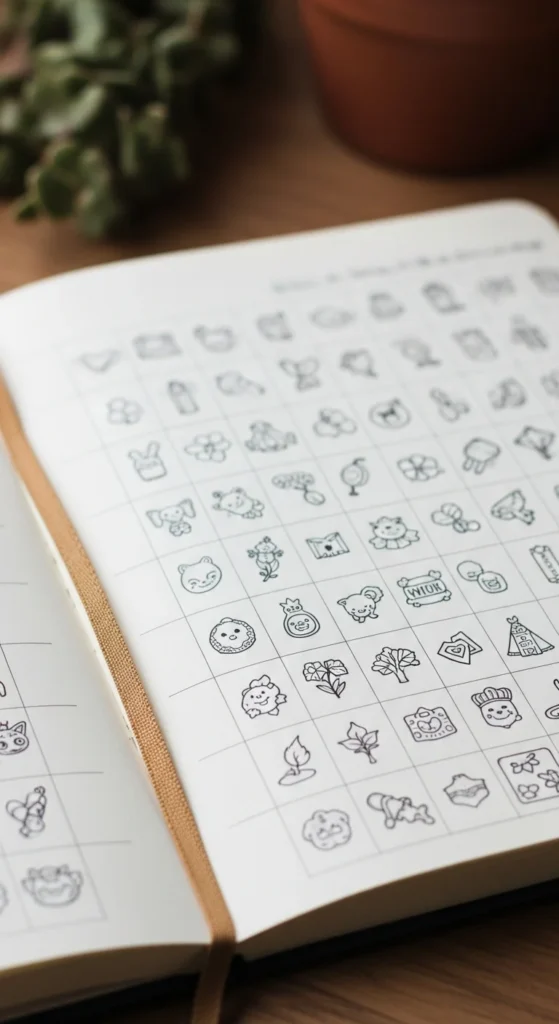
Doodle-a-day layouts remove pressure from creativity. Divide a page into small boxes and fill one with a quick sketch each day. The drawings do not need detail. Simple icons, shapes, or objects work well. This layout suits days when writing feels heavy but you still want to open your journal. Supplies stay minimal. A single pen is enough. Over weeks, the page becomes a visual diary of moments and moods. Many people use themes like weather, food, or daily highlights. If you miss a day, leave the box empty or fill it later. There are no rules. This spread helps build consistency without demanding time or skill.
3. Monthly Lettering Practice Page
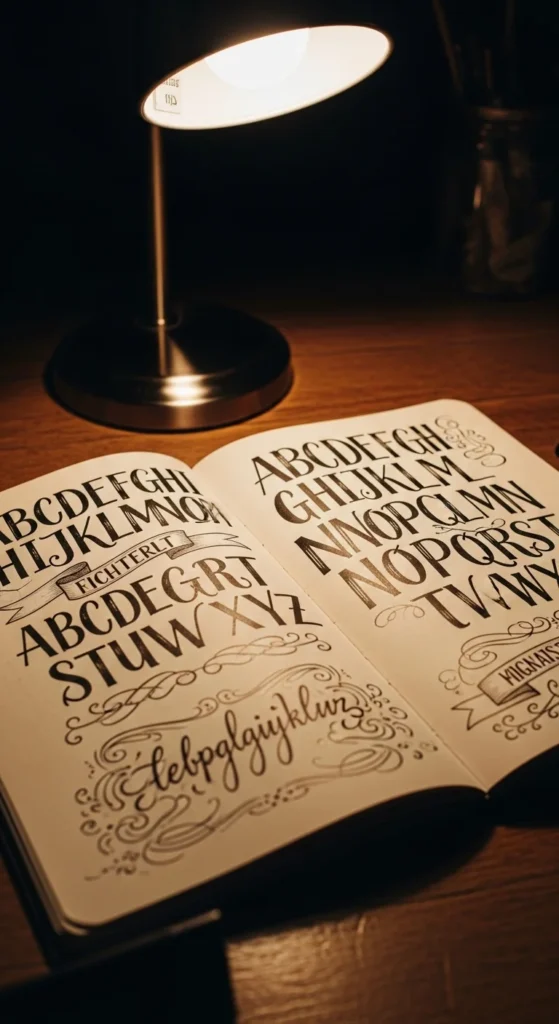
A monthly lettering page tracks progress naturally. Choose one letter style or alphabet each month and practice it across a page. This keeps improvement visible without comparison. You can use brush pens, fineliners, or even a regular pen. The goal is repetition, not display. Many journal users place these pages between planning spreads to balance function with creativity. Over time, flipping back shows clear growth. This layout also helps when designing titles for future pages since your practiced styles are easy to reuse.
4. Themed Monthly Cover Pages
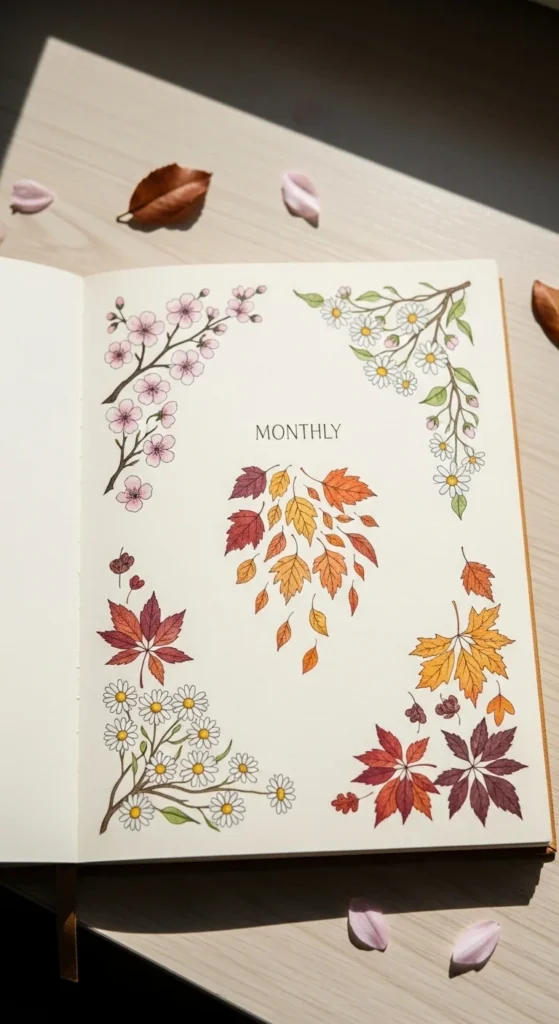
Themed covers set the tone for each month. Pick one theme such as wildflowers, stars, or simple shapes and repeat it across the page. Keeping one theme per month prevents visual overload. Supplies can stay basic. A black pen and one accent color work well. These covers help journals feel organized while still creative. If time is limited, draw small icons instead of large illustrations. The goal is cohesion, not complexity.
5. Icon-Based Habit Trackers
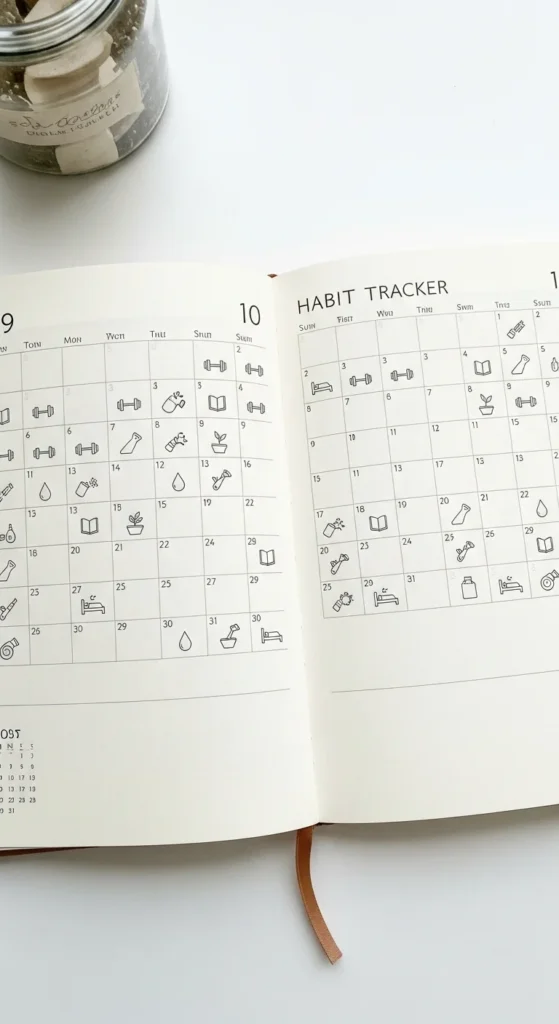
Icon habit trackers make routines easier to scan. Instead of writing habit names repeatedly, draw small symbols like cups, books, or shoes. Fill or circle them as habits are completed. This layout works well for weekly or monthly tracking. Icons reduce clutter and make the page feel lighter. You can reuse the same icons across months, which saves time and keeps things consistent. A ruler helps keep lines neat, but it is optional.
6. Quote Collection Pages
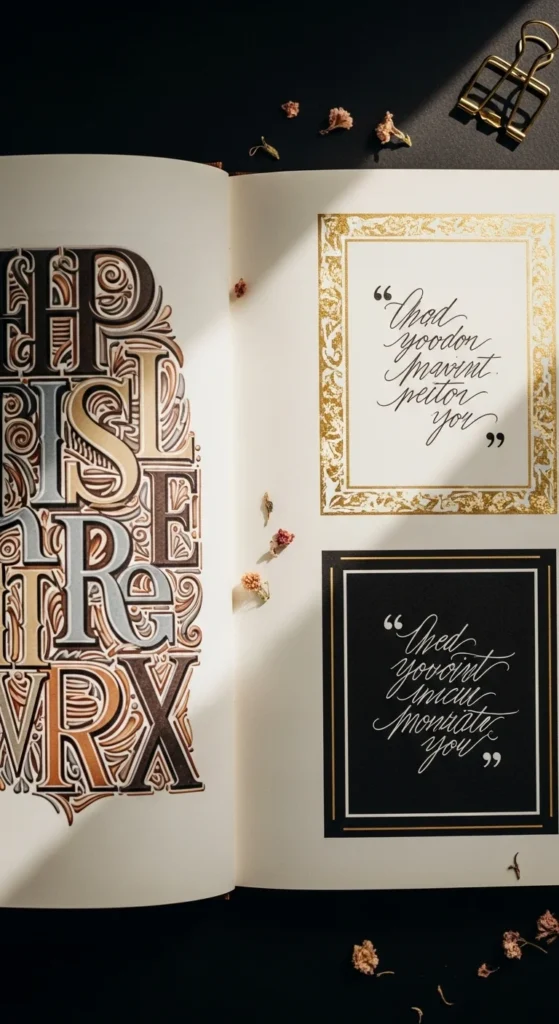
Quote pages act as emotional anchors. Dedicate one page per month to a quote that reflects your focus or mindset. Pair simple lettering with borders or light doodles. These pages are quick to make and easy to revisit. Many people place them at the start of a month or between busy spreads. Using quotes from books, songs, or personal notes keeps the journal meaningful without extra decoration.
7. Bucket List Journal Spreads
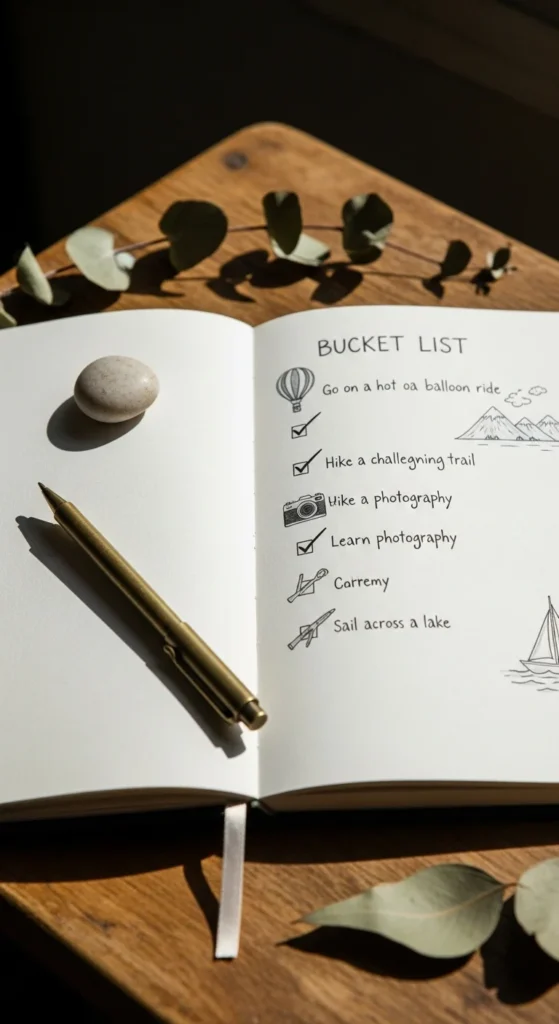
Bucket list spreads bring excitement into planning. List experiences, skills, or places you want to explore. Leave space beside each item for dates or small drawings when completed. This layout works well across an entire year. It keeps long-term ideas visible without pressure to act quickly. You can add small photo pockets or taped prints later as memories build.
8. Self-Care Routine Logs
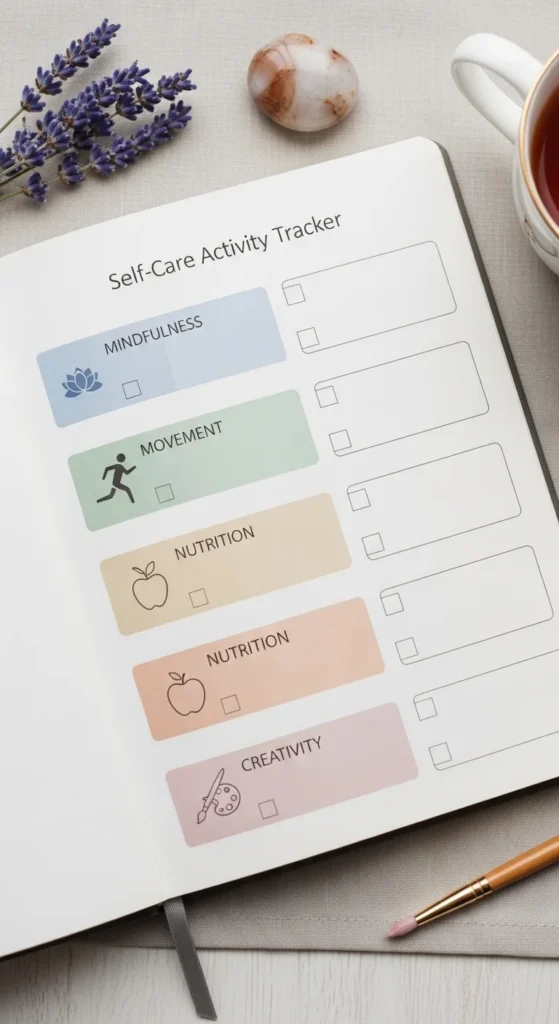
Self-care logs track how you recharge. Instead of writing long reflections, list simple actions like walking, stretching, or quiet time. Check them off when completed. Pair the log with a small gratitude section to keep the focus balanced. This layout works best weekly. It encourages awareness without judgment and fits easily into busy schedules.
9. Monthly Finance Tracker Pages
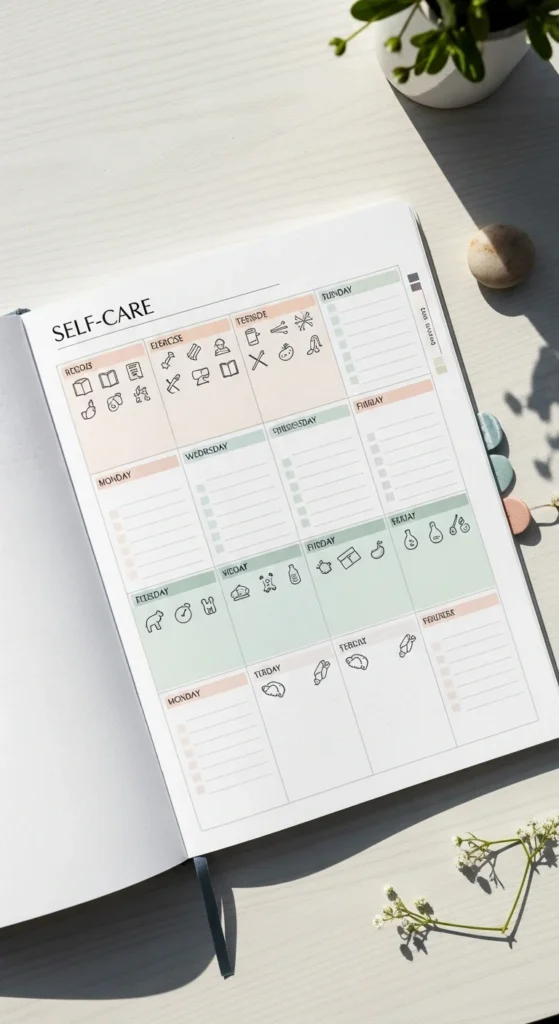
Finance spreads turn numbers into visuals. Create simple charts for spending, saving, or debt progress. Use bars or circles that fill gradually. This layout helps keep attention on trends rather than daily stress. Many people update it once a week. Keeping it visual makes review easier at month end. A pencil works well so adjustments stay flexible.
10. Reading Log With Ratings
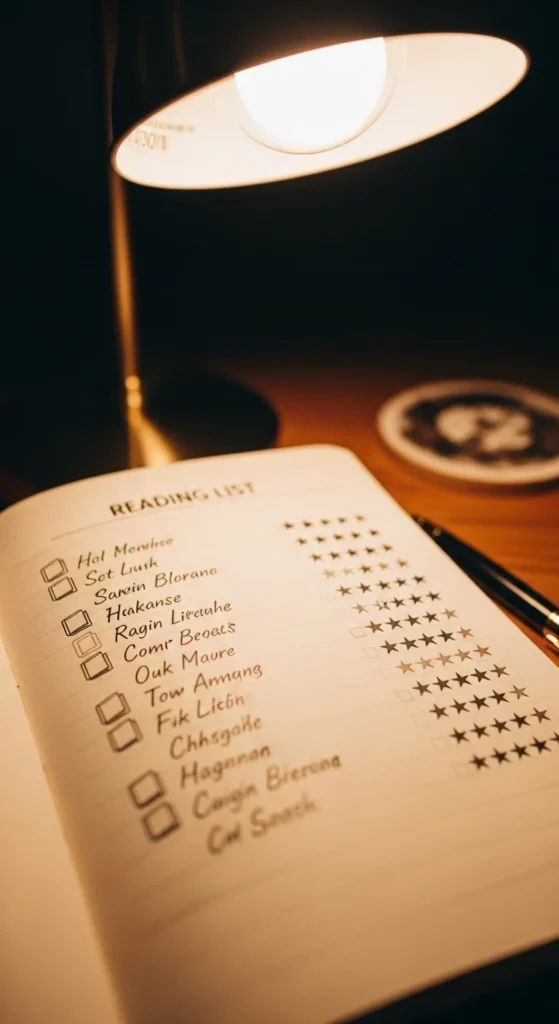
Reading logs organize books without pressure. List titles with simple rating scales or symbols. You can group by genre or month. This layout helps track interests over time and guides future reading choices. It works well even if you finish only a few books. Consistency matters more than quantity.
11. Vision Board Collage Pages
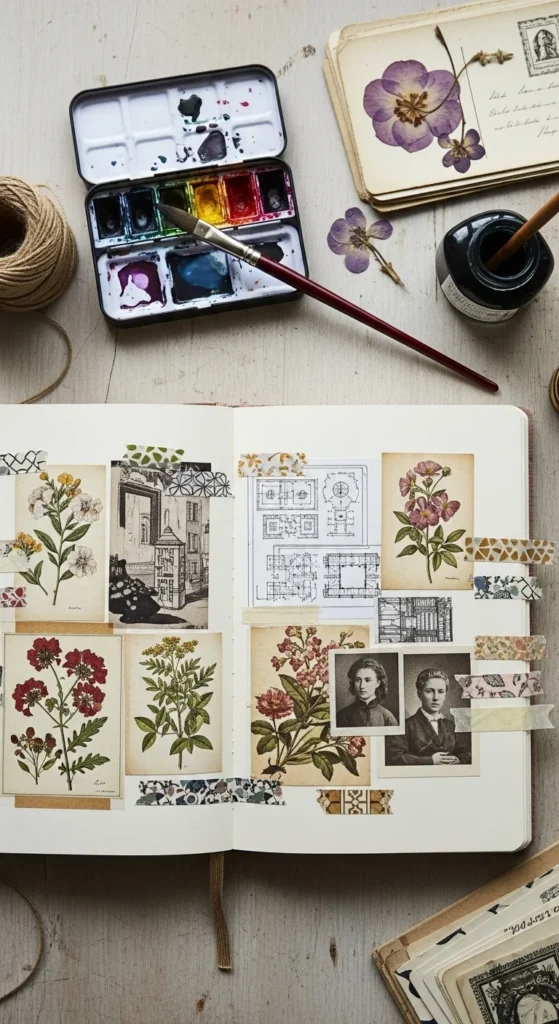
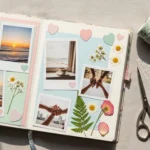
Vision collage pages mix images and intentions. Print small photos or cut magazine pieces and attach them loosely. These pages work well when placed near the front of a journal. They remind you of direction without needing daily updates. Keeping the collage minimal helps it stay calming rather than busy.
12. Flexible Weekly Grid Layouts
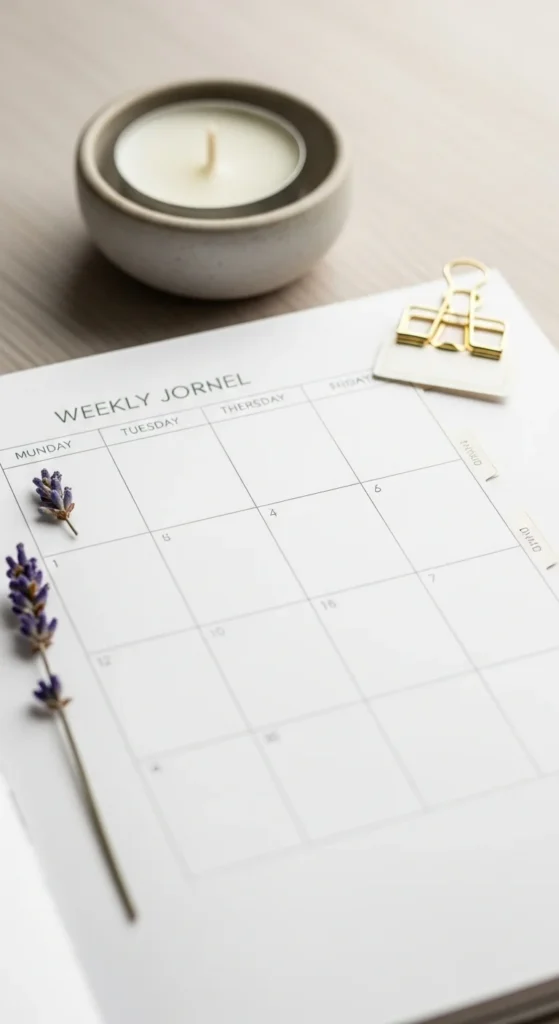
Weekly grids balance planning and creativity. Use simple boxes for days and leave open space for notes or doodles. This layout adapts well to work weeks or creative weeks. Changing colors or icons weekly keeps things interesting without redrawing structures.
13. Future Log Timeline Pages
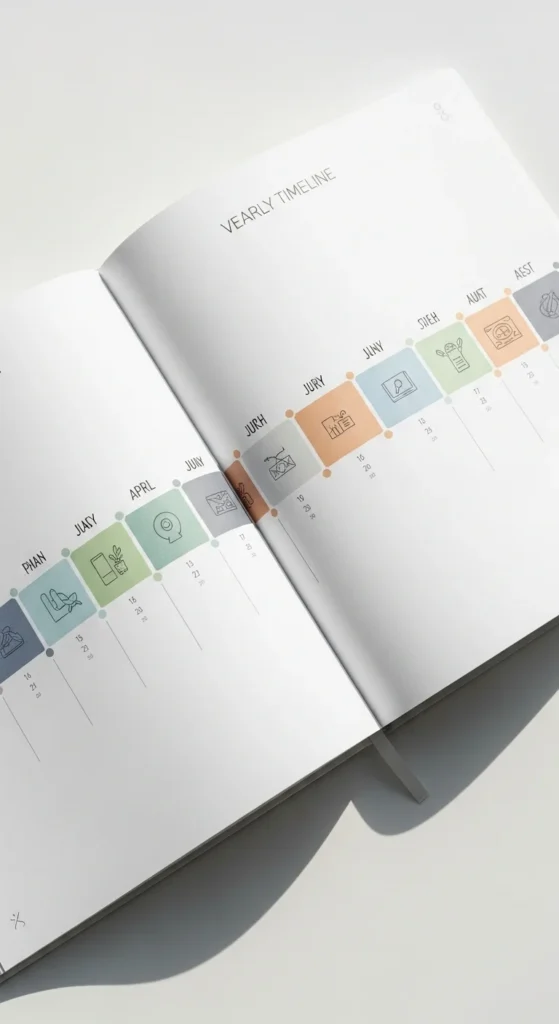
Future logs map the year at a glance. Divide a page into months and mark key events or goals. Color-coding by category helps with clarity. This spread stays useful all year and prevents overcrowding monthly pages with distant plans.
14. About-Me Snapshot Pages

About-me pages capture who you are now. Include favorites, routines, or current goals. Revisiting these pages later shows growth naturally. They work well at the start of a journal or midyear reset.
15. Travel Map Journal Layouts

Travel map layouts turn plans and memories into visuals without long writing sessions. Start by sketching a simple world map, country outline, or even just a local region you care about. You do not need accuracy. Rough shapes work fine. Use dots, pins, or small symbols to mark places you have visited or hope to visit. Add short dates or icons instead of sentences to keep the page light. This layout works well for both big trips and small weekend getaways. You can revisit it throughout the year and add new marks as life unfolds. Supplies stay minimal. A pen, pencil, and a few colors are enough. Many people pair this layout with ticket stubs or small photos taped nearby. Over time, the map becomes a quiet reminder of experiences rather than a checklist.
16. Recipe Collection Journal Pages
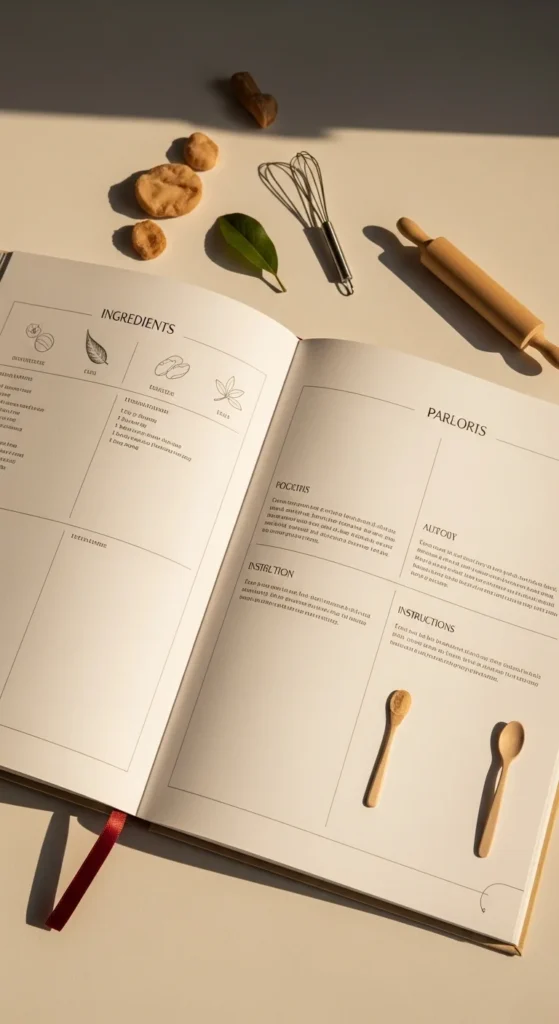
Recipe journal pages help you keep meals organized without relying on apps. Choose one page per recipe or group similar meals together by season. Use simple sections for ingredients, steps, and quick notes like swaps or changes. This layout works well for meals you cook often. You do not need decorative drawings. Small food icons or borders are enough to give the page character. Many people like to note when they last made the recipe or who enjoyed it most. That makes the page feel personal over time. Keeping recipes handwritten also makes it easier to adapt them. If space runs out, continue the recipe on the next page without worrying about layout perfection. These pages become practical references you return to again and again.
17. Gratitude Jar Journal Spreads

Gratitude jar spreads keep reflection short and manageable. Draw a large jar or container on the page and fill it with small shapes like slips, hearts, or circles. Each shape holds one line of gratitude. Writing just a few words each day keeps the habit easy. This layout works well for people who struggle with long reflections. You can fill the jar slowly across a month or an entire season. At the end of the period, reading through the filled shapes gives a clear sense of what mattered most. Supplies stay basic and the page never feels crowded. Many journal users like to place this spread near the back of their journal and return to it during quieter moments. It becomes a gentle anchor without pressure.
18. Work or Study Focus Layouts
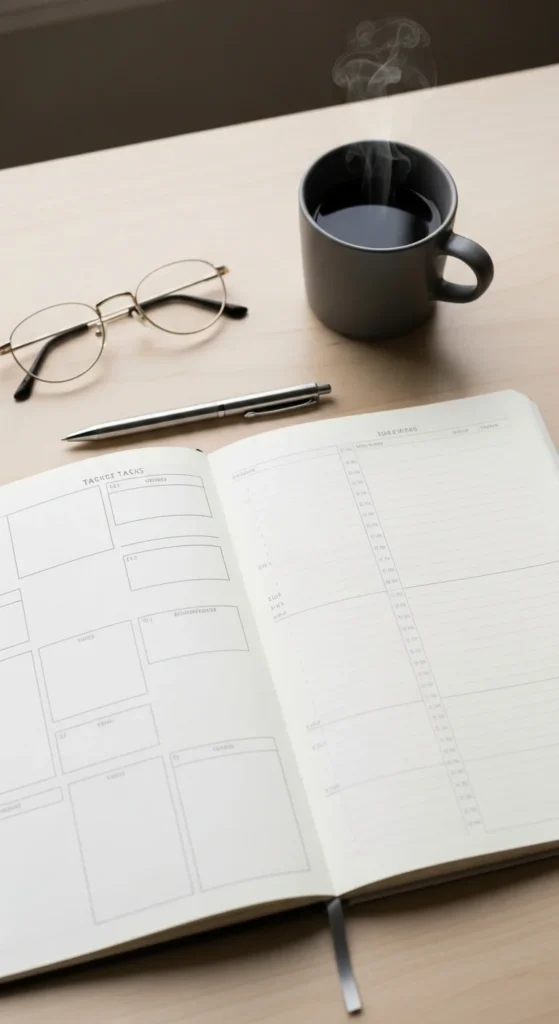
Work and study layouts bring structure without overwhelming detail. Divide the page into sections for tasks, priorities, and focus sessions. Small icons can represent time blocks or breaks. This layout works well for both students and professionals. Keeping decoration minimal helps tasks stand out clearly. Many people add a small reflection box at the bottom to note what worked and what felt heavy. This keeps planning connected to real experience. Updating these pages daily or weekly builds awareness without extra effort. You can reuse the same layout repeatedly to save time. Over weeks, patterns emerge naturally, showing how you work best.
19. Seasonal Theme Journal Rotations
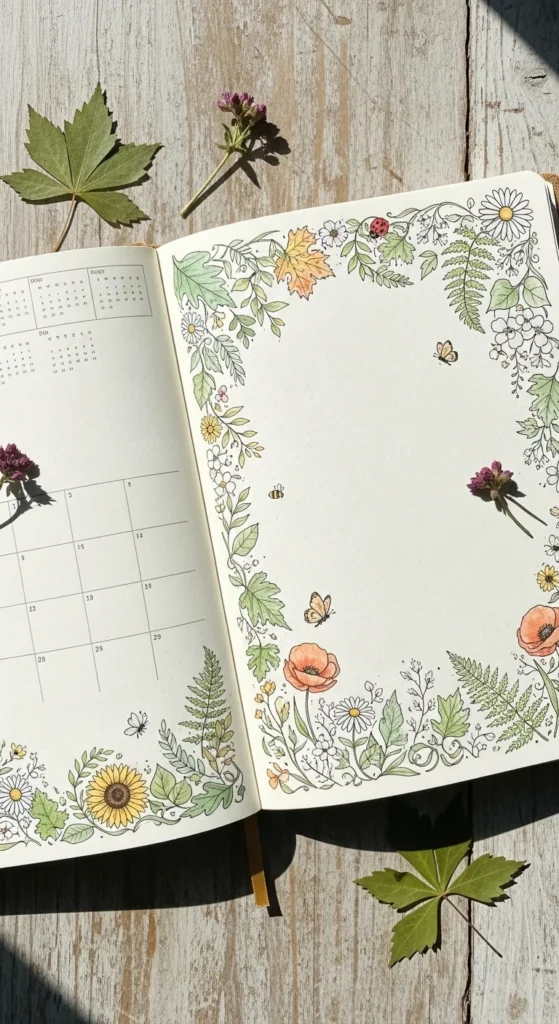
Seasonal theme pages refresh your journal without changing its structure. Choose one theme per season and repeat simple motifs across covers, headers, or corners. This keeps the journal visually cohesive while still feeling new. Supplies stay simple. One or two colors and a pen are enough. Seasonal layouts work well for people who lose interest when pages look the same for too long. You can rotate themes quarterly and reuse old ideas each year. This reduces planning time while keeping creativity alive. The journal starts to mirror the rhythm of the year rather than feeling static.
20. Color-Coded Index Pages
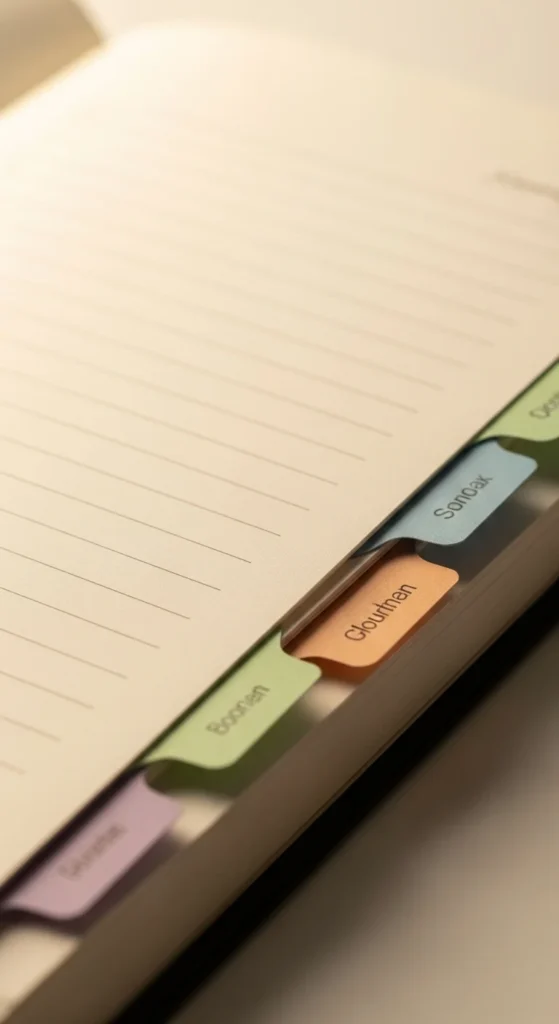
Index pages help you find content quickly without flipping endlessly. Create a simple list of sections and assign each one a color or symbol. Add page numbers as you go. This layout works best when updated regularly, even if just once a month. Using color dots or small shapes keeps the index readable without clutter. Over time, the index becomes a map of your journal. It reduces friction and makes journaling feel more usable. Supplies stay minimal and the payoff grows as the journal fills.
21. Letter-of-the-Month Practice Galleries
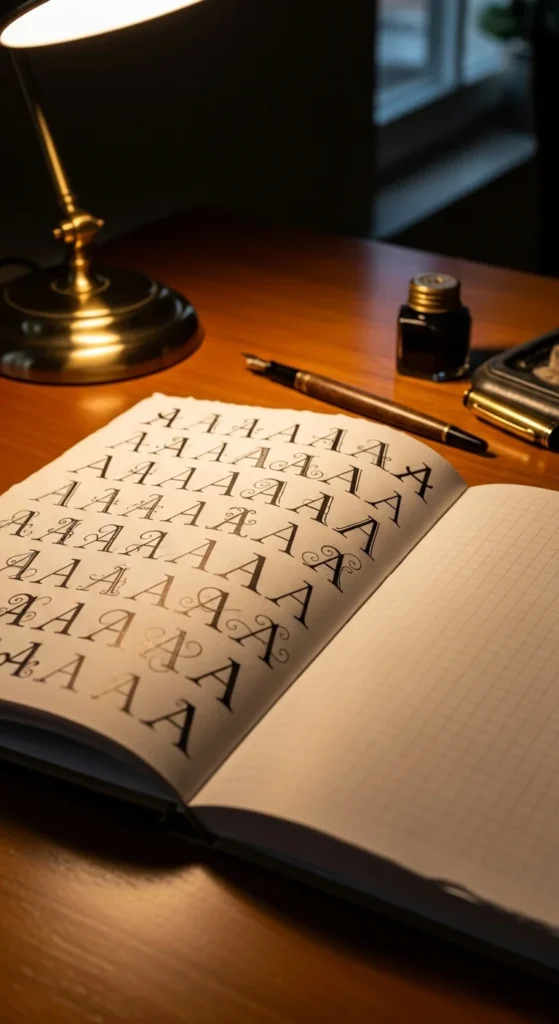
Letter-of-the-month pages focus on slow improvement. Choose one letter and practice it across a page in different styles. Uppercase, lowercase, bold, thin, playful. This layout removes comparison and keeps practice contained. You can revisit older pages to see growth clearly. These galleries also serve as references when designing titles later. A single pen is enough. No special tools required. This layout works well for people interested in lettering but short on time.
22. Hybrid Digital-and-Print Journal Pages
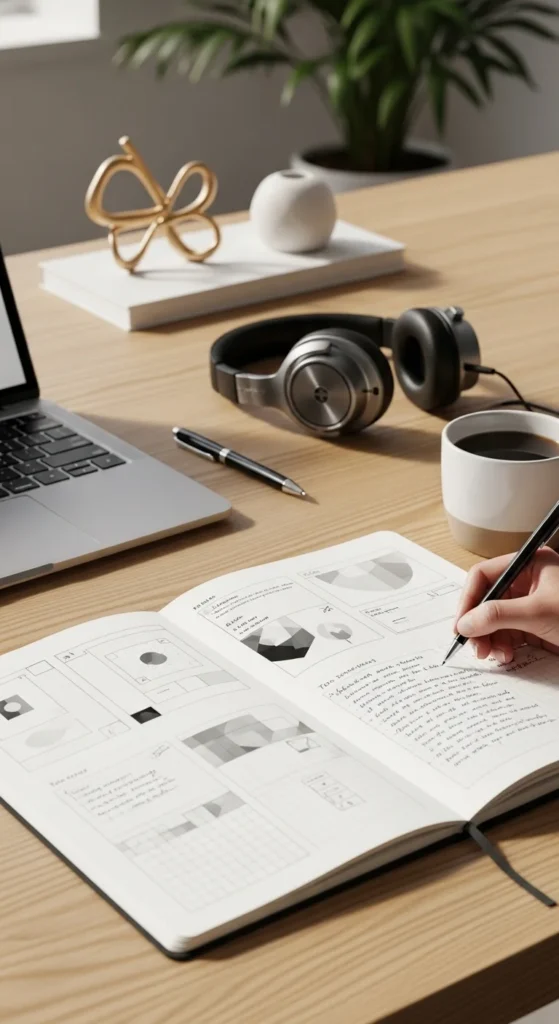
Hybrid pages mix printed templates with handwriting. Print trackers, calendars, or grids and paste them into your journal. Then add notes by hand. This saves setup time while keeping the journal personal. It works well for busy periods when drawing layouts feels like too much. Hybrid pages also help maintain consistency across months. You can reuse the same printed format and change only the content. This approach keeps journaling accessible even during low-energy weeks.
23. Year-End Review Collage Pages
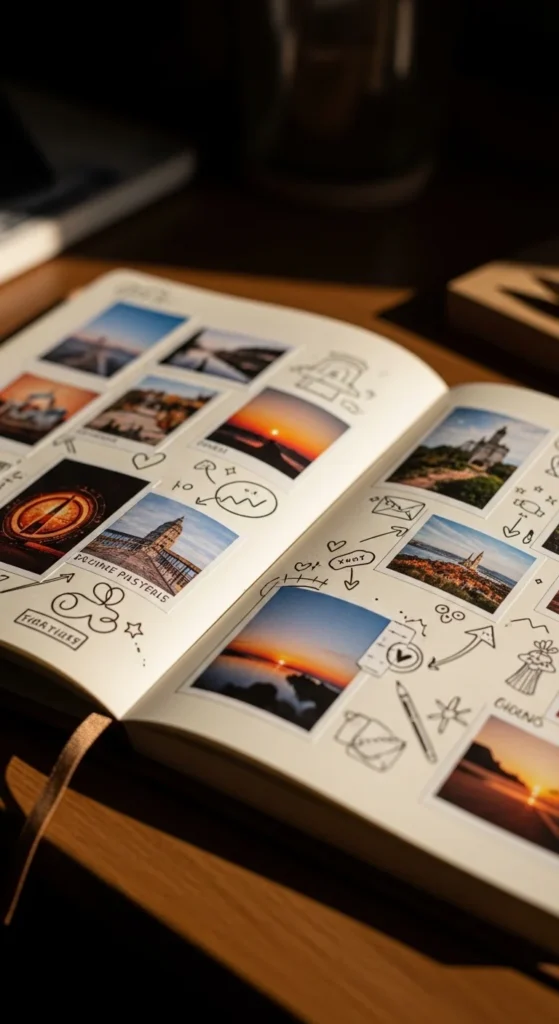
Year-end review collages focus on reflection through visuals. Add symbols for achievements, lessons, and moments that shaped the year. Photos, small drawings, or icons work well. This layout does not require long writing sessions. It helps close the year gently and prepares space for the next one. Many people build this page slowly over several days. That keeps the process calm and meaningful.
24. Sensory Doodle Corner Pages
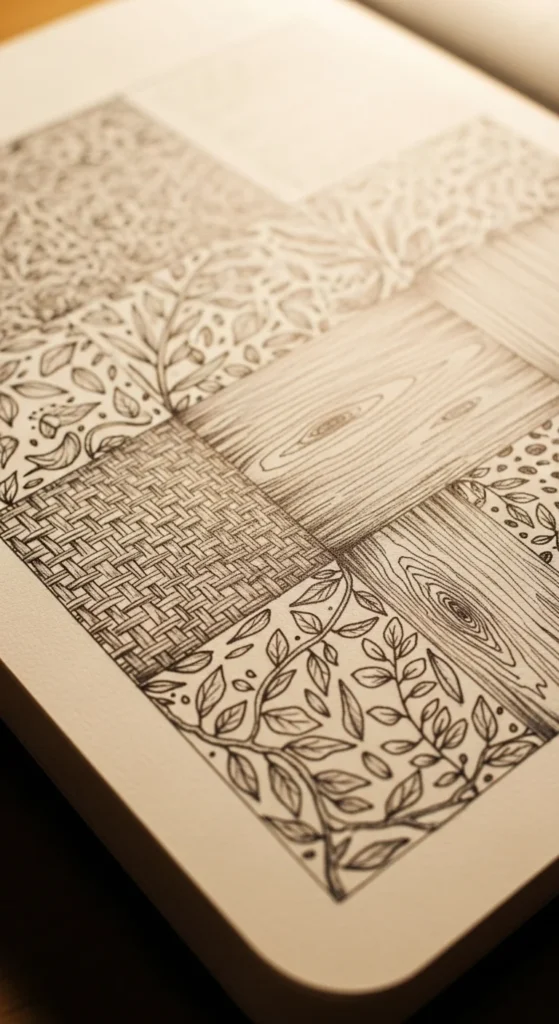
Sensory doodle corners add quiet creative breaks. Instead of full-page drawings, fill small corners with patterns inspired by texture and touch. Wood grain, fabric folds, leaves, or waves work well. These doodles require no planning and fit easily between structured pages. They help release tension and make the journal feel lived-in. A single pen or pencil is enough.
25. Minimal Daily Log Layouts
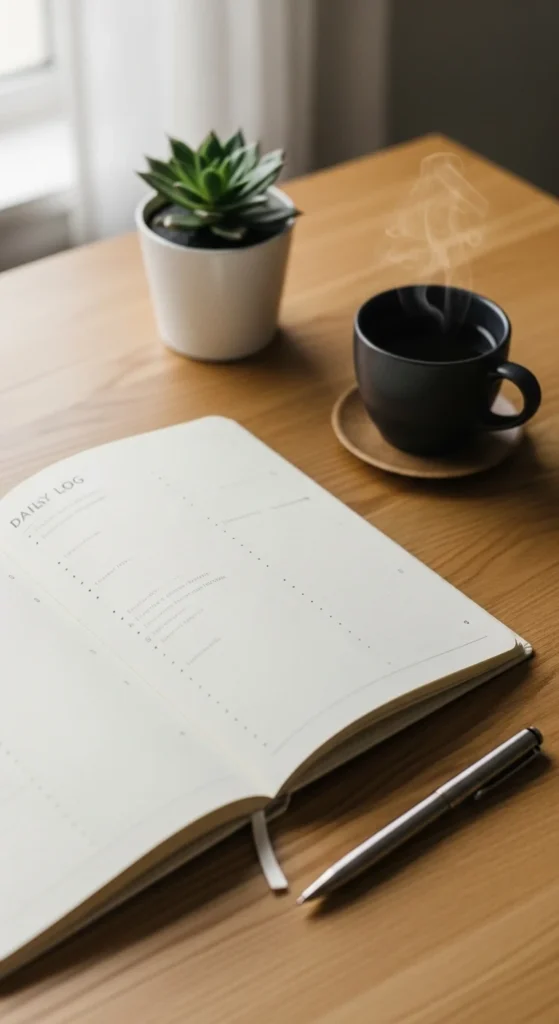
Minimal daily logs keep journaling consistent without pressure. Write one or two lines per day. That is enough. This layout works well during busy weeks when time is limited. Spacing matters more than decoration. Leaving white space keeps the page calm. Over time, these short notes create a clear record of daily life without effort.
26. Open Free-Space Journal Pages

Free-space pages remove expectations completely. Leave them blank until something wants to appear. A thought, sketch, list, or nothing at all. These pages protect the journal from becoming rigid. They allow creativity to arrive naturally. Many people place free-space pages between structured sections to prevent burnout. They remind you that journaling is allowed to be loose and personal.
Conclusion
Journaling layouts work best when they fit your life, not someone else’s routine. By mixing functional spreads with creative space, your journal becomes a tool you actually use. Start with one or two ideas, keep supplies simple, and let layouts evolve naturally. Over time, these pages turn into a personal record that feels calm, useful, and worth returning to.

Lily Summers is a digital artist and creative storyteller who loves bringing colorful characters to life. With a passion for cartoons, fan art, and playful sketches, she inspires others to explore their imagination through art. When she’s not sketching, you’ll find her dreaming up new ideas for CraftedWizard.com to spark creativity in every artist. 🌈✨