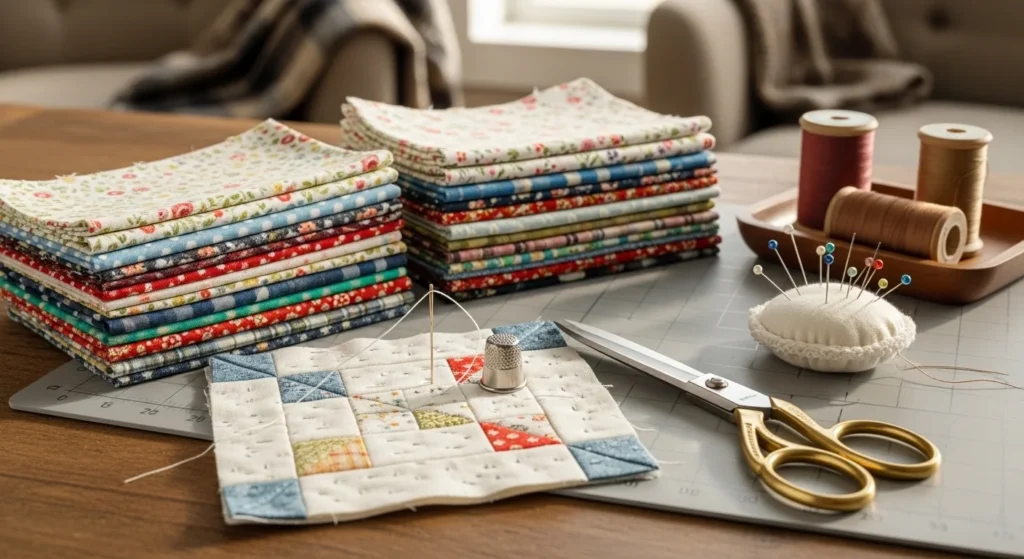
Quilting has a reputation for being expensive and complicated but it doesn’t have to be. You don’t need a fancy sewing machine, specialty rulers, or a studio full of supplies to make your first quilt. In fact, quilting began as a practical craft made from scraps, patience, and simple tools.
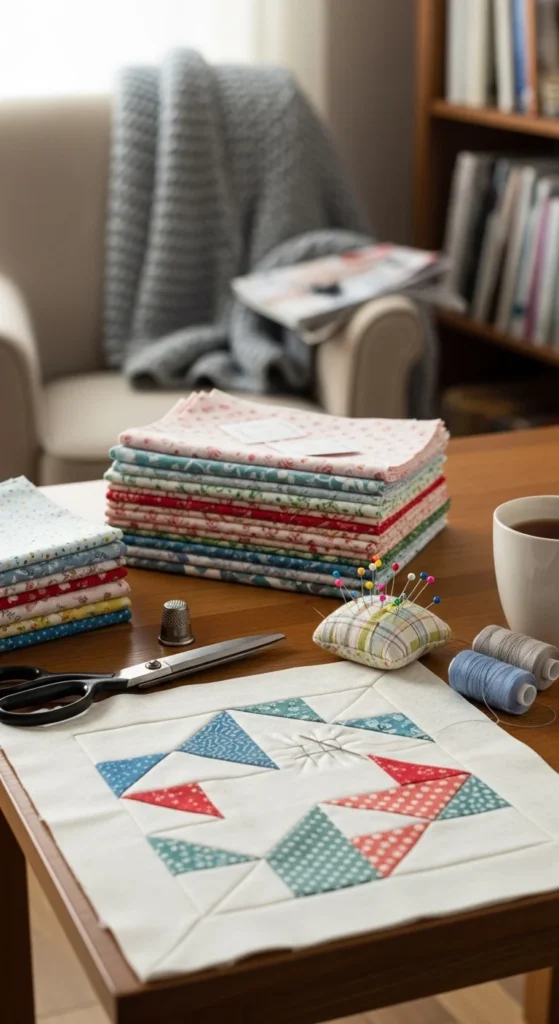
If you’ve ever wanted to try quilting but felt intimidated by the cost, this guide will show you how to start simply, affordably, and confidently.
What Quilting Really Is (Simplified)
At its core, quilting is just three layers sewn together:
- A top layer (the design)
- A middle layer (batting or padding)
- A backing fabric
That’s it.
Everything else special tools, patterns, machines exists to make quilting faster or more precise, not to make it possible. Beginners can absolutely quilt with the basics.
Essential Tools You Actually Need
Let’s strip quilting down to the essentials.
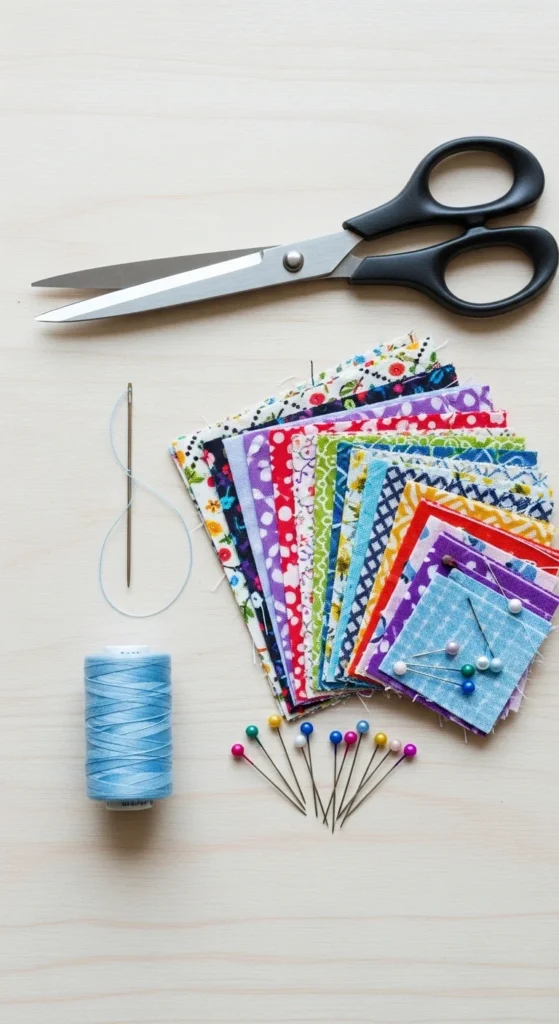
You can start with:
- Fabric scraps or old clothes
- Needle and thread
- Scissors
- Pins or safety pins
- A flat surface (table or floor)
Optional but helpful:
- Chalk or pencil for marking
- Iron (or even careful finger-pressing)
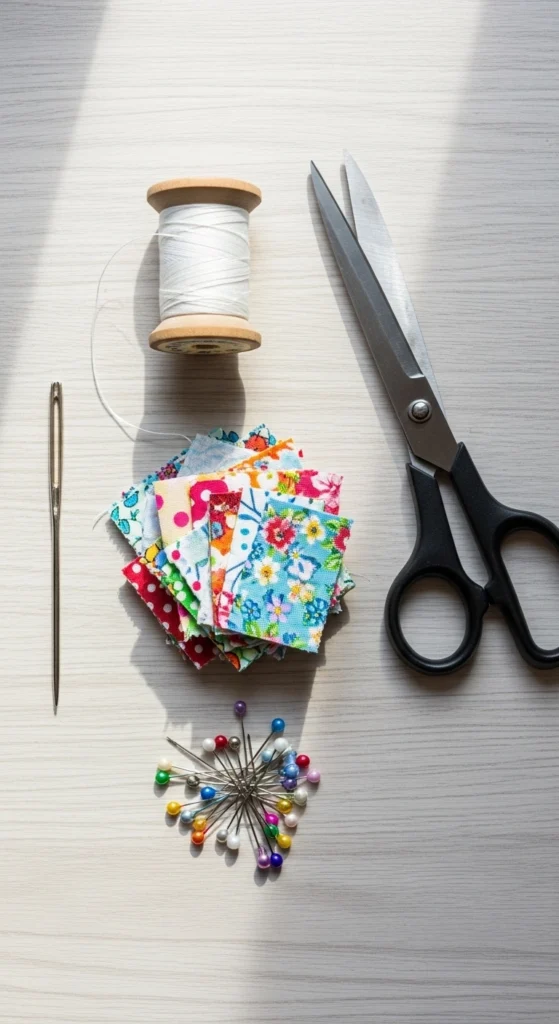
That’s enough to make your first quilted project no machine required.
Choosing Fabric Without Buying New Supplies
Fabric is often the biggest cost barrier, but it doesn’t have to be.
Great free or low-cost fabric sources:
- Old cotton shirts or pajamas
- Worn bedsheets
- Fabric scraps from previous projects
- Thrift store linens
Tips for beginners:
- Stick to cotton when possible
- Avoid stretchy fabrics at first
- Wash and iron fabric before cutting
Quilting has always been about reuse. Scraps aren’t a shortcut—they’re tradition.
Start Small (This Is Important)
Don’t begin with a full bed quilt. That’s overwhelming.
Beginner-friendly projects:
- Mug rugs
- Pillow covers
- Table runners
- Baby quilts
- Wall hangings
Smaller projects teach the same skills without the frustration.
Finishing something small builds confidence fast.
The Easiest Quilt Pattern for Beginners
You don’t need complex patterns to start quilting.
Try this simple method:
- Cut fabric into equal squares (all the same size)
- Arrange them in a grid
- Sew squares together row by row
This is called a patchwork quilt, and it’s perfect for beginners.
Helpful tips:
- Bigger squares = easier sewing
- Fewer seams = less frustration
- Imperfect lines are okay
Your first quilt is about learning, not perfection.
Sewing by Hand (Yes, It Works)
You don’t need a sewing machine to quilt.
Hand quilting basics:
- Use a simple running stitch
- Keep stitches small but relaxed
- Focus on consistency, not speed
Thread choice:
- All-purpose cotton thread works fine
- Double the thread for strength if needed
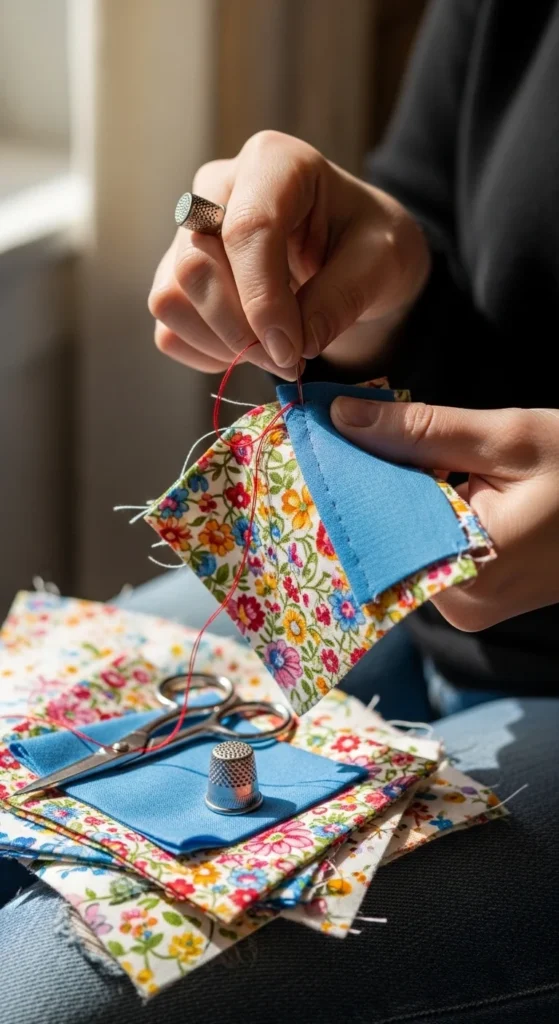
Hand quilting is slower but also calming and deeply satisfying.
Making Your Own Batting (Padding)
Batting can be expensive, but there are alternatives.
Affordable batting options:
- Old blankets
- Flannel sheets
- Layers of fabric scraps
As long as the middle layer is soft and evenly spread, it works.
This is especially great for small projects.
Layering and Quilting Without Special Tools
To assemble your quilt:
- Lay the backing fabric flat
- Place batting on top
- Add the quilt top
- Pin all layers together
Then stitch:
- Straight lines
- Simple grids
- Around square edges
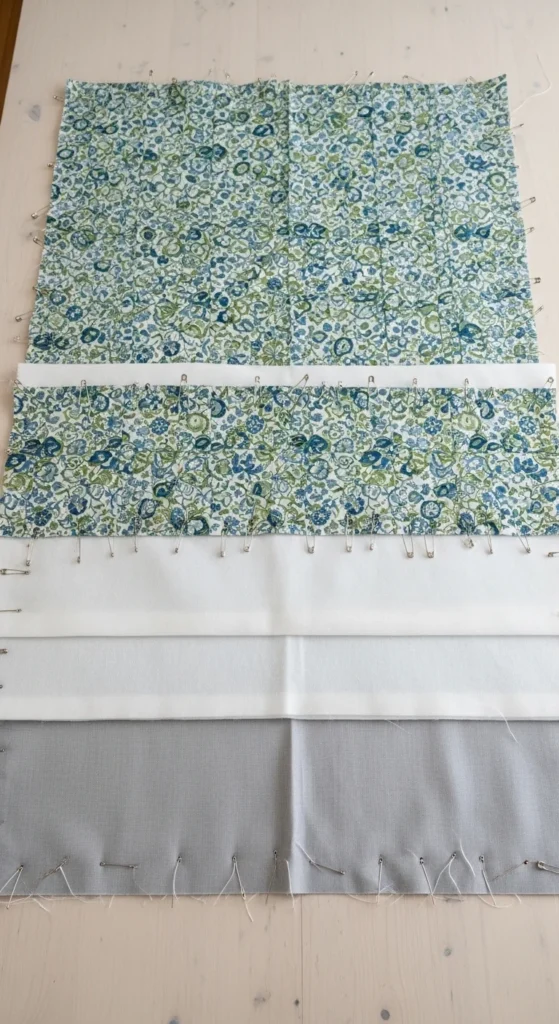
You don’t need fancy designs simple stitching is beautiful.
Common Beginner Mistakes (And How to Avoid Them)
Everyone makes mistakes. That’s part of quilting.
Watch out for:
- Starting too big
- Mixing fabric types
- Pulling stitches too tight
- Expecting perfection
Fixes:
- Go smaller
- Use similar fabrics
- Relax your grip
- Keep going anyway
Finished beats perfect always.
Keeping Quilting Affordable Long-Term
Once you start, it’s easy to want everything. Resist that urge.
Budget-friendly habits:
- Collect scraps over time
- Borrow tools when possible
- Upgrade slowly, only when needed
- Practice skills before buying gadgets
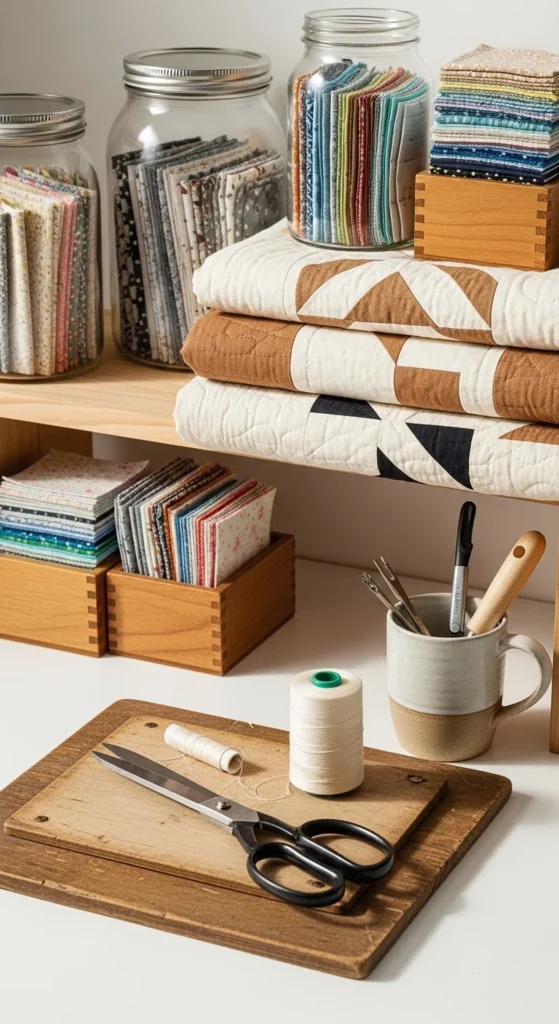
Skill matters more than tools.
Why Quilting Is Worth Starting (Even Simply)
Quilting offers:
- A creative outlet
- A calming, hands-on process
- Functional, meaningful results
- A connection to tradition
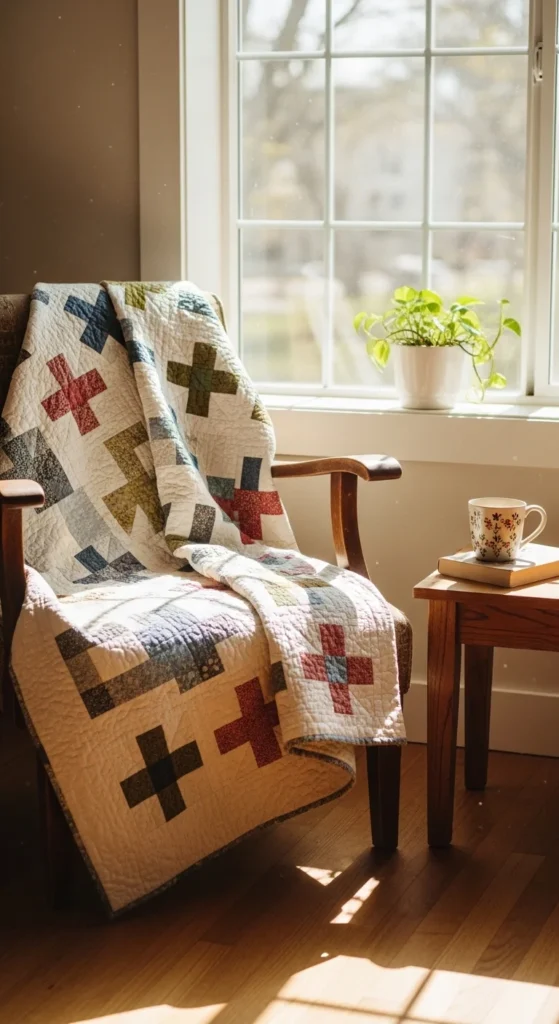
And you don’t need money to access any of that.
Final Takeaway
You don’t need expensive tools to start quilting—you need curiosity, patience, and a willingness to learn as you go. With simple supplies and small projects, quilting becomes approachable, relaxing, and deeply rewarding.
Save this guide for later, gather a few scraps, and take your first stitch into quilting—one square at a time.

Lily Summers is a digital artist and creative storyteller who loves bringing colorful characters to life. With a passion for cartoons, fan art, and playful sketches, she inspires others to explore their imagination through art. When she’s not sketching, you’ll find her dreaming up new ideas for CraftedWizard.com to spark creativity in every artist. 🌈✨