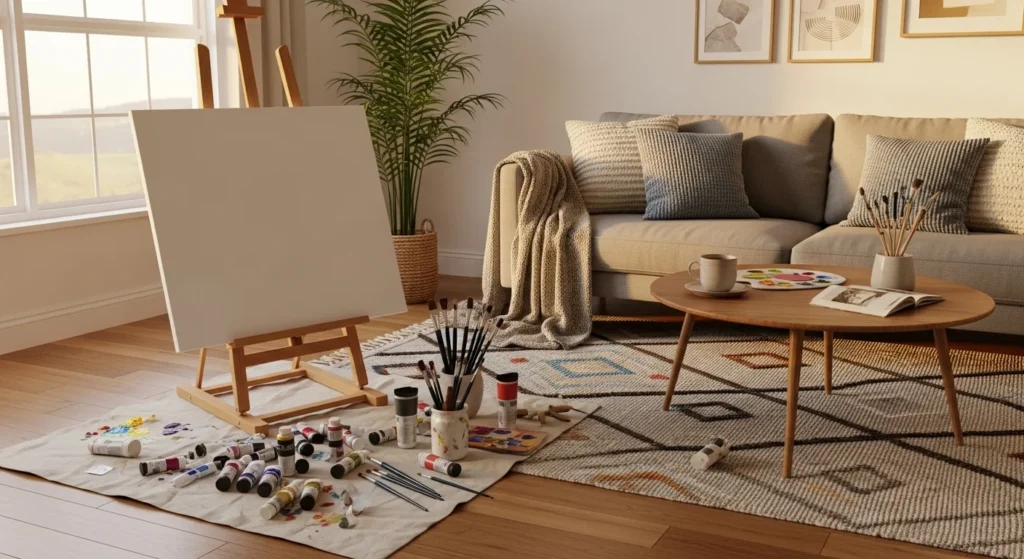
Tired of blank walls or mass-produced prints that don’t quite fit your space? Creating your own DIY abstract wall art is easier—and more satisfying—than you might think. With just a few colors, brushes, and a bit of creativity, you can make something that perfectly matches your style and brings personality to your living room.
The beauty of abstract art is that there’s no wrong way to do it. You don’t need to draw or follow a strict pattern; it’s all about playing with color, texture, and emotion. Here’s how to paint your own stunning wall art piece in a single afternoon.
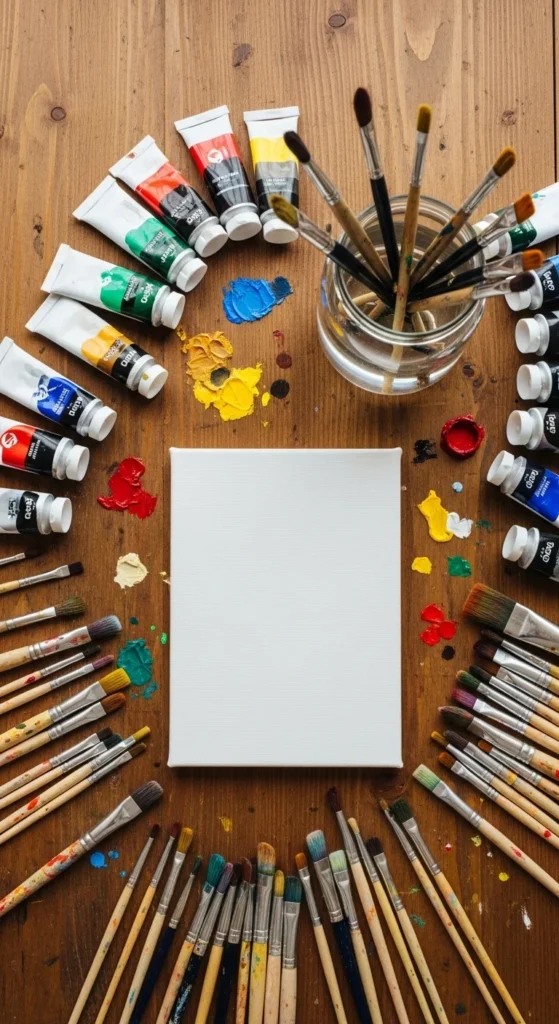
Gather Your Supplies
Before you start, set up your art station. Having everything within reach keeps the process fun and stress-free.
You’ll need:
- A canvas (medium or large size for a bold statement)
- Acrylic paints in your favorite color palette
- Brushes in different sizes, plus a sponge or palette knife
- Palette or paper plate for mixing colors
- Water cup and paper towels for easy cleanup
Pro tip: Protect your floor or table with old newspaper or a drop cloth—you’ll want the paint on your art, not your furniture!
Choose Your Color Story
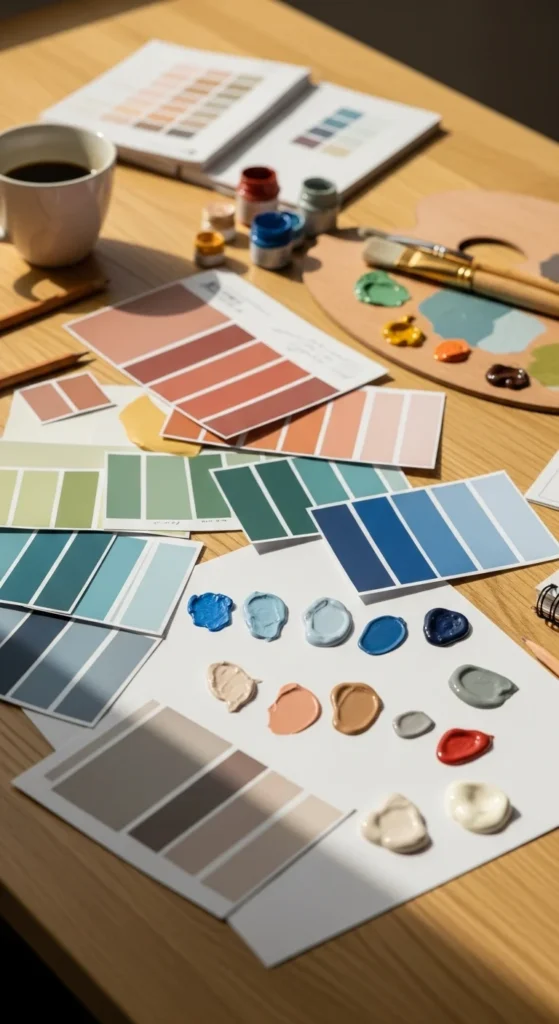
Your color palette sets the tone of your art—and the mood of your living room.
Ask yourself:
- Do you want a calming vibe? Try blues, creams, and soft grays.
- Looking for energy and warmth? Go for mustard, coral, and terracotta.
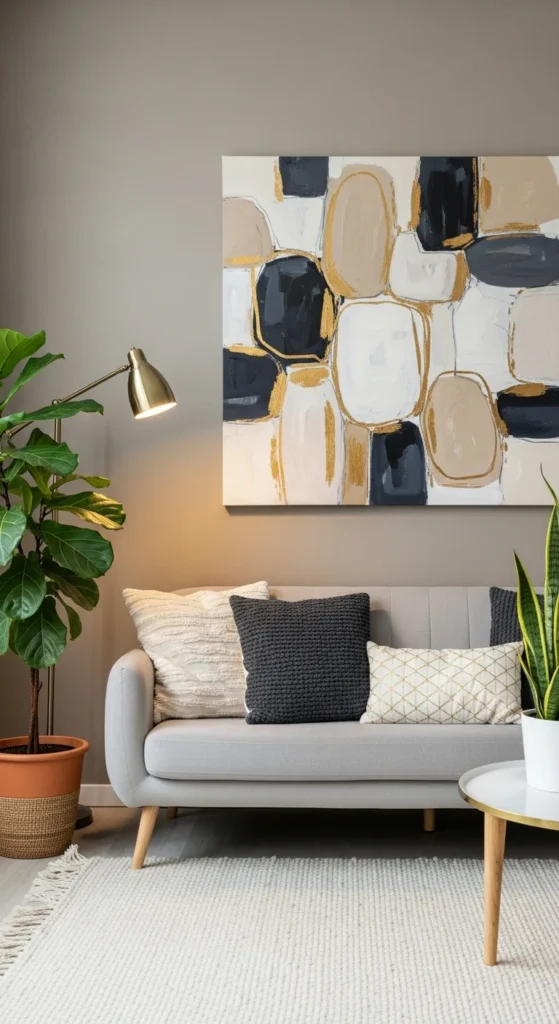
- Love minimalist elegance? Black, white, and gold make a chic combo.
Stick to 3–5 colors that complement each other. Use Pinterest or paint swatches for inspiration.
Start with the Background
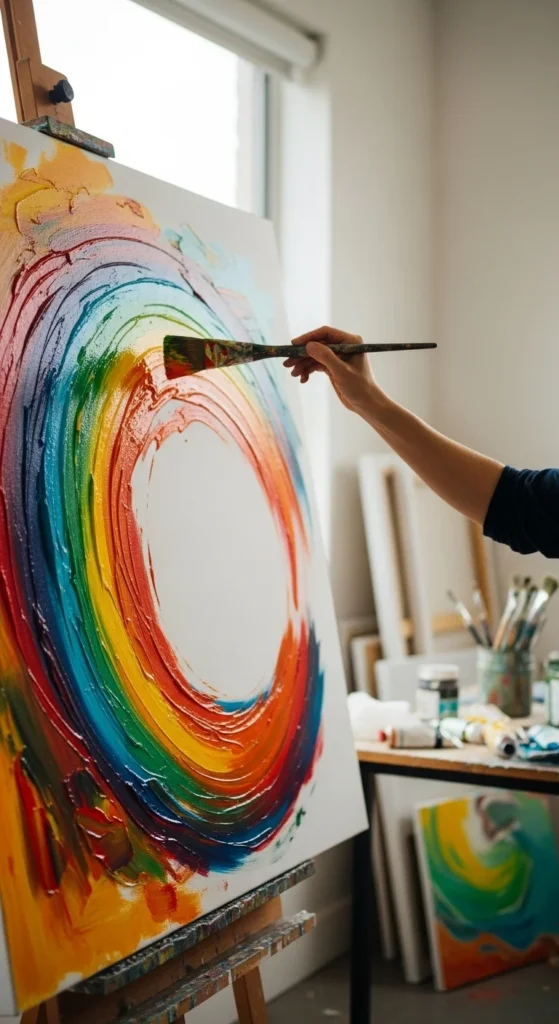
This is your foundation. Use a large brush or sponge to paint loose, uneven strokes across the canvas. Don’t aim for perfection—embrace texture and motion.
Ideas to try:
- Blend two or three colors together while they’re still wet.
- Add a dry-brushed layer for texture.
- Use circular or diagonal strokes to guide the eye.
Let the first layer dry completely before adding more detail. Acrylic paints dry fast, so you won’t have to wait long.
Add Layers and Texture
Abstract art comes alive with depth. Once your base is dry, start layering new shapes, splatters, or lines.
Here are some fun techniques:
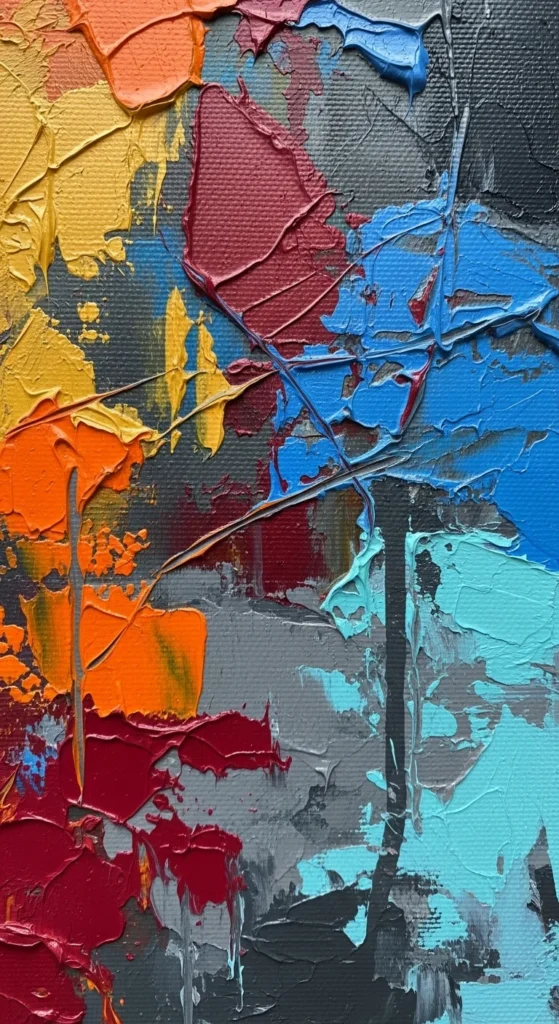
- Palette knife scraping: Drag a knife across the canvas for sharp, modern streaks.
- Sponge dabbing: Add soft clouds of color for a blended look.
- Splatter effect: Flick diluted paint from a brush for energy and movement.
- Contrast play: Add bold strokes of a darker or metallic tone to make areas pop.
Experiment and let intuition guide you—sometimes the “accidents” turn out to be the best part of the piece.
Find Balance and Flow
Step back every few minutes to look at your painting from a distance. This helps you see the overall balance—whether the composition feels too heavy on one side or if the colors blend well.
Ask yourself:
- Do my eyes move naturally across the piece?
- Is there a good mix of light and dark areas?
- Does it feel finished, or does it need one more detail?
Don’t overthink it. The charm of abstract art lies in imperfection and feeling, not precision.
Frame and Display It
Once your masterpiece dries, it’s time to make it part of your living room!
Options include:
- Floating frames for a sleek, gallery look.
- Unframed canvases for a modern, raw aesthetic.
- Triptych sets (three smaller canvases side by side) for larger spaces.
Hang it above your sofa, near a plant corner, or beside a mirror for maximum impact. You’ll be surprised how much warmth and character your DIY art adds to the room.
Extra Tips for Stunning Results
- Use metallic paints like gold or copper for subtle shimmer.
- Play with negative space—leave some canvas unpainted for a modern feel.
- Don’t chase perfection. The best pieces are spontaneous.
- Seal with a matte or glossy varnish to protect your work and enhance the colors.
Idea: Try making two or three smaller pieces that share a color palette to create a cohesive wall set.
Final Thoughts
Painting your own abstract art isn’t just a weekend project—it’s a creative escape that personalizes your home. Every brushstroke reflects your mood and style, making your space uniquely yours.
So grab those paints, turn on some music, and let your imagination lead the way.
🎨 Save this guide for later and start creating your own gallery-worthy wall art today!

Lily Summers is a digital artist and creative storyteller who loves bringing colorful characters to life. With a passion for cartoons, fan art, and playful sketches, she inspires others to explore their imagination through art. When she’s not sketching, you’ll find her dreaming up new ideas for CraftedWizard.com to spark creativity in every artist. 🌈✨