Layering home accessories can transform any room from flat to fascinating. When done thoughtfully, layers add depth, personality, and a sense of completeness. Many shy away from layering, fearing clutter, but with the right strategies, anyone can create a professional, curated look. Today, we’ll explore step-by-step techniques to mix textures, patterns, and heights like a designer.
Start with a Cohesive Color Palette

Begin by establishing a color family to unify your layers. Choose two to three primary shades and repeat them throughout accessories. This ensures even diverse textures and patterns feel intentional rather than chaotic. For instance, a neutral sofa can host pillows in various fabrics, all within the same tone range. When mixing in accent pieces like vases or trays, echo these colors to tie the room together. Using a cohesive palette is the first pro step to creating a polished layered space.
Mix Textures for Tactile Interest

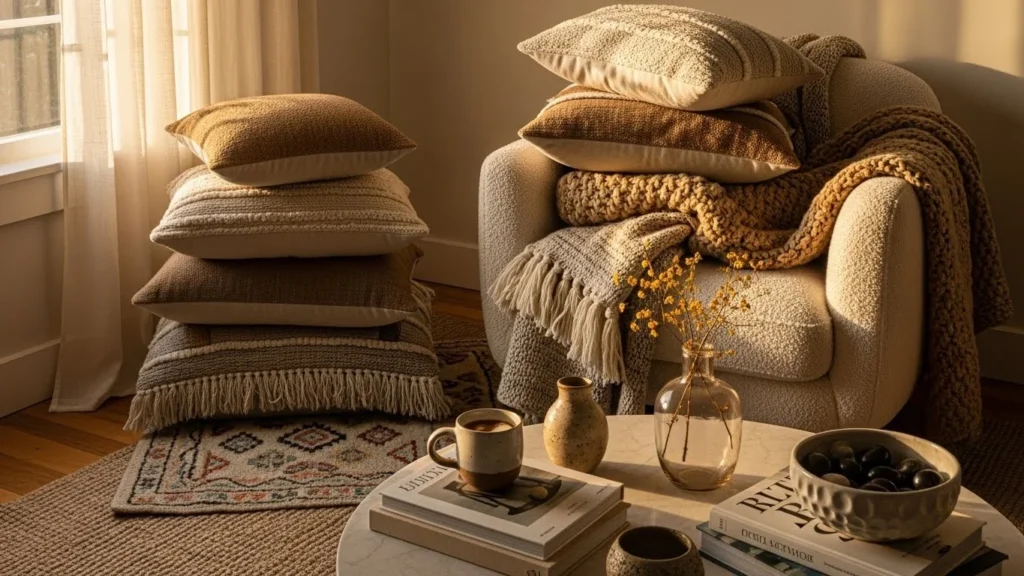
Textures give depth that color alone cannot provide. Combine materials such as velvet, linen, wool, and leather to keep your space dynamic. For example, a wool throw over a velvet pillow adds softness and visual interest. Don’t forget hard textures ceramic, glass, or metal accessories contrast beautifully with soft fabrics. Keep your combinations balanced: too many textures at once can overwhelm, but thoughtful texture mixing brings a lived-in, designer vibe.
Layer Rugs to Define Zones

Rugs anchor spaces while adding color and pattern. Start with a neutral base rug and layer a smaller patterned or textured rug on top. This not only creates visual interest but also defines areas in open-plan rooms. Consider scale and proportion larger base rugs with smaller accent rugs work best. Layering rugs also allows seasonal swaps: heavier wool for winter, lighter jute for summer, keeping your decor fresh and functional year-round.
Play with Pillow Sizes

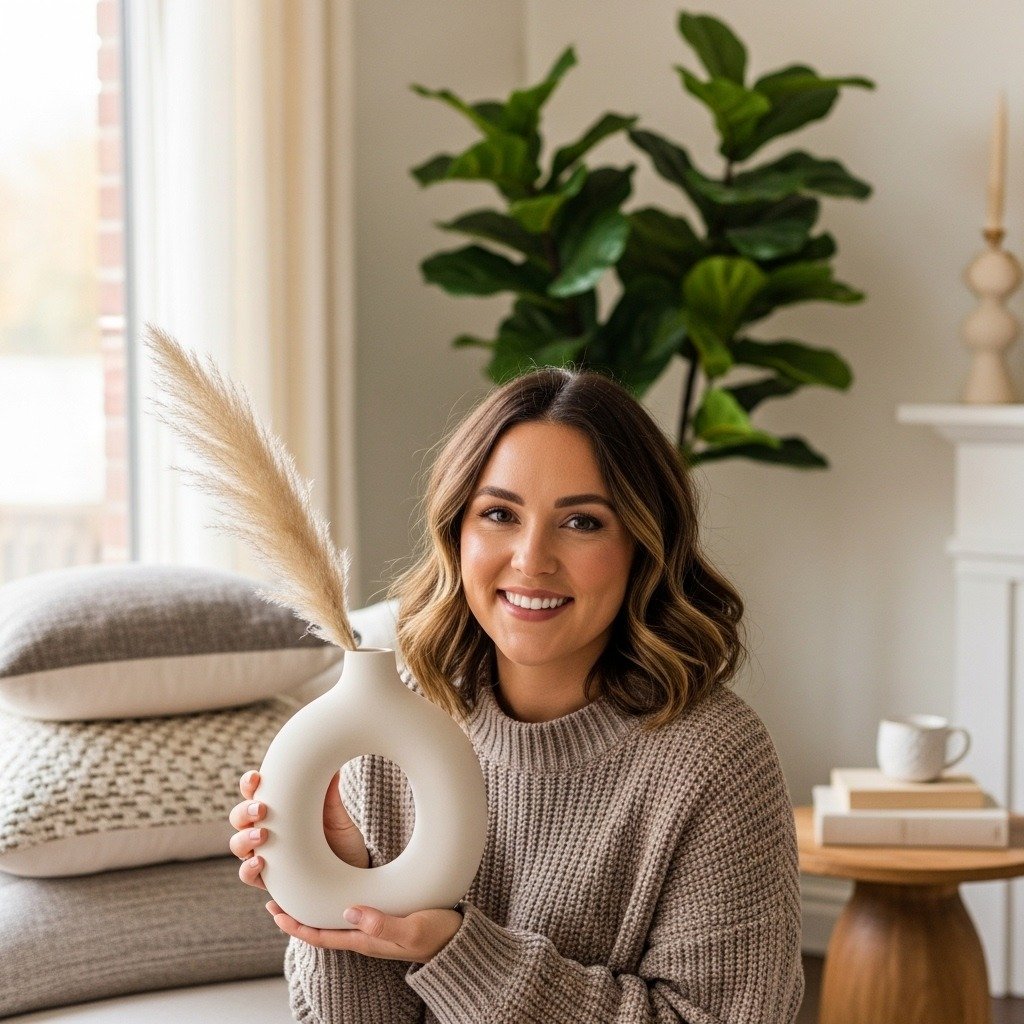
Varying pillow sizes avoids uniformity and adds a designer touch. Follow the 24-20-16 inch formula to create a layered, pyramid effect. Mix solid and patterned fabrics, repeating your color palette. You can also mix textures linen with velvet or knit for extra interest. Pillows are inexpensive and versatile accessories, making them a quick win for layered styling that’s both cozy and visually appealing.
Use the Rule of Three for Accessories

Grouping objects in threes is a simple way to balance scale and interest. Select items with different heights, shapes, and textures. Mirrors, candles, and small sculptures work well together. Use a tray to contain your grouping—this adds cohesion and makes rearranging easy. The rule of three ensures your space feels intentional and curated without appearing cluttered.
Add Dimensional Wall Art

Move beyond flat prints by incorporating sculptural or textured pieces. Wall layers add visual intrigue and complement tabletop layers. For example, a metal wall sculpture above a console can interact with vases or lamps below. This technique also helps create focal points that draw the eye and elevate your design from simple to sophisticated.
Layer Lighting for Ambiance

Combine ambient, task, and accent lighting for depth. A ceiling fixture sets overall light, a table lamp adds task functionality, and accent lighting highlights accessories. Layered lighting creates warmth and highlights your carefully curated layers. Opt for dimmers to adjust mood and make each layer feel intentional rather than overlit.
Curate Window Treatments

Dual window treatments let you control light and texture simultaneously. Pair sheers with heavier drapes to create depth while allowing flexibility. You can swap fabrics seasonally light linens in summer, heavier velvets in winter to refresh the look. Window layers also frame your space, reinforcing the feeling of a complete, styled room.
Curated Vignettes on Surfaces

Use mirrored or wooden trays to gather objects, creating visual order and elegance. Mix in personal touches like books, candles, or plants. Vignettes make surfaces feel curated, preventing clutter while allowing your accessories to shine. Rotating items seasonally or thematically keeps displays fresh and visually engaging.
Seasonally Swap Textures

Change accessories to match seasonal moods. Switch out light linens for wool or mohair in colder months, and bring in airy cottons or woven baskets in warmer seasons. Seasonal swaps keep your space dynamic and ensure that layers feel intentional year-round. Even small changes in texture or color can make a room feel completely refreshed.
Conclusion
Layering accessories like a pro is about balance, repetition, and thoughtful combinations. Start with a cohesive color palette, mix textures, and vary scales to create depth. Utilize the rule of three, curated vignettes, and layered rugs to tie everything together, and don’t forget lighting and window treatments to enhance the effect.
By following these techniques, your home can feel both curated and lived-in, offering warmth, sophistication, and personality in every corner. Small, intentional steps like swapping pillow sizes or adding a mirrored tray can make a big design impact without overwhelming your space.
Experiment, edit, and enjoy the process. Over time, layering will feel intuitive, helping you craft a home that’s both stylish and inviting. Save this guide for your next refresh and start layering with confidence!