Great decor doesn’t come from guessing it comes from a few simple rules that designers rely on again and again. The good news? These rules aren’t rigid or boring. They’re flexible, beginner-friendly, and once you know them, decorating feels effortless instead of overwhelming.
If you’ve ever stood in a room thinking “Why doesn’t this look right?” This guide is for you.
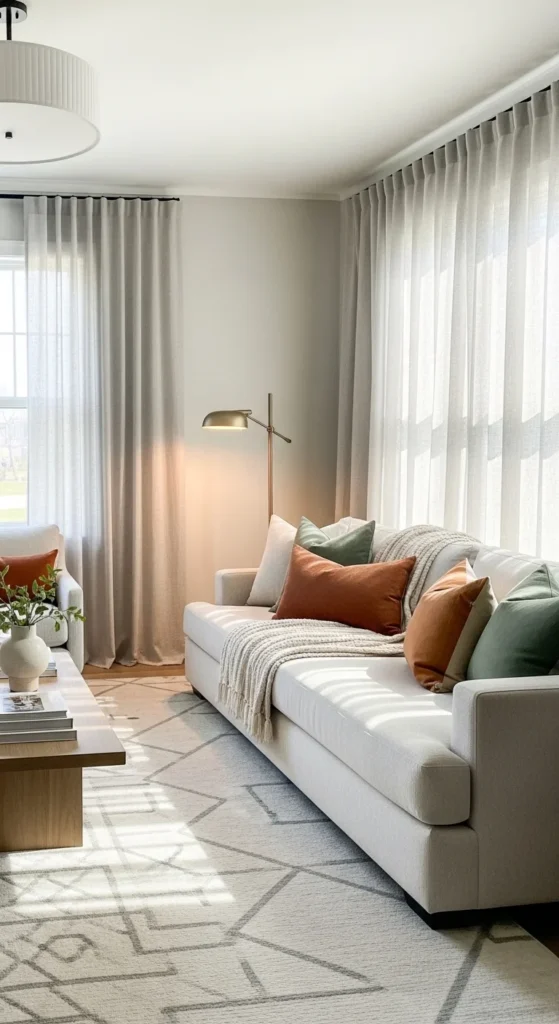
Let’s break down the decor rules that always work and how to use them in real homes.
Rule 1: Start With Balance (It’s About Visual Weight)
Balance is what makes a room feel calm instead of chaotic. It’s not about matching everything, it’s about even visual weight.
There are two easy ways to create balance:
- Symmetrical balance: matching lamps, chairs, or nightstands (great for bedrooms and formal spaces)
- Asymmetrical balance: different objects with similar visual weight (perfect for relaxed living rooms)
5 Balance Hacks for Instant Harmony
- Pair a large sofa with two lighter chairs
- Offset a heavy cabinet with art or a tall plant
- Use pairs for calm, clusters for energy
- Balance dark items with lighter ones
- Spread bold colors evenly across the room
If something feels “off,” it’s usually a balance issue.
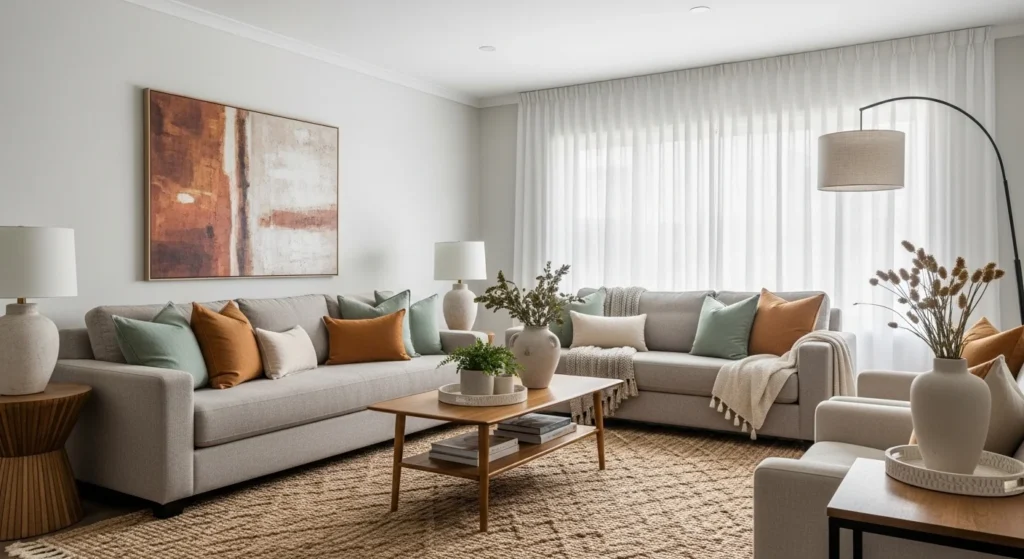
Rule 2: Use the 60-30-10 Color Formula
If color choices stress you out, this rule changes everything. The 60-30-10 rule is a simple color math formula designers swear by.
Here’s how it works:
- 60% = dominant color (walls, large furniture)
- 30% = secondary color (rugs, curtains, upholstery)
- 10% = accent color (pillows, art, decor)
This keeps rooms cohesive without looking flat.
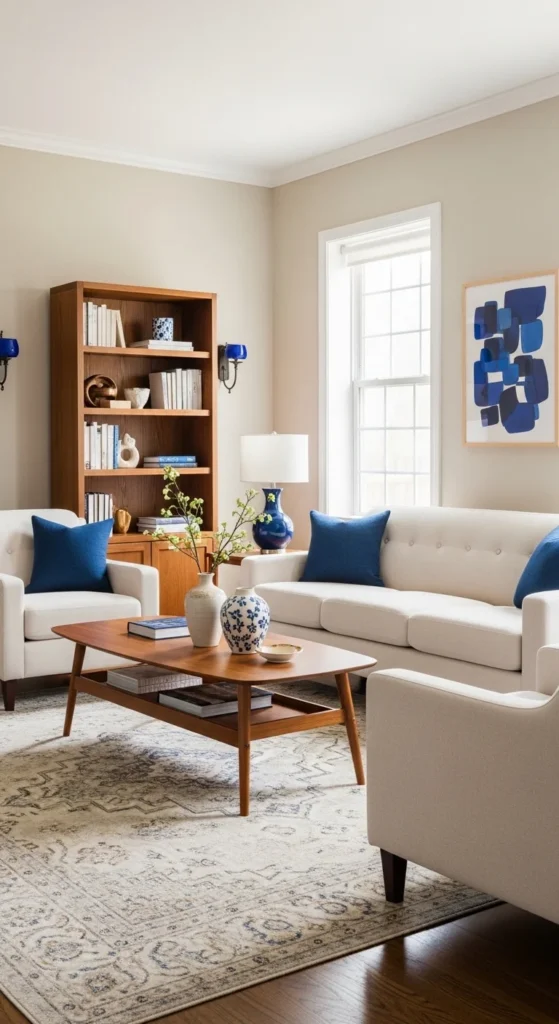
Stick to this formula, and almost any palette will look intentional.
Rule 3: Always Create One Clear Focal Point
Every room needs a star, something your eye lands on first. Without a focal point, spaces feel confusing and unfinished.
Common focal points include:
- A fireplace
- A large piece of art
- A statement headboard
- A bold rug or chandelier
Focal Point Finder Checklist
- Is it visible when you enter the room?
- Is everything else arranged toward it?
- Is it stronger than surrounding elements?
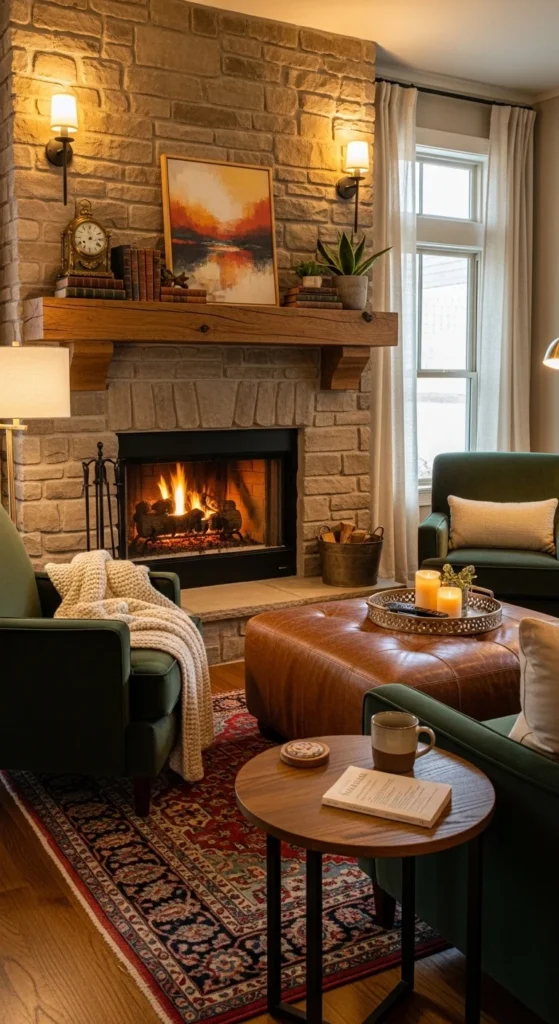
Once your focal point is clear, decorating decisions become much easier.
Rule 4: Layer Textures for Depth (Not More Stuff)
Rooms look flat when everything is the same finish. The fix? Layer textures, not clutter.
Aim for at least three texture types in every space:
- Soft: linen, cotton, velvet
- Natural: wood, rattan, stone
- Smooth or glossy: glass, metal, ceramics
Texture Trio Guide: Mix Like Pros
- Matte walls + woven rug + glossy decor
- Leather sofa + knit throw + wood table
- Stone countertop + ceramic vase + linen runner
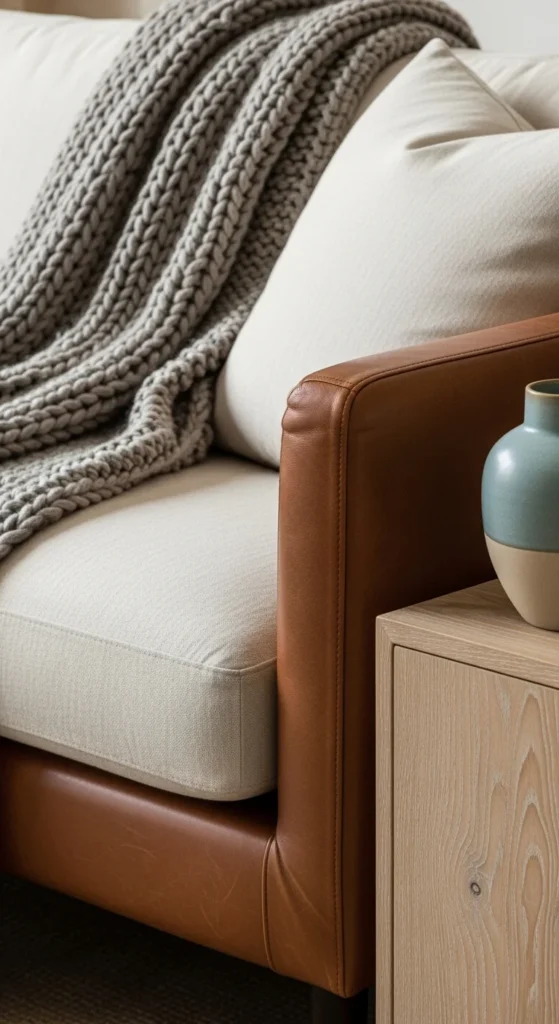
Texture adds richness without overwhelming the room.
Rule 5: Respect Scale and Proportion
Even beautiful furniture looks wrong if the size doesn’t fit the room.
Common scale mistakes:
- Rugs that are too small
- Oversized furniture in tight spaces
- Tiny art floating on large walls
Furniture Sizing Rules That Work
- Front legs of furniture should sit on the rug
- Art should fill about ⅔ of wall width above furniture
- Coffee tables should be ½–⅔ the sofa length
Getting scale right instantly makes your home feel more polished.
Rule 6: Repeat Elements to Create Rhythm
Repetition creates flow. When colors, shapes, or materials repeat, your eye moves smoothly through the room.
Easy ways to build rhythm:
- Repeat wood tones in furniture and frames
- Echo accent colors in pillows, art, and decor
- Use similar shapes (round tables + round mirrors)
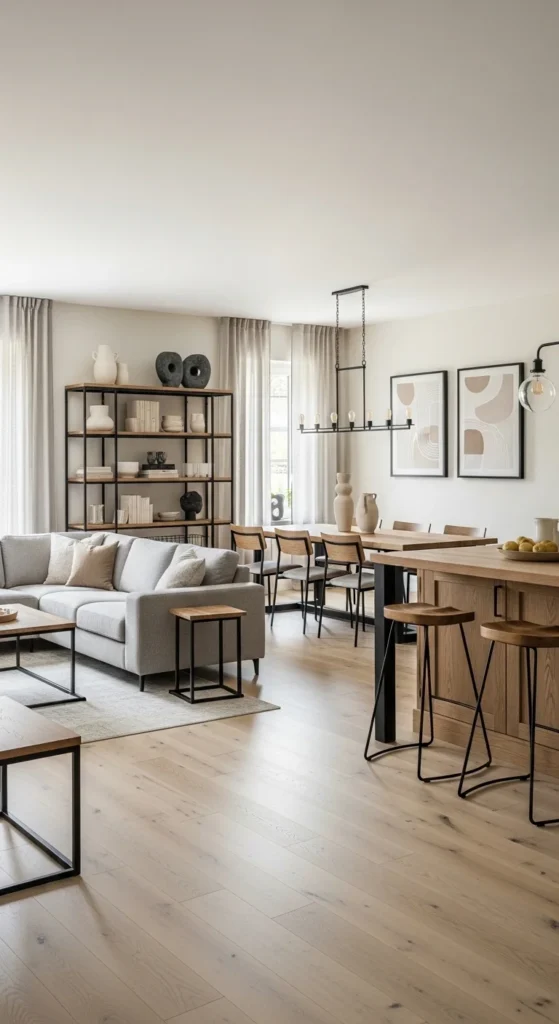
Think of repetition as the quiet glue holding everything together.
Rule 7: Leave Breathing Room (Negative Space Matters)
Not every surface needs decor. Negative space gives your room a chance to breathe and makes styled areas stand out more.
Try this:
- Clear one shelf completely
- Leave space between furniture
- Edit decor down by 20%
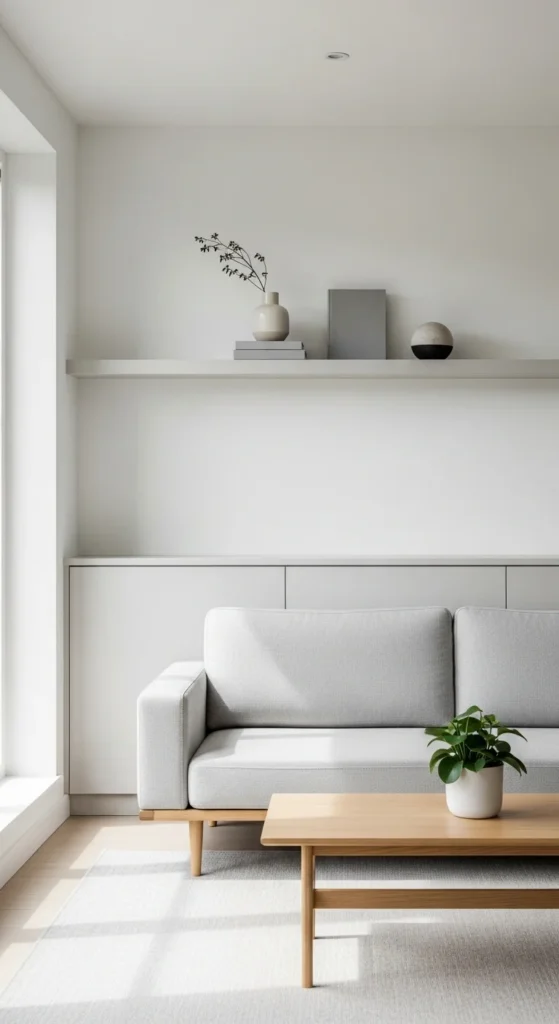
Minimal doesn’t mean empty, it means intentional.
Rule 8: Function Comes Before Beauty
The best decor rules support real life. A room should work before it wows.
Use the 3F Rule:
- Form: Does it look good?
- Feeling: Does it feel right?
- Function: Does it work daily?
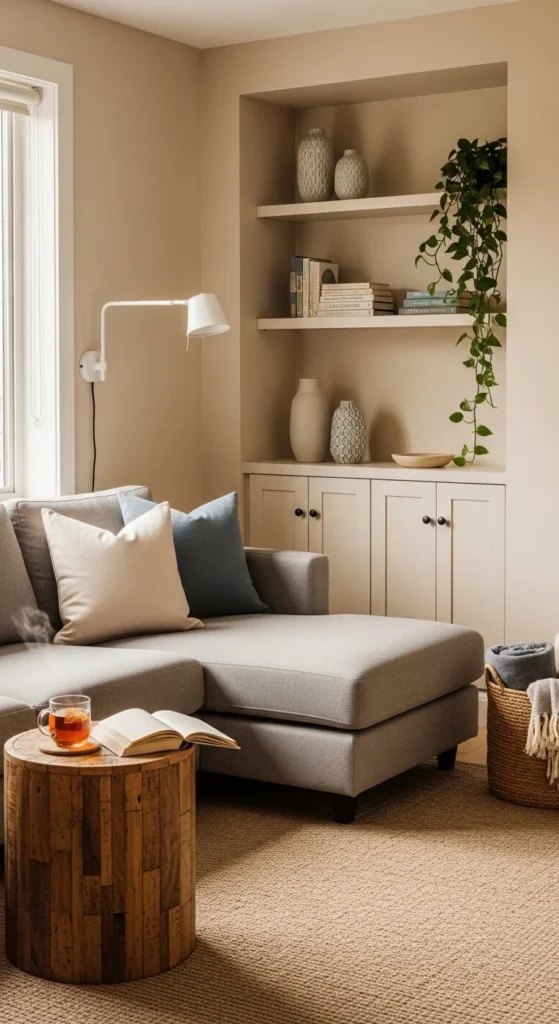
If something looks great but annoys you it’s not a win.
Rule 9: Break the Rules (On Purpose)
Once you know the rules, you’re allowed to bend them.
- Angle furniture for personality
- Mix old antiques with modern pieces
- Use contrast for drama
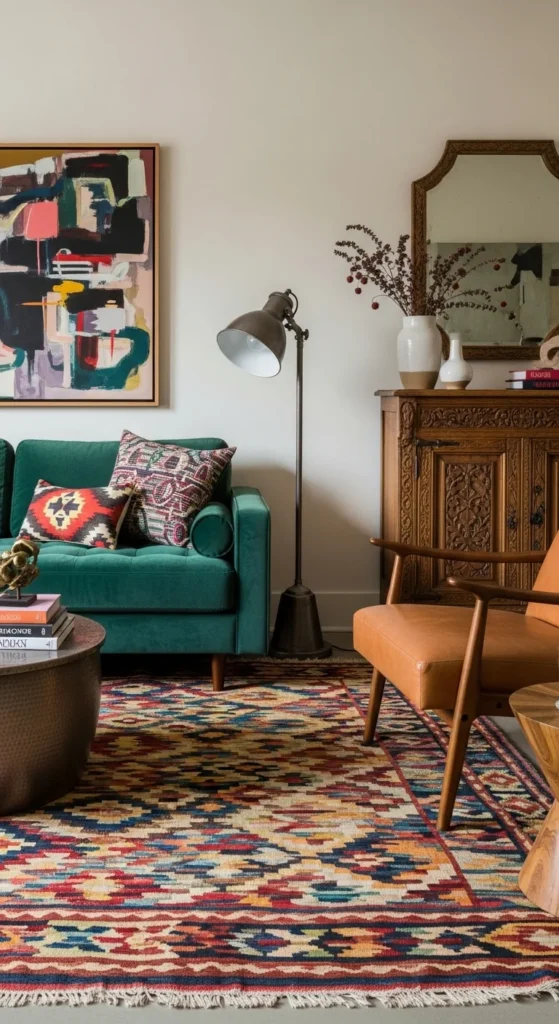
Intentional rule-breaking is what makes homes feel personal.
Final Takeaway
Simple decor rules exist to help, not restrict you. Balance, color flow, texture, scale, and function will never go out of style and they work in every home, every time.