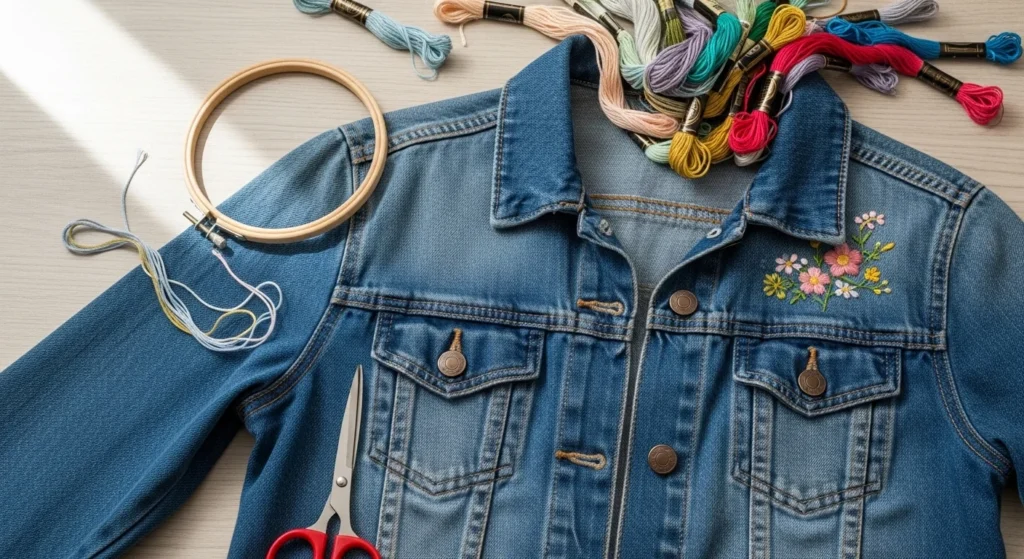
Plain clothes can be cute, but embroidered clothes feel personal. A tiny flower on a denim pocket, a little heart near a sleeve, or a leafy pattern around a collar can turn basic pieces into something that looks handmade, thoughtful, and completely your own. The best part is that you do not need to be an expert to get started.
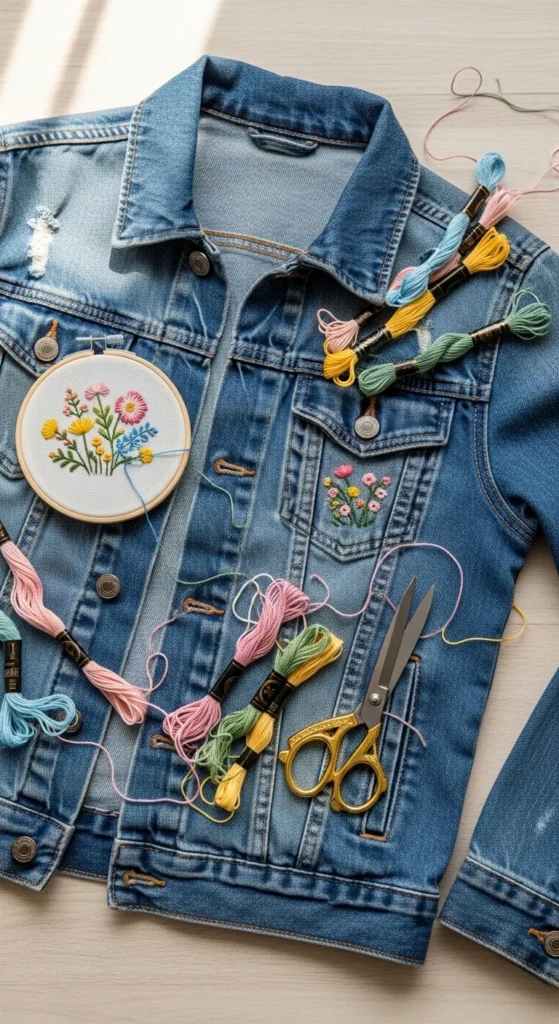
If you have ever wanted to give old clothes a fresh look or add sweet details to a plain shirt, embroidery is a fun and beginner-friendly way to do it. With a few simple tools and a little patience, you can create custom fashion pieces that feel special every time you wear them.
Why Embroidering Clothes Is So Popular
Embroidery adds charm without needing a full wardrobe makeover. It is affordable, creative, and a great way to make simple clothing feel unique.
People love embroidering clothes because it helps them:
- Personalize plain basics
- Refresh older items instead of throwing them away
- Add cute details to gifts
- Create trendy handmade fashion on a budget
- Enjoy a calming DIY hobby
You can keep your designs tiny and minimal, or go bigger with colorful patterns. Both styles look beautiful when done with care.
What You Need Before You Start
You do not need a huge craft setup. Just a few basics will help you begin.
Here’s what to gather:
- A clothing item like a denim jacket, shirt, tote bag, jeans, or sweatshirt
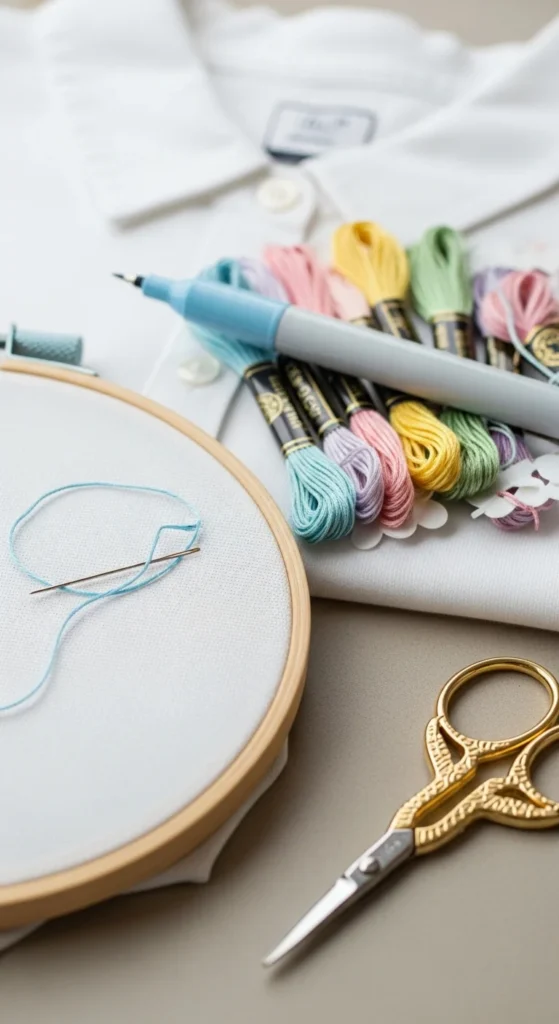
- Embroidery needle
- Embroidery floss in your chosen colors
- Embroidery hoop
- Small scissors
- Water-soluble pen, chalk pencil, or fabric marker
- Stabilizer or backing fabric for thinner materials
Good beginner clothing choices include:
- Denim jackets
- Cotton t-shirts
- Canvas tote bags
- Sweatshirts
- Jeans with thicker fabric
Thin or stretchy fabric can be trickier, so beginners usually have an easier time with sturdy materials.
Choose a Simple Design First
When you are learning, start small. Tiny designs are easier to stitch and less stressful if you make a mistake.
Cute beginner-friendly ideas include:
- Small flowers
- Hearts
- Stars
- Leaves
- Initials
- Tiny cherries
- Simple smiley faces
Pick a spot on your clothing that will stand out nicely. Popular placement ideas include:
- Shirt pockets
- Jacket collars
- Sleeve cuffs
- Near the hemline
- Back pockets on jeans
- Corners of tote bags
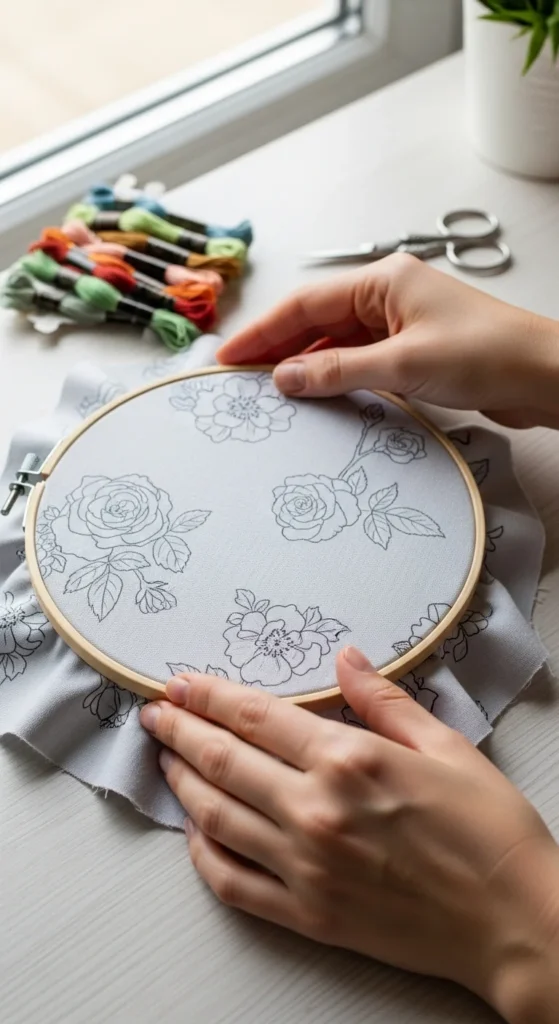
Draw your design lightly on the fabric with a washable fabric pen. If drawing feels hard, trace a simple design from your phone or a printed reference.
Prep the Fabric the Right Way
Before stitching, wash and dry your clothing item if it is brand new. This helps avoid shrinking later, which can affect your embroidery.
Then do these quick prep steps:
- Iron the fabric so it lays flat
- Place the area inside the embroidery hoop
- Pull the fabric gently so it is taut but not overstretched
- Add stabilizer to the back if the fabric is thin or stretchy
This prep makes stitching much easier and helps your design come out neater.
Easy Stitches to Use on Clothes
You do not need to learn dozens of stitches. Just a few simple ones can create adorable designs.
Back Stitch
This is great for outlines, words, and simple line art. It creates a clean, neat stitched line.
Satin Stitch
This stitch fills in shapes like hearts, petals, or little stars. It gives a smooth and bold look.
Lazy Daisy Stitch
Perfect for flower petals and cute decorative details. It is one of the easiest stitches for floral designs.
French Knots
These tiny knots are lovely for flower centers, dots, or textured accents.
If you are brand new, combine back stitch and lazy daisy first. That alone can create lots of pretty designs.
How to Embroidery Your Design
Now the fun begins. Thread your needle with embroidery floss and knot the end. Bring the needle up through the back of the fabric and follow your drawn design slowly.
Keep these tips in mind while stitching:
- Use shorter lengths of thread so they do not tangle as much
- Pull the thread snug, but not so tight that the fabric puckers
- Work one section at a time
- Trim loose ends neatly on the back
If something looks uneven, do not panic. Handmade embroidery has charm, and tiny imperfections often make it look even sweeter.
How to Make It Look Cute and Stylish
The design matters, but placement and color also make a big difference. A simple embroidered detail can look very fashionable when it matches the vibe of the clothing.
Try these style ideas:
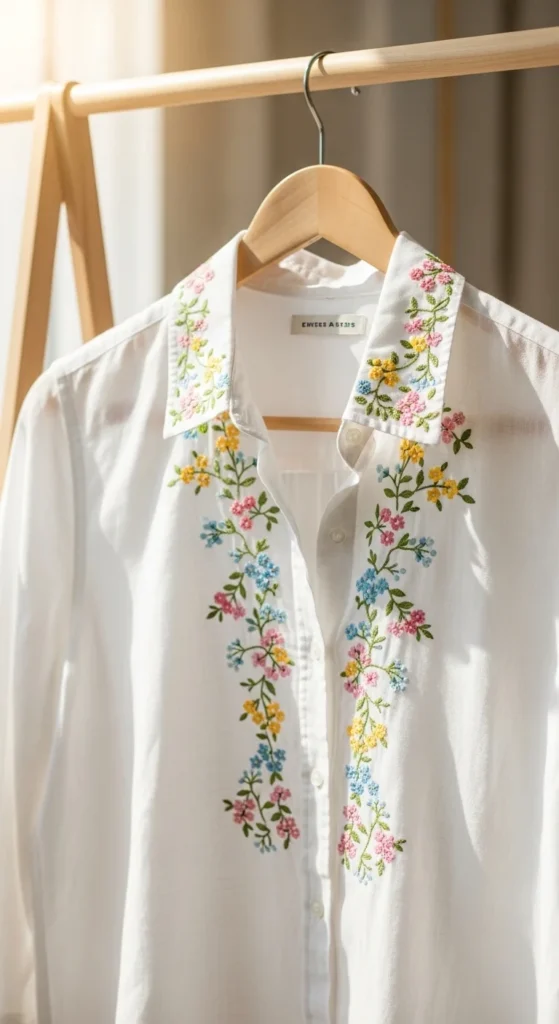
- Use pastel colors for a soft, feminine look
- Choose red and pink for playful romantic details
- Stick to green and white for a fresh, natural design
- Use one-color embroidery for a clean minimalist style
You can also match designs to the item itself. For example:
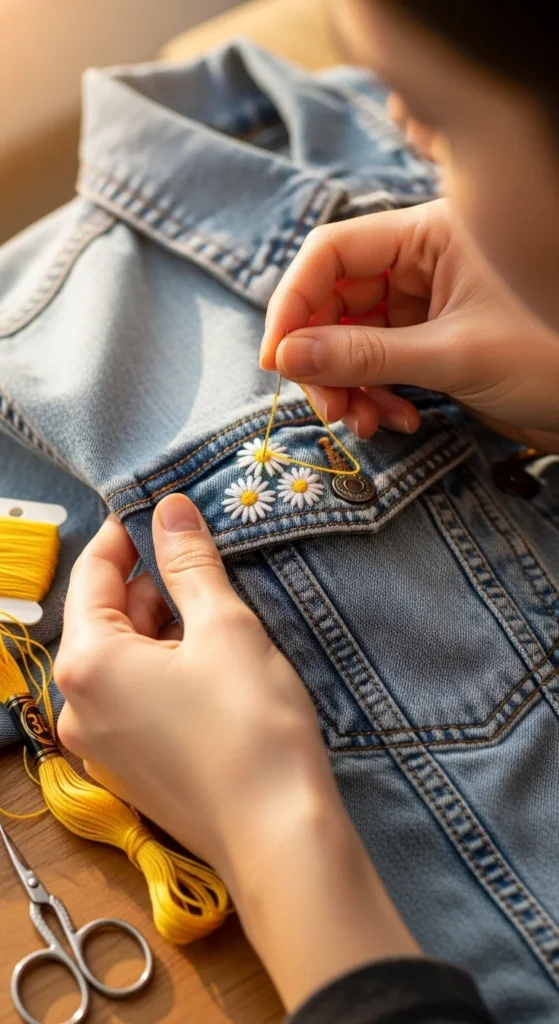
- Tiny daisies on blue denim
- Small strawberries on a white tee
- Stars on a black sweatshirt
- Little vines along a collar edge
Less is often more. One tiny embroidered detail can make a plain piece feel expensive and thoughtful.
Caring for Embroidered Clothes
Once your design is finished, take a moment to secure the back properly. Knot the thread neatly and trim the excess. If the back feels messy or delicate, you can cover it with a soft iron-on backing for comfort.
To keep your embroidered clothes looking nice:
- Wash gently
- Turn the item inside out before washing
- Avoid harsh drying heat
- Store it folded or hung carefully
Handmade details last longer when treated with care.
Final Thoughts
Embroidering on clothes is a simple way to turn everyday fashion into something creative and personal. You do not need expensive supplies or advanced sewing skills to make your clothes feel special. Start with a small design, practice a few easy stitches, and enjoy the process as you go.
Once you finish your first piece, you may never want plain basics again. Save this idea for later and try adding a cute embroidered detail to your favorite shirt, jacket, or tote bag.
Lily Summers is a digital artist and creative storyteller who loves bringing colorful characters to life. With a passion for cartoons, fan art, and playful sketches, she inspires others to explore their imagination through art. When she’s not sketching, you’ll find her dreaming up new ideas for CraftedWizard.com to spark creativity in every artist. 🌈✨