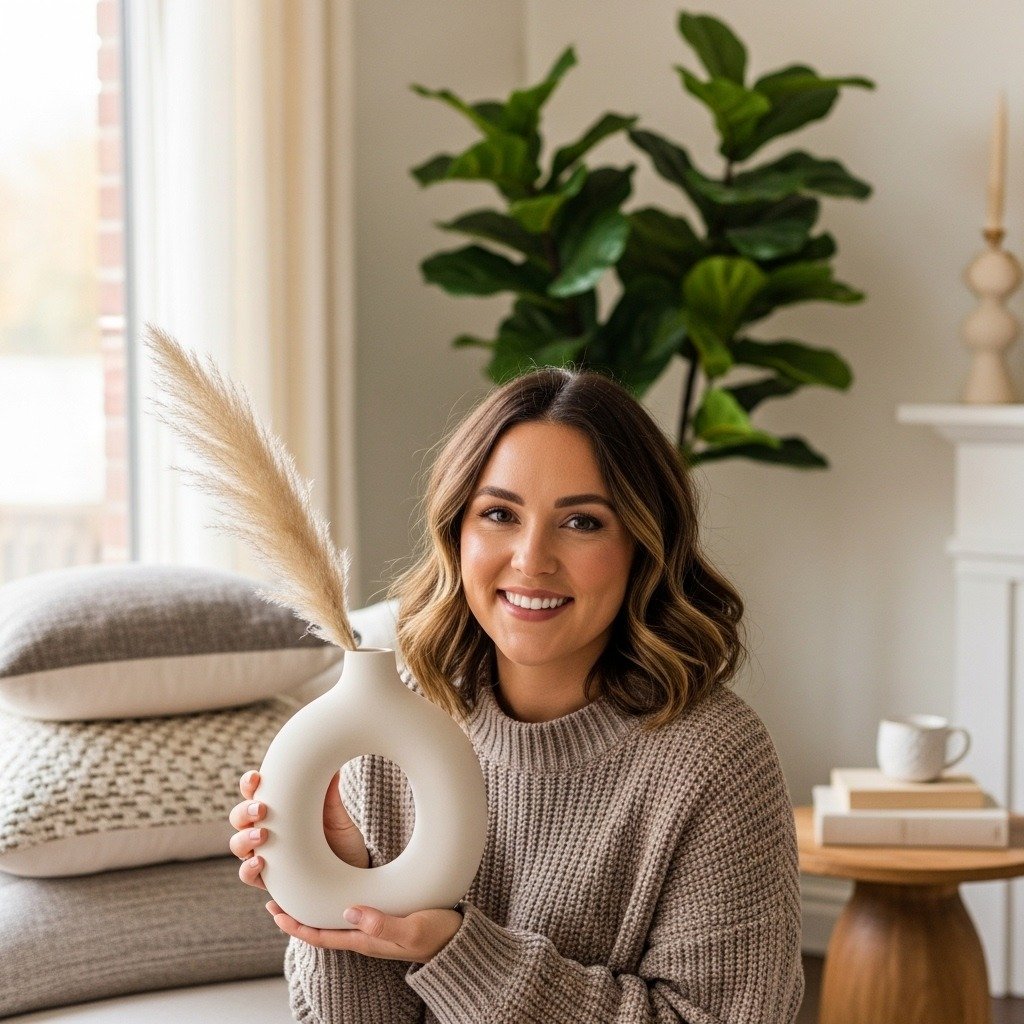
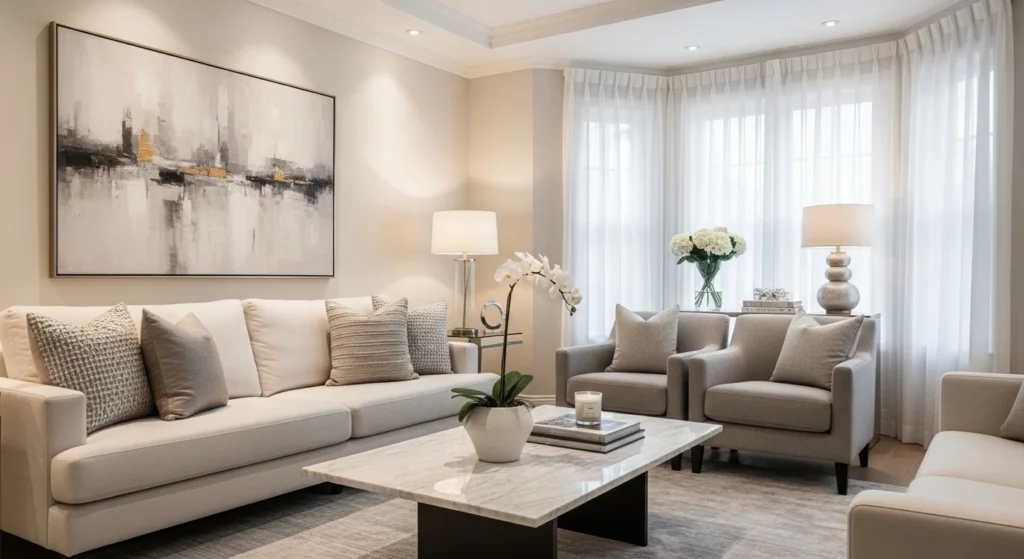
Luxury living rooms have a feeling before they have a look. You walk in and everything feels intentional, calm, and effortlessly elegant. The space doesn’t scream for attention — it quietly owns it. The good news? You don’t need an interior designer budget to create that vibe. With the right choices in color, layout, texture, and lighting, you can make your living room look high-end and thoughtfully curated.
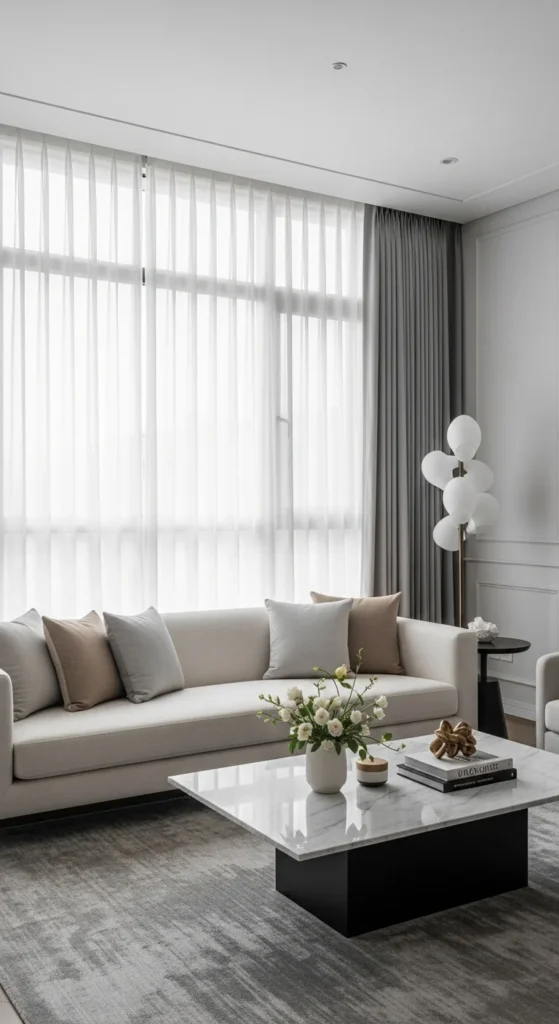
Let’s break it down step by step.
Start with a Calm, Cohesive Color Palette
Luxury spaces rarely rely on loud colors. Instead, they feel soothing and harmonious. Choose 2–3 main colors and build around them:
- Soft neutrals like beige, cream, taupe, or warm gray
- Deep accent tones like charcoal, navy, forest green, or muted plum
- Subtle metallics like brass, gold, or matte black for contrast
The key is consistency. Walls, furniture, and decor should feel connected, not random. If your sofa is a bold color, balance it with neutral rugs and curtains. Avoid overly bright shades. Designer spaces feel calm because the palette is easy on the eyes.
Invest in One Statement Piece
Every luxury living room has a focal point. It’s the piece that quietly says, “This room was planned.”
This could be:
- A sculptural coffee table
- A large piece of art
- A dramatic chandelier
- A curved or oversized sofa
You don’t need many standout items. One strong statement piece makes the whole room feel elevated. Keep the surrounding decor simpler so the statement piece has space to shine.
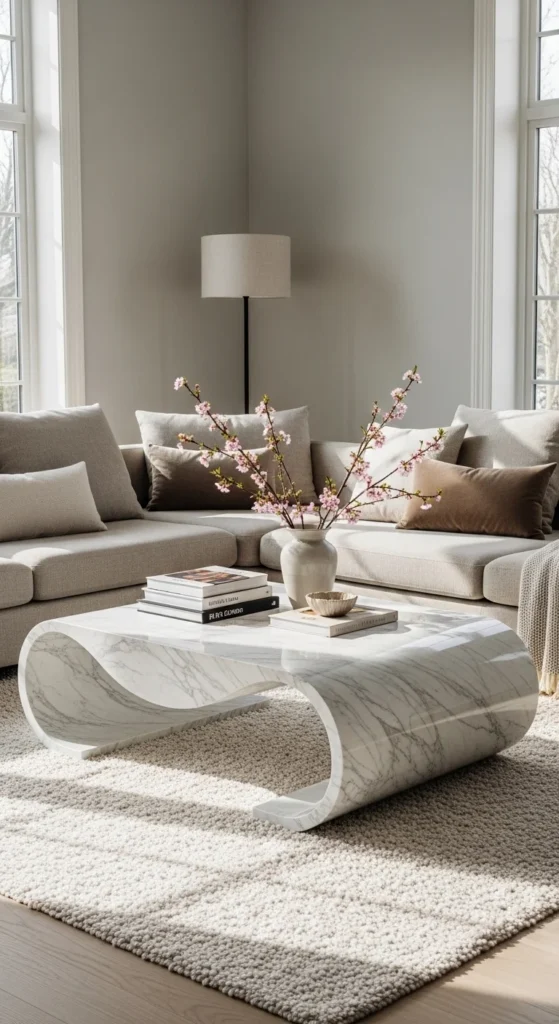
Layer Textures Like a Designer
Luxury is less about clutter and more about rich texture. Mixing materials makes a room feel expensive without adding visual chaos.
Try combining:
- Soft fabrics (velvet cushions, linen curtains)
- Natural materials (wood, stone, marble)
- Reflective surfaces (glass, metal, mirrors)
- Cozy elements (thick rugs, knit throws)
Think about how the room would feel if you touched everything. If it’s all the same texture, it will look flat. Layers create depth and warmth.
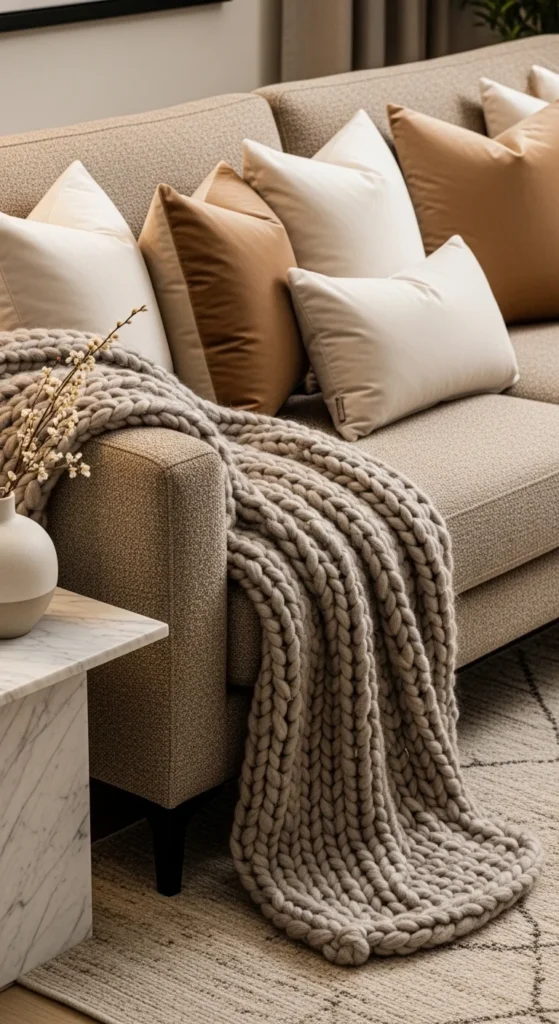
Upgrade Your Lighting (This Changes Everything)
Lighting is one of the biggest differences between a basic room and a designer one.
Instead of relying on one ceiling light, layer your lighting:
- A statement ceiling fixture or chandelier
- Table lamps for warm pools of light
- A floor lamp near a reading chair
- Wall sconces or accent lighting if possible
Use warm white bulbs, not harsh cool light. Luxury rooms feel soft and inviting, especially in the evening. Place lights at different heights to create a cozy glow and subtle shadows.
Style Surfaces with Intention
Luxury rooms never feel empty, but they also never feel crowded. The secret is intentional styling.
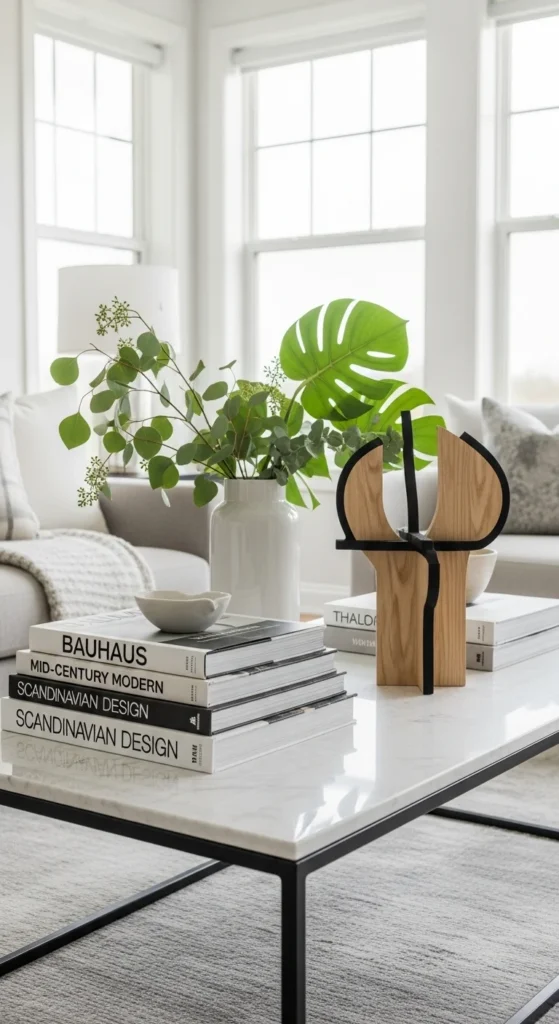
On your coffee table or console, use small groupings:
- A stack of beautiful books
- A sculptural object or decorative bowl
- A candle or vase with greenery
Follow the rule of odd numbers (groups of 3 or 5 often look best). Leave space between items so everything can breathe.
Choose Curtains That Elevate the Room
Short or thin curtains can instantly make a room feel less polished. Designer spaces use curtains to add drama and softness.
Here’s how to do it right:
- Hang curtains higher than the window frame
- Let them fall all the way to the floor
- Choose thicker fabrics like linen blends or soft cotton
This draws the eye upward and makes ceilings look taller. It’s a small change with a big visual impact.
Keep Decor Minimal but Meaningful
Luxury doesn’t mean filling every corner. It means choosing fewer, better things.
Instead of many small decorations, go for:
- One large vase instead of several tiny ones
- One big artwork instead of a gallery of small frames
- One beautiful tray instead of scattered items
Each piece should feel like it belongs. If something feels random, it probably is.
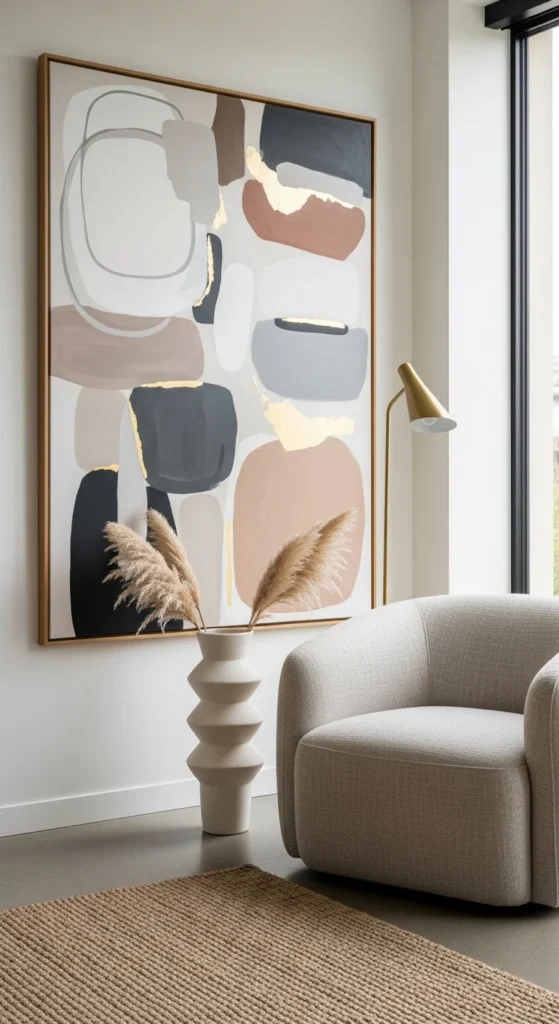
Add Life with Plants and Natural Elements
Nothing makes a room feel more alive and high-end than greenery.
Try:
- A tall floor plant in a sculptural pot
- A simple branch arrangement in a vase
- Small plants on shelves or side tables
Natural elements soften structured furniture and add freshness without clutter.
Final Touch: Edit Like a Designer
Once everything is in place, step back and remove one or two things. Designer rooms feel calm because they’re edited.
Ask yourself:
- Does every item serve a purpose or add beauty?
- Is there enough breathing room on surfaces?
- Does the space feel balanced, not crowded?
Luxury is often about what you leave out.
Designing a luxury living room isn’t about copying a showroom. It’s about creating a space that feels calm, layered, and thoughtfully put together. Start with a soft palette, invest in one statement piece, layer textures, and let lighting do the magic.