Neutral walls often get a bad rap for being boring, but they’re actually a blank canvas full of potential. With a few strategic design tricks, you can transform plain beige or gray walls into dynamic, stylish backdrops. From gallery walls to textured panels, the possibilities are endless. This guide breaks down how to decorate neutral walls without them feeling flat, ensuring every room feels curated and full of character.
Build a Gallery Wall for Visual Interest
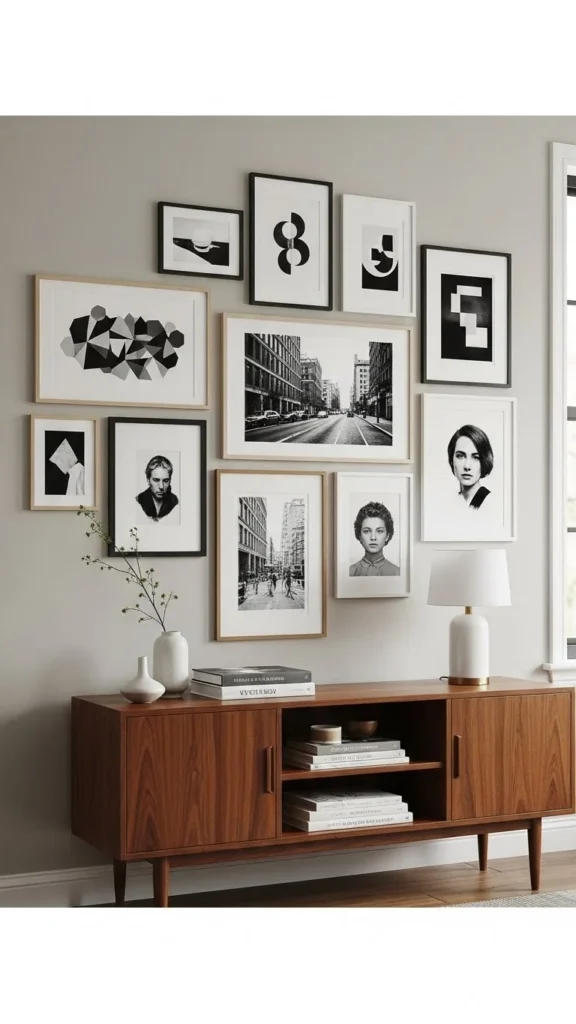
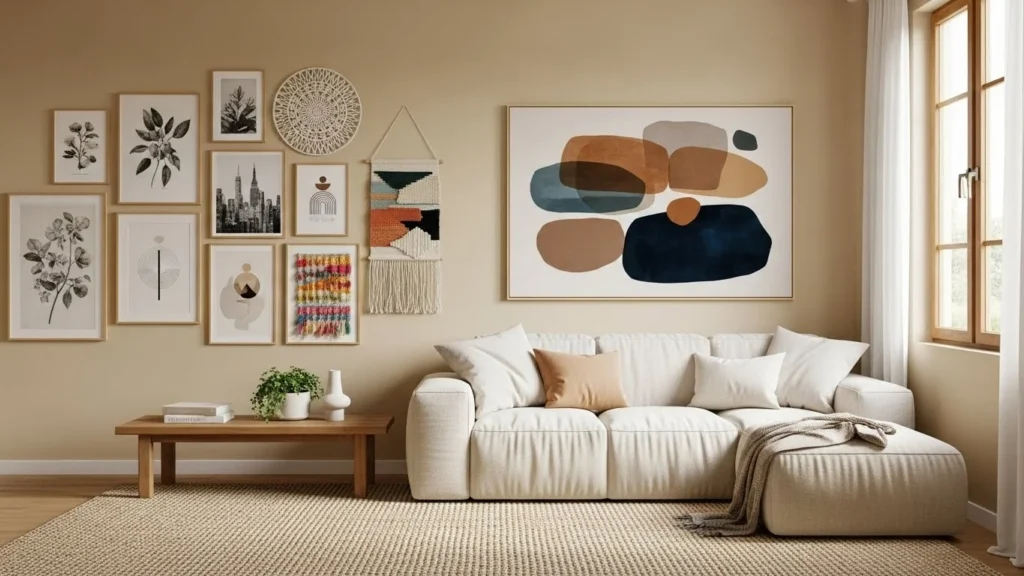
Gallery walls are a foolproof way to energize neutral spaces. Mix frames of different sizes and finishes to create depth without chaos. You can include black-and-white photography, abstract prints, or subtle botanical illustrations. Keep a consistent theme or color palette to maintain harmony. Start with a central anchor piece and arrange smaller frames around it, using painters’ tape to plan placement before hanging. This approach gives a curated, designer look without overwhelming your wall.
Choose One Large-Scale Art Piece
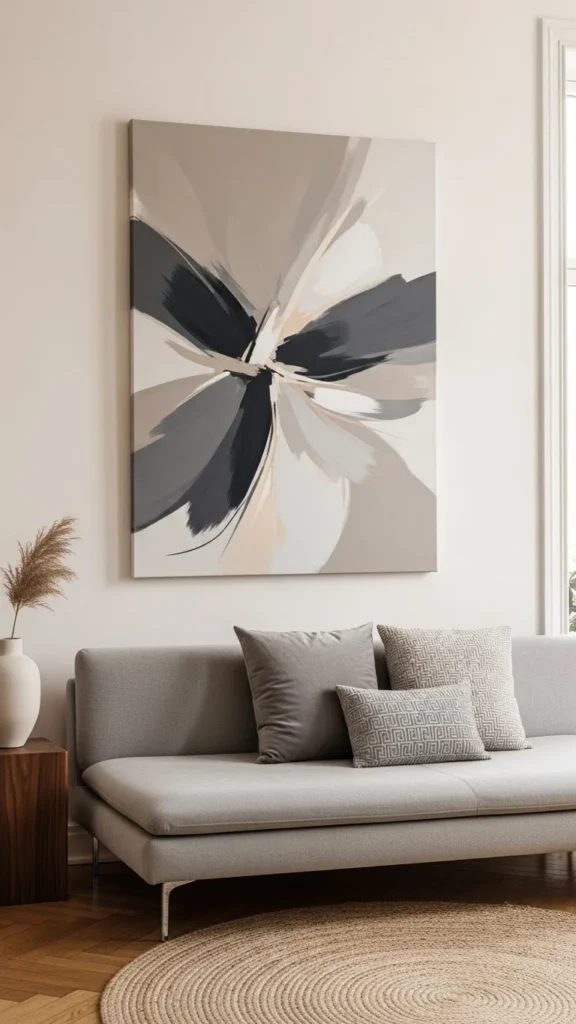
Sometimes one bold piece is enough to prevent blandness. Large-scale art immediately becomes the focal point and defines the room’s style. Opt for an abstract painting, oversized photograph, or textured canvas that complements your furniture and accessories. This method is perfect if you’re short on wall space or prefer a minimalist aesthetic. Pair it with small, subtle accents around the room for balance and cohesion.
Add Textured Wall Panels
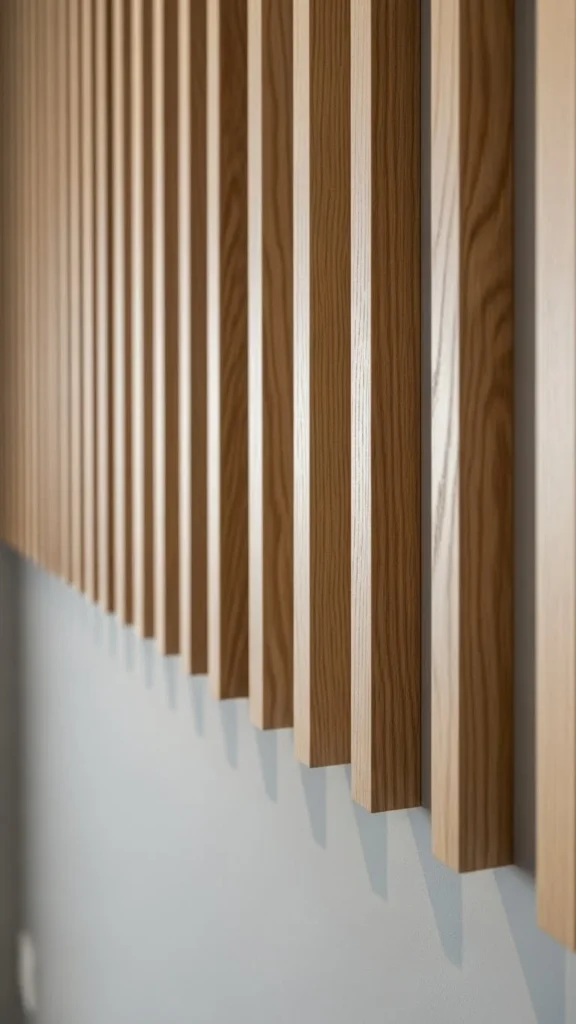
Textured panels bring dimension and tactile interest to plain walls. Wood slats, gypsum designs, or 3D wall tiles can elevate your space instantly. Choose panels that match your room’s style—warm wood for cozy vibes or sleek geometric designs for modern elegance. Install a single feature wall or multiple smaller sections to avoid visual overload. Combining textures with your neutral base ensures walls feel dynamic yet harmonious.
Incorporate Botanical Prints
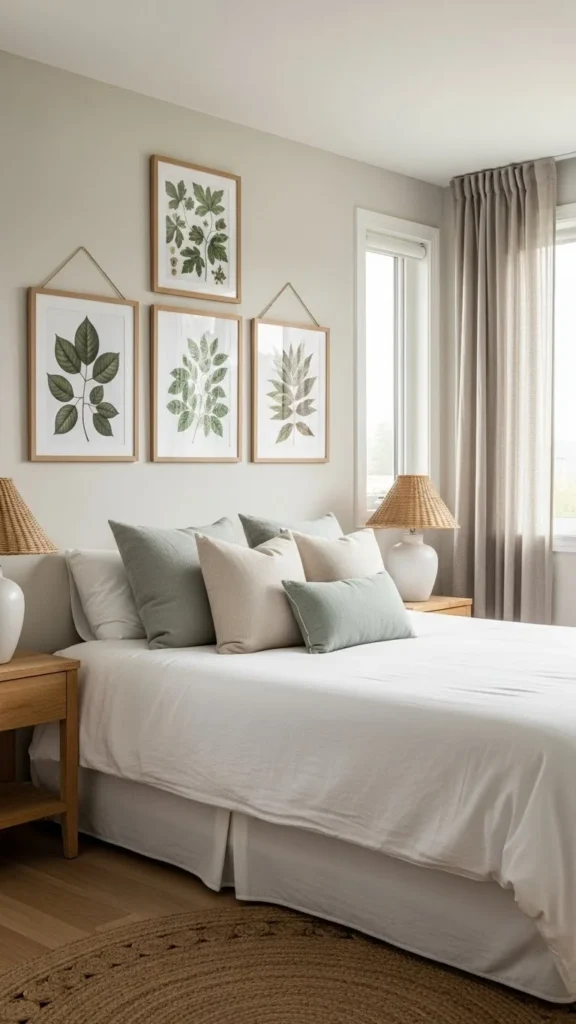
Nature-inspired prints are a simple way to soften neutrals. Stick to greens, muted beiges, or soft earth tones to maintain a calming palette. These prints work well in bedrooms, living rooms, or even kitchens. Layer them with simple frames or minimal ledges for a polished, effortless display. Botanical art introduces color and pattern subtly, creating visual interest without clashing with your décor.
Use Mirrors to Expand Space
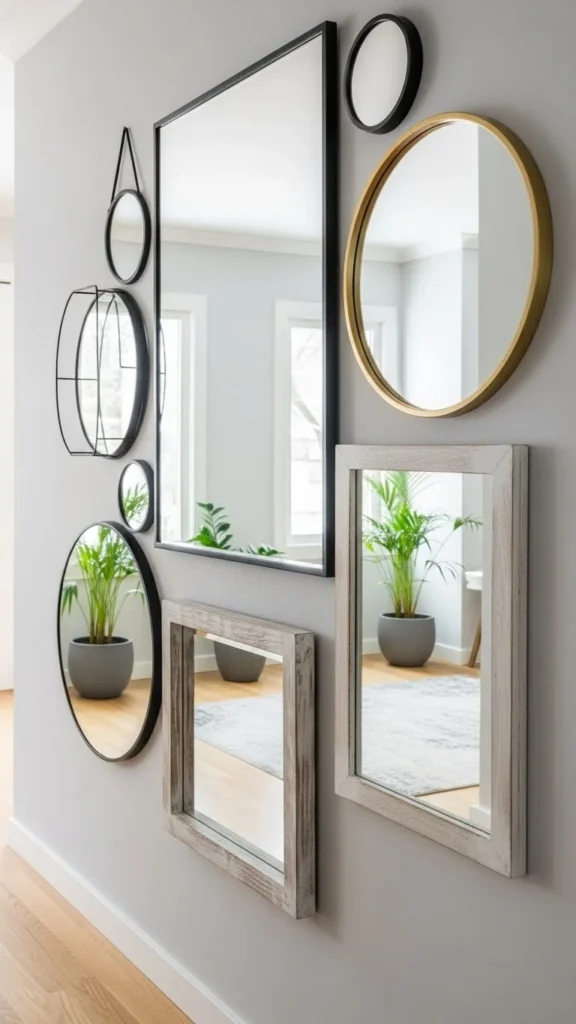
Mirrors do more than reflect—they enhance light and create the illusion of space. Group several mirrors of different shapes and sizes for a dynamic effect. Round, rectangular, or asymmetrical designs can all work together if you maintain consistent framing materials or colors. Mirrors are especially effective in narrow rooms or small apartments where neutrals might feel flat. They double as functional art, providing both beauty and utility.
Float Accent Shelves
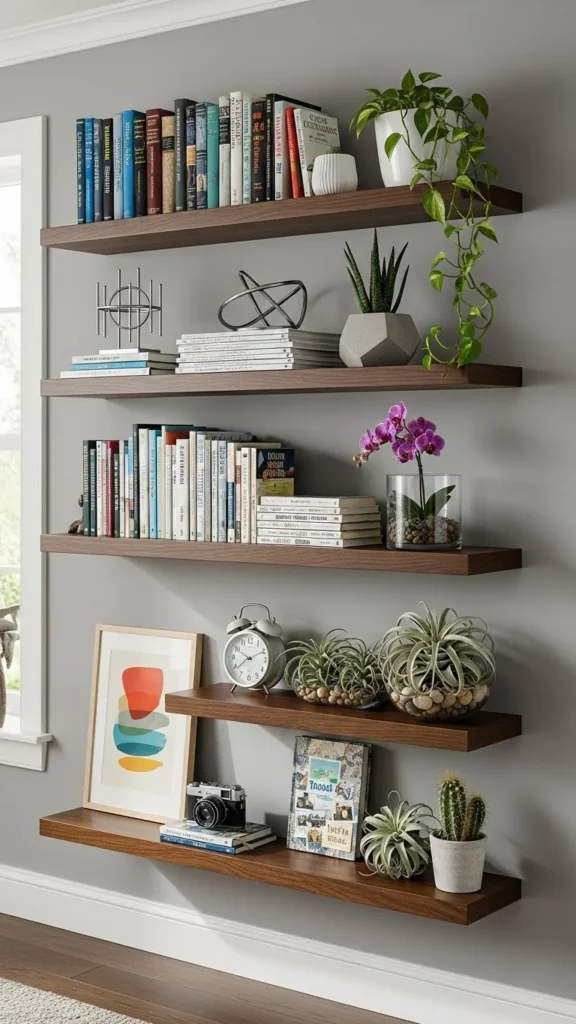
Floating shelves act as functional focal points. They’re perfect for displaying collectibles, plants, or curated objects. Keep the arrangement simple—three to five items per shelf to avoid clutter. You can also layer items with different heights and textures for depth. Accent shelves allow you to decorate without permanent alterations, making them a great option for rentals or seasonal updates.
Introduce Metallic Accents
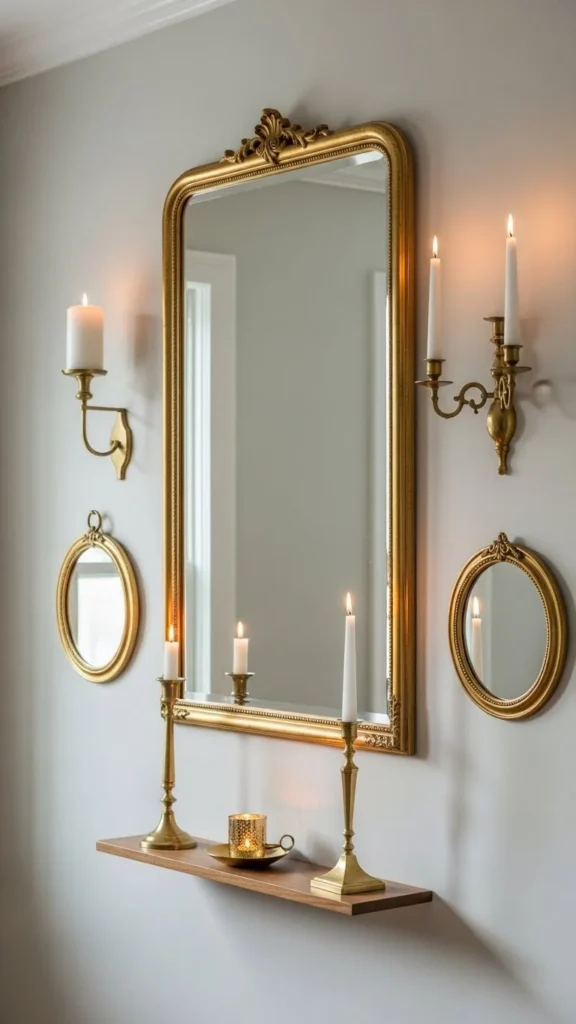
Metallic touches add shine and sophistication. Use gold, brass, or silver frames on a beige or gray wall to create subtle contrast. Small accents like sconces, picture frames, or wall-mounted sculptures can elevate the space without dominating it. Metallics reflect light and enhance other decorative layers, making the room feel more luxurious and lively.
Try Abstract Neutrals
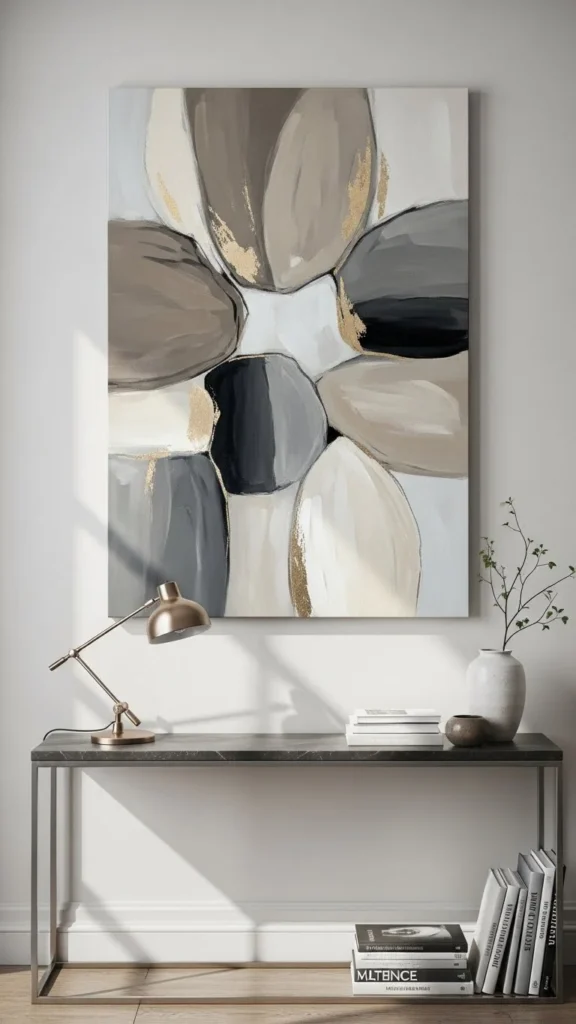
Abstract pieces in neutral tones intrigue the eye without overwhelming the room. Look for fluid shapes or textured brush strokes that complement existing décor. These works can tie together other layers in the space, from furniture fabrics to rugs. Abstract neutral art is versatile, timeless, and works in virtually any room, offering visual interest while keeping the calm, cohesive look of your walls intact.
Add Woven or Sculptural Wall Hangings
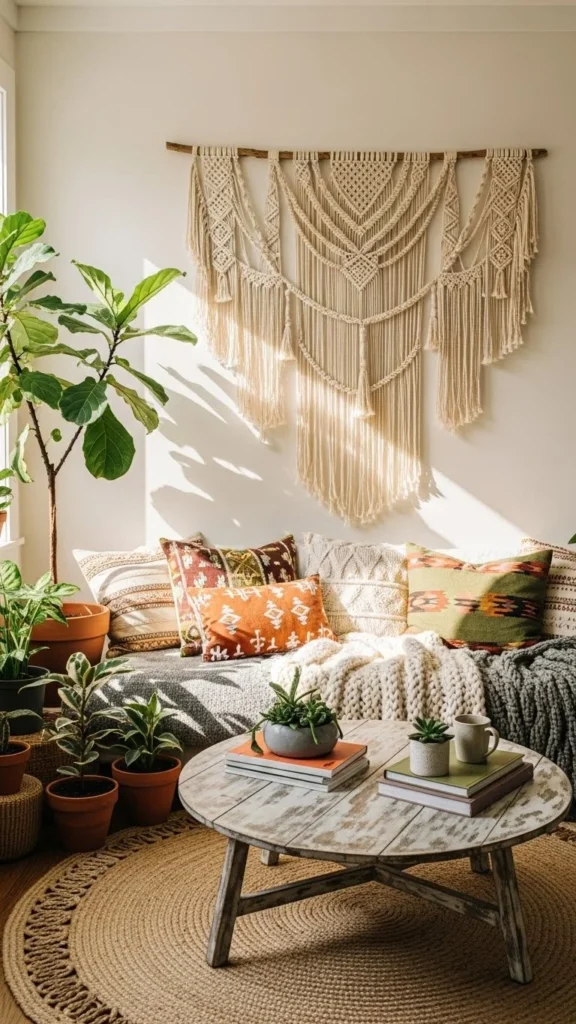
Organic textures such as macramé, rattan, or woven tapestries add depth and warmth. These pieces break up flat expanses and contribute dimension and tactility. Layer them with other art or leave them as a standalone feature for an impactful statement. Combining natural materials with neutral walls keeps the design fresh, inviting, and stylish.
Conclusion
Neutral walls don’t have to be boring—they’re a versatile backdrop for creative styling. From gallery walls and large-scale art to textured panels, mirrors, and woven hangings, there are countless ways to add interest and depth. Start with a cohesive theme, play with textures and scales, and incorporate functional pieces like shelves and mirrors for both style and practicality.
Experiment with different combinations, rotate art seasonally, and use accessories to personalize your space. With these strategies, your neutral walls can become a canvas for sophisticated, curated design that feels anything but plain. Save this guide and start transforming your walls today!