Minimalist homes are known for calm spaces, clean lines, and clutter-free living. But there’s a fine line between peaceful and uninviting. Many people love the idea of minimalism, yet worry their home will feel stark or uncomfortable once everything is pared back. The secret is simple: warmth comes from intention, texture, and balance—not from excess.

This guide will show you how to keep your minimalist home simple and calm while still making it feel welcoming and lived-in.
Start With Warm, Soft Neutrals
Minimalist homes often rely on neutral colors, but not all neutrals feel the same. Cool whites and sharp grays can make a space feel flat if used alone.
Instead, lean toward warmer shades:
- Creamy whites instead of bright white
- Beige, sand, or soft taupe
- Greige tones that blend warmth and gray
These colors still keep the space clean but feel easier on the eyes. If repainting isn’t an option, bring warmth through textiles, rugs, or decor.
A warm base sets the tone and makes everything else feel more inviting.
Use Texture to Replace Visual Clutter
When you remove extra decor, texture becomes your best tool. It adds depth without adding mess.
Layer textures through:
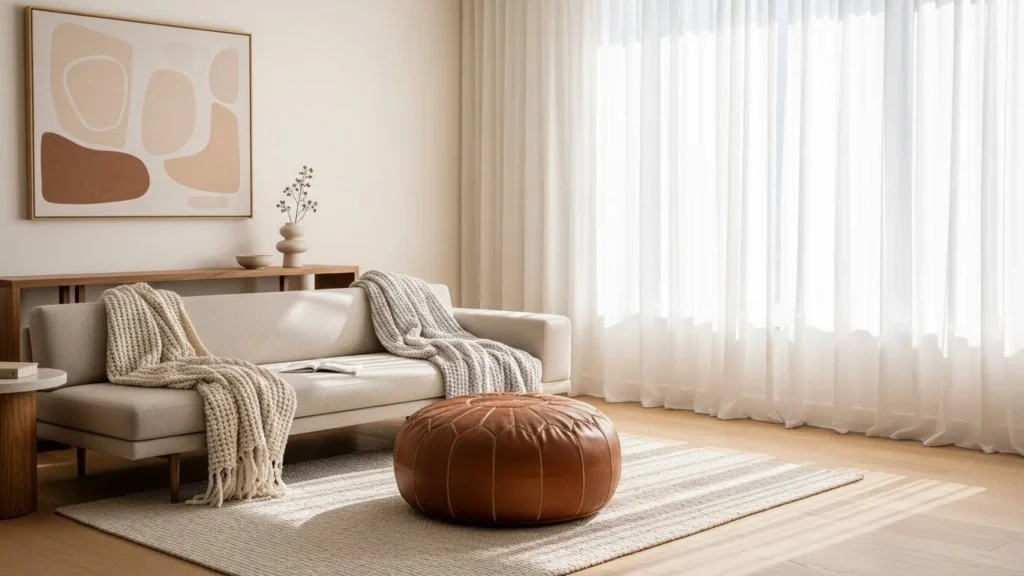
- Knitted or woven throw blankets
- Linen or cotton cushions
- Wool or jute rugs
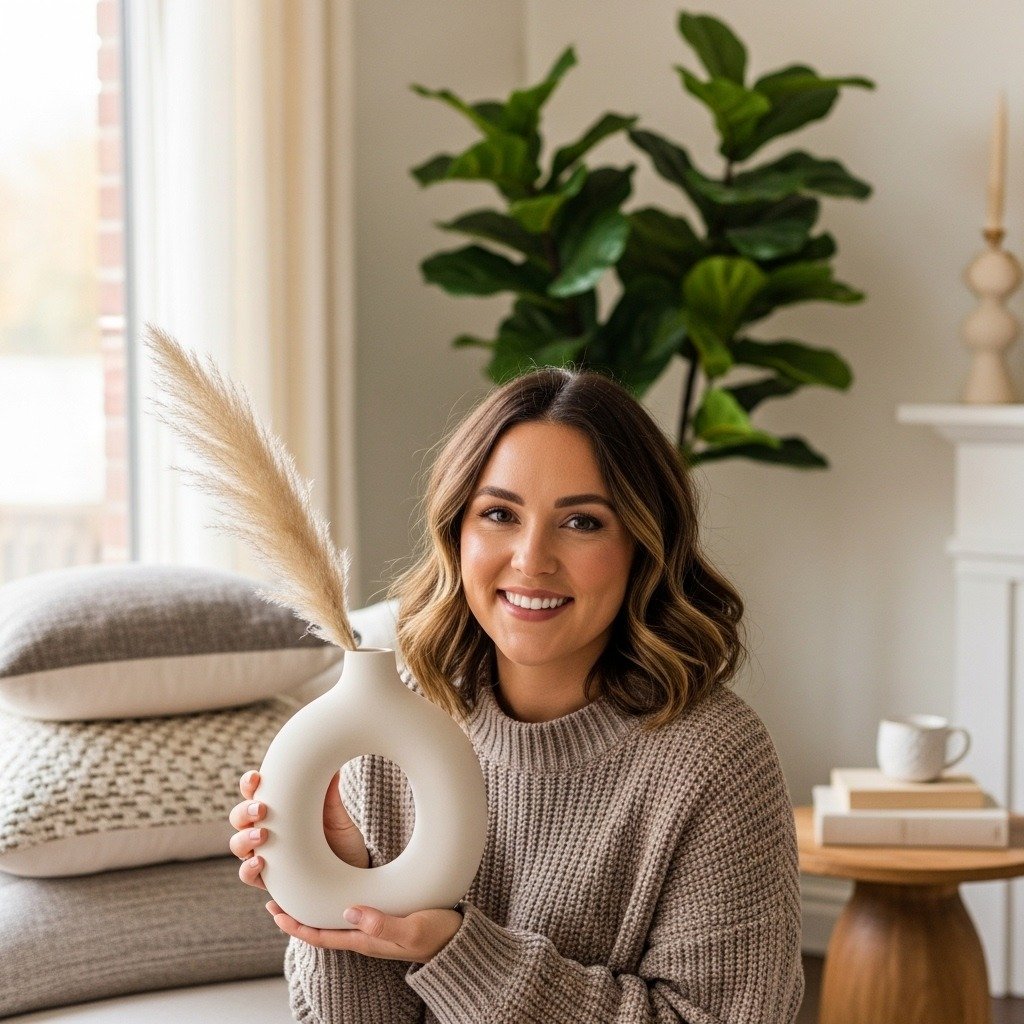
- Ceramic, clay, or stone accessories

Stick to a limited color palette so textures stand out without overwhelming the space. This keeps the minimalist look intact while making the room feel comfortable and complete.
Bring in Natural Materials
Nature adds warmth instantly. Even the most pared-back space feels more welcoming when natural elements are present.
Easy ways to do this:
- Wooden furniture or accents
- Indoor plants or branches
- Stone trays or ceramic bowls
Plants are especially helpful in minimalist homes. One well-placed plant can soften sharp lines and add life without clutter.

If plant care feels intimidating, start small or choose low-maintenance varieties. Even dried branches in a vase can add an organic touch.
Choose Furniture That Feels Comfortable
Minimalist furniture doesn’t mean stiff or uncomfortable. Comfort is part of warmth.
Look for:
- Sofas with soft cushions, not rigid shapes
- Chairs with gentle curves
- Upholstery in natural fabrics
Avoid overly shiny or hard finishes everywhere. Mixing clean-lined furniture with softer materials keeps the space from feeling severe.
Think about how you actually use the room. A minimalist home should still invite you to sit, relax, and stay awhile.
Keep Decor Personal but Curated
Minimalism isn’t about removing personality. It’s about being selective.
Choose a few meaningful items:
- A favorite piece of art
- A framed photo you love
- A handmade object or souvenir

Leave space around these items so they stand out. This approach makes your home feel personal without visual noise.
Layer Lighting for a Softer Feel
Lighting plays a huge role in how warm a space feels. Relying on one overhead light can make minimalist rooms feel harsh.
Create layers with:
- Table lamps
- Floor lamps
- Soft wall lights
Choose warm bulbs to create a gentle glow, especially in the evening. Lamps placed at different heights add depth and comfort without adding clutter.

Lighting helps define cozy zones and adds atmosphere with very little effort.
Use Textiles to Soften Hard Surfaces
Minimalist homes often feature hard materials like concrete, tile, or wood floors. Textiles balance these surfaces.
Add softness with:
- Area rugs
- Curtains or sheer drapes
- Fabric-upholstered seating
Rugs anchor spaces and make rooms feel grounded. Curtains soften windows and filter light, making the room feel gentler throughout the day.
Leave Breathing Room, Not Emptiness
Minimalism values space, but space should feel intentional. Empty doesn’t have to mean bare.
Focus on balance:
- Leave space between furniture
- Avoid crowding walls with decor
- Let materials and light shine
Negative space allows your chosen pieces to stand out. It creates calm without making the room feel unfinished.
Final Takeaway
A minimalist home doesn’t have to feel cold or unwelcoming. With warm neutrals, layered textures, natural elements, and thoughtful lighting, you can create a space that feels calm and comfortable at the same time.
Minimalism works best when it supports how you live, not when it feels restrictive. Start small, add warmth where it matters most, and let your home grow into a space that feels both simple and inviting.
Save this guide for later and come back whenever your minimalist space needs a little extra warmth.