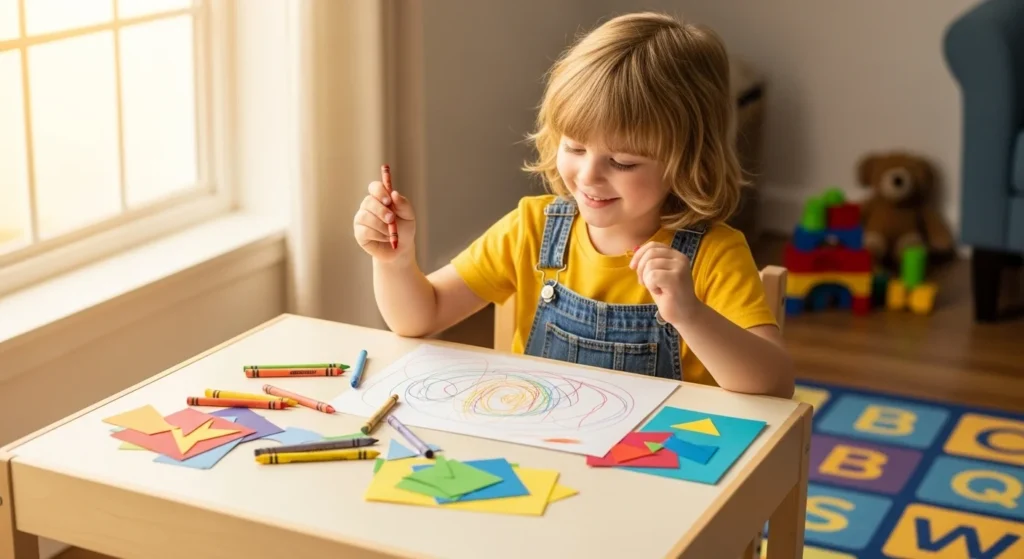
Every parent knows the moment: “I’m bored.” You want to encourage creativity, but you also need activities that don’t require constant supervision. That’s where independent crafts come in. With the right setup, kids can create, explore, and feel proud of their work—on their own.
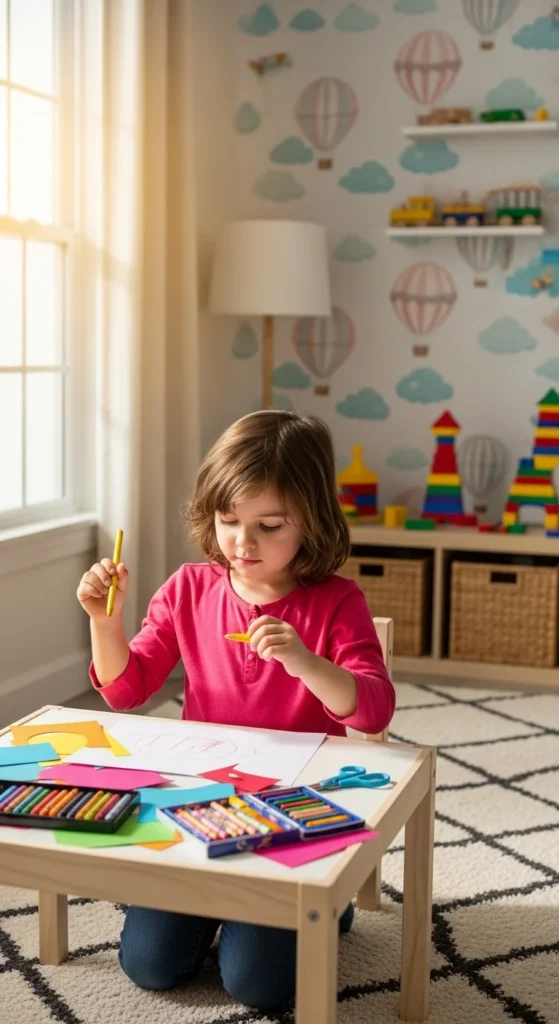
The goal isn’t perfection. It’s confidence, independence, and fun. Let’s explore how to create crafts kids can safely and happily do alone.
Why Independent Crafts Matter for Kids
Crafts aren’t just time-fillers. When kids work independently, they build important skills.
Independent crafting helps kids:
- Practice problem-solving
- Build focus and patience
- Develop fine motor skills
- Gain confidence in their abilities
- Express creativity freely
The key is choosing projects that feel achievable without adult help.
Start With the Right Craft Setup
Before choosing activities, set kids up for success.
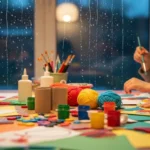
A good solo craft setup includes:
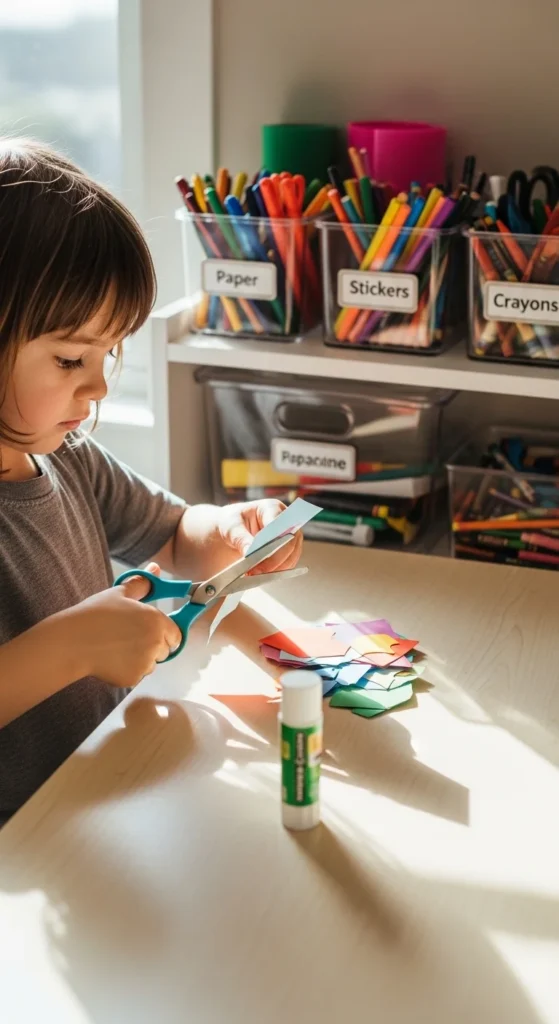
- A clear, uncluttered workspace
- Easy-to-reach supplies
- Materials that are safe and familiar
- Simple instructions they can remember
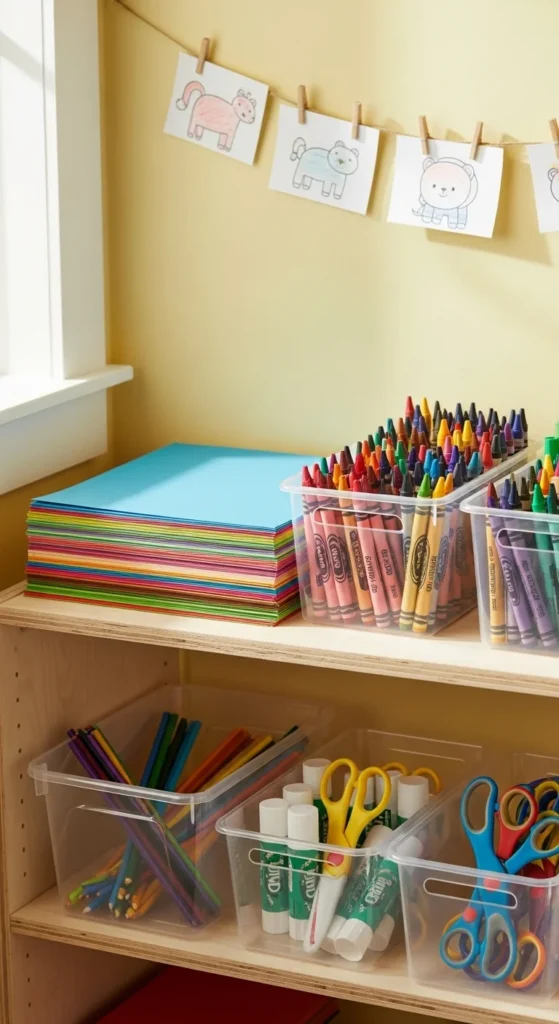
Use open containers and label them with pictures if needed. When kids can see everything, they’re more likely to stay engaged.
Choose Crafts With Simple Steps
The best solo crafts follow one simple rule: kids should understand the entire project before starting.
Look for crafts that:
- Have 3–5 clear steps
- Don’t require drying time supervision
- Don’t rely on precise measurements
- Allow creative freedom
Avoid projects with tiny parts, complex folding, or messy liquids unless your child is older and experienced.
Craft Idea 1: Paper Collage Creations
Paper collages are perfect for independent crafting.
What kids can do:
- Tear or cut paper into shapes
- Arrange pieces however they like
- Glue everything onto a base sheet
Materials needed:
- Scrap paper or magazines
- Child-safe scissors
- Glue sticks
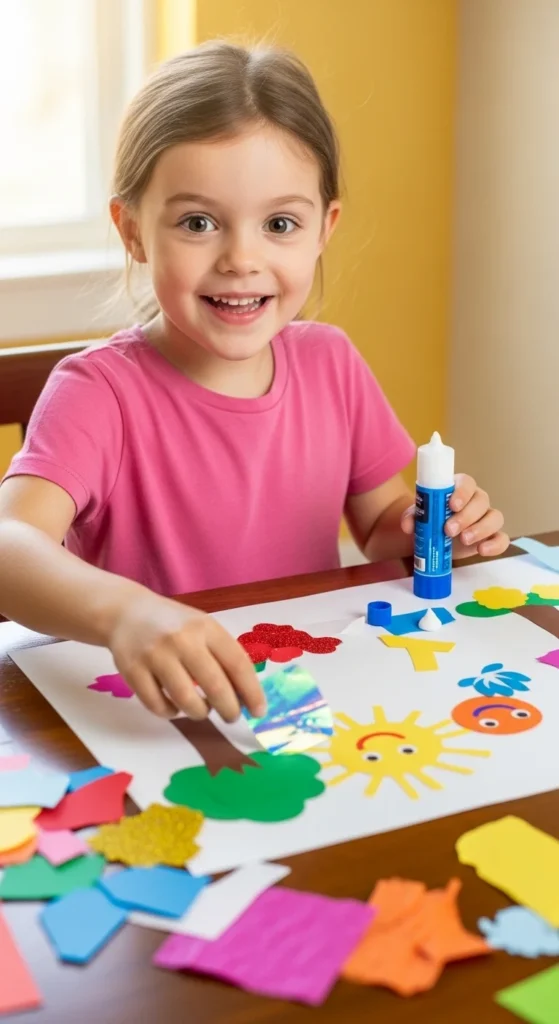
There’s no “wrong” result, which makes this craft especially confidence-boosting.
Craft Idea 2: Drawing Prompts and Art Challenges
Sometimes kids want structure—but not instructions.
Give them prompts instead of directions:
- Draw your dream house
- Create a new animal
- Design a superhero logo
- Illustrate your favorite day
Provide:
- Paper or sketchbooks
- Crayons, markers, or colored pencils
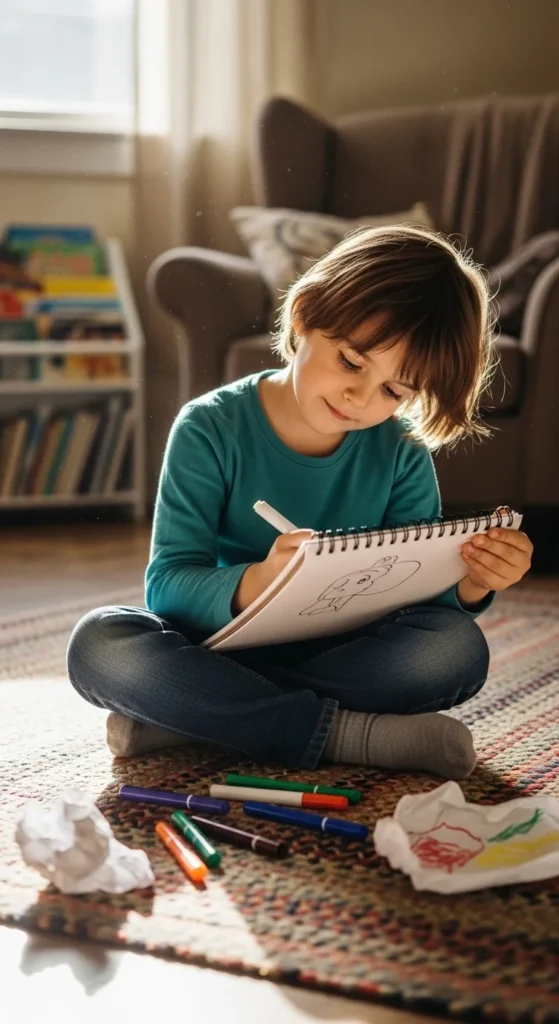
Prompts spark imagination without requiring help.
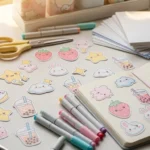
Craft Idea 3: Sticker and Washi Tape Art
Stickers and tape are magic for kids.
Easy projects include:
- Decorating paper frames
- Making roads or patterns
- Creating abstract designs
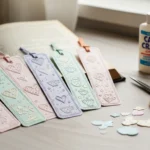
- Decorating bookmarks
Why this works:
- No drying time
- No mess
- Easy cleanup
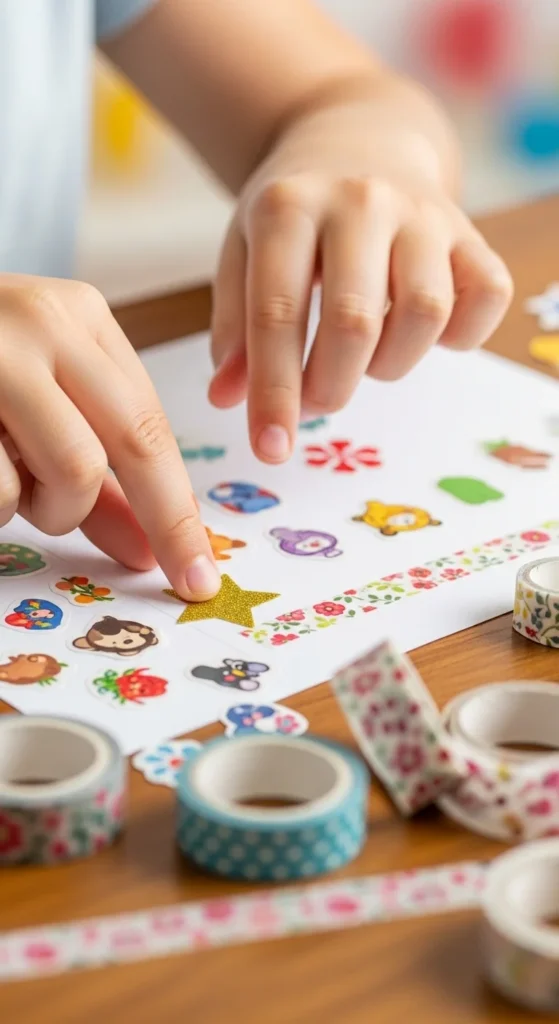
This is ideal for younger kids building hand control.
Craft Idea 4: Simple Folding and Building Crafts
Basic folding builds focus and independence.
Try:
- Folding paper fans
- Making paper chains
- Creating folded cards
Keep it simple:
- Demonstrate once
- Leave visual examples nearby
- Let them experiment
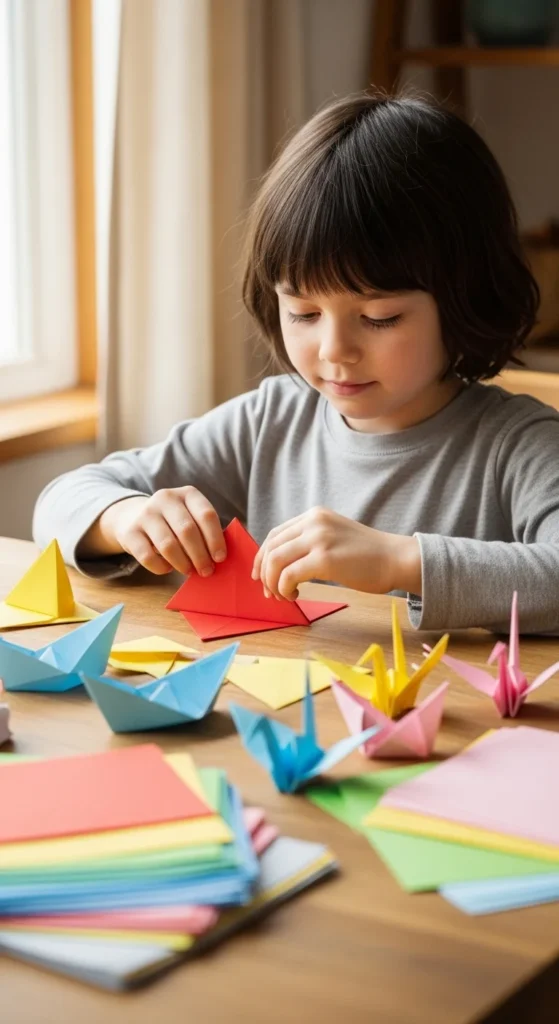
Repetition is part of the learning process—let them repeat the same craft if they want.
How to Encourage Independence (Without Hovering)
The hardest part is stepping back.
Helpful tips:
- Explain once, then observe from a distance
- Resist fixing “mistakes”
- Praise effort, not outcome
- Let kids clean up their own space
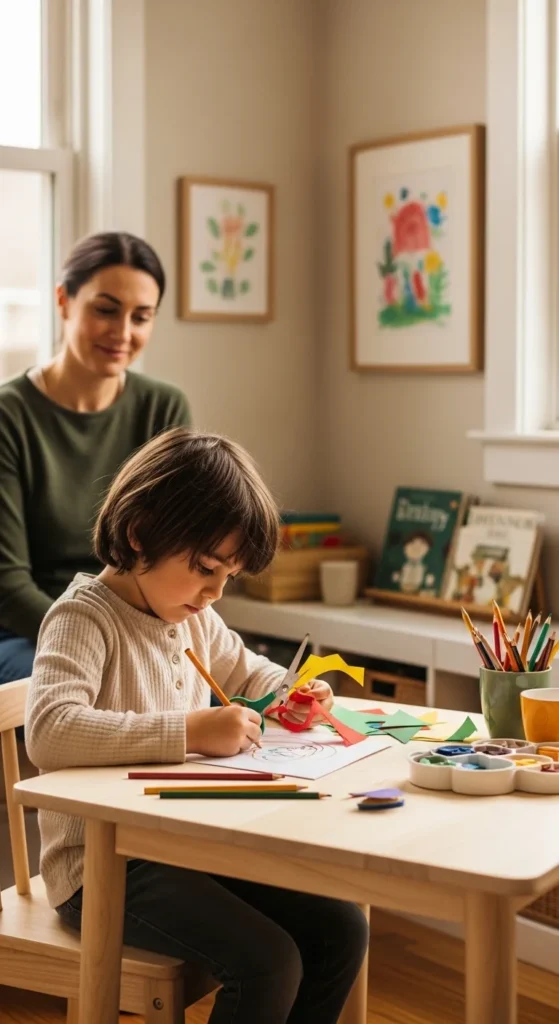
If they ask for help, guide with questions instead of doing it for them.
Keep Crafts Rotation Fresh
Kids lose interest when crafts feel repetitive.
Try rotating:
- Materials each week
- Themes (animals, space, seasons)
- Craft types (cutting, drawing, building)
Store unused supplies out of sight so “new” materials feel exciting again.
Safety Rules That Still Allow Freedom
Independent doesn’t mean unsafe.
Set clear boundaries:
- Which tools are allowed
- Where crafting happens
- How cleanup works
Stick to:
- Glue sticks instead of liquid glue
- Blunt-tip scissors
- Non-toxic supplies
Once rules are clear, kids can relax and focus.
Make Craft Time a Positive Habit
Independent crafting works best as a routine.
Ideas:
- Daily quiet craft time
- Weekend creative hour
- After-school wind-down activity
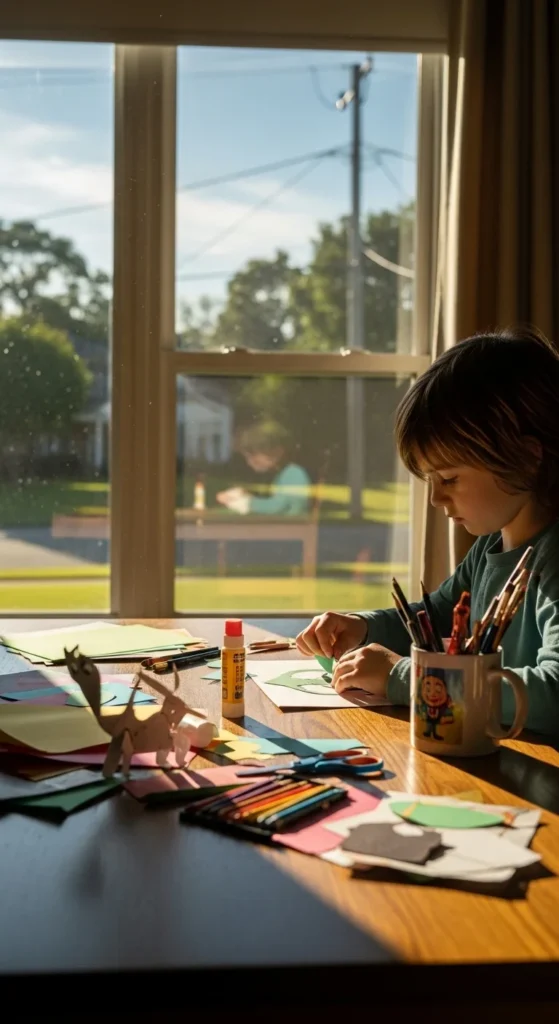
Consistency builds confidence. Kids learn, “I can do this on my own.”
Final Takeaway
Fun crafts kids can do alone don’t need to be complicated. With the right setup, simple materials, and freedom to create, kids can stay engaged, creative, and proud of their work—independently.
Save this guide for later and build a craft routine that gives kids confidence and gives you a little breathing room too.

Lily Summers is a digital artist and creative storyteller who loves bringing colorful characters to life. With a passion for cartoons, fan art, and playful sketches, she inspires others to explore their imagination through art. When she’s not sketching, you’ll find her dreaming up new ideas for CraftedWizard.com to spark creativity in every artist. 🌈✨