
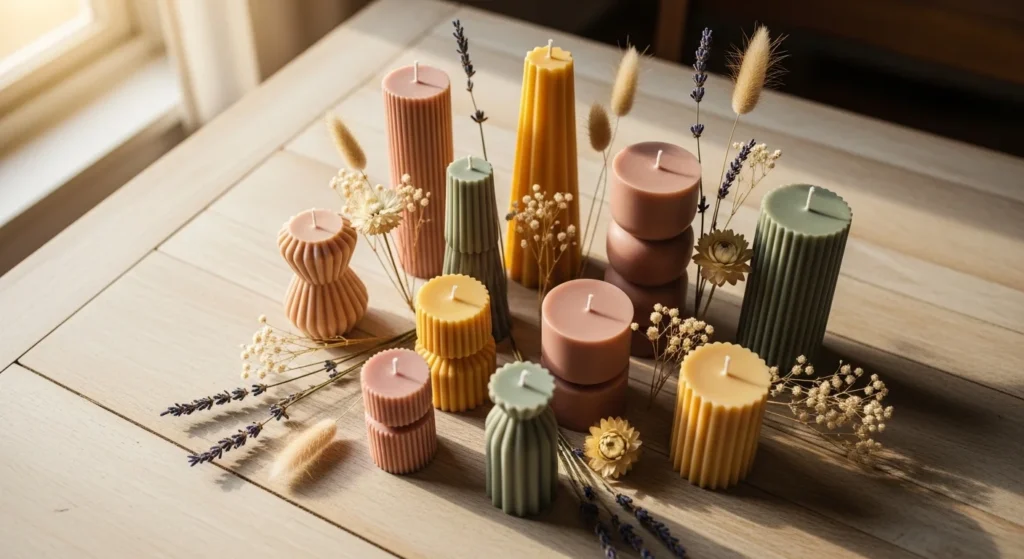
Plain candles are lovely, but naturally colored candles have a special kind of charm. They feel softer, more handmade, and a little more thoughtful. Instead of using artificial dyes, you can create beautiful candle colors with simple natural ingredients that give your candles an earthy, cozy, Pinterest-worthy look.
Whether you are making candles for your own home, for gifts, or just for a relaxing DIY afternoon, learning how to color candles naturally is an easy way to make them feel more unique. The trick is choosing ingredients that work well with wax and keeping your expectations realistic. Natural color usually gives a more muted, elegant finish rather than super bold shades, and that is exactly what makes it so pretty.
Why Natural Candle Coloring Looks So Beautiful
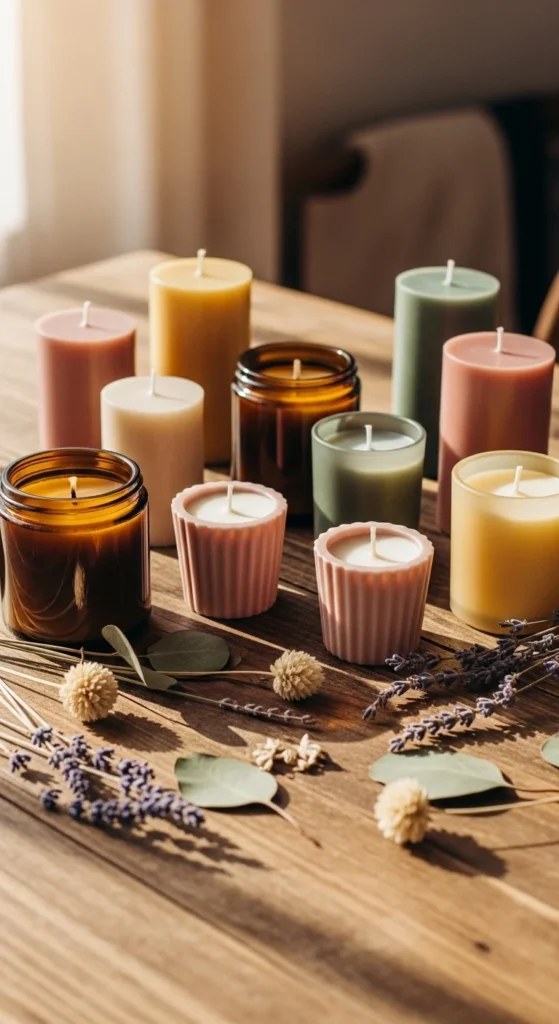
Natural candle colors have a softer, more organic feel than bright synthetic dyes. They look warm, understated, and perfect for cozy decor.
This style works especially well if you love:
- Neutral or earthy home decor
- Handmade gifts with a personal touch
- Minimalist or rustic DIY projects
- Seasonal candles with botanical charm
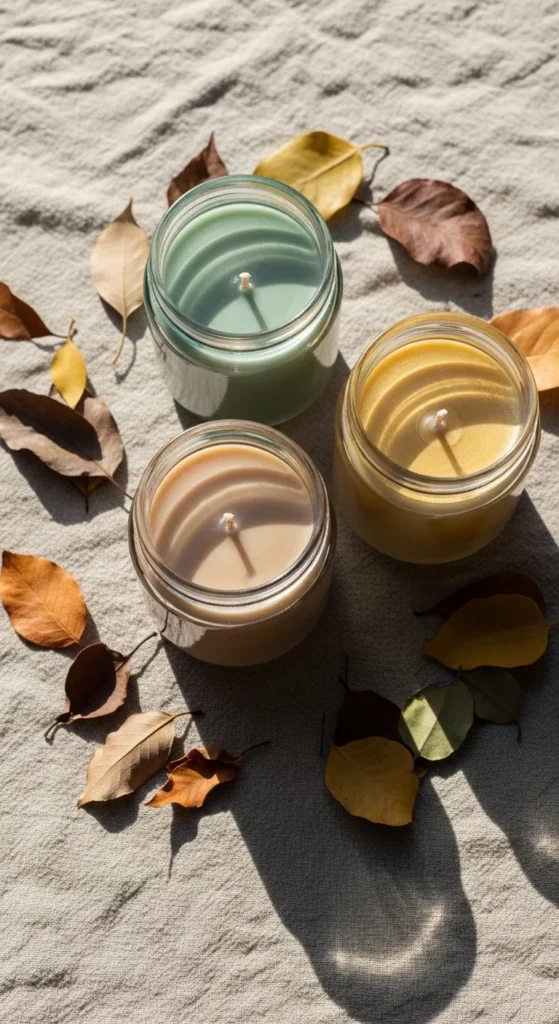
Instead of neon colors or overly polished finishes, naturally tinted candles often have a gentle, calming look. Think creamy oatmeal, soft terracotta, pale sage, and warm honey tones.
That subtle finish is part of the appeal.
What You Can Use to Color Candles Naturally
Not every natural ingredient works well in candle wax, so it helps to choose carefully. Some ingredients can clog the wick if you add too much, especially powders and plant material.
A few popular natural options include:
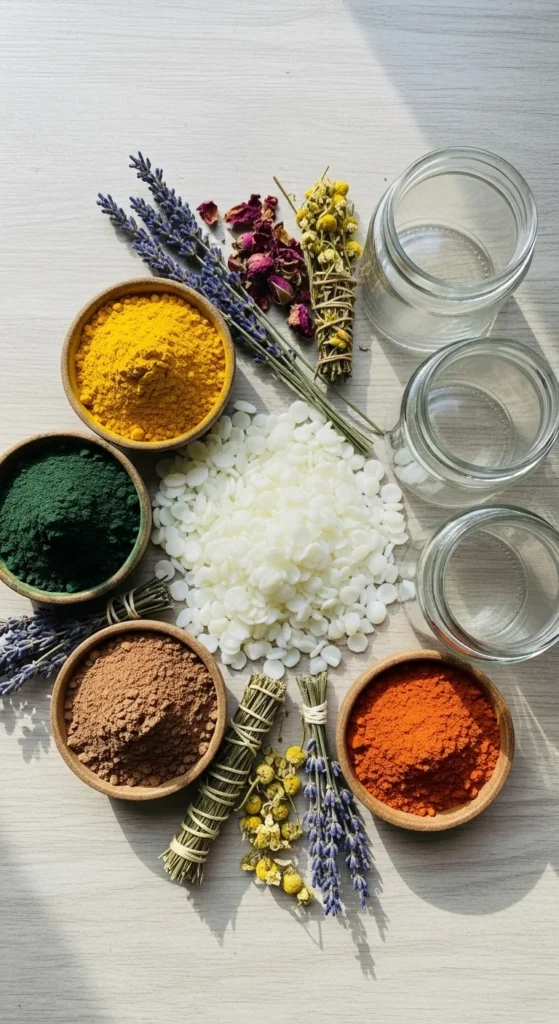
- Mica powders from natural mineral sources for soft shimmer or color
- Alkanet root for muted purple or dusty blue tones
- Annatto powder for warm yellow or golden shades
- Turmeric for sunny yellow
- Beetroot powder for blush-inspired tones
- Spirulina for a soft green tint
- Cocoa powder for warm tan or brown shades
- Cinnamon for a cozy brown tint
Keep in mind that some natural powders color wax better than others. Many botanical powders create a light tint instead of a bold color, which is often perfect for handmade candles.
Start With the Right Wax
If you want natural colors to show up nicely, start with a wax that has a clean, pale base. Soy wax is one of the best choices because it is naturally creamy and allows subtle colors to come through beautifully.
Beeswax is another natural option, but it already has a golden tone. That can be gorgeous, but it will affect your final color. For example, if you add a light pink botanical color to yellow beeswax, the result may lean warmer than expected.
For beginners, soy wax is usually the easiest option because:
- It has a soft neutral base
- It blends well with color additives
- It gives a smooth, cozy finish
- It works beautifully in jars and gift candles
How to Add Natural Color to Candle Wax
The basic process is simple, but a little patience helps.
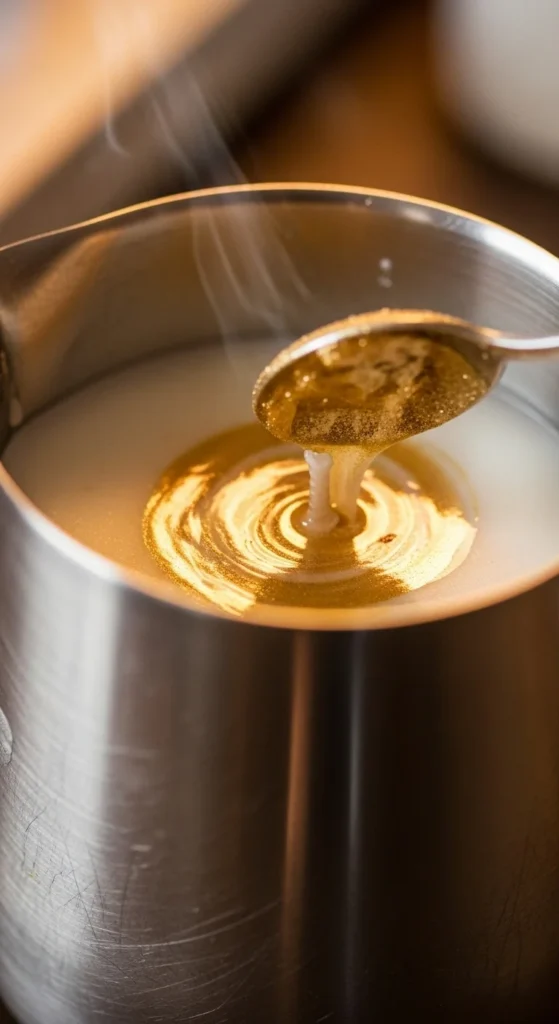
First, melt your wax using a double boiler or a heat-safe pouring pitcher over simmering water. Once the wax is fully melted, add a very small amount of your chosen natural coloring ingredient.
Start light. You can always add a little more, but too much powder can affect the burn quality of the candle.
Here is a simple method:
- Melt the wax fully
- Add a pinch of natural color
- Stir thoroughly
- Let the color infuse for a moment
- Strain if needed to remove larger particles
- Test the color before pouring
If you are using powders like turmeric, cocoa, or spirulina, mix very well so they do not clump.
Test the Color Before You Pour
This is one of the smartest steps in the whole process. Wax often looks darker when melted and much lighter once it cools. If you skip testing, you may end up with a candle that looks completely different from what you expected.
A quick way to test is to dip a spoon into the melted wax and let a little harden. That small sample will show you the cooled color much more accurately.
This is especially helpful when working with natural ingredients because the results can vary a lot depending on:
- The brand and type of wax
- The amount of color added
- The temperature of the wax
- The original tone of the ingredient
Testing saves time and wasted supplies.
Tips for Keeping Naturally Colored Candles Looking Pretty
Natural candle coloring is beautiful, but it works best when you keep the overall design simple.
A few easy tips can make a big difference:
- Use clear or neutral containers so the color stands out
- Stick with soft shades for a more elegant look
- Avoid too much powder in the wax
- Strain wax if the mixture looks grainy
- Pair natural colors with matching scents like lavender, vanilla, orange, or cedar
You can also match colors to seasons. Pale green candles feel fresh for spring. Warm cinnamon brown works beautifully in fall. Soft ivory and honey shades feel cozy all year round.
Common Mistakes to Avoid
Natural candle coloring is simple, but there are a few things that can trip beginners up.
Try to avoid these:
- Adding too much powder at once
- Using chunky ingredients that will not blend
- Expecting bold artificial-looking colors
- Forgetting to test the color after cooling
- Using so much botanical material that the wick struggles to burn
If your candle color turns out lighter than expected, that is normal. Most naturally colored candles shine because they are soft and subtle, not loud.
Final Styling Ideas for Gift-Worthy Candles
Once your candles are cooled and set, you can make them feel even more special with a few simple finishing touches.
Try styling them with:
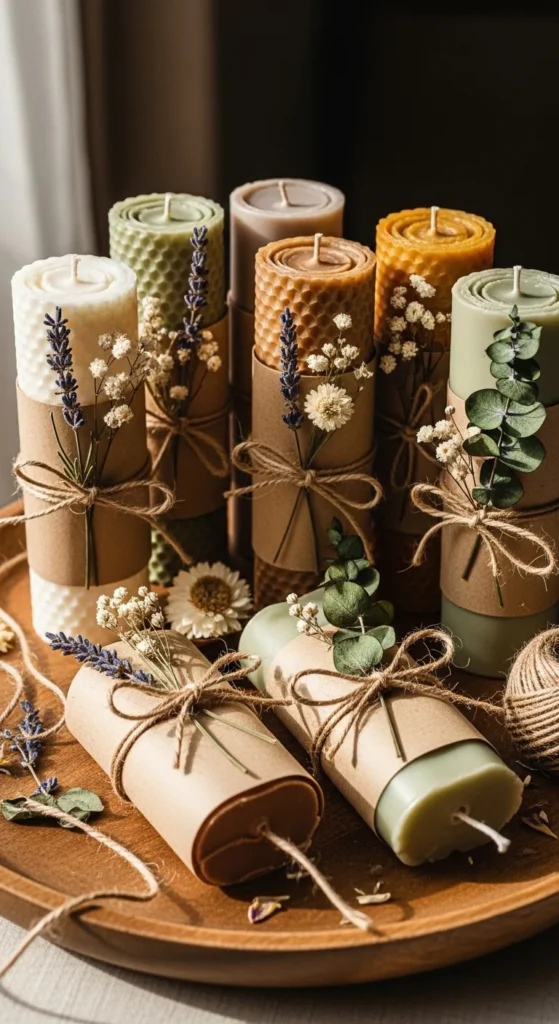
- Cotton ribbon or twine
- Minimal kraft labels
- Wooden lids
- Dried orange slices nearby for display
- Small gift boxes for handmade presents
Natural candle colors pair beautifully with rustic, farmhouse, cottagecore, and modern neutral decor. Even a basic jar candle can feel expensive and thoughtful when the color palette is soft and well chosen.
Final Thoughts
Learning how to color candles naturally is a simple way to make your handmade candles feel more personal, beautiful, and elevated. The colors may be softer than synthetic dyes, but that gentle, earthy look is exactly what makes them so charming.
Start with one or two easy ingredients, test your shades, and enjoy the process. Handmade candles do not need to be perfect to feel special.
Save this DIY idea for later and try a naturally colored candle batch for your next cozy craft day.

Lily Summers is a digital artist and creative storyteller who loves bringing colorful characters to life. With a passion for cartoons, fan art, and playful sketches, she inspires others to explore their imagination through art. When she’s not sketching, you’ll find her dreaming up new ideas for CraftedWizard.com to spark creativity in every artist. 🌈✨