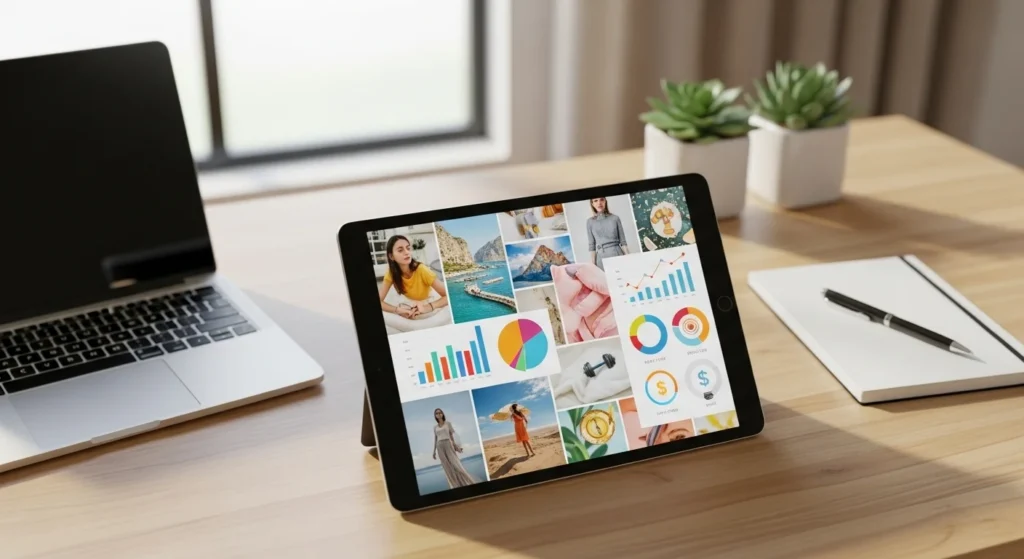
Digital vision boards make planning for 2026 flexible, editable, and visible every day. Unlike physical boards, digital versions can change as goals change. They fit phones, tablets, laptops, and desktops. They also work well for tracking progress, habits, and timelines without clutter. This list focuses on digital vision board ideas that are practical, affordable, and easy to build using common tools. Each idea helps turn goals into visuals you can revisit daily, adjust monthly, and review at the end of the year without starting over.
1. Passive Income Dashboard Board
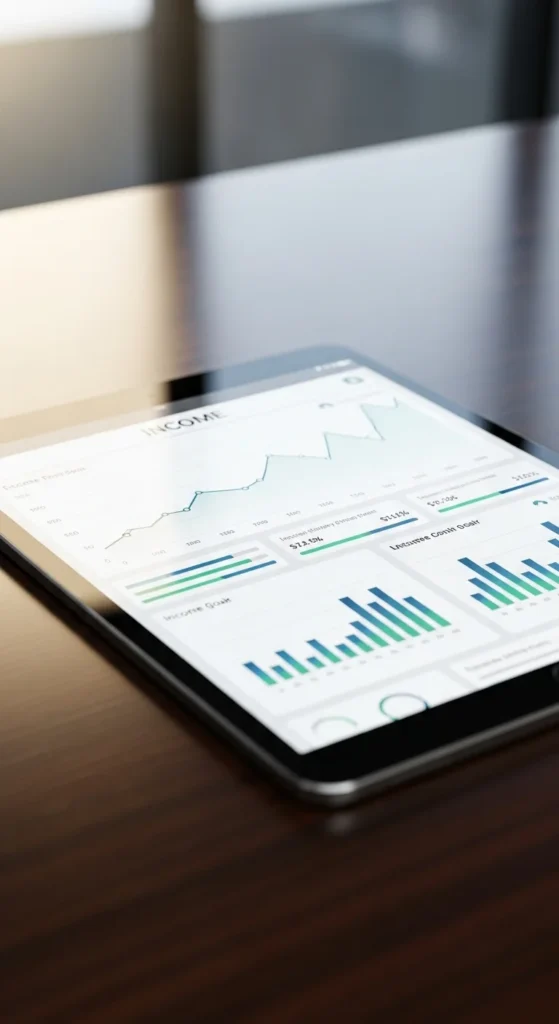
A passive income dashboard board centers on visuals that reflect steady money flow. Use mock charts that resemble ecommerce or content earnings dashboards. Add progress bars that slowly fill toward monthly or yearly targets. This board works well inside tools like spreadsheets or design apps using simple shapes. Keep numbers realistic and spaced out so the board feels calm when viewed daily. You can duplicate the board each quarter and update only the bars. This keeps effort low and progress visible. Pair the dashboard with icons representing online stores, content pages, or digital products. Avoid clutter by limiting the board to one income focus at a time.
2. Health Progress Chart Board
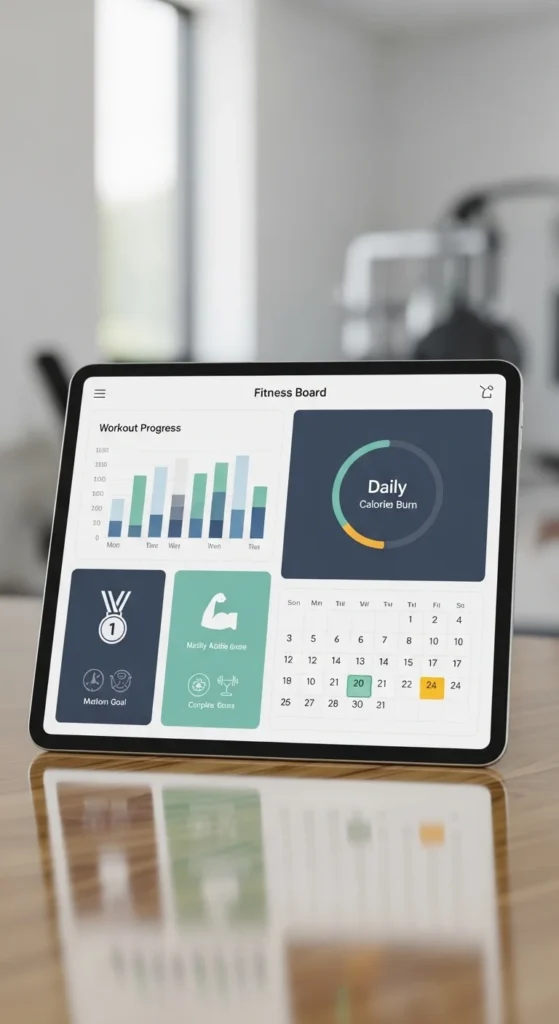
Health progress boards focus on tracking rather than appearance. Use charts that show workout consistency, walking days, or stretch sessions completed. Add simple icons like checkmarks or medals for milestones. Keep the color palette calm so the board feels inviting. This board works best when updated weekly, not daily. You can copy the same layout for different health habits and hide sections you are not using yet. This keeps the board supportive rather than overwhelming.
3. Habit Checklist Momentum Board
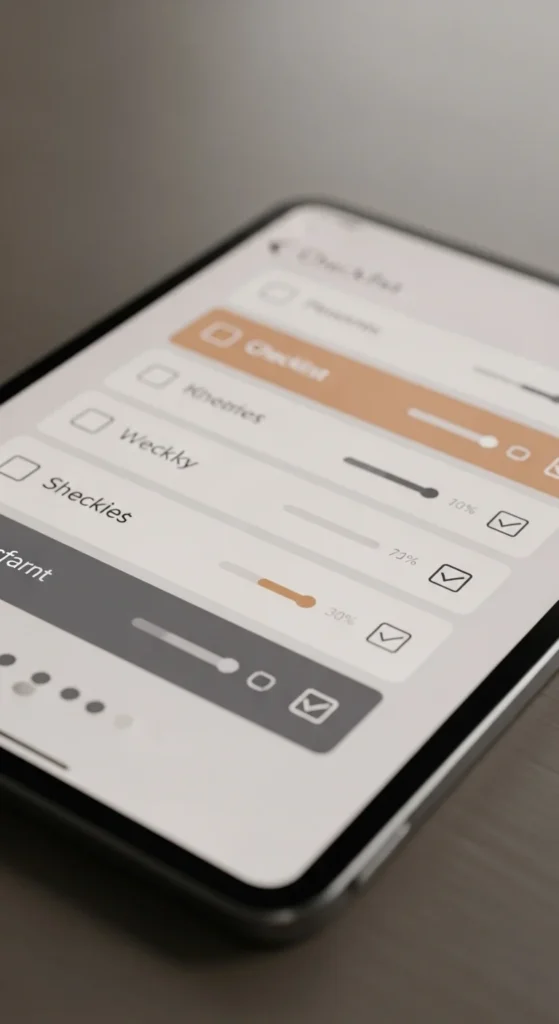
Checklist boards show action, not ideas. Use rows of small boxes filled gradually over weeks. Each row represents one habit. This board works well when paired with screenshots of completed tasks or calendar views. Keep the checklist short so progress feels visible. Duplicate the board monthly instead of resetting it daily. This builds a clear record of effort without extra work.
4. Cozy Home Office Vision Board
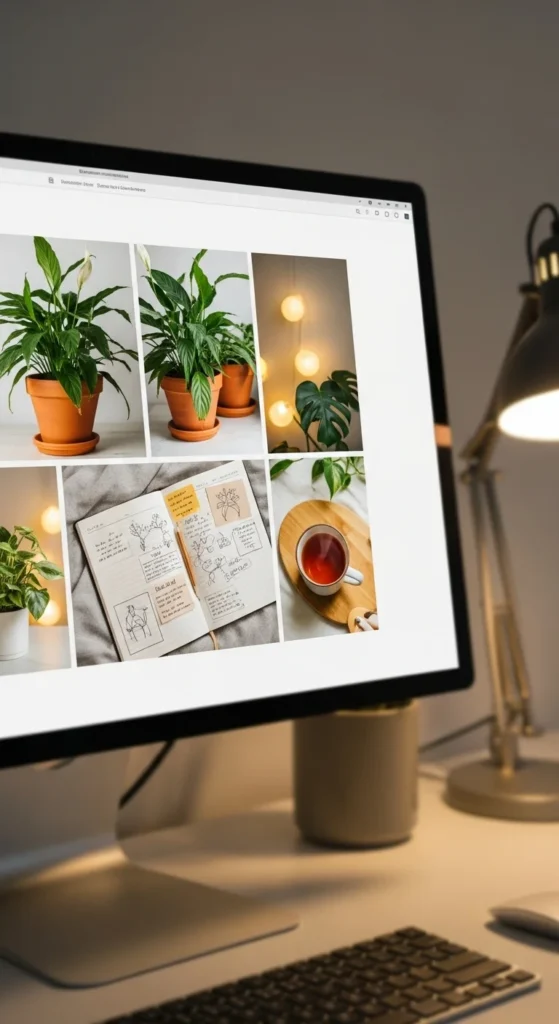
A home office board focuses on how work should feel. Include desk setups, lighting styles, plants, and quiet corners. Skip luxury items and focus on the atmosphere. This board helps guide small upgrades over time, like adding a lamp or rearranging furniture. Keep it simple so the board stays motivating rather than distracting.
5. Graduation and Learning Goals Board

Learning boards work well for students or self-study plans. Add visuals of study spaces, libraries, or finished notebooks. Include calendar blocks to represent semesters or courses. This board stays useful throughout the year as a reminder of long-term learning goals.
6. Core Values Symbol Board
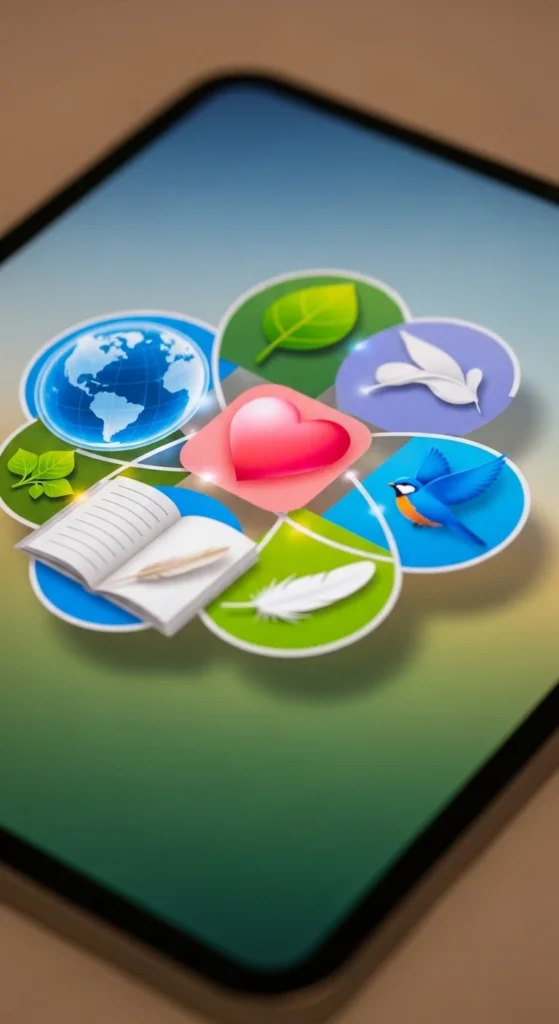
Core values boards anchor everything else. Use symbols instead of words where possible. Hearts, hands, paths, and open spaces work well. This board stays static and does not require updates. Place it at the center of your digital setup so it grounds other boards.
7. Savings App Progress Board
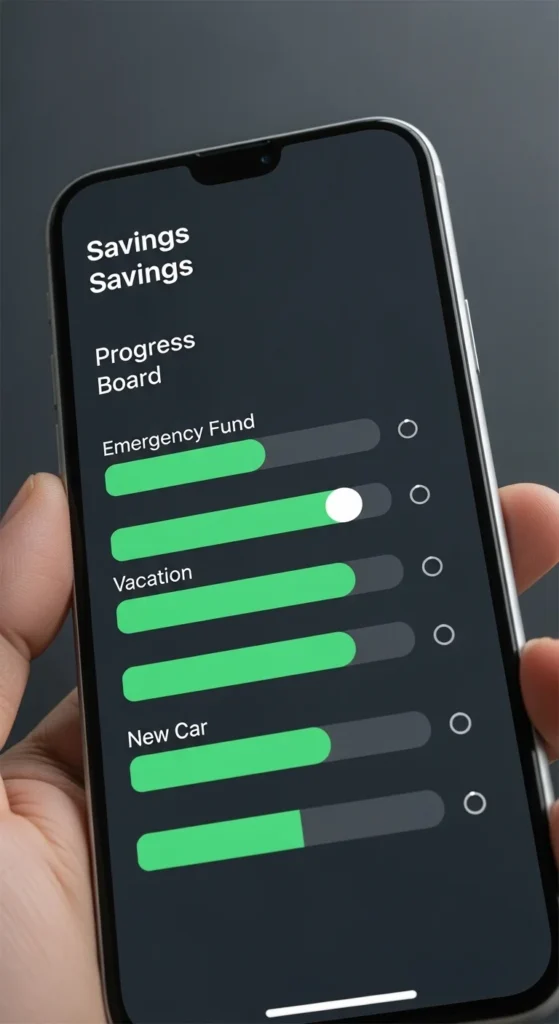
Savings boards use visual progress instead of balances. Show bars filling toward targets. Add small reward icons at milestones. This keeps attention on movement rather than pressure. Update monthly to maintain clarity.
8. Dream Home or Vehicle Anchor Board
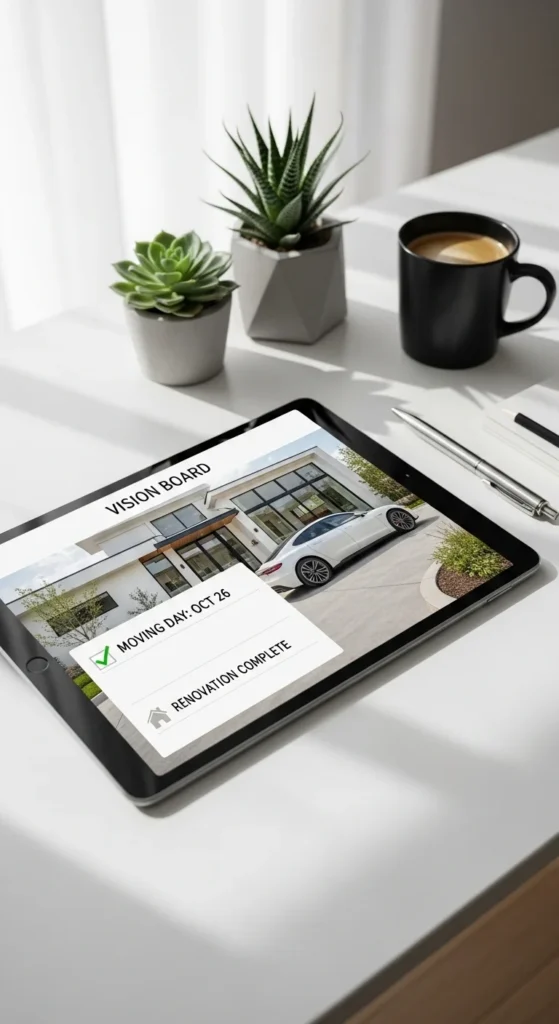
A dream home or vehicle anchor board helps you focus on one large long-term goal without mental overload. Instead of adding price tags or complex details, use calm exterior images of the type of home or vehicle you want to move toward. Pair these visuals with simple calendar blocks or timeline markers that represent months or seasons rather than deadlines. This keeps the board supportive rather than stressful. Place this board inside a digital canvas where it can stay mostly unchanged for long periods. The goal is familiarity, not pressure. You can update the timeline once every few months if circumstances change. This board works well when viewed weekly rather than daily. It reminds you why smaller money and habit boards matter. Keep the surrounding space open so the main image stands alone and feels steady.
9. Solo Travel and Self-Reflection Board
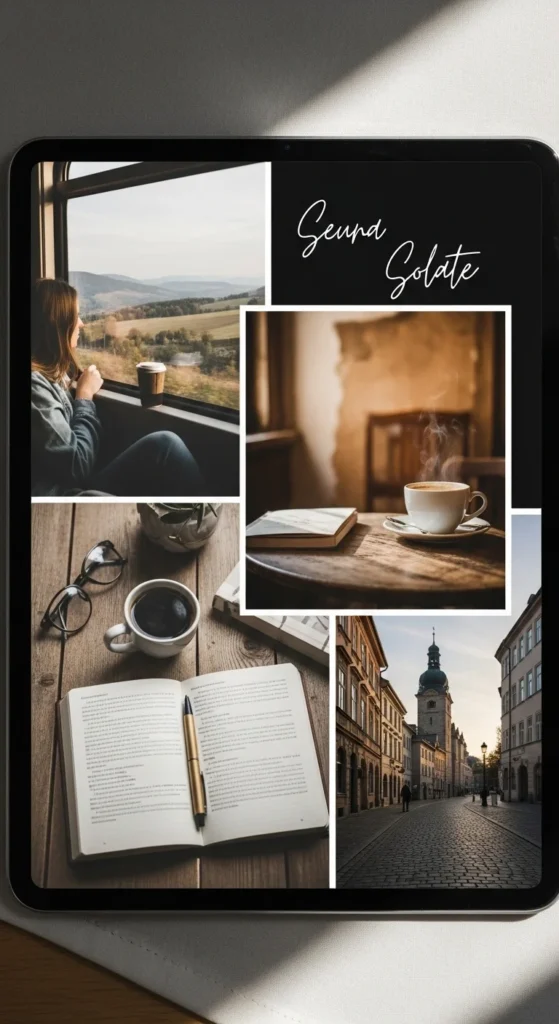
A solo travel and reflection board focuses on inner experience rather than destinations. Use visuals of train rides, café tables, journals, walking paths, or hotel rooms with soft light. These images represent time alone, thinking space, and personal clarity. This board works even if travel is not immediate. It trains the mind to value solitude and reflection as part of growth. Keep the layout loose and spacious. Avoid packing too many places into one board. One or two recurring scenes work better. You can pair this board with a short monthly note inside your digital tool about what kind of space you want more of in your life. This board stays useful all year and does not require frequent updates.
10. Career Recognition Desk Board
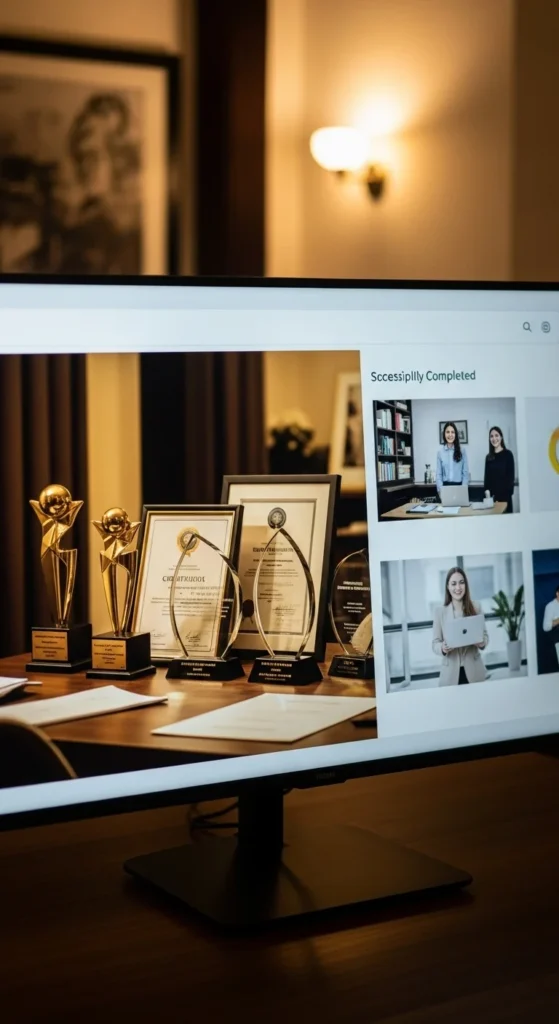
A career recognition desk board centers on earned outcomes rather than effort. Use visuals of completed workspaces, framed certificates, trophies, or presentation moments. These images represent progress that has already happened or is expected through consistent work. This board helps reduce anxiety around daily performance by keeping focus on longer arcs. Place it near other career-related boards but keep it visually quieter. You do not need to update this board often. Once or twice a year is enough. It works best when viewed during moments of doubt or fatigue. Keep the imagery realistic so the board feels reachable rather than distant.
11. Daily Routine Timeline Board
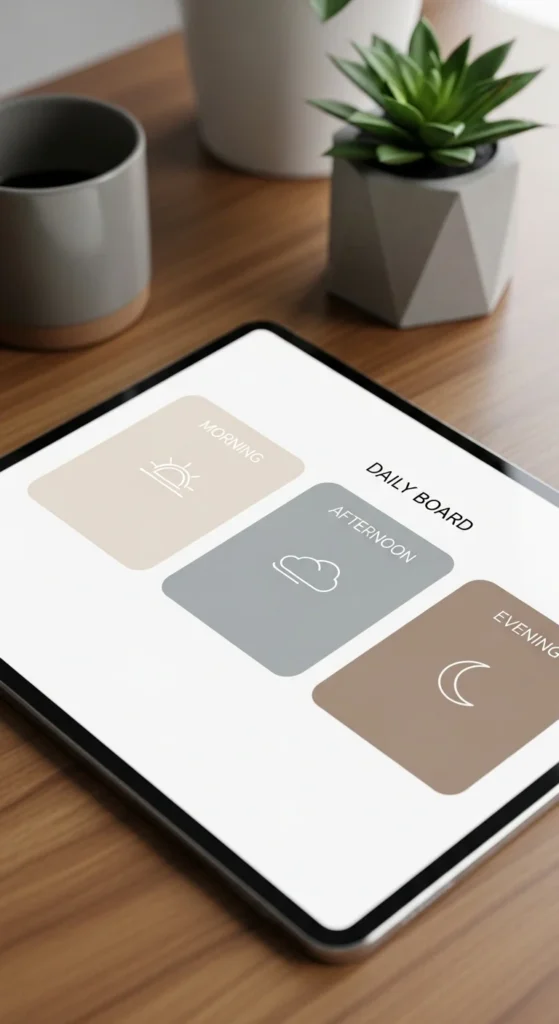
A daily routine timeline board shows how you want your days to flow rather than what you must complete. Use visual blocks for morning, afternoon, and evening. Each block can contain images representing energy levels, not tasks. Morning light, focused work, movement, rest. This board helps recalibrate daily rhythm when life feels scattered. It works well as a background reference while planning weeks. Update it when your schedule shifts, not when individual days change. Keeping it flexible prevents frustration. This board pairs well with habit checklists but should stay simpler.
12. Minimalist Lifestyle Alignment Board
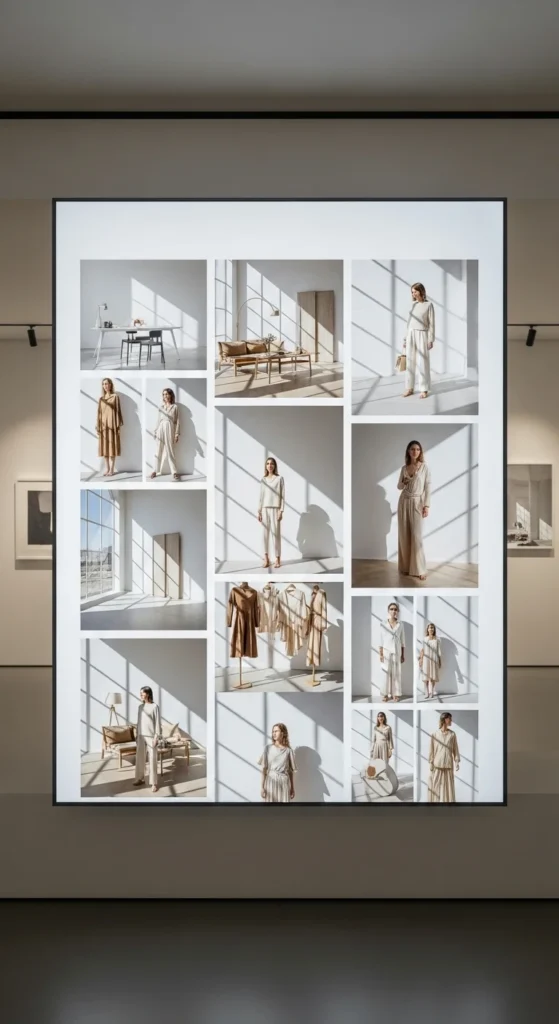
A minimalist lifestyle alignment board supports reduction rather than accumulation. Use visuals with space, light, and calm surfaces. This board helps guide choices about what to add and what to remove from daily life. It is especially helpful during periods of mental clutter. Keep colors muted and layouts open. This board does not track progress. It sets tone. Revisit it when making decisions about purchases, commitments, or routines. Minimal updates keep its purpose clear.
13. Reading and Knowledge Growth Board
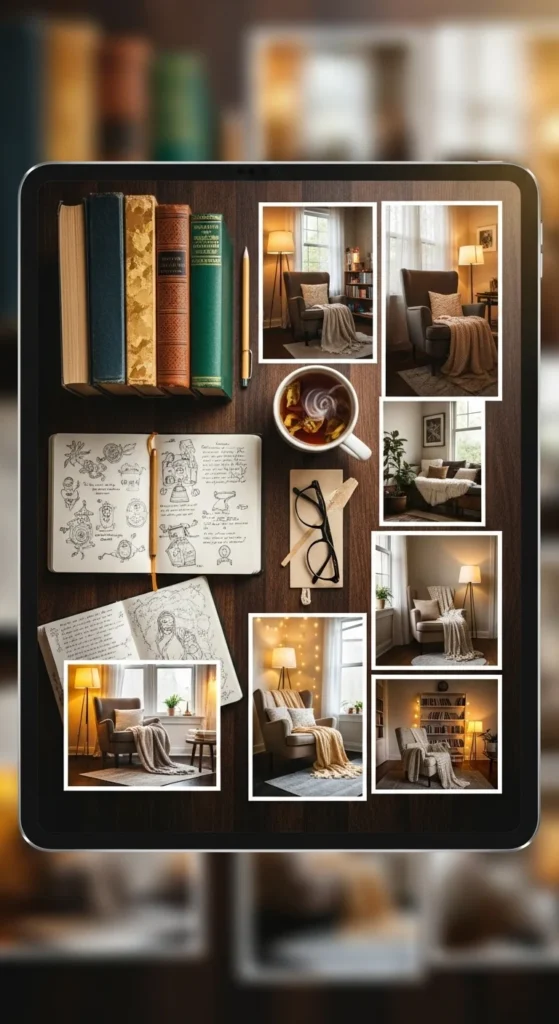
A reading and knowledge board visualizes learning without pressure. Use images of books, notes, desks, or libraries. Avoid long reading lists. One stack of books or one reading corner is enough. This board supports consistency over volume. You can pair it with a separate tracker if needed, but this board itself should stay calm. It works well when reviewed weekly. Over time, it builds identity around learning rather than outcomes.
14. Personal Brand or Creative Output Board
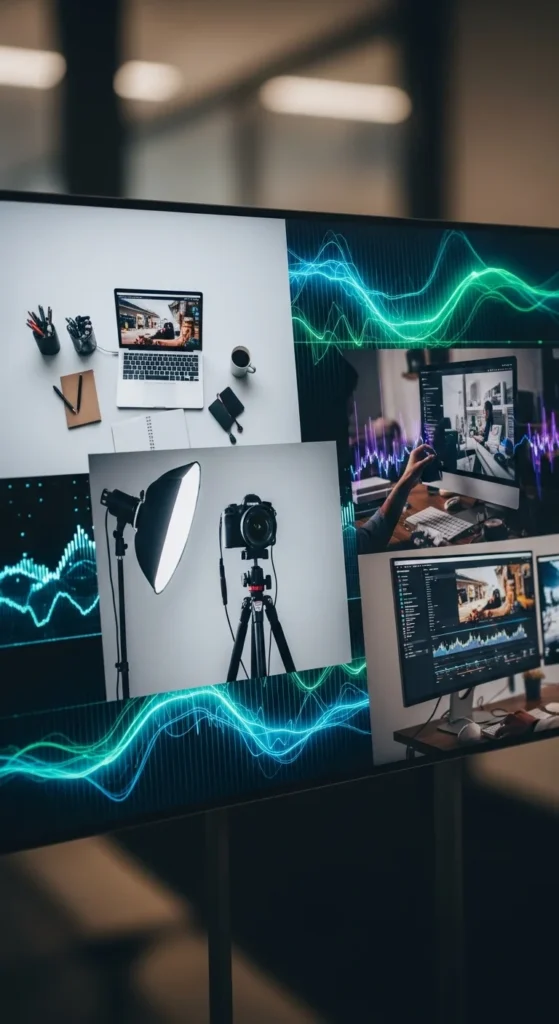
This board focuses on showing up consistently in creative or public work. Use visuals of writing spaces, recording setups, editing screens, or publishing moments. Avoid numbers. The goal is rhythm and presence, not metrics. This board helps when motivation dips. Keep layouts clean so attention stays on the act of creating. Update visuals only when your format changes.
15. Relationship and Community Vision Board
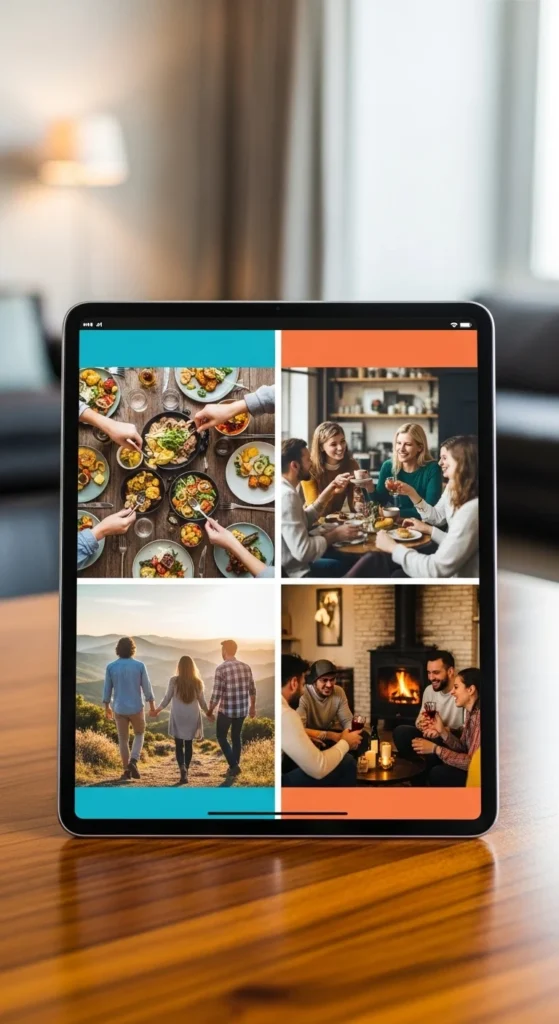
A relationship and community board highlights connection without schedules or expectations. Use images of shared meals, conversations, walks, or gatherings. This board reminds you to create space for people without tracking frequency. It works well when viewed weekly or monthly. Keep the tone warm and realistic. This board does not need updates often.
16. Skill-Building Ladder Board
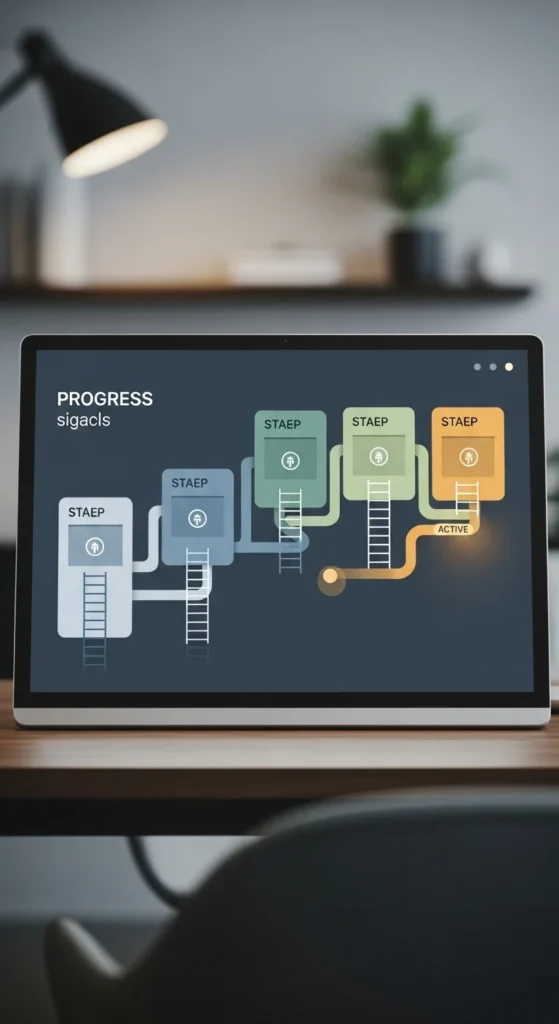
A skill-building ladder board breaks learning into visible stages. Each step represents a level of comfort rather than mastery. Use paths, ladders, or road visuals. Focus only on the next one or two steps. This prevents overwhelm and keeps momentum steady. Update the board only when you move forward. Avoid listing everything you want to learn. Keep it narrow.
17. Wellness Balance Board
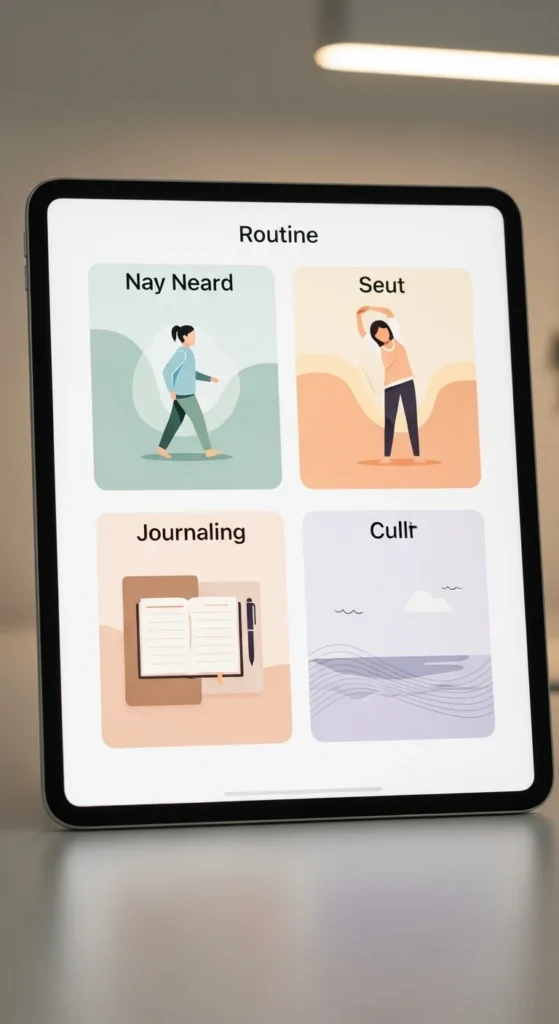
A wellness balance board combines movement and rest. Include visuals of walking, stretching, breathing, journaling, and sleep. This board helps recalibrate when routines drift. It should feel supportive, not demanding. Use soft colors and wide spacing. Review it during weekly resets.
18. Monthly Reset Board
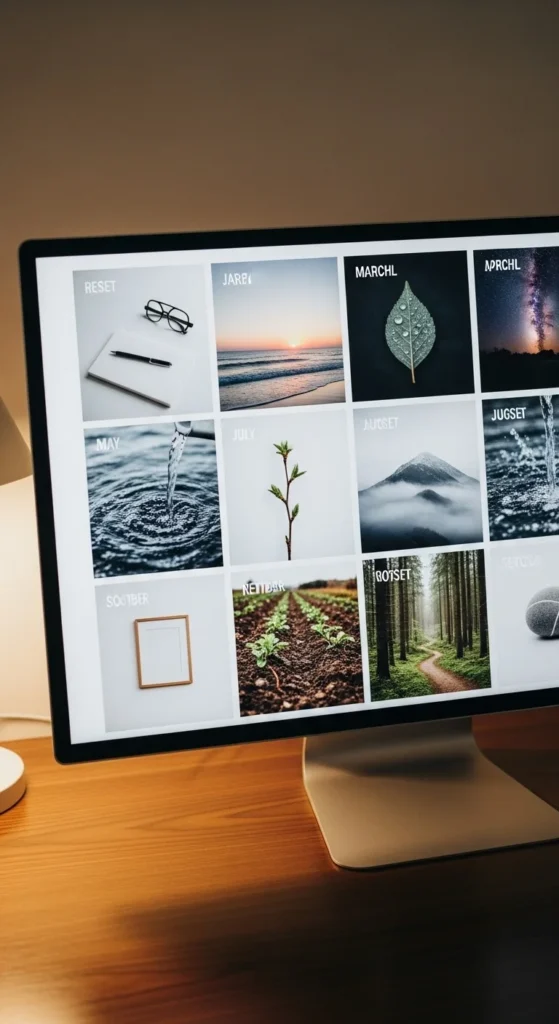
A monthly reset board helps close and reopen focus regularly. Use the same layout each month and duplicate it. Add visuals that represent clearing, organizing, and restarting. This board prevents carryover stress from one month to the next. Keep edits light and fast.
19. Long-Term Time Capsule Board
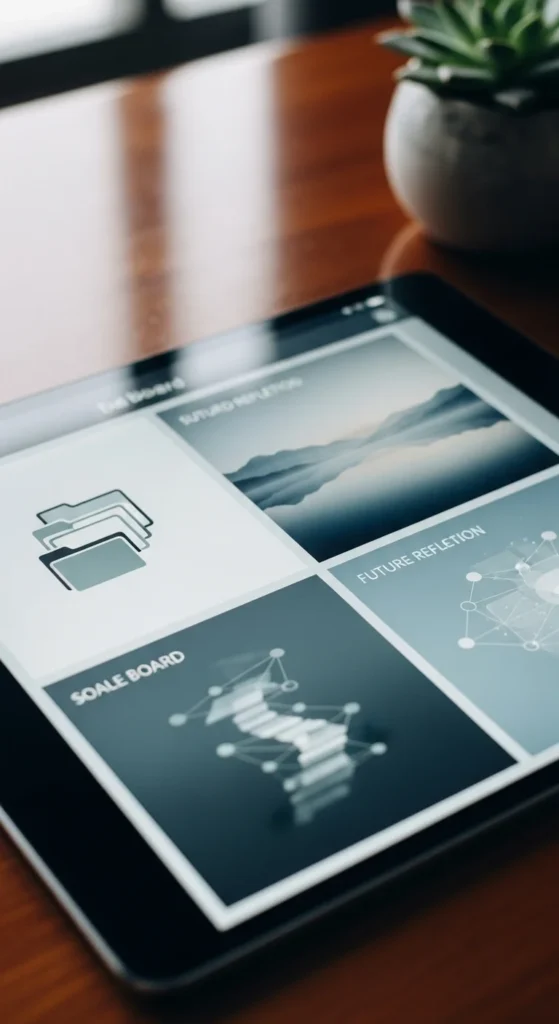
A time capsule board stores expectations and intentions for later review. Create it once and hide it. Add images that represent how you hope to think and feel at the end of the year. Revisit it only during year-end reflection. This board supports perspective.
20. Multi-Layer Vision Map
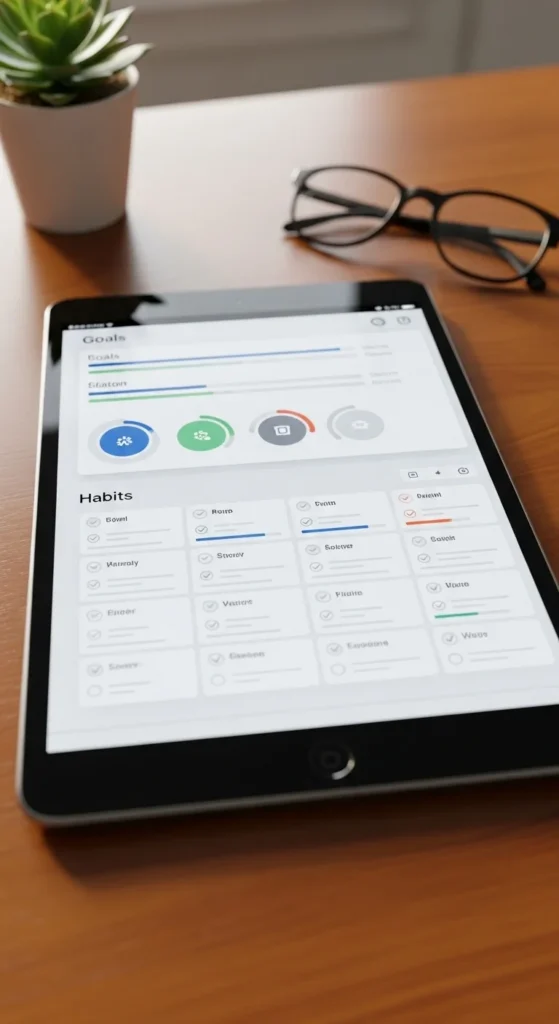
A multi-layer vision map connects big goals to daily actions. Use zoom levels. Wide view for life direction. Close view for habits. This structure works well on infinite canvas tools. Keep layers simple and limit depth to avoid confusion.
21. AI-Generated Future Self Board
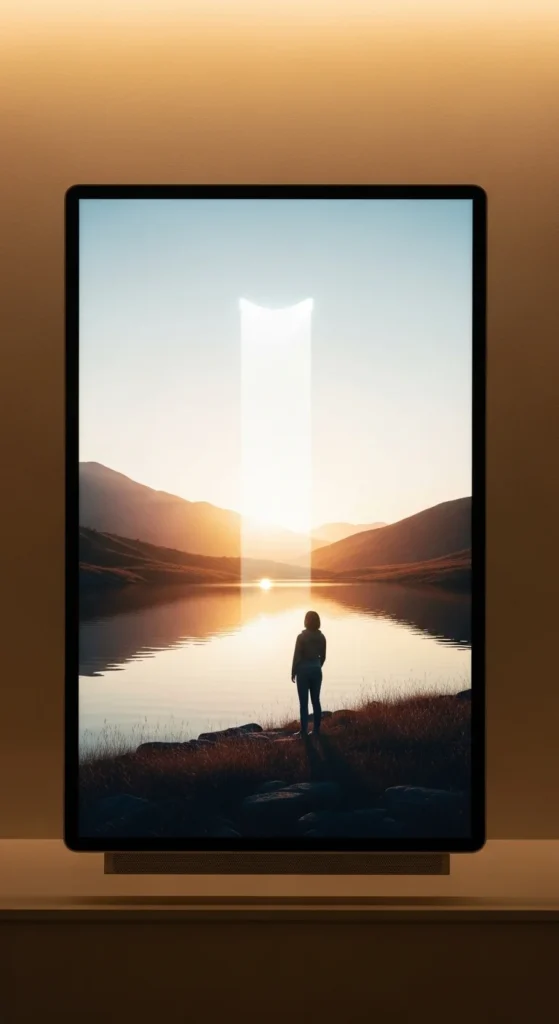
A future self board uses custom visuals that feel believable. Generate scenes where you are working, living, or resting as your future self. Keep expressions neutral and settings realistic. This board helps align behavior gently over time.
22. Shared Couple or Team Vision Board
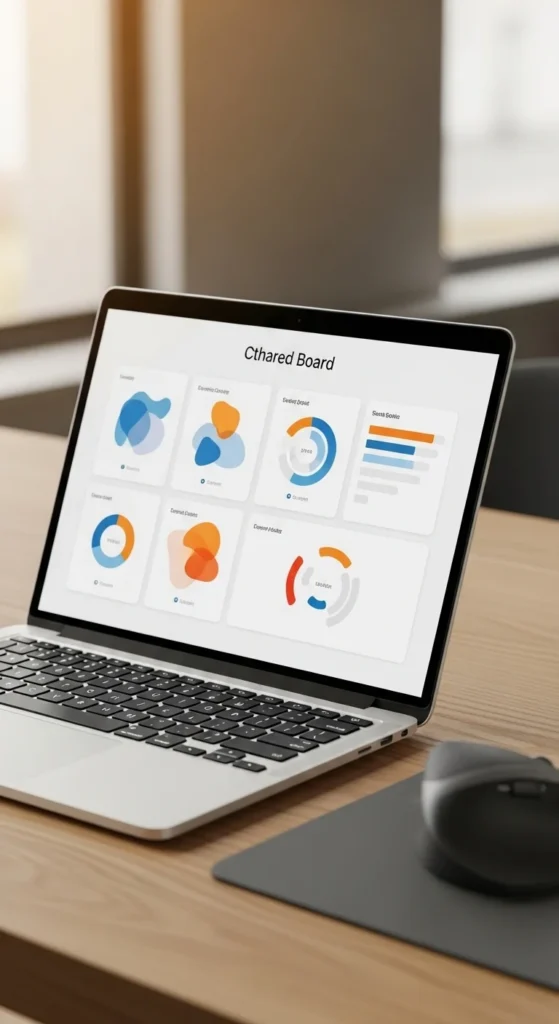
A shared board aligns direction across people. Divide space clearly so responsibilities stay visible. Review together monthly. Keep visuals simple to avoid conflict or overload.
23. Daily Wallpaper Vision Board
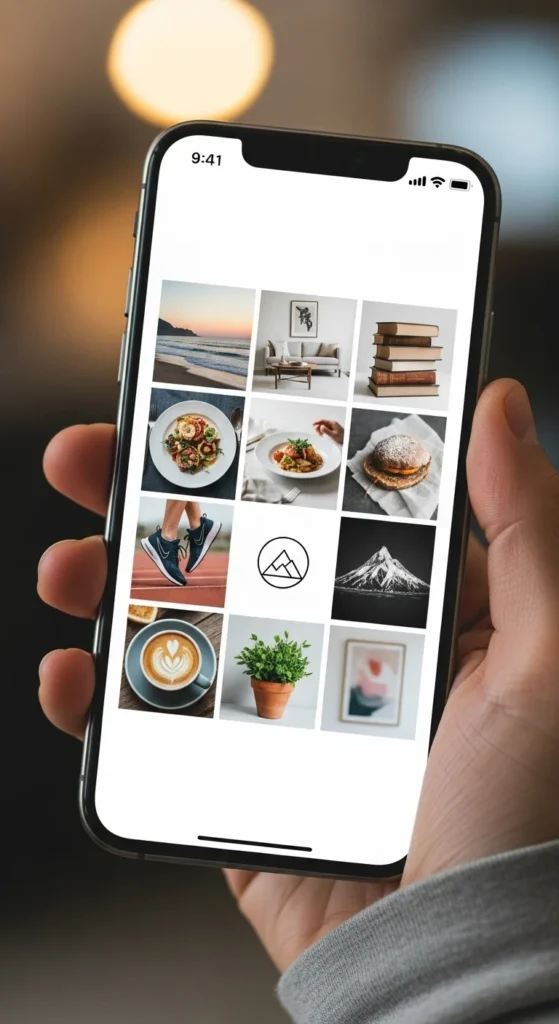
Wallpaper boards stay present all day. Limit elements to one theme. Too much detail distracts. Update quarterly or when direction changes.
24. Yearly Review and Reflection Board
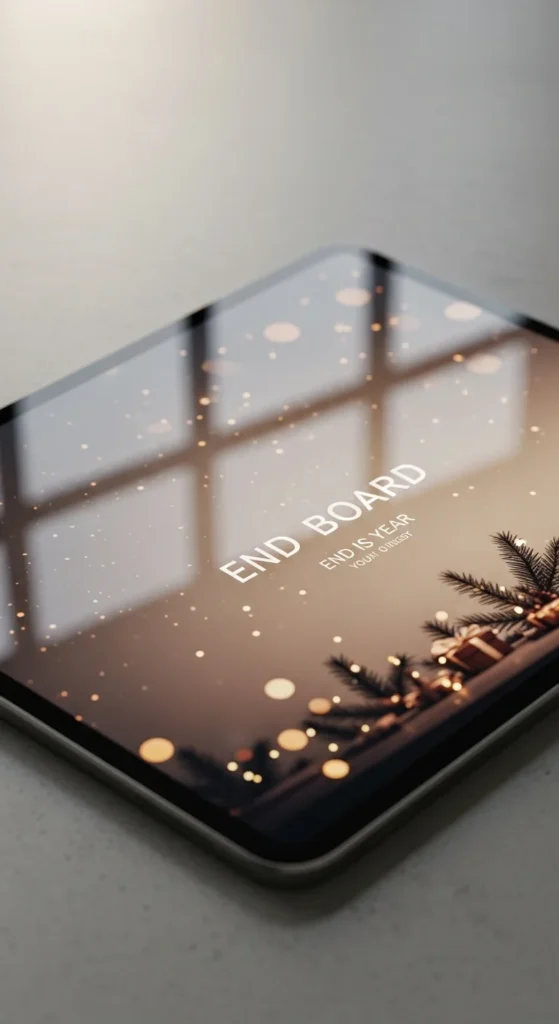
A reflection board closes the loop. Add visuals representing effort, lessons, and growth. Build it slowly at the end of the year. This board supports clarity moving into the next cycle.
Conclusion
Digital vision boards offer flexibility that physical boards cannot. They grow with goals, adjust with life changes, and stay accessible every day. By choosing boards that track progress, reflect values, and support daily habits, planning for 2026 becomes clearer and more manageable. Start with one board, keep layouts simple, and allow the visuals to guide steady action over time.

Lily Summers is a digital artist and creative storyteller who loves bringing colorful characters to life. With a passion for cartoons, fan art, and playful sketches, she inspires others to explore their imagination through art. When she’s not sketching, you’ll find her dreaming up new ideas for CraftedWizard.com to spark creativity in every artist. 🌈✨