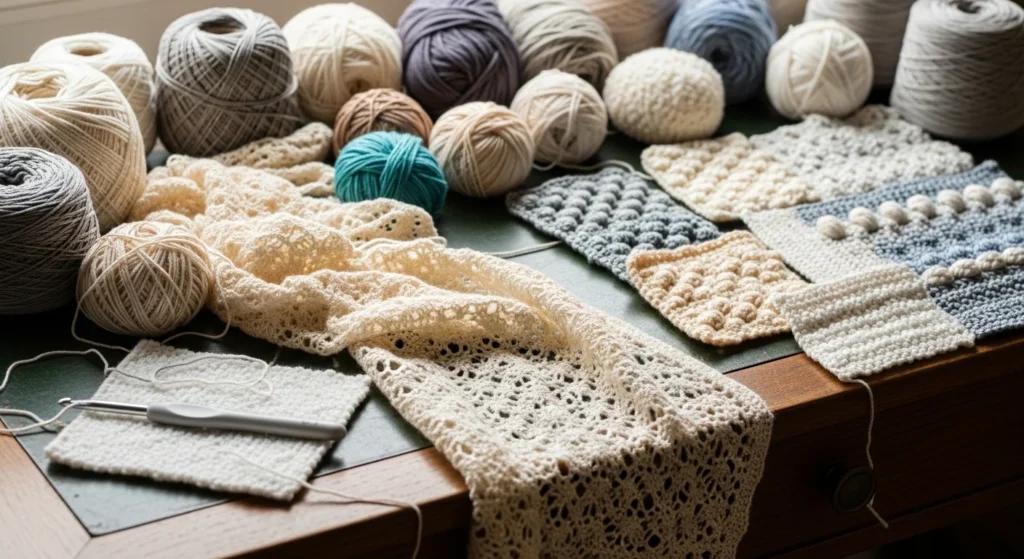
Crochet gets more exciting when each project teaches you something new. After mastering basic stitches, many crocheters look for ideas that stretch their skills while still being enjoyable to make. Textures, shaping, lace, and colorwork all open creative doors and help you understand how stitches build fabric. The projects below focus on learning through doing, so every finished piece adds a new technique to your toolkit. From wearable accessories to cozy home décor and playful plushies, these ideas help you grow steadily while keeping your crochet time fun and inspiring.
1. Textured Granny Square Upgrade
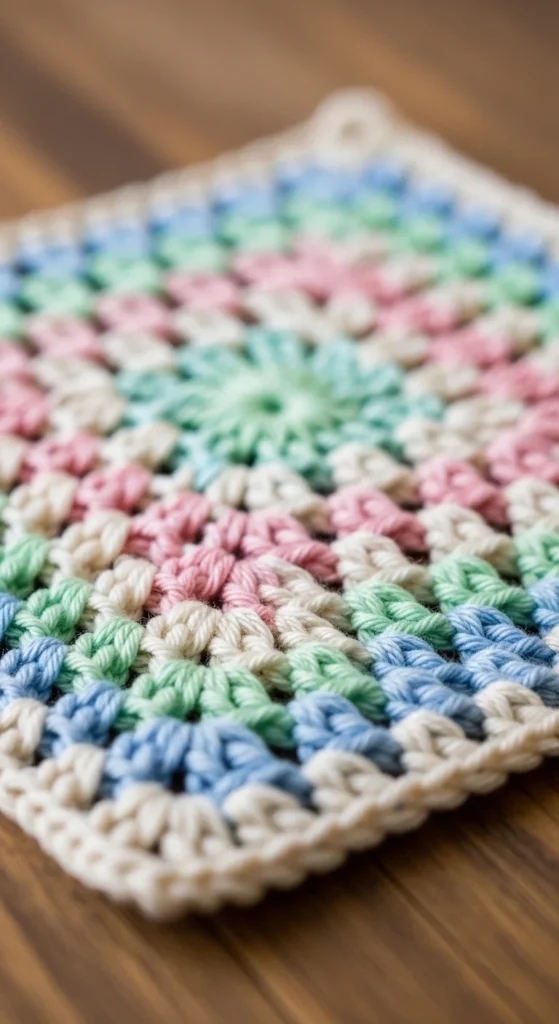
A textured granny square is a perfect way to move beyond flat motifs. Instead of basic clusters, try adding puff stitches or bobbles. These raised stitches create depth and make each square more interesting to look at and touch. Working in the round helps improve stitch consistency. You’ll also get better at reading your stitches as the texture grows. Use leftover yarn to keep it budget-friendly. Mixing smooth and textured rounds teaches contrast. Once you’ve made several squares, joining them into a pillow cover builds seaming skills. Small motifs make it easy to fix mistakes without stress. This project strengthens your foundation while introducing dimension in a manageable way.
2. Mesh Summer Wrap
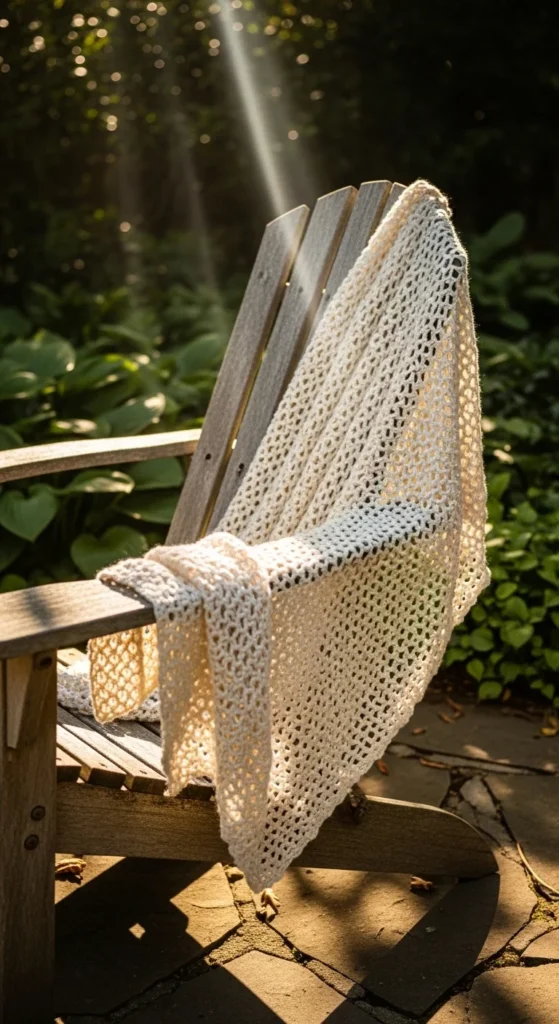
A mesh wrap introduces openwork using simple stitches. Chains and double crochets create airy spaces that feel light and soft. This project helps you understand how spacing affects drape. Working long rows builds rhythm and even tension. Choose cotton yarn for a breathable finish. Repeating the mesh pattern makes it relaxing to crochet. Blocking afterward shows how lace opens up beautifully. The finished wrap is practical and stylish. It’s a gentle step into lace-style crochet without complicated charts.
3. Filet Crochet Wall Hanging
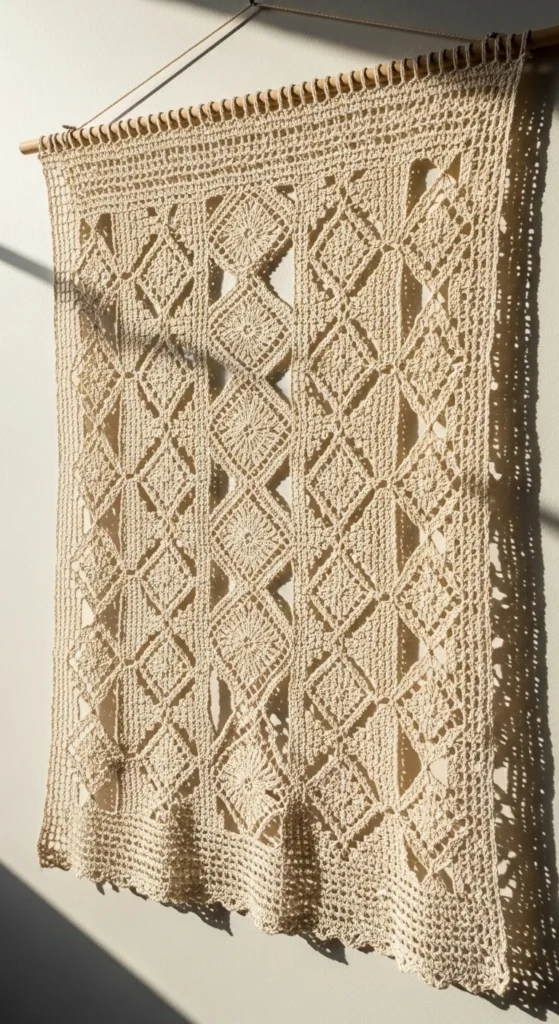
Filet crochet teaches you to follow grid-style charts. Open and filled squares form simple pictures or shapes. Counting stitches carefully improves focus and accuracy. Cotton yarn works well to show the pattern clearly. The steady repetition builds patience. Turning a chart into fabric feels very rewarding. A small wall hanging is manageable in size. This project strengthens chart-reading skills that apply to many advanced patterns later.
4. Color Block Shawl
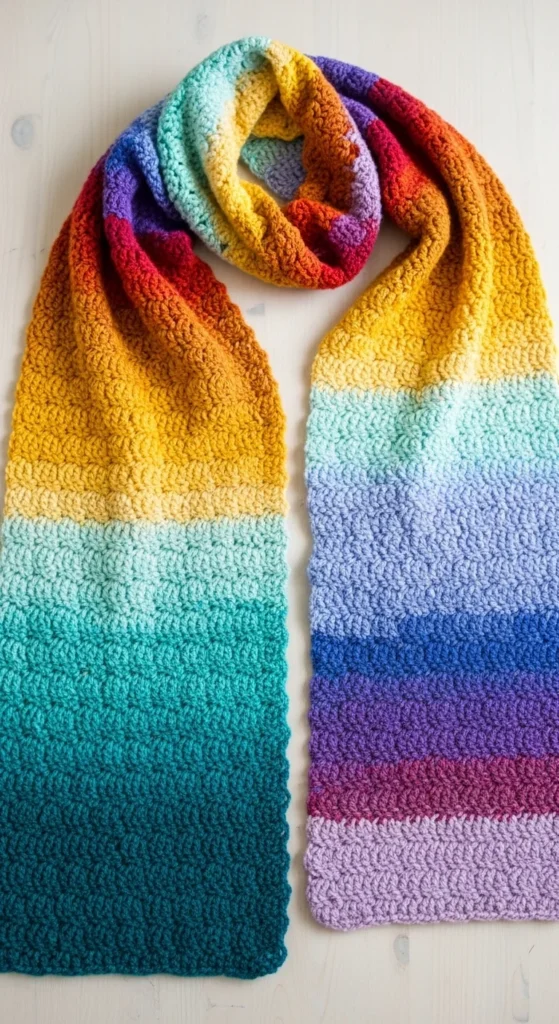
A color block shawl helps you practice clean color changes. Wide stripes make the design bold yet simple. You’ll learn to switch yarns neatly at row edges. This project also improves tension over long stretches of stitches. Using soft yarn enhances drape. Watching colors grow section by section feels motivating. The large triangular shape introduces shaping increases. It’s a wearable project that teaches control and patience.
5. Mohair Lace Shawl
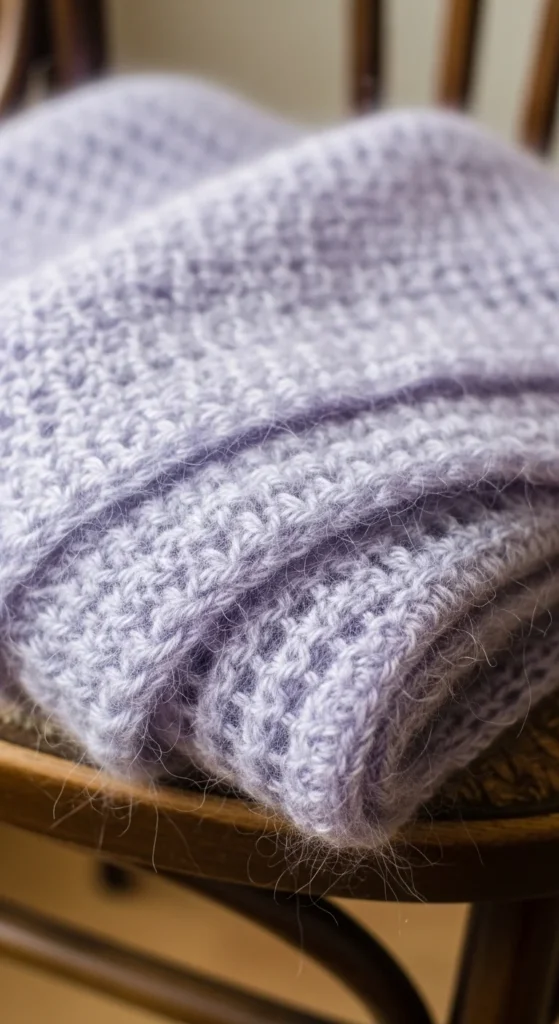
A mohair lace shawl teaches delicate stitch control. The soft halo of mohair smooths out tiny imperfections. Working with thinner yarn improves hand precision. Lace repeats train you to read patterns carefully. Blocking reveals the lace design clearly. The finished piece feels light but warm. This project builds confidence with fine yarns and open stitches.
6. Animal Appliqué Motifs
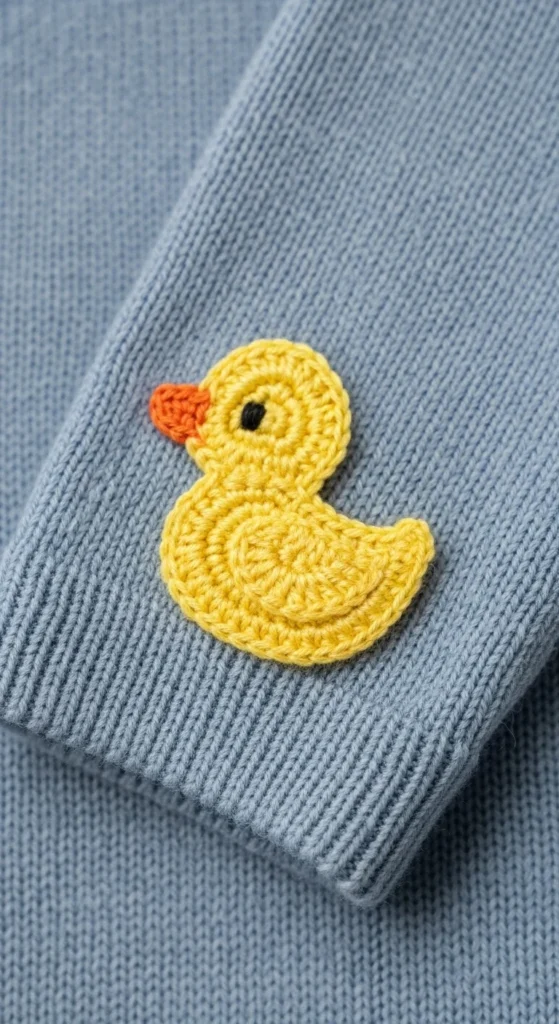
Small appliqués help you practice shaping in tiny forms. Increases and decreases build curves and outlines. Color changes teach yarn management. These motifs can decorate many projects. They’re quick to make and use scrap yarn. Working small improves stitch accuracy. It’s a fun way to try sculpted shapes.
7. Cable Stitch Mittens
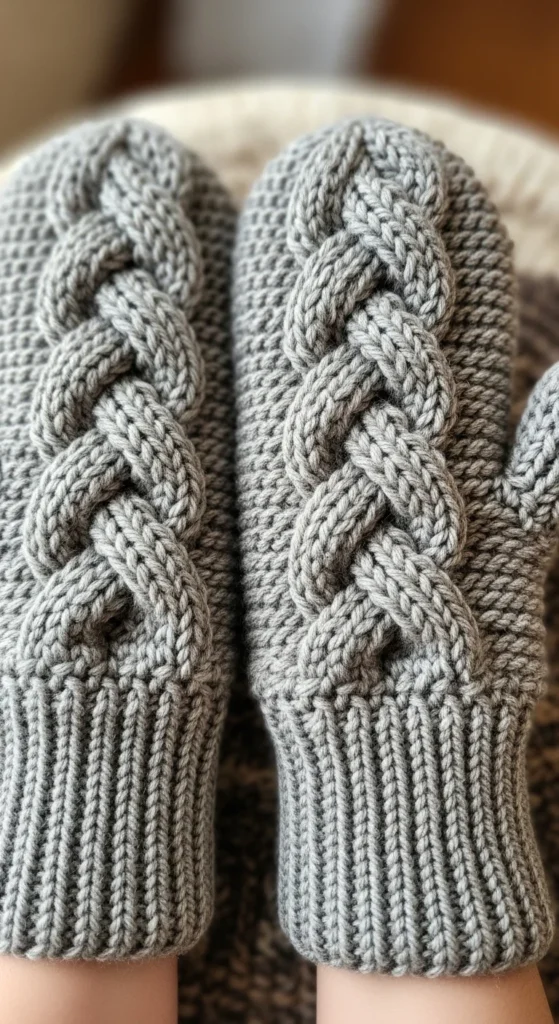
Crochet cables create twisted textures that look complex. Making mittens introduces working in the round. You’ll learn how to cross stitches using front-post techniques. Shaping the thumb improves understanding of garment construction. Thick yarn shows texture clearly. This project combines warmth and skill-building.
8. I-Cord Style Edging
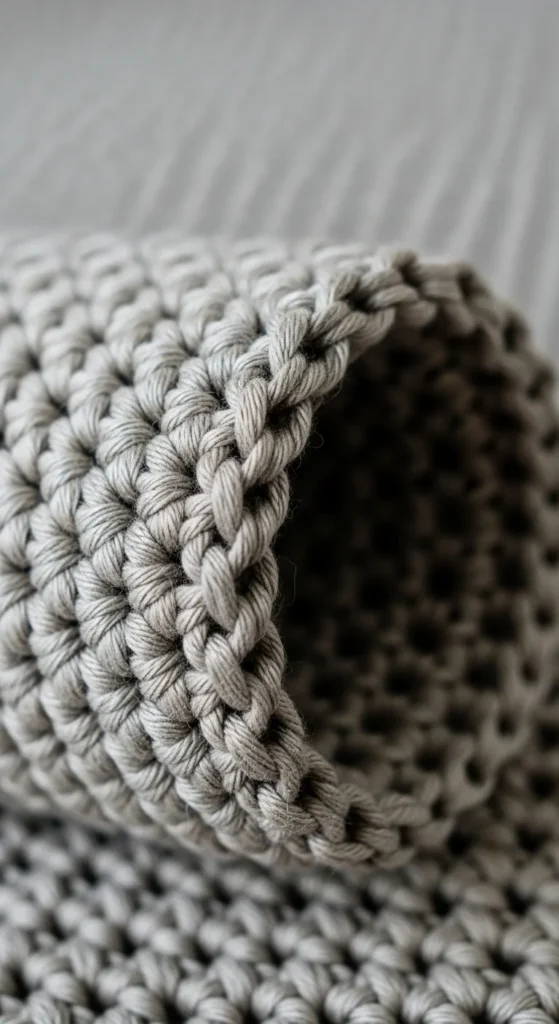
Adding an i-cord style edge refines finishing skills. This border gives projects a clean outline. It requires patience and steady tension. Applying it to scarves or blankets improves attention to detail. Small touches like this raise overall craftsmanship.
9. Intarsia Graphic Panel
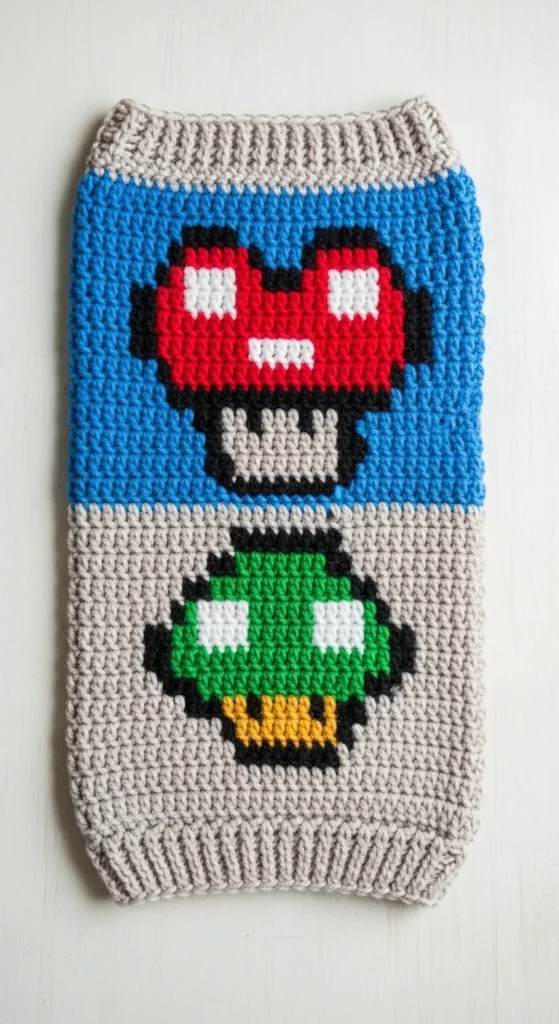
Intarsia crochet allows bold shapes and images. Working separate color sections teaches yarn control. Keeping edges neat builds discipline. This technique adds personality to garments.
10. Textured Crochet Purse
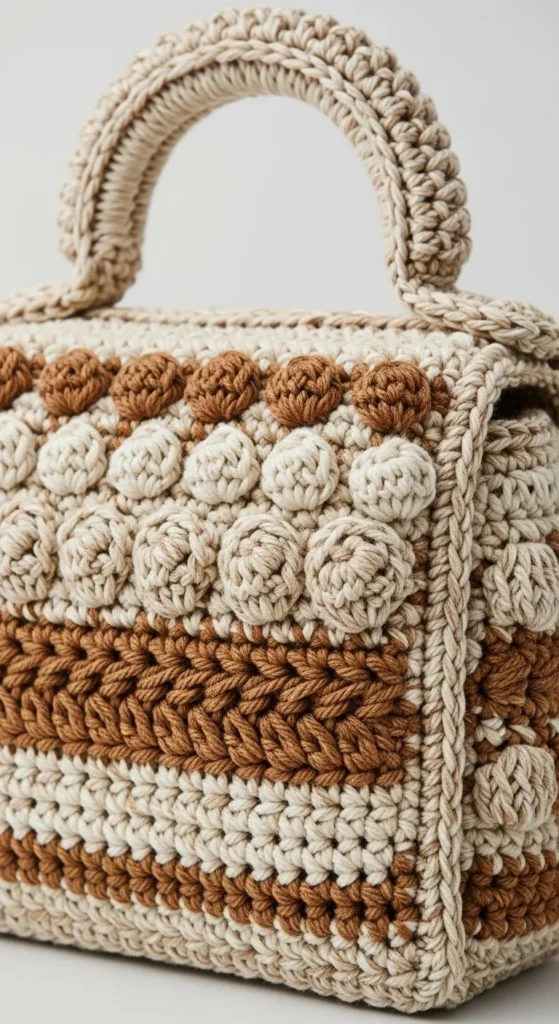
A small structured purse helps you practice firm stitches. Dense fabric teaches tension control. Seaming panels improves finishing skills. Adding a strap introduces shaping. Lining it with fabric adds durability. This project blends creativity and function.
11. Mini Amigurumi Plushie
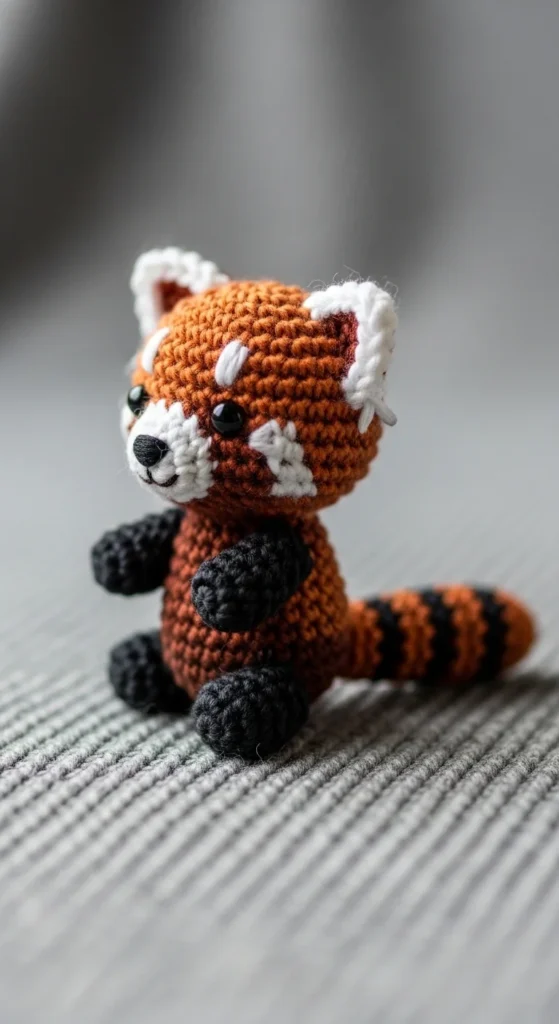
A mini amigurumi plushie is one of the best ways to learn three-dimensional crochet. Working in tight spiral rounds helps you improve stitch control and counting accuracy. You’ll practice increases to expand shapes and decreases to close them smoothly. Stuffing evenly is another important skill this project teaches. Small plushies also help you understand how tension affects shape. Using stitch markers becomes essential here. Scrap yarn works perfectly, making it budget-friendly. Adding tiny embroidered eyes or features builds finishing skills. Because it’s small, the project finishes quickly and keeps motivation high. This is a great step into sculptural crochet without committing to a large toy.
12. Corner-to-Corner Blanket Square
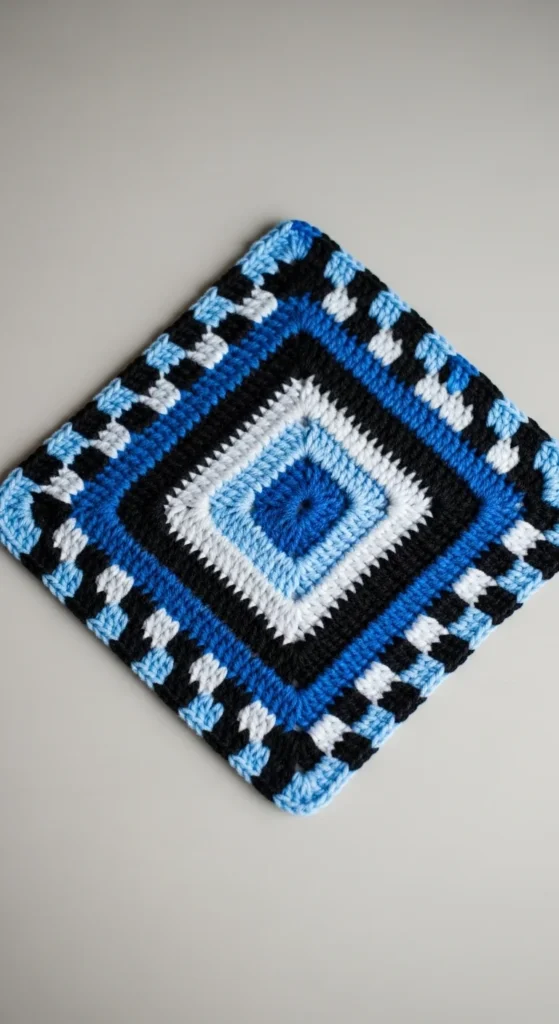
Corner-to-corner crochet works diagonally instead of straight rows. This technique builds small blocks that form a grid-like texture. It’s great for learning how shaping happens naturally through increases and decreases. Adding simple color changes introduces chart reading. The diagonal structure improves edge consistency. Each square grows gradually, which makes the project feel manageable. You’ll gain confidence handling larger surfaces later. The modular style also allows joining multiple squares into a bigger blanket. This builds planning and layout skills.
13. Lace Flower Brooch
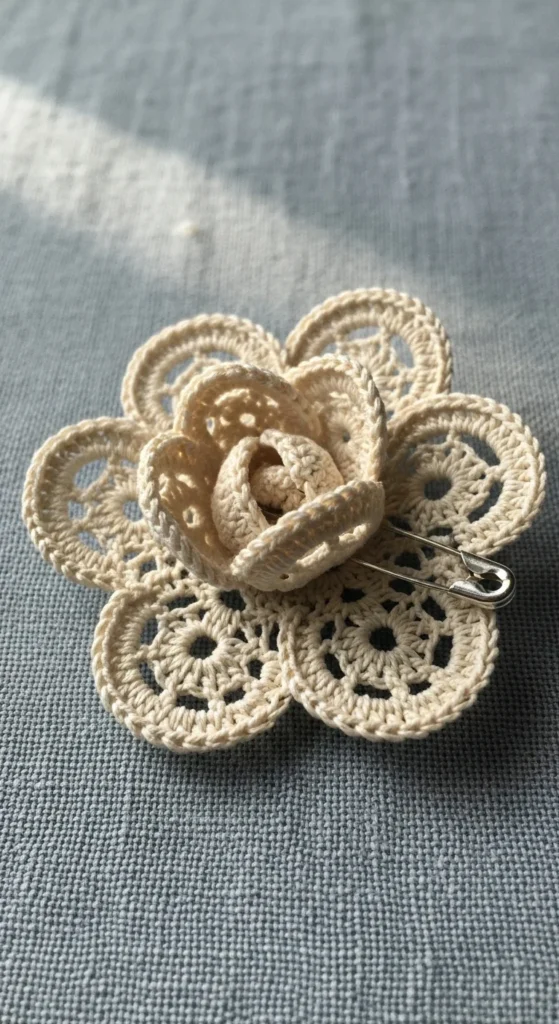
A lace flower brooch helps you practice working into chain spaces and forming petals. Small projects like this sharpen stitch placement. You’ll learn how rounds stack to create layered shapes. Lightweight yarn shows detail beautifully. Blocking the flower opens the lace pattern. Adding a pin backing turns it into wearable art. It’s quick, decorative, and skill-building all at once.
14. Crochet Patch Upcycle
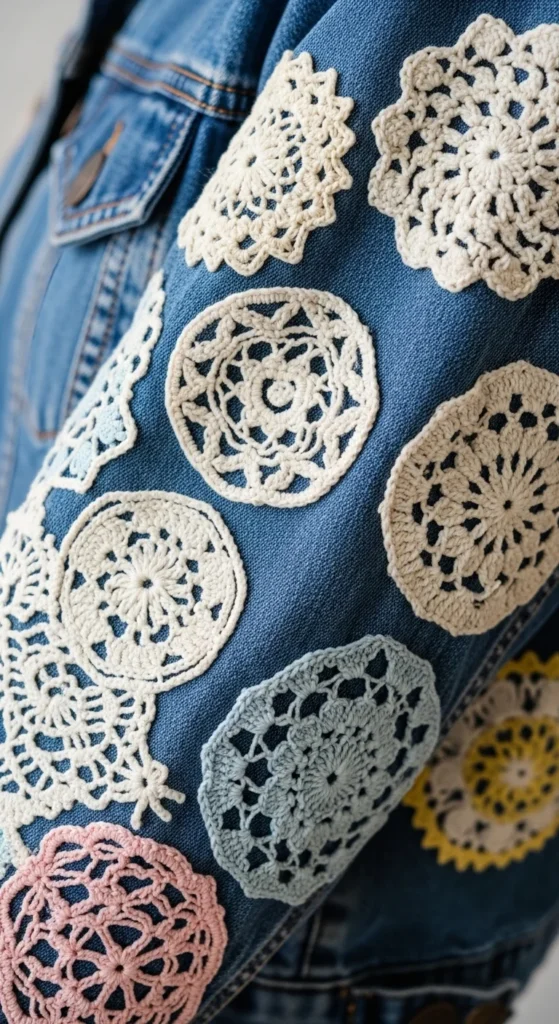
Adding crochet patches to clothing teaches how crochet blends with sewing. Motifs or lace shapes can cover worn spots or decorate plain items. You’ll practice stitching fabric and yarn together. This project builds creativity and sustainability. Small pieces feel low-pressure. It’s a fun way to use leftovers while learning finishing techniques.
15. Novelty Motif Squares
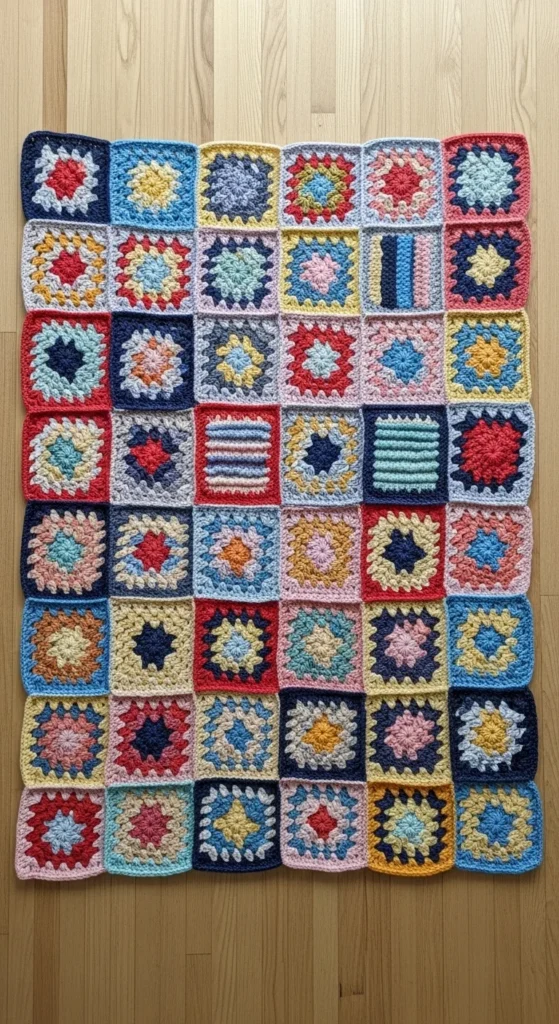
Creating novelty motif squares is a fun way to combine technique practice with creativity. Instead of plain granny squares, try making squares with small shapes, textures, or layered stitches. Each square becomes its own tiny project, which keeps things interesting and manageable. You’ll practice color changes, stitch placement, and keeping your tension even across different textures. Mixing raised stitches with flat ones teaches contrast and balance. These squares are perfect for using scrap yarn, making the project budget-friendly. Once you have a collection, arranging them into a blanket or pillow cover builds layout planning skills. Joining the motifs together also strengthens your seaming and finishing techniques. This project helps you grow stitch variety while still working in small, approachable pieces.
16. Textured Infinity Scarf
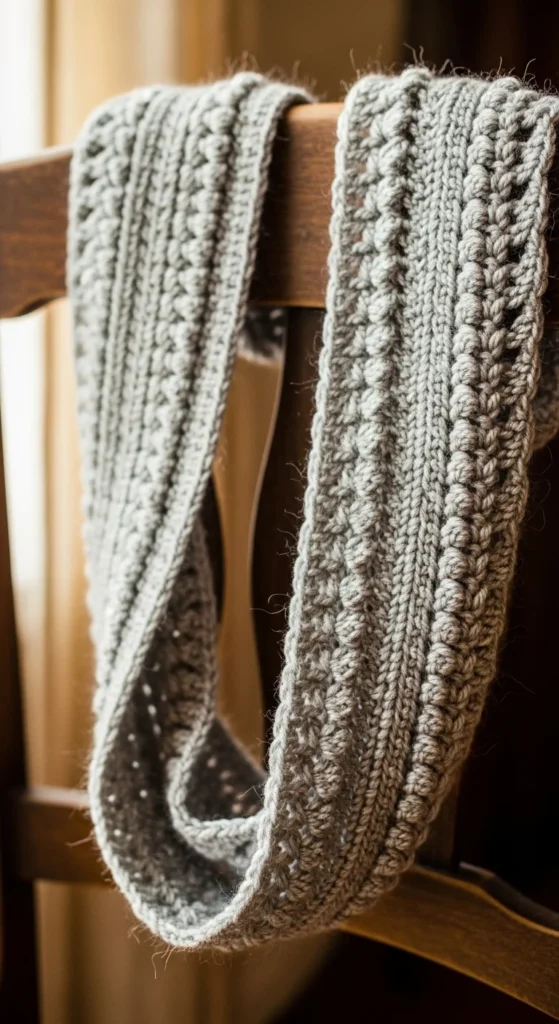
A textured infinity scarf is a practical project that also builds stitch endurance. Working long rows in a repeating pattern improves rhythm and consistency. Using textured stitches like ridges or raised lines helps you understand how small changes affect fabric appearance. Joining the ends neatly into a loop teaches finishing techniques. Choosing soft yarn makes the scarf comfortable to wear, which adds motivation to complete it. This project also helps you maintain even tension over many rows. Because the pattern repeats, it’s relaxing but still skill-building. The finished scarf becomes a versatile accessory you can wear often. It’s a great step toward larger wearable projects.
17. Eyelet Lace Headscarf
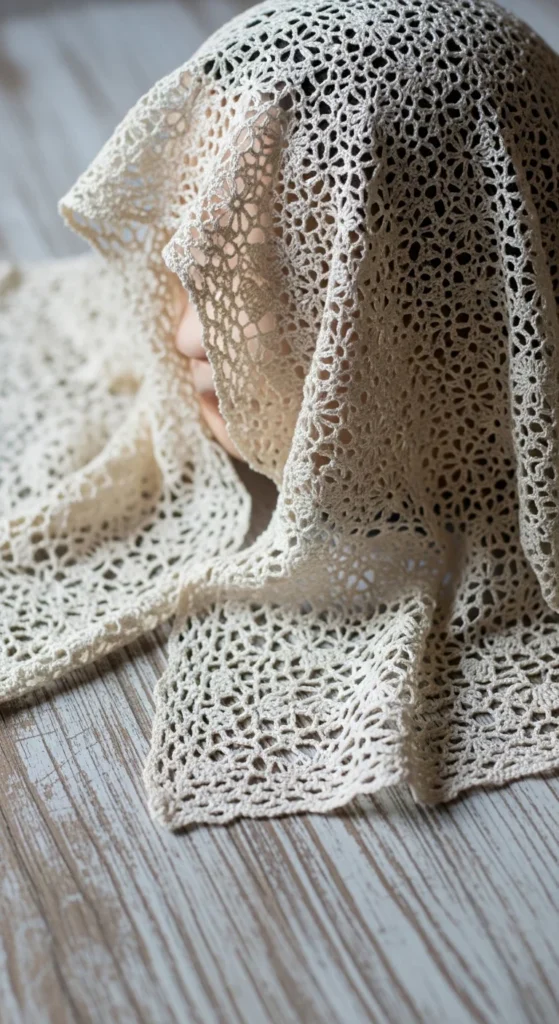
An eyelet lace headscarf introduces decorative openwork while staying small and manageable. Chain spaces create airy patterns that feel light and delicate. Working this project teaches you to count carefully and keep lace stitches even. Lightweight cotton or bamboo yarn shows the design clearly. Shaping the triangular form helps you understand increases along the edges. Blocking the finished scarf opens up the lace and smooths the stitches. This project builds patience and attention to detail. It’s also a wearable accessory that feels elegant without being complicated. Practicing lace on a smaller piece like this makes larger lace projects feel less intimidating later.
18. Lace Table Runner
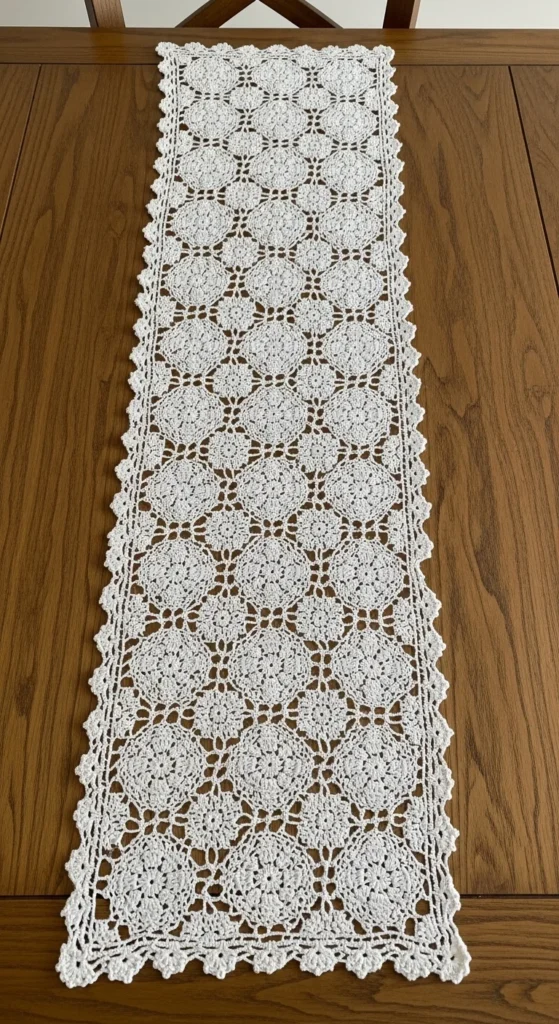
A lace table runner builds confidence in repeating patterns over longer rows. You’ll learn to maintain consistent stitch height and spacing. Counting stitches carefully becomes essential as the design grows. Using cotton yarn helps the lace keep its shape. This project also teaches how blocking can transform a piece. The long, narrow shape improves row tension control. Working with lace patterns strengthens your ability to read instructions closely. The finished runner adds a handmade touch to your home. It’s both decorative and a valuable learning experience.
19. Bobble Texture Blanket
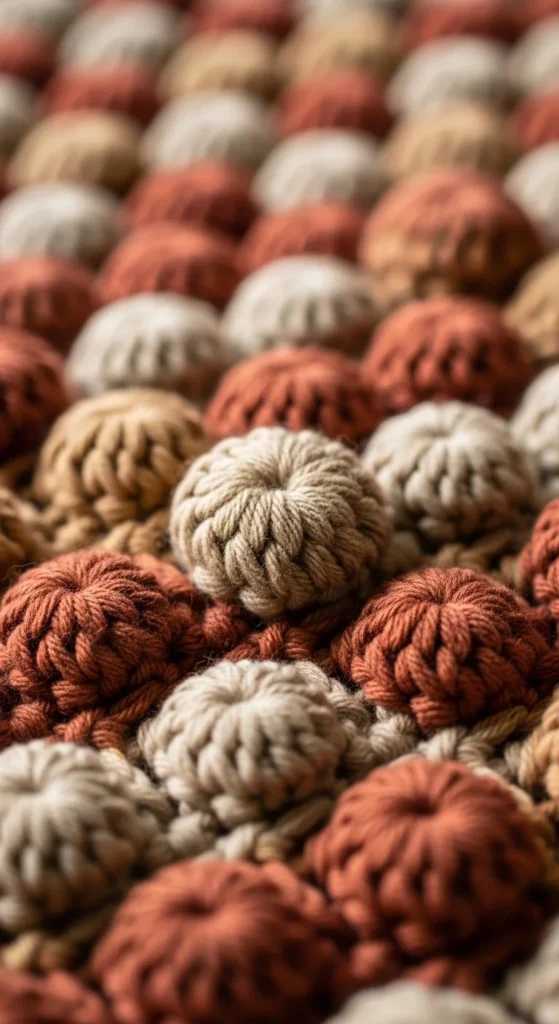
A bobble stitch blanket introduces a raised texture that stands out visually and physically. Learning to place bobbles evenly teaches rhythm and stitch control. Alternating textured rows with plain rows improves pattern balance. This project helps you manage yarn tension so bobbles pop without pulling the fabric tight. It’s repetitive enough to feel relaxing while still building skill. Working on a blanket also builds endurance for larger projects. Choosing soft yarn keeps the blanket cozy and inviting. Watching the texture grow row by row feels satisfying. This project strengthens your ability to handle dimensional stitches confidently.
20. Seamed Crochet Cardigan
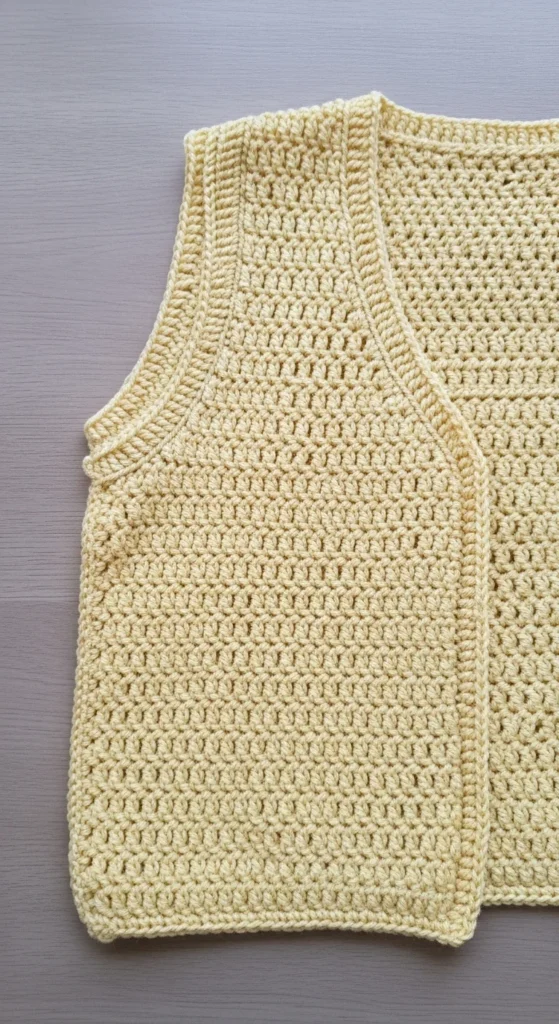
A seamed crochet cardigan introduces garment construction step by step. Working flat panels helps you understand shaping through increases and decreases. Seaming the pieces together builds finishing and alignment skills. Adding sleeves teaches joining in new sections smoothly. This project also improves measuring and sizing awareness. Choosing simple stitch patterns keeps the focus on structure. You’ll gain confidence handling larger wearable items. The finished cardigan feels like a big achievement and shows how crochet can create full garments.
21. Motif Joining Blanket
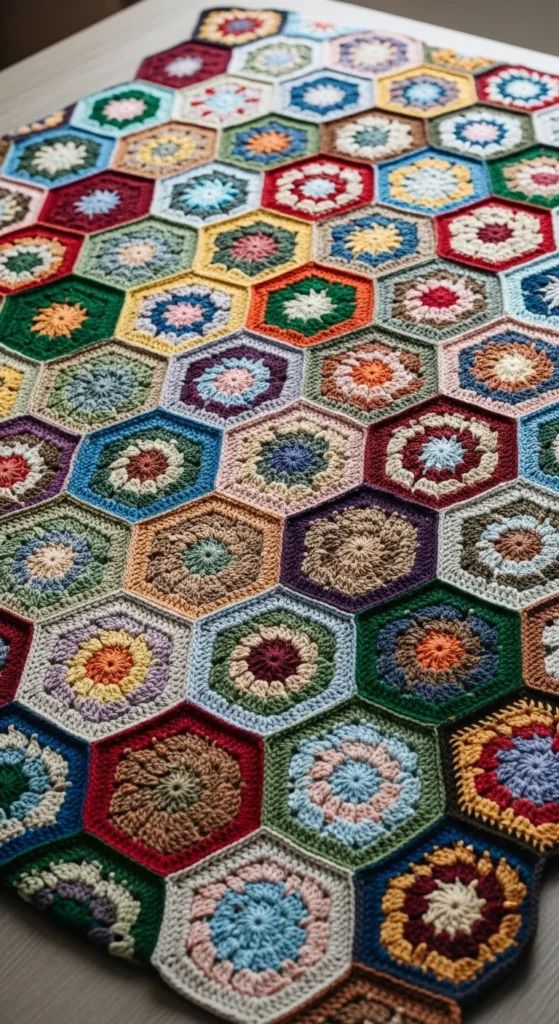
A motif joining blanket focuses on assembling smaller pieces into one large design. You’ll practice joining techniques like whip stitch or join-as-you-go. Planning color layout improves design sense. Each motif feels manageable on its own. Joining them evenly builds patience and precision. This project shows how small parts create a large result. It’s perfect for using leftover yarn creatively.
22. Crochet Swatch Journal
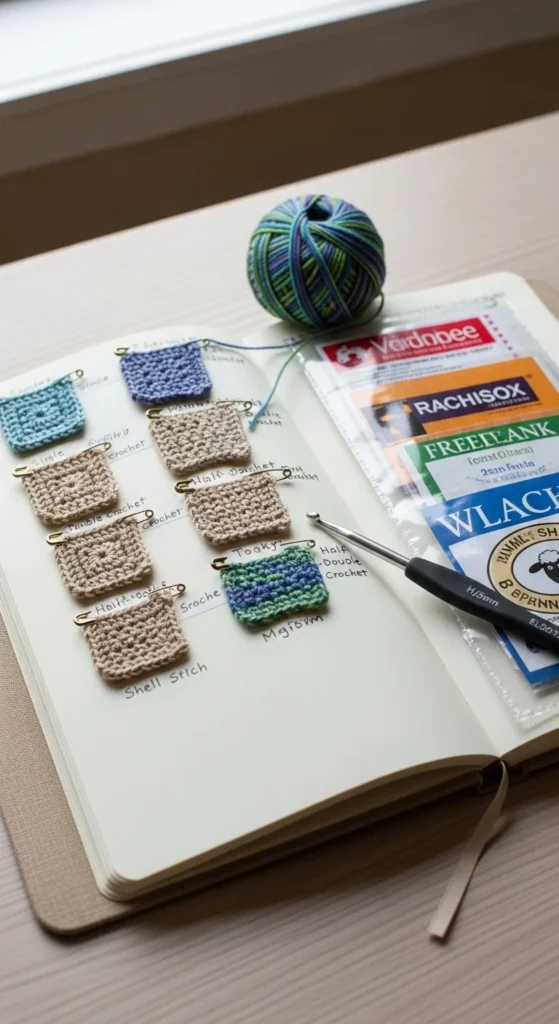
A crochet swatch journal is like a personal stitch library that grows with your skills. Instead of jumping straight into big projects, you create small sample squares using different stitch patterns. This helps you understand how each stitch behaves before committing to a larger piece. You’ll learn how yarn weight, hook size, and tension affect the final look and feel. Labeling each swatch with the stitch name and yarn type keeps everything organized. Over time, this notebook becomes a helpful reference guide. It also encourages experimentation without pressure. Trying new textures in small pieces builds confidence. You can later combine your favorite swatches into bigger designs. This project strengthens your understanding of crochet fabric while keeping the process creative and low-stress.
23. Yearly Crochet Skill Challenge
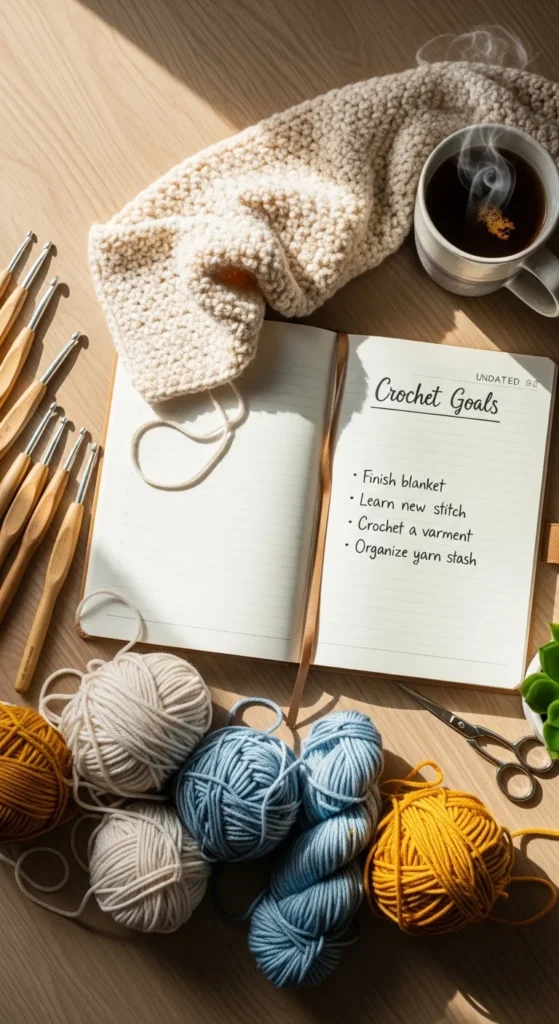
Planning a yearly crochet skill challenge helps you grow steadily instead of feeling stuck. Choose one new technique to learn each month, such as lace, cables, or shaping. Writing your goals down makes them feel more achievable. This project builds discipline and structure in your crafting routine. You can keep the plan inside a notebook or planner. Small monthly goals prevent overwhelm and keep motivation high. Tracking your progress lets you see improvement over time. It’s a creative way to stay inspired throughout the year. Each finished project becomes part of your skill journey.
24. Amigurumi Food Plush
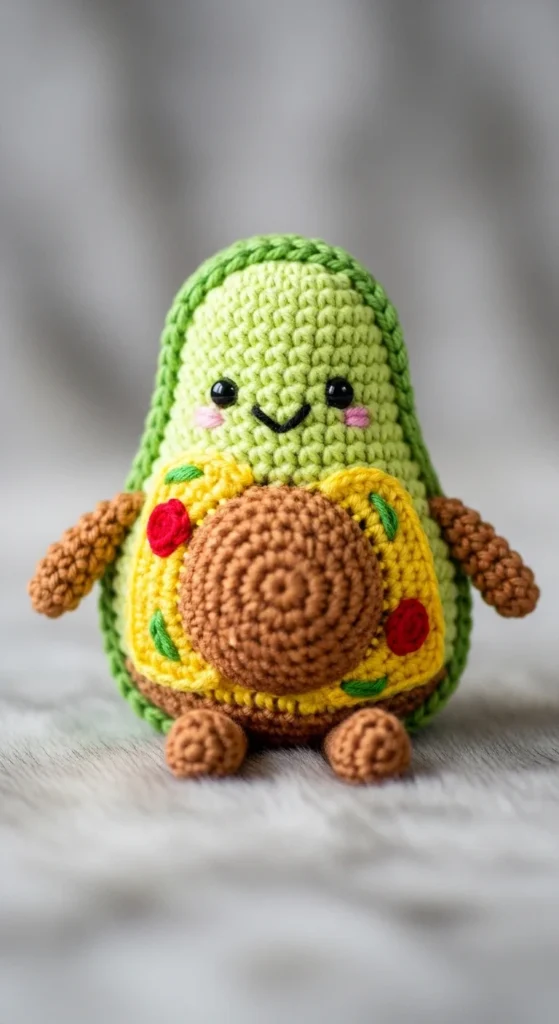
Making a food-themed plushie teaches shaping in a playful way. You’ll practice working in rounds and forming smooth curves. Adding small details like embroidered faces or toppings improves finishing skills. These projects are perfect for using small yarn scraps. They help you understand stuffing and shaping evenly. Working on small 3D items builds patience and accuracy. Because they’re quick to finish, they keep motivation high. This project blends creativity with technical growth in a fun format.
25. Mixed Texture Shawl
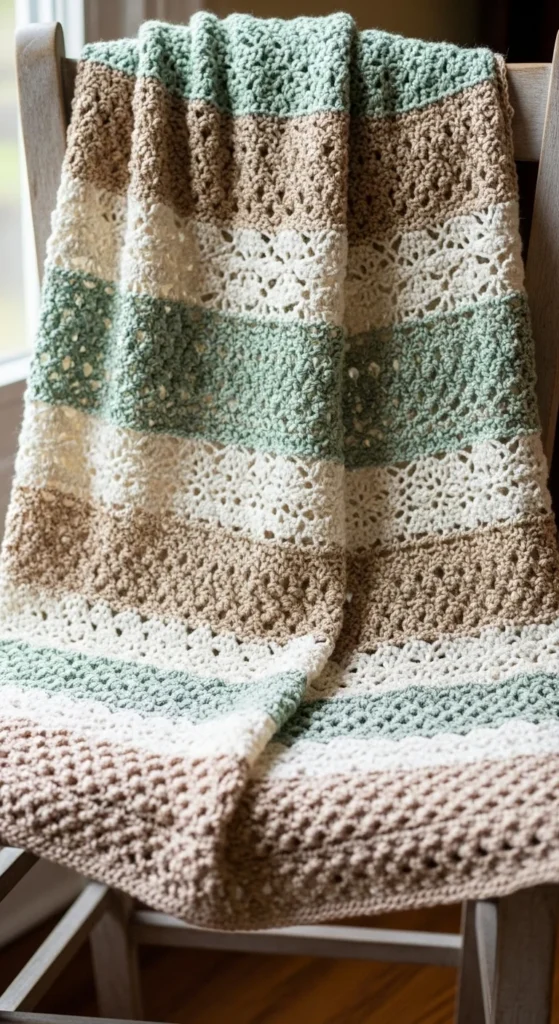
A mixed texture shawl challenges you to switch between stitch styles smoothly. Combining lace, solid stitches, and raised textures teaches adaptability. You’ll learn how different stitches affect drape and weight. Changing patterns keeps the project interesting from start to finish. This also strengthens pattern-reading skills. Watching the textures blend together feels rewarding. Blocking the shawl shows how each stitch shines. It’s a wearable project that highlights your growing versatility.
26. Colorwork Market Bag
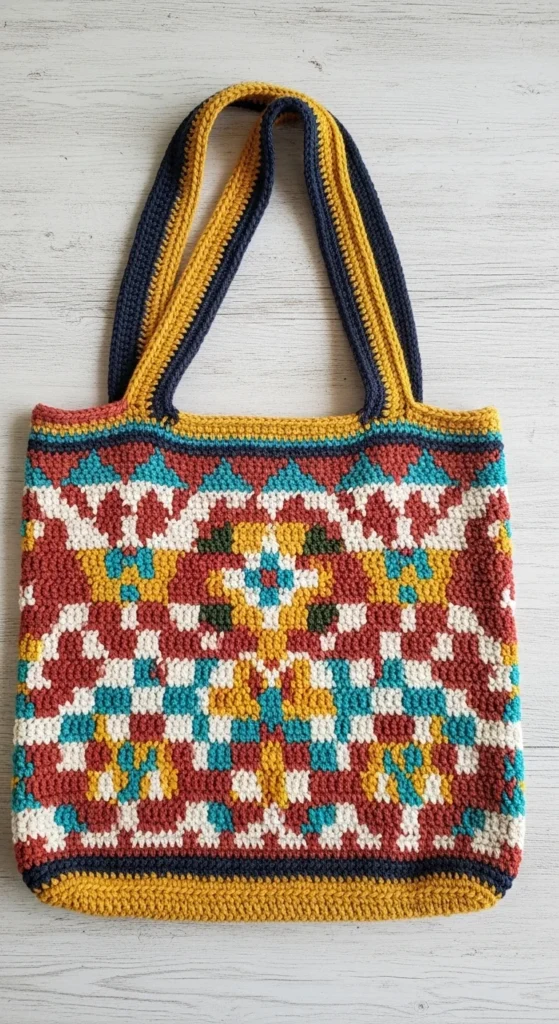
A colorwork market bag helps you practice managing multiple yarn colors. Carrying unused yarn neatly builds tension control. The sturdy shape teaches how tighter stitches create structure. This project is both decorative and useful for everyday errands. Repeating color patterns improves focus and consistency. You’ll also learn how to finish handles securely. It’s a functional project that strengthens colorwork confidence.
27. Textured Pillow Cover
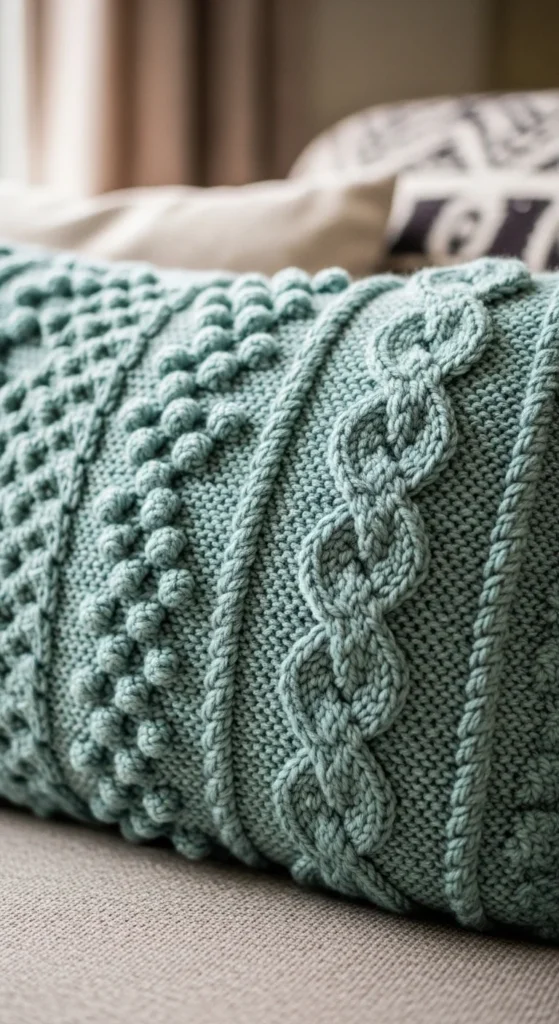
A textured pillow cover is a great way to practice decorative stitches on a medium-sized surface. Raised stitches like bobbles or ridges create depth. Working flat panels helps with straight edges and even tension. Seaming the sides together improves finishing skills. Choosing contrasting colors highlights the texture. This project adds handmade charm to home décor. It’s a quick win that still builds technique.
28. Cable Headband
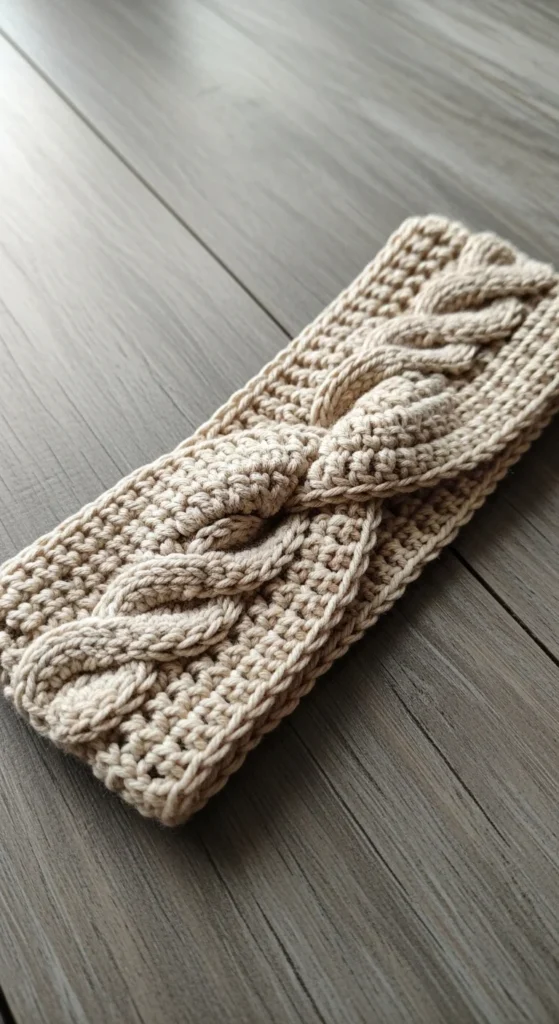
A cable headband offers cable practice in a smaller, faster project. Front-post stitches create the twisted rope effect. You’ll learn how to cross stitches while keeping tension steady. The compact size makes it less intimidating than larger garments. It’s wearable and stylish while building skill.
29. Lace Curtain Panel
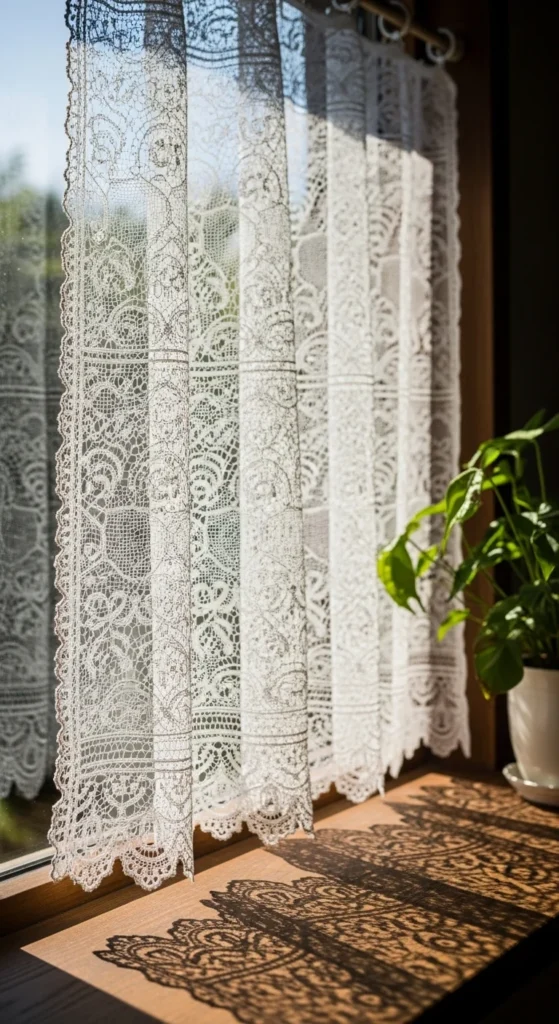
A lace curtain panel refines open stitch work and tension control. Working with thinner yarn improves precision. Long vertical patterns build endurance. Light passing through the lace highlights your stitch accuracy. It’s decorative and skill-building at the same time.
30. Crochet Stitch Sampler Blanket
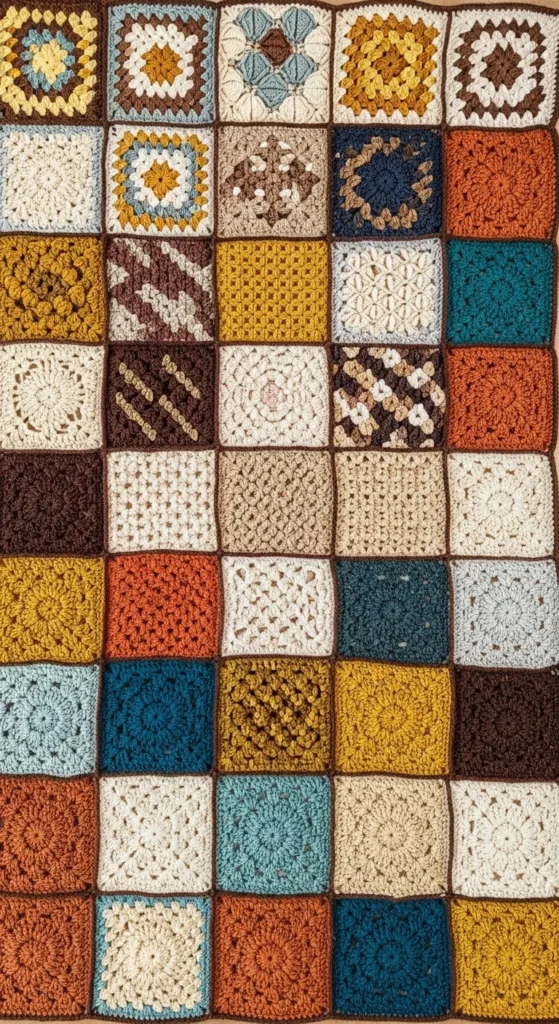
A stitch sampler blanket combines many techniques into one meaningful project. Each section features a different stitch pattern. This keeps the process interesting and prevents boredom. You’ll practice switching textures smoothly. Over time, the blanket becomes a visual record of your progress. It’s a rewarding project that shows how far your skills have come.
Conclusion
Crochet project ideas for skill-building emphasize advanced techniques like lace, cables, colorwork, and amigurumi in trending 2026 themes such as textured plushies and poetcore accessories. Exploring a range of projects helps you grow gradually while keeping your creative routine exciting. Small builds strengthen technique, while larger items develop endurance and finishing skills. Mixing textures, shaping, and colorwork creates a well-rounded crochet journey that feels both productive and deeply satisfying.

Lily Summers is a digital artist and creative storyteller who loves bringing colorful characters to life. With a passion for cartoons, fan art, and playful sketches, she inspires others to explore their imagination through art. When she’s not sketching, you’ll find her dreaming up new ideas for CraftedWizard.com to spark creativity in every artist. 🌈✨