Creative crafts can turn an ordinary afternoon into something hands-on, playful, and memorable for kids. They give children a chance to cut, glue, paint, stack, decorate, and imagine without staring at a screen. They also work well for rainy days, after-school quiet time, weekend family fun, and boredom breaks when you want something simple that still feels exciting. Many of the best craft ideas use everyday supplies like paper, cardboard, yarn, paint, recycled containers, and nature finds, which makes them practical for home use and easy on the budget. Popular screen-free craft ideas also lean into recycled materials, sensory play, puppets, clay, and storytelling, which makes them great for both making and playing after the craft is done.
1. Paper Plate Animal Masks
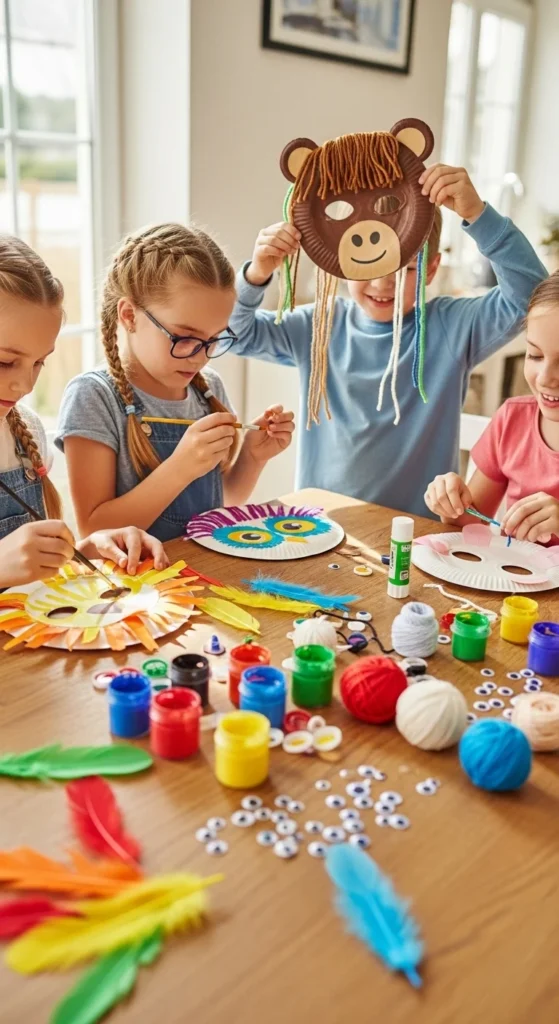
Paper plate animal masks are a great craft because they turn into instant pretend play right after the making part is done. Kids can paint a plate like a lion, bunny, cat, frog, or bear, then cut eye holes and glue on ears, whiskers, yarn hair, or paper noses. A craft stick or elastic string can turn the plate into a wearable mask. This idea is budget friendly because paper plates, crayons, and glue are often already at home. It also works for different ages. Younger kids can paint and glue simple shapes, while older kids can add more details like spots, stripes, and layered ears. If you want less cleanup, set each child up with a tray or old newspaper underneath. The fun part is that the craft keeps going after the supplies are packed away. Kids can act out jungle stories, make animal parades, or put on a living room puppet-style show with their masks on. It is simple, playful, and easy to repeat with a different animal every time.
2. Cardboard Tube Puppets
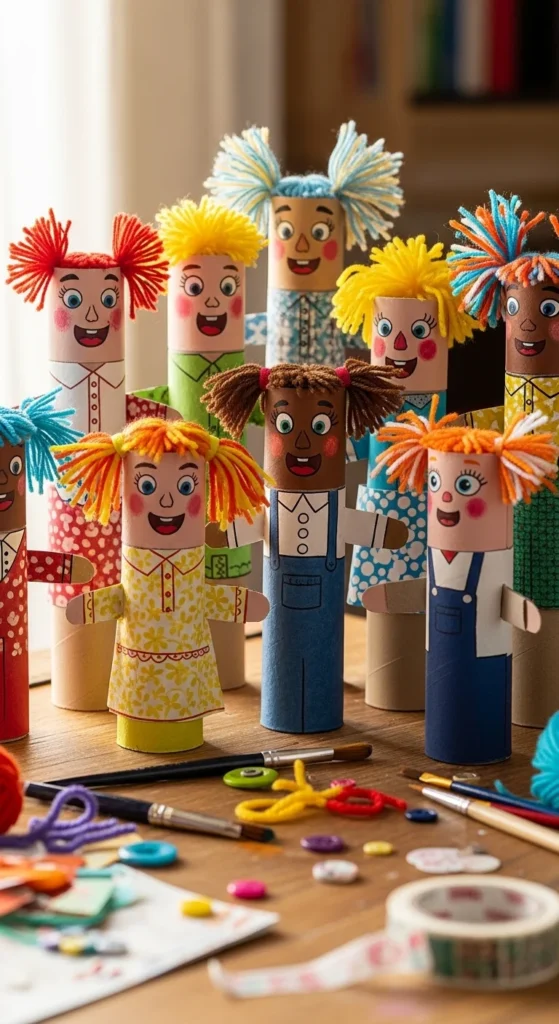
Cardboard tube puppets are one of the easiest ways to turn recycling into imaginative play. Toilet paper rolls or paper towel tubes can become pirates, princesses, animals, robots, superheroes, or made-up silly characters with just paint, paper scraps, and glue. Kids can draw faces directly onto the tube or glue on cutout eyes, hats, capes, and tiny paper hands. Yarn works well for hair, and fabric scraps can become scarves or dresses. This craft is helpful when you want something low cost and low pressure because the shapes do not need to be perfect. Once the puppets are done, children can use them for storytelling, puppet shows, or homemade games. You can even make a quick puppet theater from a shoebox or a blanket over chairs. This turns one simple craft into a much longer screen-free activity. It is especially good for siblings because each child can make a different character and create a whole story world together from very basic supplies.
3. Painted Rock Creatures
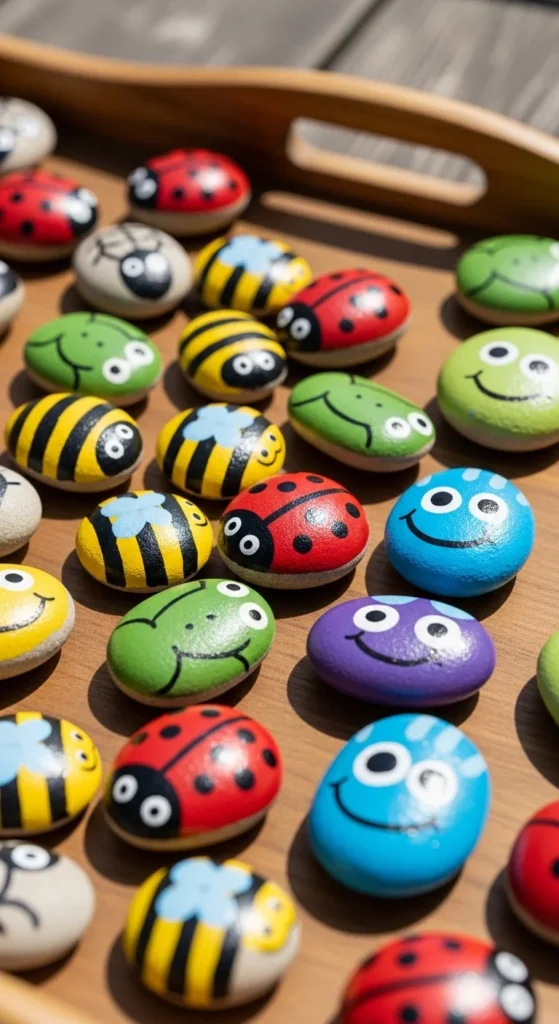
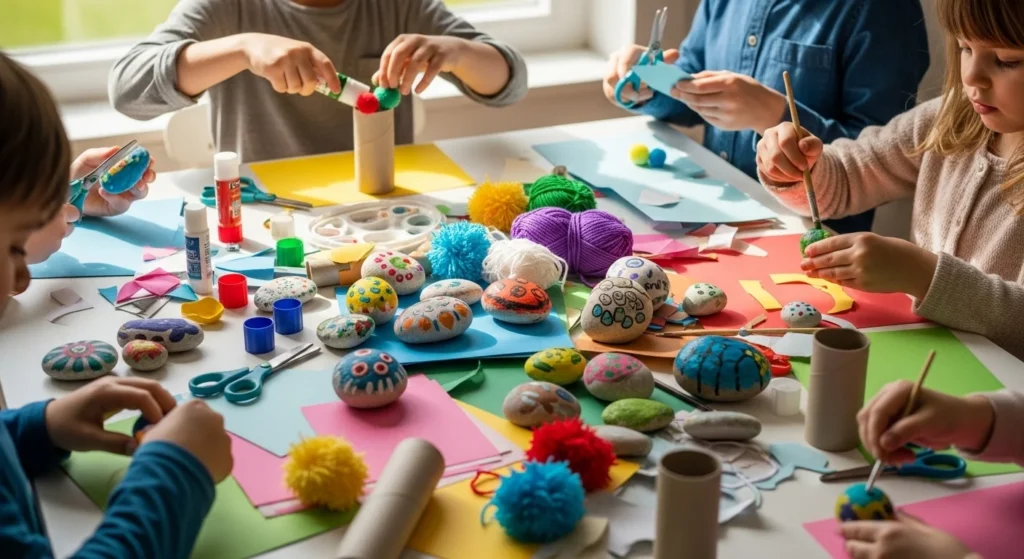
Painted rock creatures are fun because they mix outdoor collecting with indoor crafting. Kids can gather smooth stones from the yard, garden, or a walk, then wash and dry them before painting them into ladybugs, bees, snails, fish, monsters, or tiny sleeping animals. Acrylic paint works well, but washable paint can also do the job for a simpler setup. Once dry, details like dots, eyes, wings, or stripes can be added with markers or a thin brush. This is a nice craft for families because the materials are simple and the rocks themselves are free. It also works well for a wide age range. Small children can paint basic color blocks, while older kids can make more detailed creatures or even whole rock families. Afterward, the rocks can be used for garden decor, pretend play, treasure hunts, or story prompts. A handful of painted stones can become pets, game pieces, or decorations for a windowsill, which gives the craft extra life after the painting ends.
4. Popsicle Stick Picture Frames
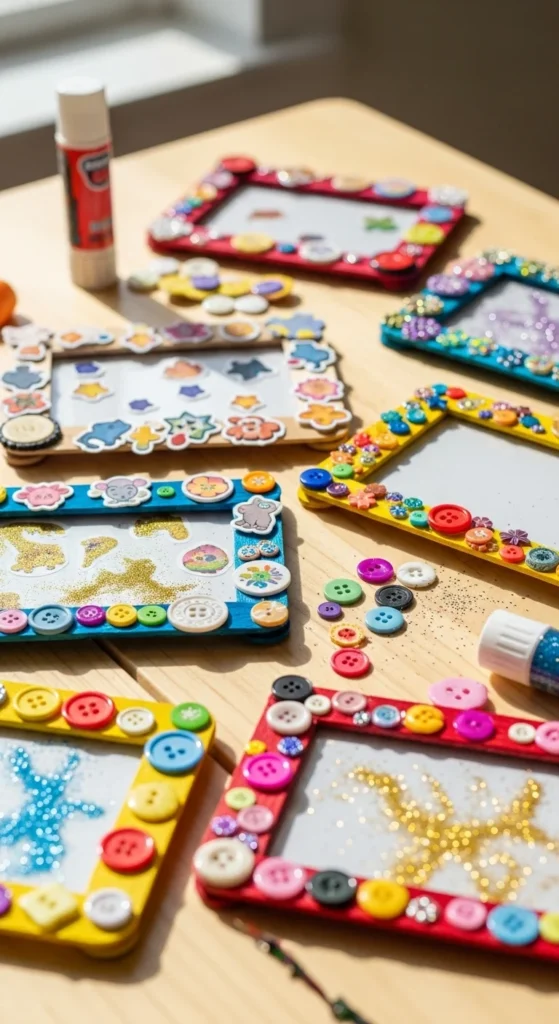
Popsicle stick picture frames are a classic kid craft for a reason. They are easy to build, simple to decorate, and useful when finished. Kids can glue four sticks into a square or rectangle, then add extra sticks for a layered frame if they want something chunkier. Once the base is dry, they can paint it, cover it with stickers, glue on buttons, add pom-poms, or wrap sections in yarn. A drawing, a printed family photo, or even a pressed leaf collage can go in the middle. This craft is a strong choice when you want a project that feels more finished and giftable. Children can make one for a parent, grandparent, teacher, or bedroom shelf. It is also easy to adjust based on age. Younger kids can focus on painting and decorating, while older kids can arrange patterns and themes. The materials are inexpensive, and the result gives kids something they can proudly display instead of tossing into a craft pile right away.
5. Rainbow Paper Chain Garlands
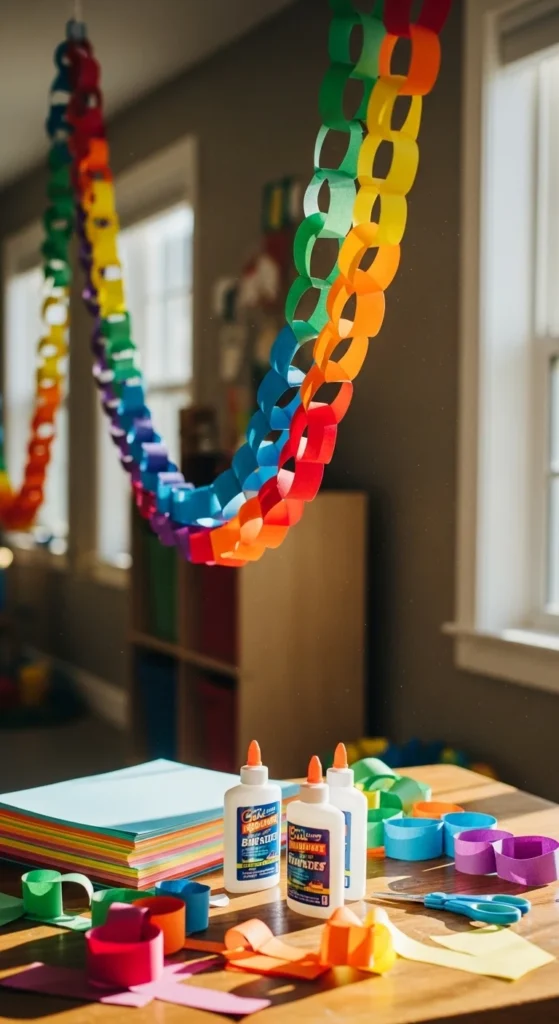
Rainbow paper chain garlands are simple, colorful, and very good for children who like crafts with visible progress. Kids cut colored paper into strips, form each strip into a loop, and link one to the next with glue or tape. The chain grows quickly, which keeps the project satisfying and fun. You can use solid rainbow colors, themed holiday shades, or mix patterned scrapbook paper with plain paper for a more playful look. This craft helps with scissor practice and pattern building while still feeling light and easy. It also has a decorating payoff. Kids can hang their garlands over beds, on bookshelves, across windows, or around a pretend play fort. If you want to stretch the activity longer, ask them to make one chain for their room and another for a sibling or friend. It is very budget friendly because paper is the main supply, and it works even with scrap paper cut from old worksheets, wrapping paper, or construction paper leftovers.
6. Handprint Flower Garden
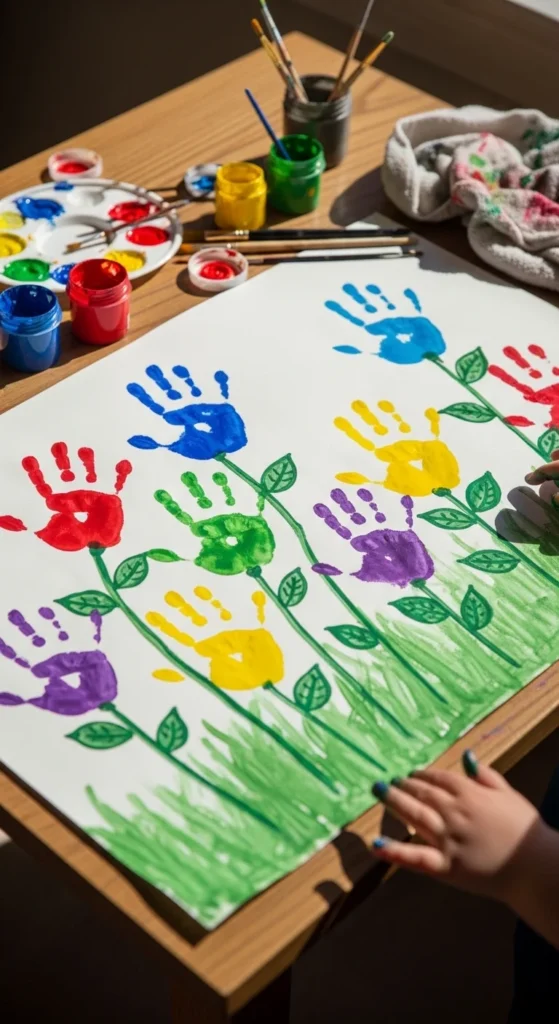
A handprint flower garden is one of those crafts kids enjoy because their own hands become part of the art. Dip hands into washable paint, press them onto paper to make flower tops, then add green stems, leaves, grass, clouds, and butterflies once the prints dry. You can use one child’s prints for a mini bouquet or combine several children’s handprints into one large garden scene. This makes it especially nice for siblings, classrooms, or family craft time. It is a lovely keepsake too, since the hand size becomes part of the memory. Large paper works best because it gives children more room to add details around the flowers. If you want a less messy version, trace hand shapes and color them instead of painting directly. This craft is inexpensive, cheerful, and easy to hang on the wall or save in a memory folder. It also gives kids a chance to talk about colors, seasons, and garden themes while they work in a relaxed way.
7. Paper Bag Monster Puppets
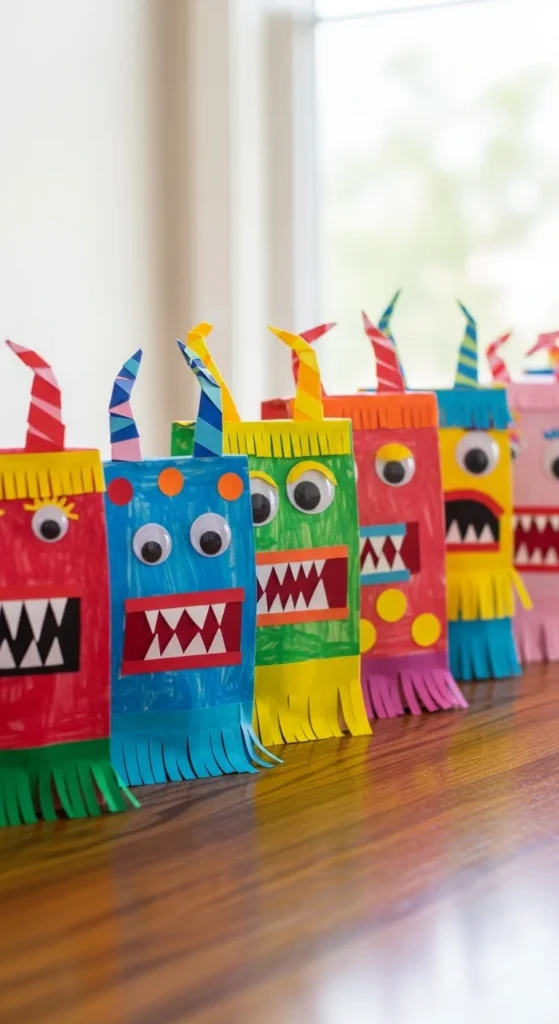
Paper bag monster puppets are a great boredom-buster because kids can be as silly or spooky as they want without the craft becoming hard. A plain paper lunch bag becomes the base. Kids can paint it, color it, or glue on paper pieces for teeth, eyes, horns, hair, ears, and wild eyebrows. The bottom flap naturally becomes the puppet mouth, which makes this craft very satisfying to turn into play right away. This is a smart choice for screen-free afternoons because it combines art and storytelling in one project. Children can make a whole group of monsters, name them, and put on a silly show together. The craft is inexpensive and works well with leftover craft scraps. You do not need a perfect plan either. In fact, the funniest monsters usually come from random paper shapes and goofy ideas. It is especially fun for mixed ages because each child can invent a different style, from friendly monster to grumpy monster to super sparkly monster king.
8. Tissue Paper Suncatchers
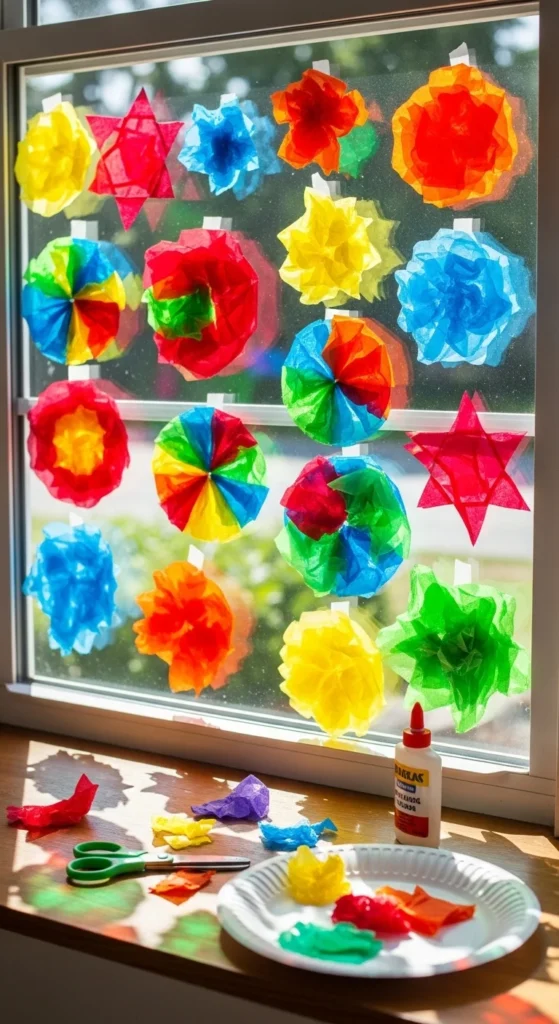
Tissue paper suncatchers are bright, easy, and very rewarding because kids get to see the final result glow in the window. Start by cutting a simple shape from black paper or cardstock, such as a heart, butterfly, star, flower, or rainbow. Tape or glue small tissue paper pieces behind the open spaces so the light shines through. Younger kids can tear the tissue instead of cutting it, which keeps the process easier and more relaxed. The finished shapes can be taped onto windows, glass doors, or a sunny corner of the playroom. This craft is a nice fit for rainy days because it brings color into the room even when kids are stuck inside. It is also budget friendly since tissue paper lasts through many projects. If you want to stretch the activity, make a whole seasonal set for spring, summer, fall, or holidays. This craft gives children quick success and a decoration they can enjoy all day.
9. Pasta Necklace and Bracelet Set
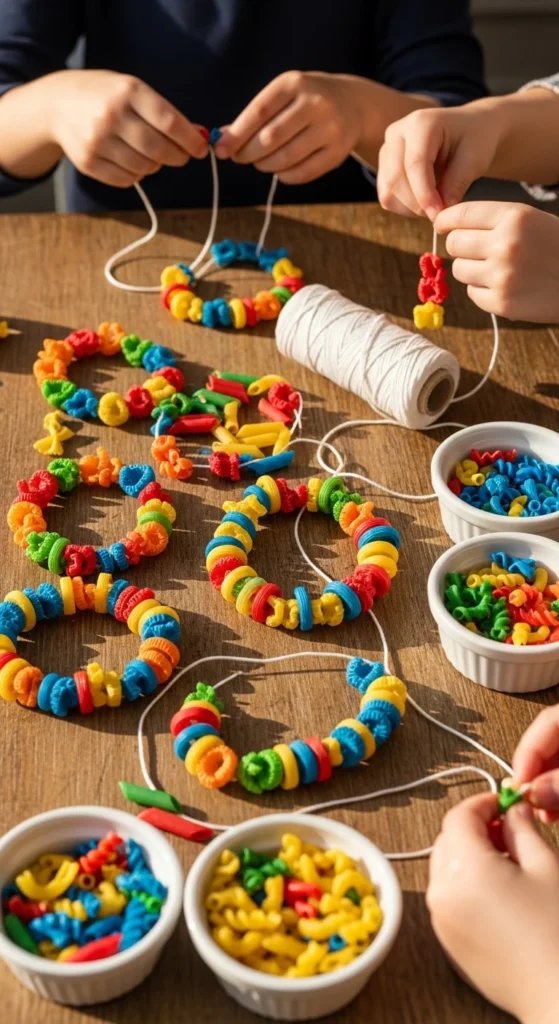
Pasta necklaces and bracelets are simple, classic, and still very fun for kids who enjoy making something they can wear. Tube-shaped pasta works best, but other shapes can also be painted and glued onto paper crowns or collages. To make jewelry, kids can paint pasta in different colors, let it dry, and then thread it onto yarn or string. This craft helps with hand control and pattern making while still feeling playful instead of lesson-like. Children can create rainbow sequences, team colors, favorite color mixes, or even themed sets for pretend princesses, explorers, or party days. It is very affordable because the base supply is pantry-friendly, and you only need paint and string to finish the idea. If you want a less messy version, use markers instead of paint. Kids also love making matching sets for siblings, parents, or stuffed animals. The jewelry may be simple, but the process feels creative and satisfying from start to finish.
10. Shoebox Marble Maze
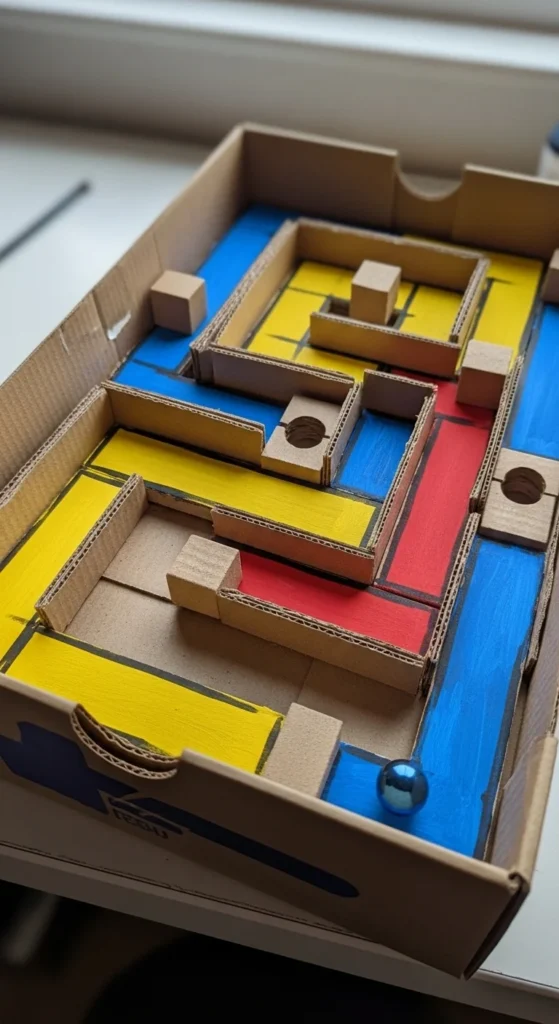
A shoebox marble maze is part craft, part game, which is what makes it such a good screen-free project. Kids use a shoebox lid or shallow box as the base, then glue cardboard strips inside to build paths, turns, dead ends, and little tunnels. Once the structure dries, they can paint the maze, decorate it with arrows or patterns, and test it by rolling a marble through the path. This craft is especially good for older kids who enjoy building and tweaking designs. It also gives them something to keep playing with after the making stage is done. The supplies are mostly recycled, so the cost stays low. Cereal boxes, shipping boxes, and packaging scraps all work well for the walls. If you want to make it more social, kids can build mazes for each other and swap them to see who can solve them fastest. It is creative, hands-on, and satisfying because the final project turns into a real game instead of just another paper craft.
11. Nature Collage Crowns
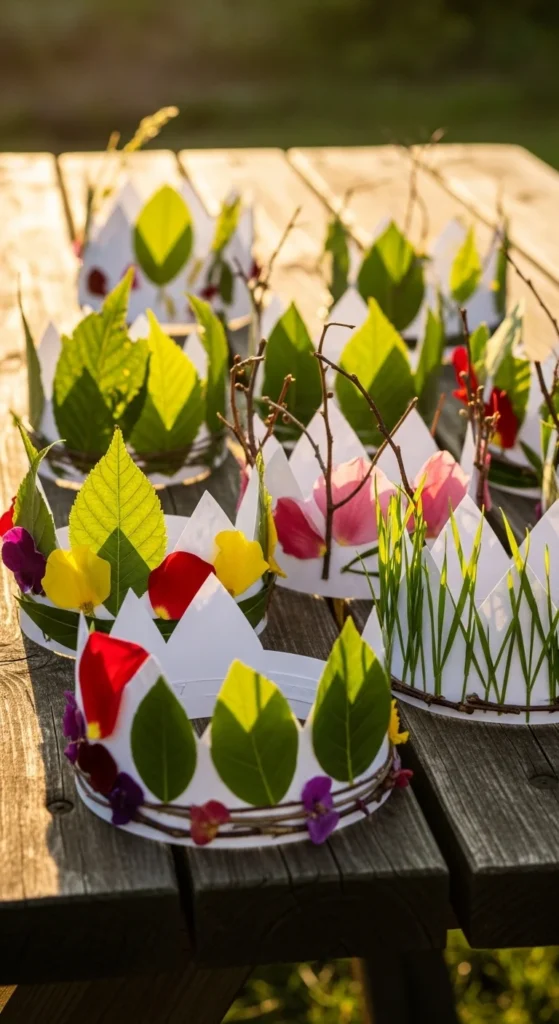
Nature collage crowns are perfect for kids who like both outdoor time and crafting. Start by cutting crown shapes from cardstock, recycled cereal boxes, or sturdy paper. Then head outside to collect small leaves, petals, grasses, seed pods, and other lightweight nature bits. Kids can glue their finds onto the crown base and add extra color with crayons, markers, or paint if they want. This craft feels especially fun because the collecting part already feels like an adventure. It can turn a simple walk into a scavenger hunt. Once finished, the crowns become dress-up pieces for pretend woodland games, fairy play, or backyard storytelling. This idea is easy on the budget because most of the supplies come from nature and recycled paper. It also feels open-ended. One child might make a forest crown, another a flower crown, and another a wild mixed-texture design. That freedom makes the activity enjoyable for different ages and personalities without a lot of setup.
12. Salt Dough Hand Shapes
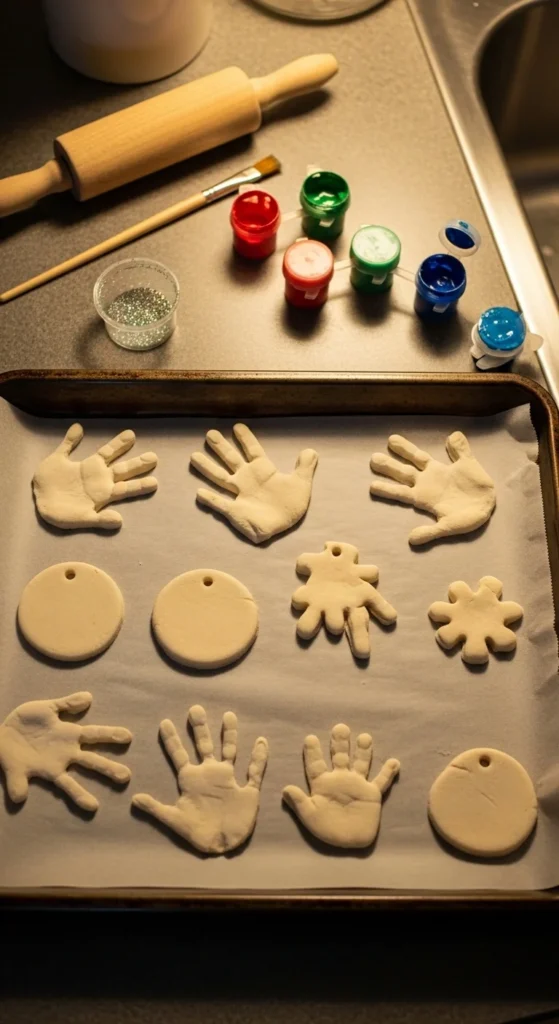
Salt dough hand shapes are a wonderful mix of sensory play and keepsake crafting. Kids help mix flour, salt, and water into dough, roll it out, and press their handprints or cut hand shapes from traced patterns. After baking or air-drying, the pieces can be painted in bright colors, soft pastels, or simple white with gold dots. This craft is a favorite because it feels like play dough at first and then becomes something that can be saved. Handprint pieces can turn into ornaments, wall hangings, gift tags, or little plaques for family members. The ingredients are inexpensive and usually already in the kitchen, which makes this an easy last-minute activity. It also works well for different seasons. You can turn the dough shapes into flowers, animals, stars, or holiday decorations later. This craft gives kids a fun hands-on process and leaves parents with a keepsake they may actually want to save for years.
13. Yarn-Wrapped Cardboard Shapes
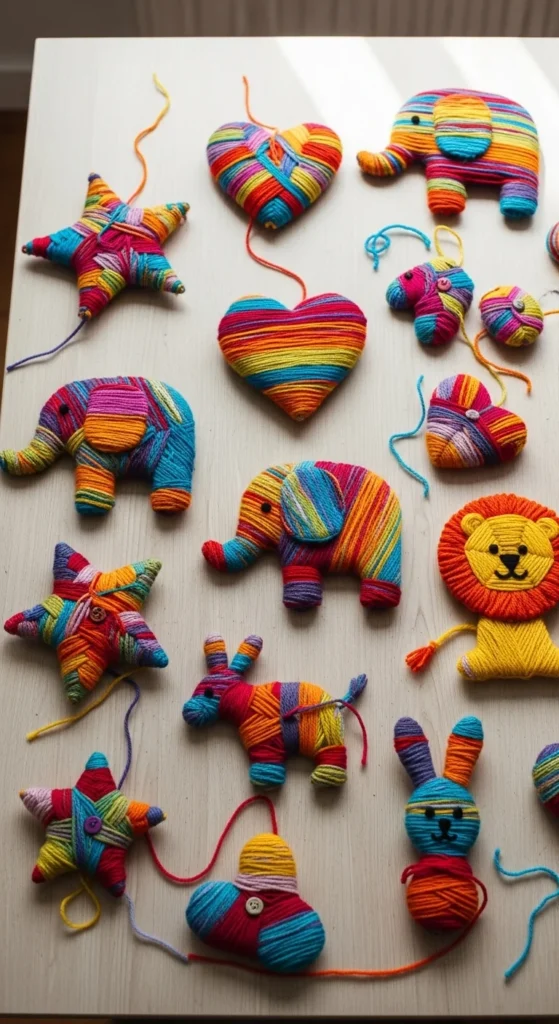
Yarn-wrapped cardboard shapes are easy, calming, and a smart craft for using leftover yarn. Cut simple shapes from cardboard, like stars, hearts, rainbows, fish, or animals. Kids can paint the cardboard first or leave it plain, then wrap yarn around the shape in different directions until it looks full and colorful. This is a nice craft for children who enjoy repetitive motion and tactile projects. It also gives very visible progress, which helps keep attention going. If wrapping the yarn feels tricky at first, cut small notches around the edges to help hold it in place. This project is budget friendly because cardboard from packaging works perfectly. The finished shapes can become wall decor, gift toppers, room decorations, or pieces for a homemade mobile. Kids can also glue buttons, pom-poms, or felt pieces on top once the wrapping is done. It is simple enough for younger children with help and still enjoyable for older children who want to make more detailed shapes.
14. Egg Carton Caterpillars
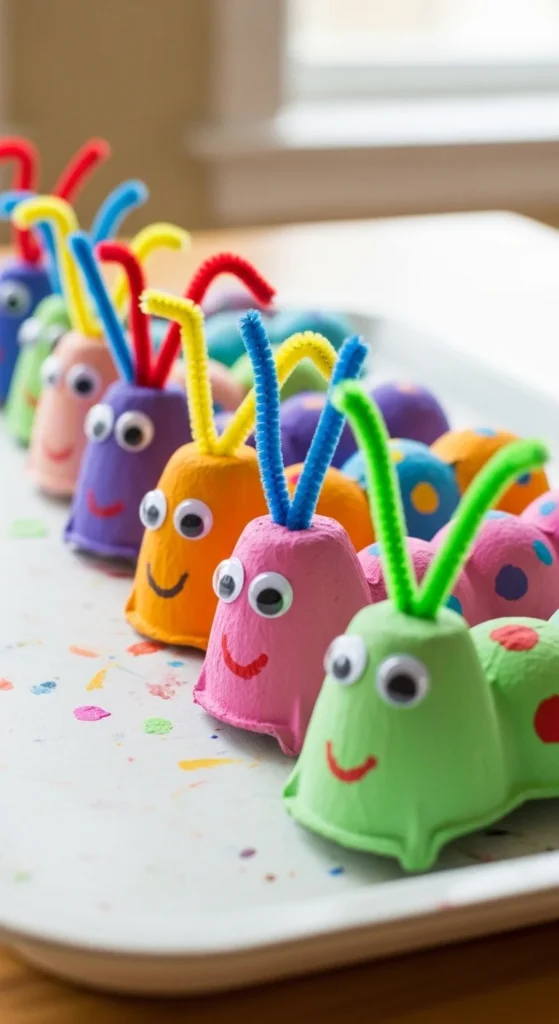
Egg carton caterpillars are a great recycled craft because the carton shape already does most of the work. Cut a row of cups from an egg carton, let kids paint it in bright colors, and then add googly eyes, drawn-on smiles, and pipe cleaner antennae. The finished caterpillar can be simple or silly depending on how much detail the child wants to add. This is a very affordable activity since the base material is something many homes already have. It is also a strong choice for spring themes, bug units, garden play, or just a random afternoon of crafting. Once the caterpillars are dry, kids can line them up, race them across a table, or build little paper gardens for them. The shape is fun to hold, which makes the finished craft more playful than flat paper art. It is one of those easy ideas that feels satisfying because the supply starts as trash and ends as something cheerful and full of character.
15. DIY Treasure Boxes
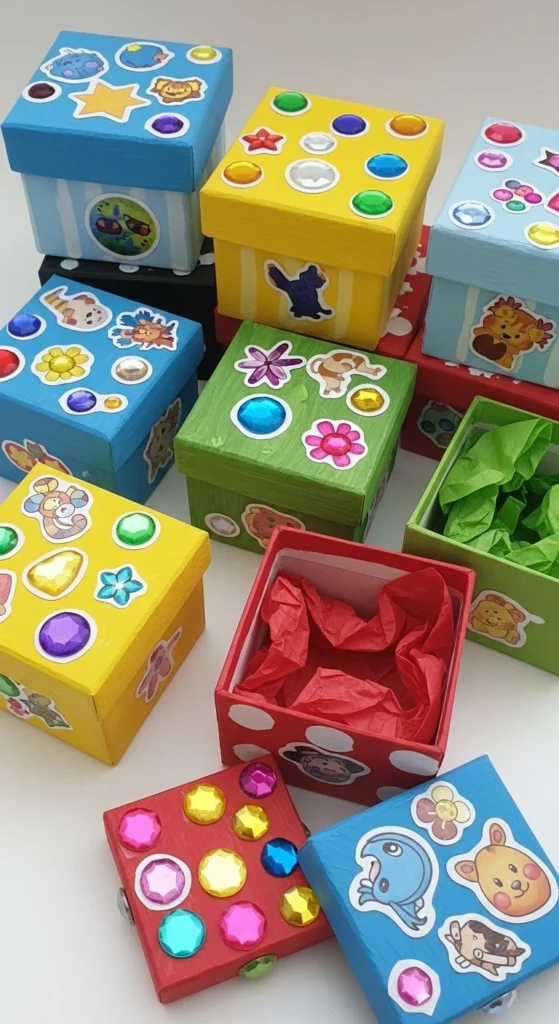
DIY treasure boxes are wonderful because they give kids a place to keep tiny things they care about. Use small cardboard boxes, empty jewelry boxes, mint tins, or recycled packaging as the base. Kids can paint them, cover them with paper, add stickers, glue on buttons, or decorate with gems, washi tape, and little drawings. The box can become a fairy treasure chest, pirate box, secret note holder, or nature keepsake container. This makes the craft feel personal, which is often what keeps kids interested. It is also budget friendly because almost any small container can be turned into a treasure box with a few simple supplies. After decorating, kids can fill the box with pebbles, charms, paper treasures, tiny toys, or their own handmade notes. It turns into storage, pretend play, and crafting all at once. This is especially useful for children who love collecting small bits and pieces but need a more fun place to keep them.
16. Fingerprint Bug Art
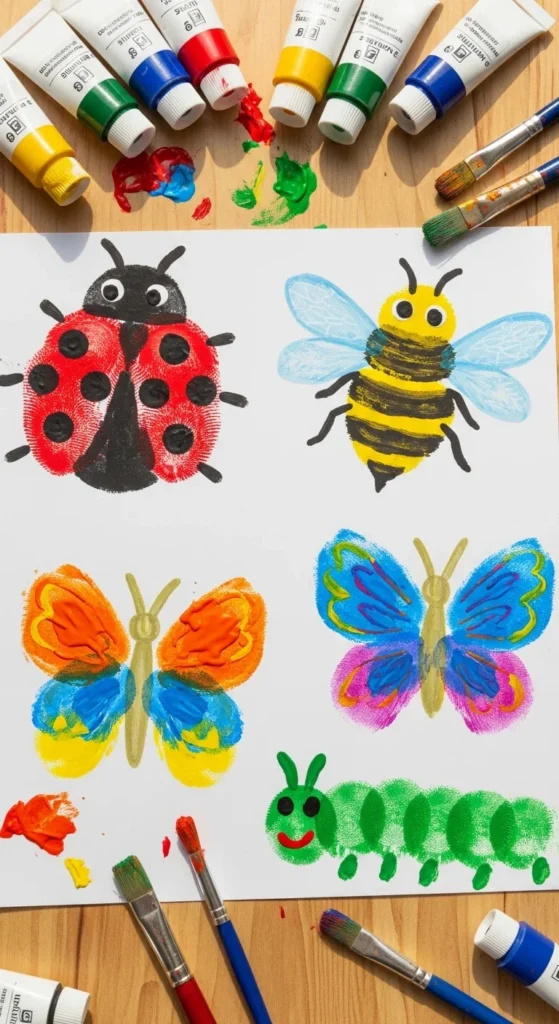
Fingerprint bug art is easy to set up and gives children a lot of freedom to make cute little creatures fast. Kids press fingertips into washable paint to make round bug bodies on paper, then add legs, wings, antennae, spots, and tiny faces once the paint dries. Ladybugs, bees, caterpillars, and butterflies all work especially well. This is a nice craft when you want something low prep and colorful. It is also helpful for younger kids because the body shapes are made with simple finger presses rather than careful drawing. If you want to keep the mess under control, offer just two or three paint colors at a time and keep wipes nearby. The finished art can be turned into greeting cards, fridge art, or a mini bug poster for the child’s room. It is a very affordable project and a good way to use basic paint supplies you already have. Kids usually enjoy it because the process feels playful from the very first print.
17. Paper Cup Castles
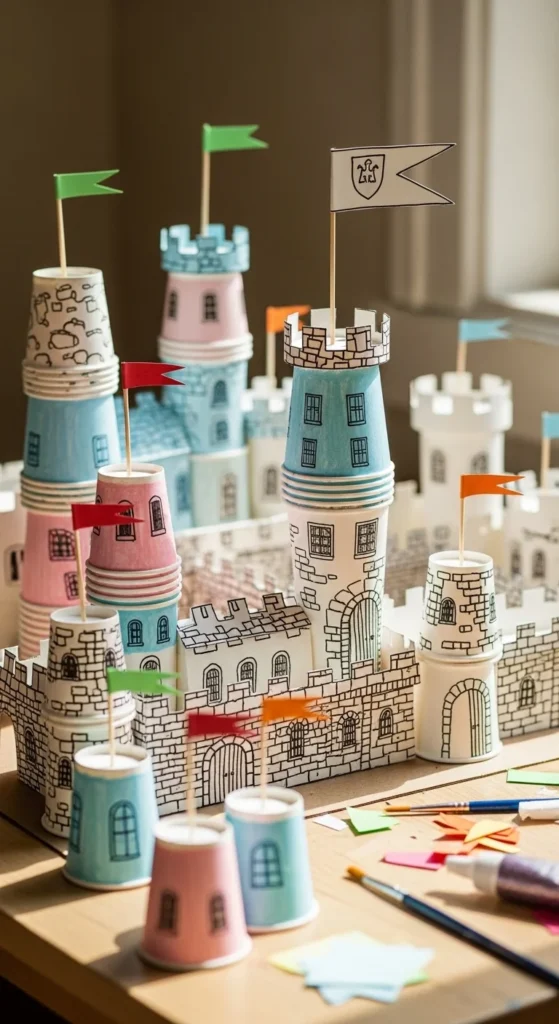
Paper cup castles are great for children who enjoy building, decorating, and pretending all in one activity. Use paper cups as towers, then connect them with cardboard walls, paper ramps, or little bridges. Kids can paint the cups in castle colors, add flags with toothpicks and paper, draw tiny windows, and even make doors that open. This craft can stay very simple with just three or four towers or become more elaborate for older children who want a larger castle world. It is affordable because cups, cardboard, and scrap paper do most of the work. Once finished, the castle becomes part of playtime. Kids can bring in toy animals, dolls, action figures, or homemade paper characters to live inside. That extra play value is what makes this idea so useful for screen-free afternoons. It can also be adapted into space stations, fairy towers, or superhero headquarters depending on what the child likes best.
18. Sticker Story Collages
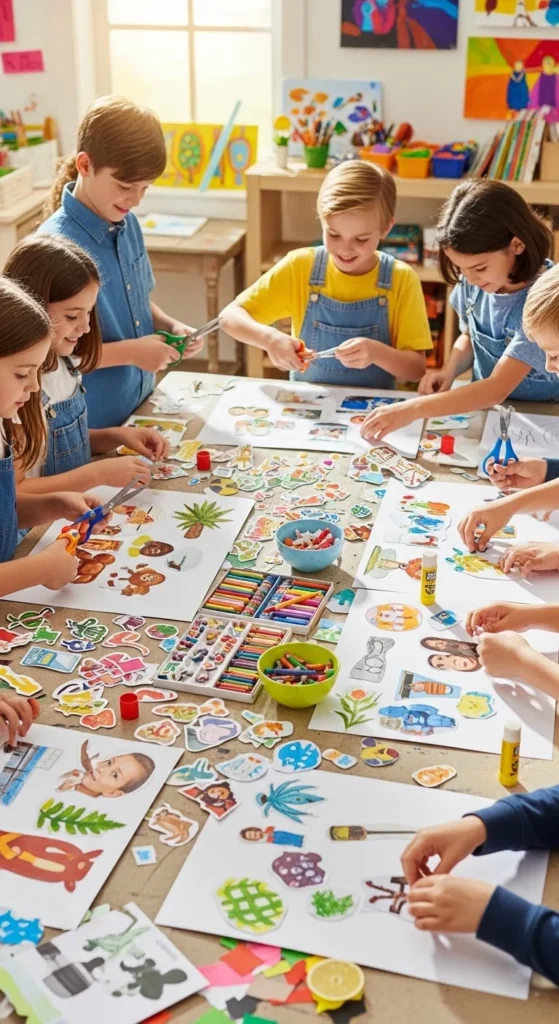
Sticker story collages are a smart craft for kids who like art but do not always want to paint or build. Give them a large paper sheet, stickers, old magazine cutouts, scrap paper, glue, and crayons. Then invite them to create a scene, like a jungle party, undersea world, city adventure, or magical picnic. The collage becomes more than decoration when children start adding characters, speech bubbles, roads, clouds, or tiny hidden objects. This makes the craft feel like storytelling on paper instead of just placing stickers at random. It is very budget friendly if you use old magazines, leftover wrapping paper, and sticker sheets from past projects. It also works well for different ages because it can stay simple for younger kids or become more detailed for older ones. Once the collage is done, kids can tell a story about it, hang it up, or even make a series of story pages. This is a relaxing and open-ended activity that can last much longer than expected because children often keep adding details once they get started.
19. Pom-Pom Creature Family
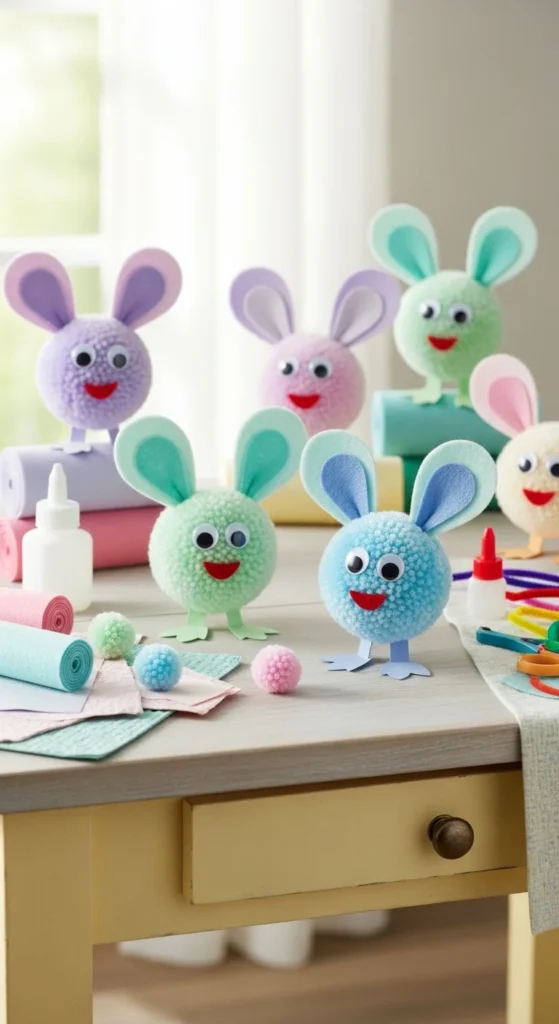
Pom-pom creature families are adorable and fun because they turn simple craft balls into tiny characters with lots of personality. Kids can use ready-made pom-poms or make their own with yarn if they want a longer project. Then they add felt ears, paper wings, pipe cleaner legs, googly eyes, or little bead noses to create animals, monsters, birds, or made-up creatures. This craft is especially nice for imaginative children because the finished creatures can become pets, story characters, or room decorations. It is also easy to mix ages. Younger kids can glue simple faces, while older kids can design full creature families with names and backstories. A shoebox can even become a creature house afterward. Pom-pom crafts are lightweight, colorful, and cheerful, and the materials can stretch across many projects. The final result feels playful and soft, which makes this a lovely screen-free craft for cozy afternoons indoors.
20. Cardboard Box Robot Costumes
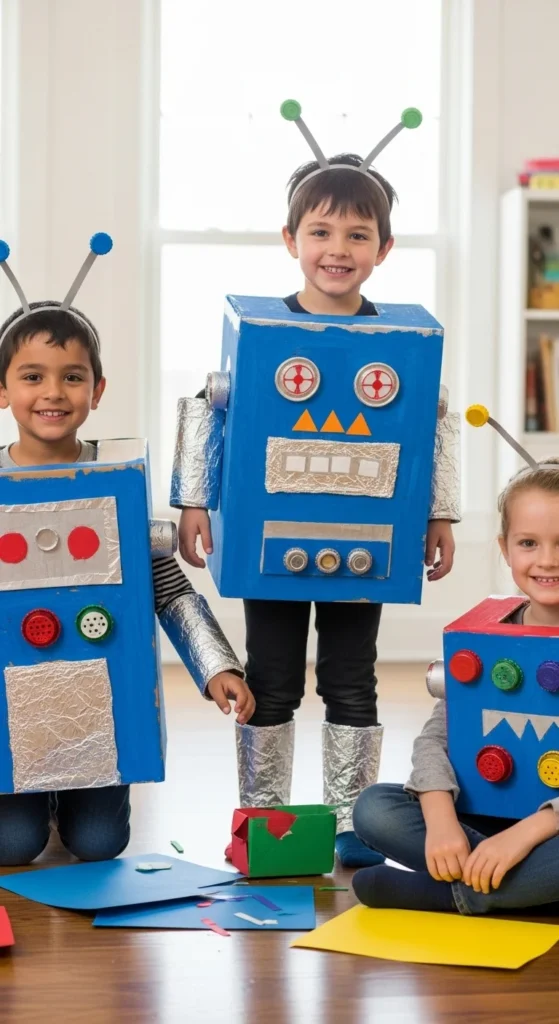
Cardboard box robot costumes are ideal for children who love big dramatic crafts. Use one box for the body and another smaller one for the head if you want the full costume effect. Kids can paint the boxes silver, blue, red, or any wild color they like, then add bottle cap buttons, drawn control panels, foil accents, paper antennae, and arm holes. This project takes more space than a table craft, but it gives a lot back because the costume becomes part of active play right away. It is one of the best ways to turn recycled packaging into something memorable. The box can also become a robot house, spaceship, or machine base later if the child no longer wants to wear it. This makes it feel worth the effort. It is a strong screen-free idea for weekends, birthday play, or indoor days when kids have extra energy and want something hands-on that feels bigger than a sheet of paper.
21. Salt-Painted Watercolor Drawings
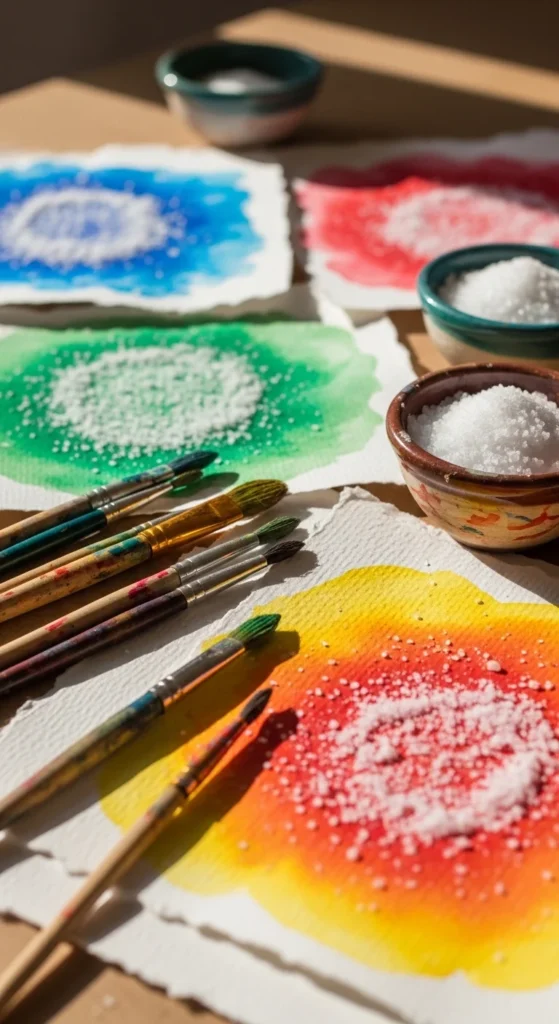
Salt-painted watercolor drawings feel a little magical for kids because the salt changes the look of the paint right in front of them. Start by drawing simple shapes with glue, such as stars, rainbows, hearts, fish, or flowers. Sprinkle salt over the glue and shake off the extra. Then kids touch watercolor or watered-down paint onto the salted lines and watch the color travel and spread. This project is especially good when children want something that feels more special than ordinary painting. The supplies are simple, and the result has a fun wow moment without using anything expensive. It works well on greeting cards, bookmarks, or full art sheets. Younger kids can enjoy the color movement, while older kids can plan patterns and color combinations. This craft feels creative and a little experimental, but the steps are still easy. It is a good mix of art and discovery, which is exactly what makes it such a strong screen-free activity.
22. Nature Wand Creations
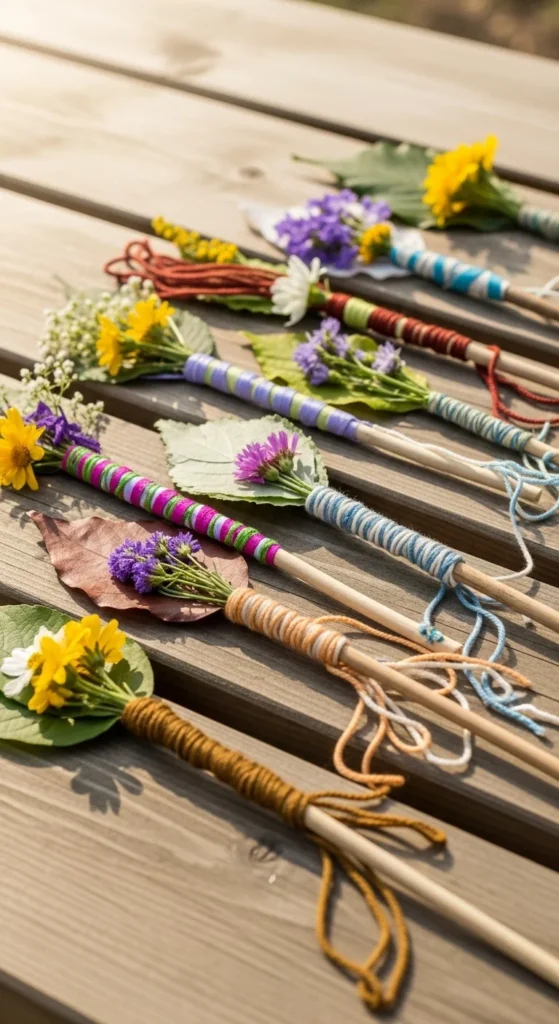
Nature wands are fun because they start outdoors and end in pretend play. Kids collect a good stick, then decorate it with ribbon, yarn, leaves, tiny flowers, feathers, or scraps of fabric tied around the handle. Some children might want a fairy wand, while others make explorer sticks, forest wands, or magical treasure pointers. This craft is very affordable because the base comes from outside and the decorations can come from leftover craft supplies. It also works well for kids who do not want a long table-based project. The making can happen partly outdoors, which keeps the whole activity feeling more active. Once the wand is finished, it becomes a prop for games, stories, garden walks, or backyard adventures. Children often get very attached to the final object because they chose the stick themselves and added their own details. It is simple, imaginative, and a strong reminder that craft time does not always have to stay indoors or revolve around paper and glue alone.
23. Air-Dry Clay Mini Animals
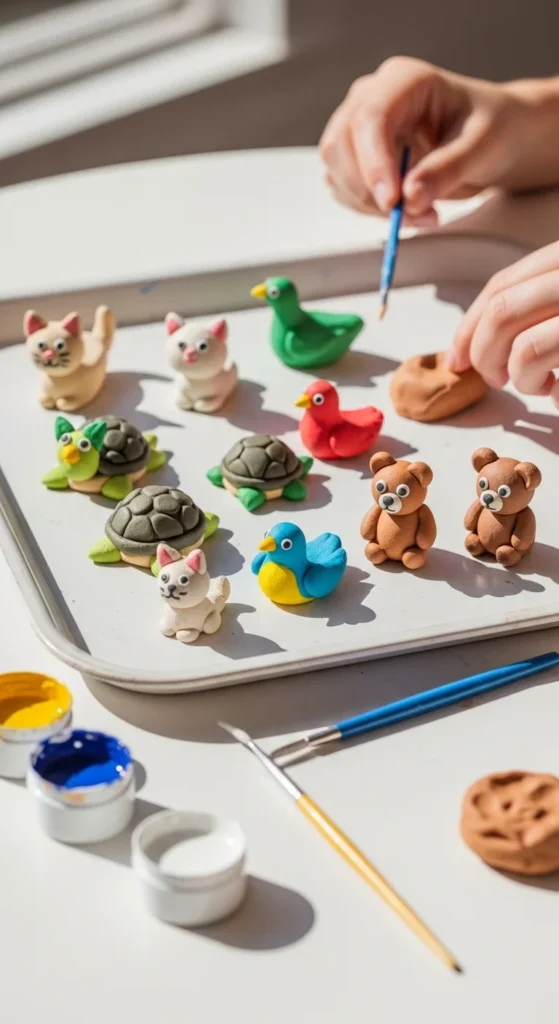
Air-dry clay mini animals are wonderful for kids who like shaping things with their hands. The project feels a bit like play dough, but the finished pieces can be saved, painted, and displayed later. Children can make tiny turtles, birds, cats, fish, or silly made-up creatures by rolling simple balls and shaping ears, tails, wings, or shells. This is a strong screen-free craft because the making part takes time and focus, and the painting stage can happen later, stretching the activity across two sessions. Air-dry clay is usually affordable and lasts through many small projects. Toothpicks, bottle caps, or craft sticks can help add texture without needing special tools. Once dry, the animals can become shelf decor, game tokens, dollhouse pets, or little gifts. The craft feels open-ended, which is great for different ages and skill levels. Kids do not need to sculpt perfectly realistic animals to enjoy the project. Simple shapes often end up being the cutest.
24. Homemade Story Stones
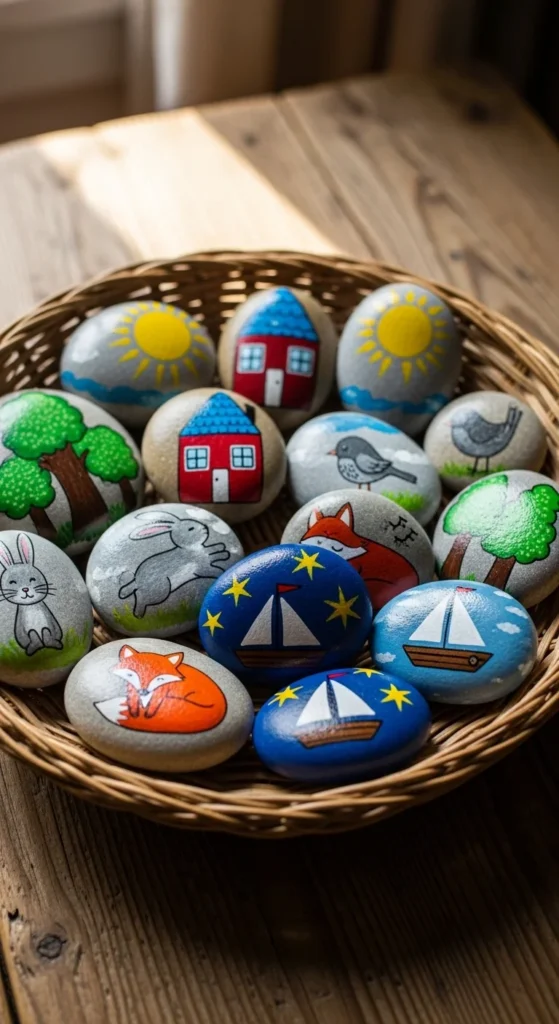
Homemade story stones are one of the most useful kids’ crafts because they become a creative storytelling tool after the paint dries. Start with smooth rocks and paint simple pictures on each one, like a tree, moon, dog, house, rainbow, boat, crown, bird, flower, or star. Once dry, the stones can be kept in a basket or bag. Kids pull out a few at a time and use the pictures to invent stories, build scenes, or play guessing games. This makes the craft feel much more interactive than ordinary painted objects. It also helps children mix art with imagination in a very natural way. The supplies are simple and affordable, especially if the stones are collected outdoors. You can make a themed set, like nature stones or fairy tale stones, or keep the pictures mixed for more variety. This craft is great for quiet time, sibling storytelling, road trip bags, or classroom use because it keeps giving long after the painting session is over.
Conclusion
Screen-free crafts work so well for kids because they mix making, playing, and imagining in one simple activity. A paper plate, cardboard tube, rock, box, or bit of yarn can turn into masks, puppets, mazes, treasure boxes, tiny creatures, and pretend worlds with just a little time and a few supplies. The best part is that many of these ideas stay useful after the craft is done, which means the fun lasts longer than one sitting at the table. Start with one easy project that fits what you already have at home, keep the setup simple, and let kids take the lead with color, theme, and silly details. That freedom is often what makes screen-free crafting feel the most fun.

Lily Summers is a digital artist and creative storyteller who loves bringing colorful characters to life. With a passion for cartoons, fan art, and playful sketches, she inspires others to explore their imagination through art. When she’s not sketching, you’ll find her dreaming up new ideas for CraftedWizard.com to spark creativity in every artist. 🌈✨