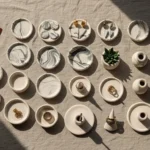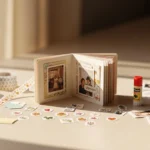

Clay art is one of the easiest ways to enjoy hands-on creativity without pressure. You don’t need expensive tools or years of practice. A small amount of clay, a flat surface, and a bit of time are enough to start shaping something personal. These ideas focus on simple forms that fit real homes and daily routines. Each project encourages exploration through touch, shape, and small design choices that feel satisfying from the first try.
1. Mini Pinch Bowls

Mini pinch bowls begin with a single ball of clay and your hands. Press your thumb into the center and gently pinch outward while rotating the piece. The shape forms naturally as your fingers guide the walls upward. Small dents and fingerprints give the bowl warmth and character, so there’s no reason to smooth everything away.
These bowls work well for rings, coins, hair pins, or desk items. Air-dry clay keeps the process simple and affordable. Once dry, lightly sand the rim to remove sharp spots. Painting just the inside adds contrast without much effort. Neutral colors feel calm, while bold interiors add personality.
Make several at once using leftover clay. Even small scraps turn into useful pieces. This project builds hand control and confidence very quickly.
2. Clay Ring Dishes

Clay ring dishes start as flat slabs. Roll clay evenly using a bottle or jar. Cut a circle with a cup, then lift the edges slightly to form a shallow curve. Keep the dish small so it dries evenly and holds its shape.
Add simple line details around the rim using a toothpick. These lines catch paint later and add interest without clutter. Let the dish dry slowly to reduce cracking.
Paint ideas include soft neutrals, muted pastels, or a single metallic accent in the center. A light seal keeps the surface clean. These dishes sit nicely on nightstands or sinks and make thoughtful handmade gifts.
3. Textured Wall Tiles

Textured wall tiles focus on surface design rather than shape. Roll clay flat and press fabric, lace, leaves, or woven items into the surface. Peel them away slowly to reveal raised patterns. Cut the slab into square or rectangular tiles.
Before drying, poke a small hole at the top for hanging. Twine or thin wire works well. Paint with thin layers so texture stays visible. Rubbing darker paint into grooves adds depth using basic supplies.
These tiles look best in small groups. Each one turns out slightly different, which adds interest without extra effort.
4. Clay Bead Jewelry

Clay beads are small but satisfying to make. Roll balls, tubes, or flat discs. Use a skewer or toothpick to create holes, rotating gently so the opening stays round during drying.
After drying, paint with acrylics in thin coats. Two light layers last longer than one thick one. String beads onto elastic, cord, or thread to make bracelets and necklaces.
Mix shapes and sizes for visual interest. This project uses very little clay and works well for batch crafting. Extra beads always find a purpose later.
5. Small Animal Figurines

Small animal figurines begin with basic forms. Use a round shape for the body and smaller pieces for the head and legs. Attach parts with gentle pressure and a touch of water to help them bond.
Focus on clean shapes rather than tiny details. Ears, tails, and simple facial marks add personality without frustration. Paint lightly or leave natural for a calm look.
These figures work well on shelves or desks. Scrap clay is perfect for practice, and each piece helps improve balance and proportion.
6. Leaf Imprint Plates

Leaf imprint plates bring nature into your clay work. Press a real leaf into rolled clay, vein side down. Peel it away slowly to reveal texture. Trim the shape into a circle or oval.
Lift the edges gently to form a shallow plate. Let it dry fully before sanding rough areas. Paint the veins with a thin brush or leave the clay natural.
These plates work well for keys, jewelry, or coins. Fallen leaves are free and create unique results every time.
7. Clay Incense Holders

Incense holders can be made flat or curved. Roll clay into a slab or coil. Use a skewer to poke a hole at a slight angle so ash falls safely.
Test the angle before drying and adjust as needed. Paint in calm, earthy tones or leave the surface raw. A light seal helps with cleaning.
This project uses very little clay and works well for quick craft sessions. Make a few extras to keep or gift.
8. Decorative Plant Markers

Plant markers add charm while staying useful. Roll clay into thin strips and shape one end into a point. Keep thickness even so they dry flat.
Use dots, lines, or small shapes instead of letters. Paint with leftover colors once dry. Seal lightly if placing in soil.
These markers help organize plants without plastic and use very little material.
9. Clay Spoon Rests

Clay spoon rests start as flat ovals or rectangles. Press a spoon gently into the center to form a shallow dip. Smooth edges with damp fingers.
Keep the thickness even to avoid cracking. Once dry, paint with one solid color for easy cleaning. Seal well.
This project blends creativity with daily use and makes cooking spaces feel more personal.
10. Abstract Clay Faces

Abstract faces focus on expression rather than accuracy. Start with an oval base. Add raised areas for noses and brows using small clay pieces.
Skip fine details. Texture adds interest and emotion. Paint lightly with one or two shades.
These faces suit shelves, desks, or walls. Each one carries its own mood through shape alone.
11. Clay Fridge Magnets

Clay fridge magnets are quick and playful. Shape flat forms like circles, fruits, or abstract shapes. Let them dry fully.
Glue magnets to the back once dry. Paint bold colors so they stand out against metal surfaces.
Keep them lightweight for strong hold. These make great small gifts.
12. Candle Holders

Candle holders begin with thick bases. Press a candle gently into the clay to size the opening, then remove it before drying.
Smooth the edges and keep the base sturdy. Paint the outside only. Avoid paint inside the candle area.
Simple shapes work best and feel timeless.
13. Clay Keychains

Clay keychains use flat shapes with a hole for hardware. Keep designs small and light for durability.
Paint patterns, symbols, or single colors. Seal well to reduce wear.
This project is perfect for scraps and quick crafting.
14. Mini Vases

Mini vases work best with dried stems. Coil or pinch small forms and keep openings narrow.
Let dry slowly. Paint with soft neutral tones or leave raw.
These vases add warmth to shelves without needing water.
15. Clay Coasters

Clay coasters start as flat slabs. Cut even shapes and add texture using fabric or simple tools.
Dry flat and seal well. Paint edges only for a clean look.
Make sets for daily use or gifts.
16. Name Tag Charms

Name tag charms rely on shapes instead of letters. Circles, stars, or color patterns stand in for names.
Add a hole for string. Paint with color codes.
Great for bags, baskets, or gifts.
17. Clay Earrings

Clay earrings stay comfortable when thin. Roll clay evenly and cut simple shapes.
Add holes before drying. Paint lightly or leave raw.
Attach hooks after sealing. These are stylish and budget-friendly.
18. Relief Art Plaques

Relief plaques layer shapes onto a base slab. Keep layers thin so they bond well.
Press edges gently and let dry flat. Paint one color to highlight shadows.
These plaques work well as small wall art.
19. Clay Trinket Boxes

Trinket boxes use two pinch forms. Shape the base and lid together while damp so they fit well.
Adjust gently. Paint the inside only for contrast.
Perfect for rings or small keepsakes.
20. Hanging Clay Ornaments

Clay ornaments start flat. Cut shapes like circles or leaves.
Add holes for string. Paint simple colors or patterns.
Hang them anywhere for year-round decor.
21. Clay Stamps

Clay stamps create repeat patterns. Carve designs into damp clay using simple tools.
Add a handle shape. Let dry fully.
Use them with air-dry projects again and again.
22. Mini House Sculptures

Mini houses use boxy shapes and simple roofs. Texture walls lightly for interest.
Paint with calm tones. Arrange in small groups.
These pieces add charm to shelves and corners.
23. Clay Photo Holders

Photo holders combine clay bases with wire clips. Press the wire into the clay securely.
Check balance before drying. Paint the base simply.
These holders work well for desks and gifts.
Clay art grows through steady, hands-on practice. These projects show how small actions and simple tools lead to pieces you can use and enjoy daily. Choose one idea, start shaping, and let each finished piece guide the next.

Lily Summers is a digital artist and creative storyteller who loves bringing colorful characters to life. With a passion for cartoons, fan art, and playful sketches, she inspires others to explore their imagination through art. When she’s not sketching, you’ll find her dreaming up new ideas for CraftedWizard.com to spark creativity in every artist. 🌈✨