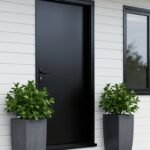
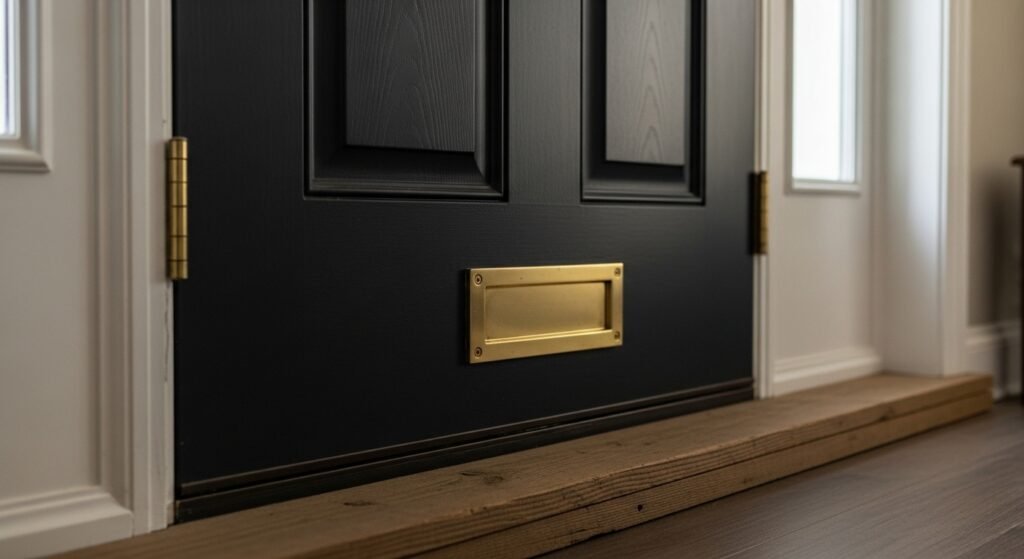
I used to ignore the outside until a neighbor compliment changed everything.
Small fixes made the house feel like mine. Not flashy—just intentional.
These ideas are things I actually did, returned, or lived with. They work.
24 Stunning Aesthetic House Exterior Ideas For Dreamy Curb Appeal
These 24 ideas are real tweaks I used on my home. They’re practical, budget-aware, and photo-ready. Each one shows what I did and what to buy.
1. Matte Black Front Door with Warm Brass Hardware
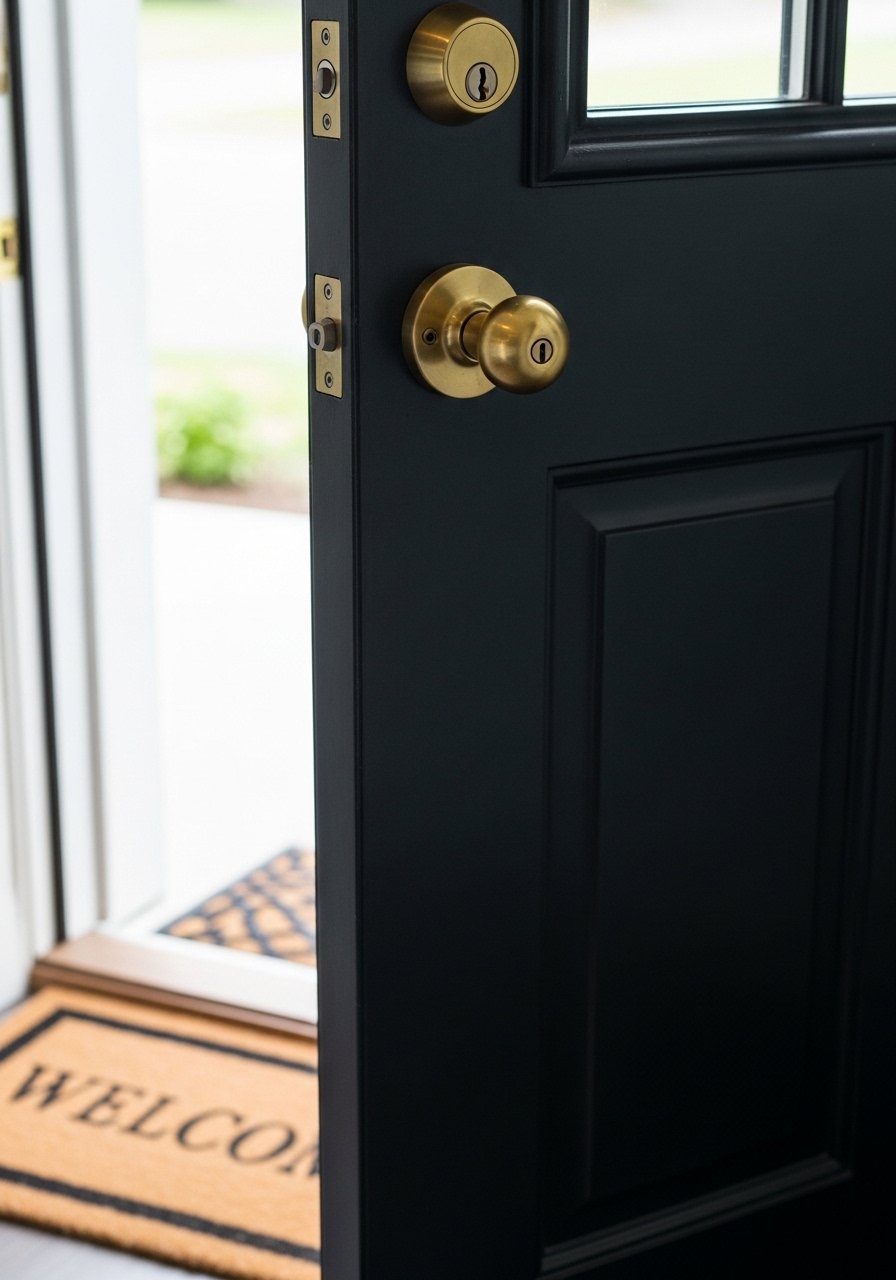
I painted my front door matte black and it instantly grounded the house. It reads modern but still warm with brass hardware. I chose a true flat finish to hide fingerprints and it hides wear better than gloss.
The brass pulls age nicely. At first I bought cheap hardware and it tarnished too fast. Spend a little more for real solid brass.
Tip: sand lightly before painting and use primer for longevity.
What You’ll Need for This Look
2. Soft White Trim to Frame Your Facade
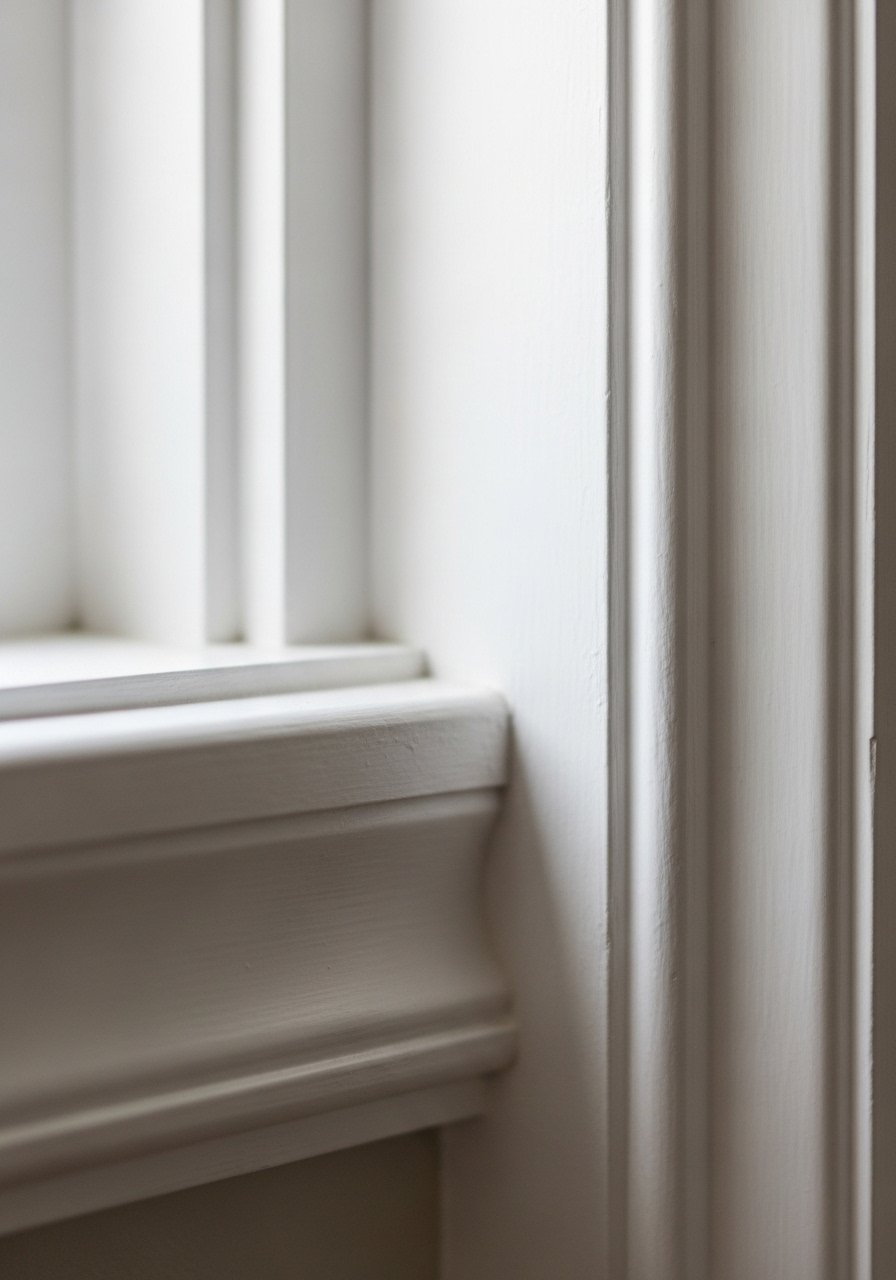
I switched the trim to a soft white instead of bright white. It reads cleaner without looking stark against the siding. The house felt more intentional and less like a box.
Small change, big definition. The white frames windows and highlights architectural lines.
Pay attention to sheen. I used a satin exterior finish so it’s washable but not glaring.
What You’ll Need for This Look
3. Oversized House Numbers Mounted on Stone (Learned from a Misstep)
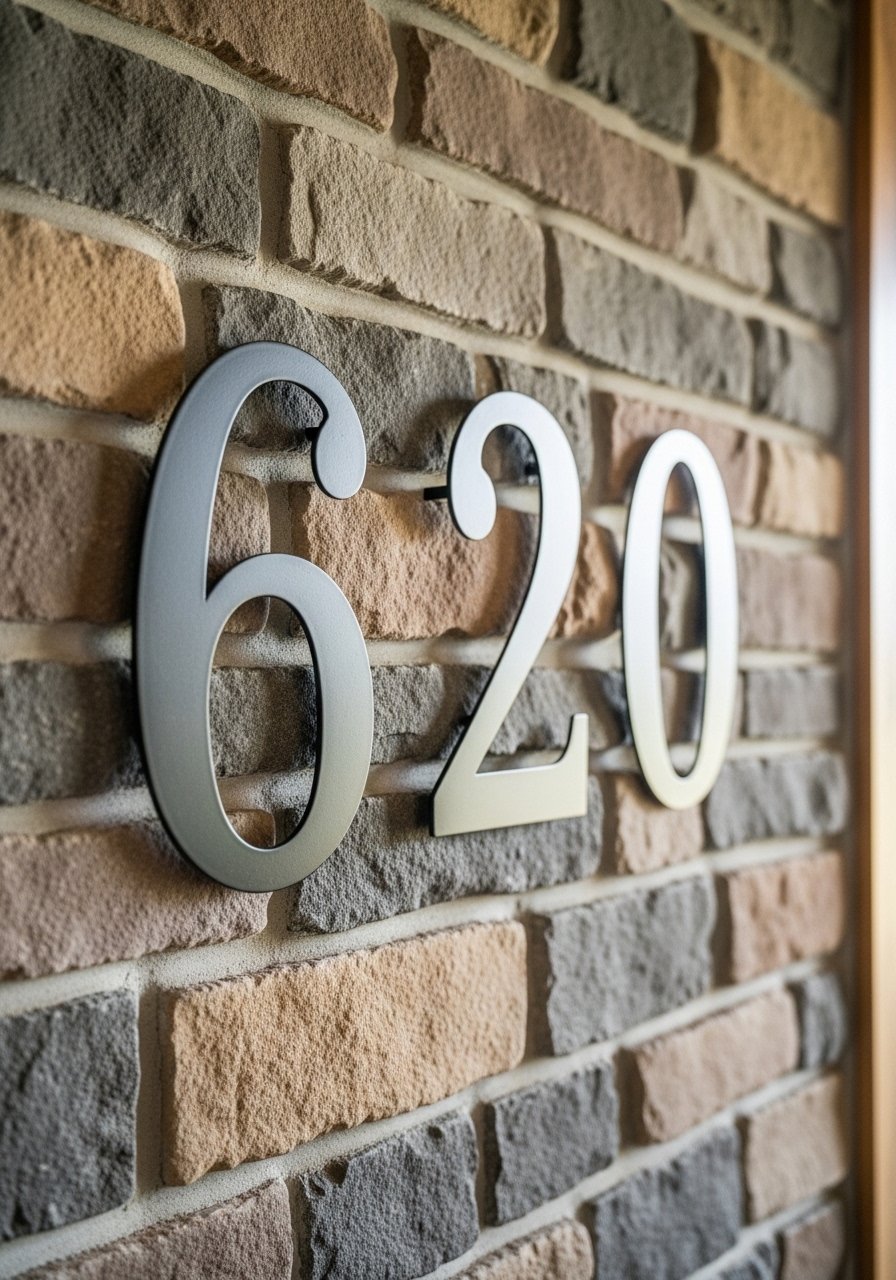
I put huge metal numbers on the stone near our entry. It felt bold and finally readable from the street. My first set were lightweight plastic and bowed in sun. Lesson learned: weight and finish matter.
I drilled into mortar and used anchors rated for exterior use. The numbers look like jewelry on the wall now.
Tip: measure from the street before you buy. What looks good close can disappear far away.
What You’ll Need for This Look
4. Warm Wall Sconces Flanking the Entry
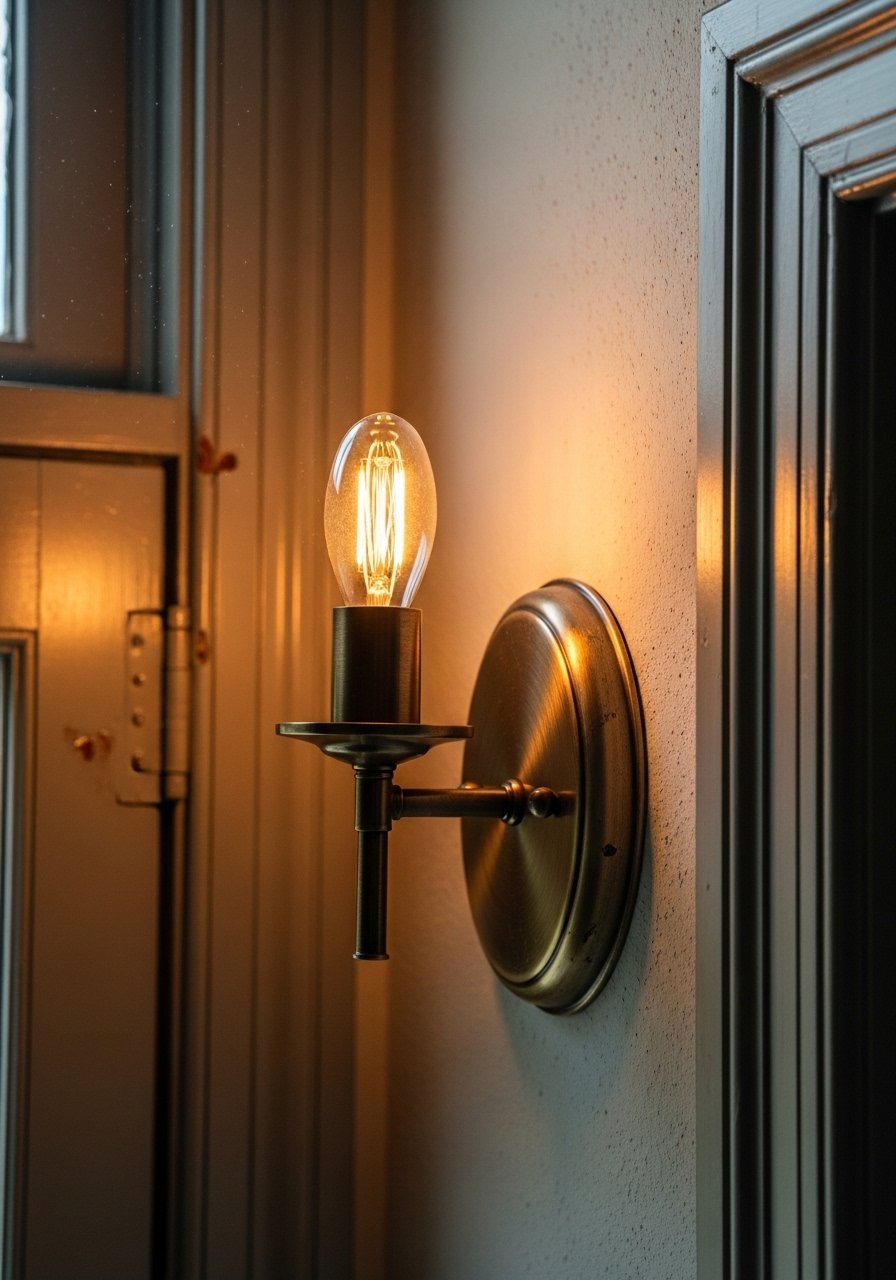
Flanking sconces changed the whole hour-of-arrival feel. I swapped out harsh fixtures for warm glass ones. The light is soft and welcoming in the evening.
I chose fixtures with adjustable shields to avoid glare. They also throw pretty light on the door texture.
If you have uneven walls, use shims behind the baseplate for a flush fit.
What You’ll Need for This Look
5. Layered Potted Plants for Instant Life
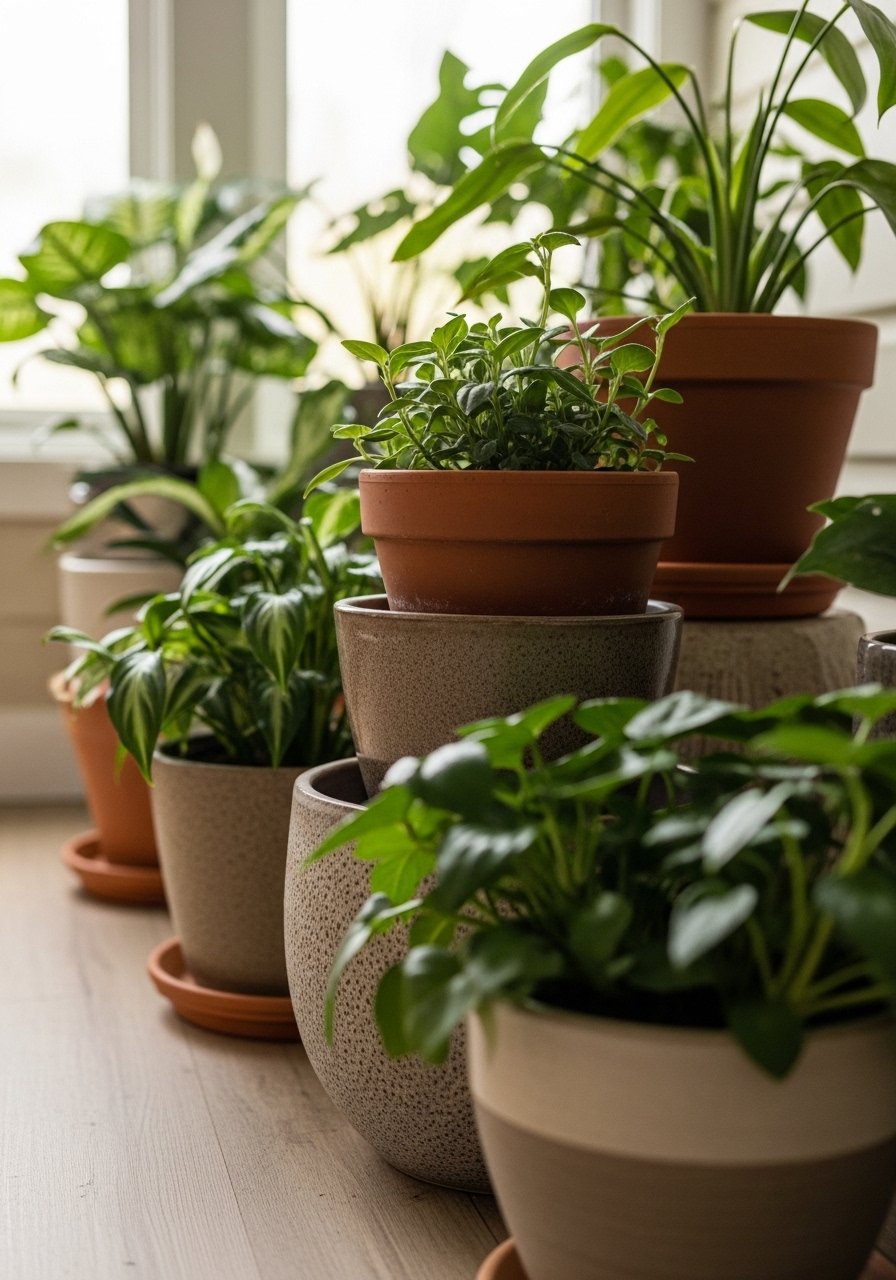
I grouped pots in odd numbers by the door. Tall in back, trailing in front. It made the entry feel curated and easy to change each season.
Mix materials—terracotta, glazed ceramic, and woven baskets—to keep interest. I also swap a few plants seasonally for color.
My small mistake: I overcrowded one pot and roots circled. Leave space and rotate plants yearly.
What You’ll Need for This Look
6. Window Boxes Overflowing with Green Texture
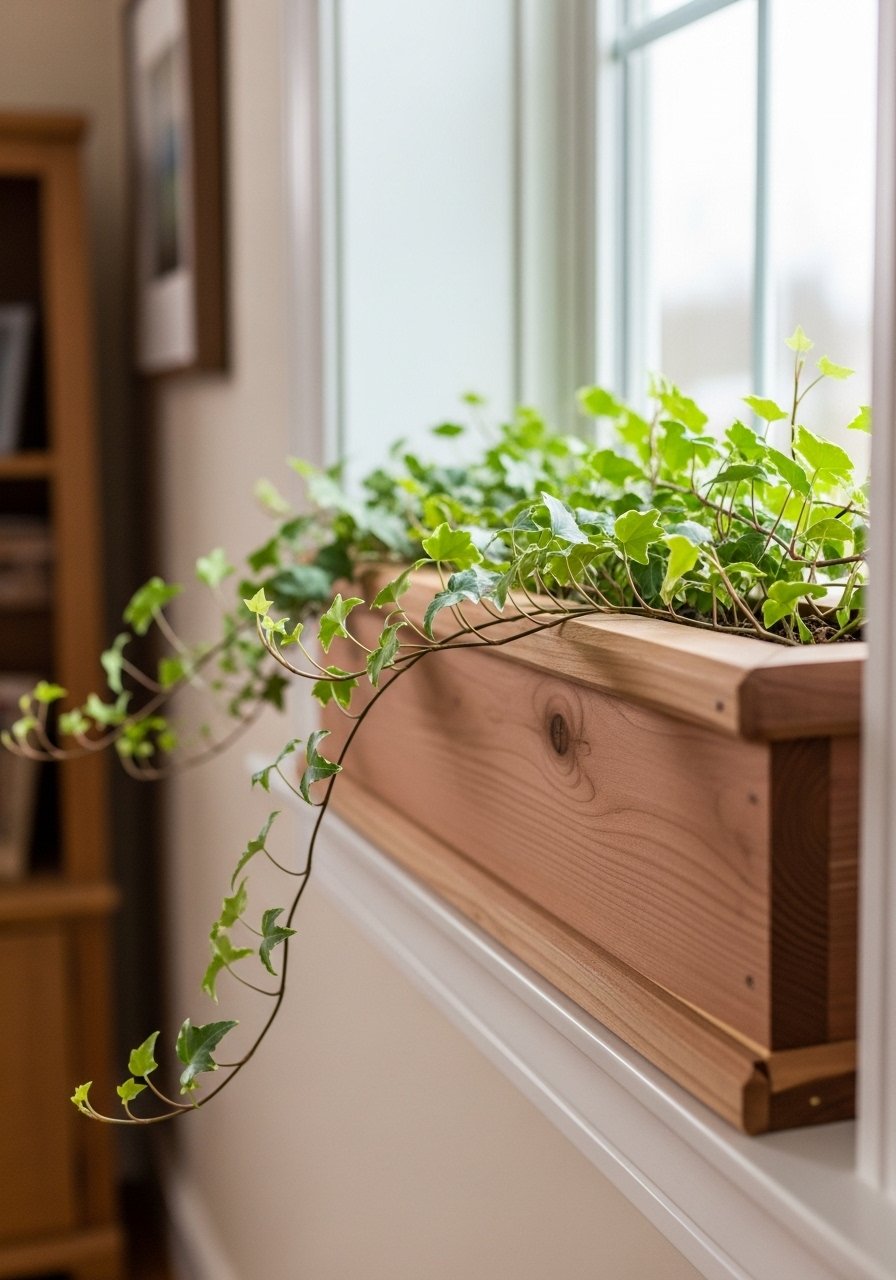
I installed cedar window boxes under front windows and filled them with soft greenery. The texture softens the facade and feels lived-in, not staged.
Cedar holds up to weather and ages nicely. I mixed upright plants and trailing vines to keep movement.
Watering is the chore. I use a water-retaining mix and check weekly to avoid soggy roots.
What You’ll Need for This Look
7. Symmetrical Porch Seating and an Outdoor Rug (A Small Oops Taught Me)
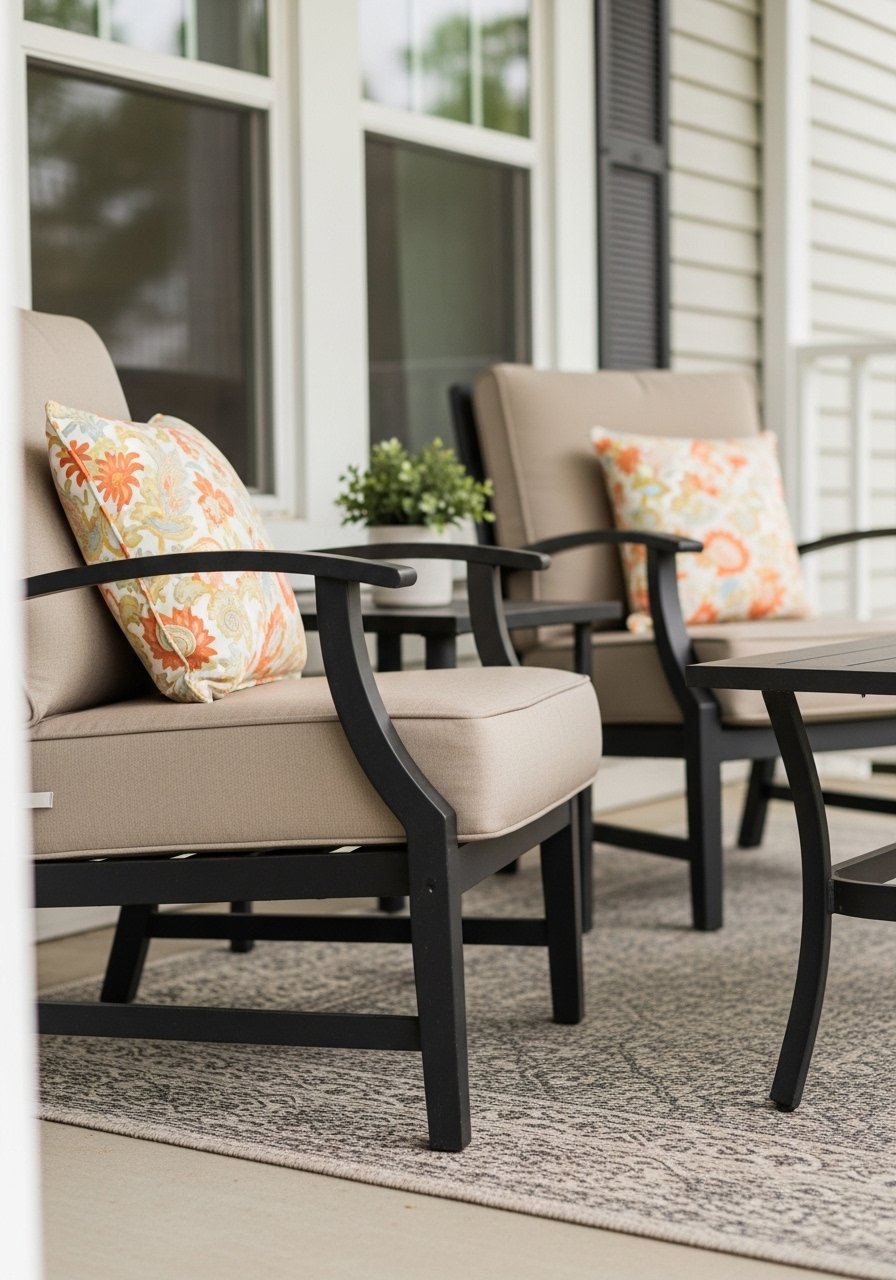
I set two identical chairs with a small table between them. Symmetry makes the porch look intentional. An outdoor rug anchors the space and feels like a welcome mat turned up a notch.
I bought a cheap rug that faded badly. Replace it with a UV-resistant weave for longevity.
Add cushions in weather-safe fabric. I store them under the bench in winter.
What You’ll Need for This Look
8. Curved Pathway Lined With Low-Height Plants
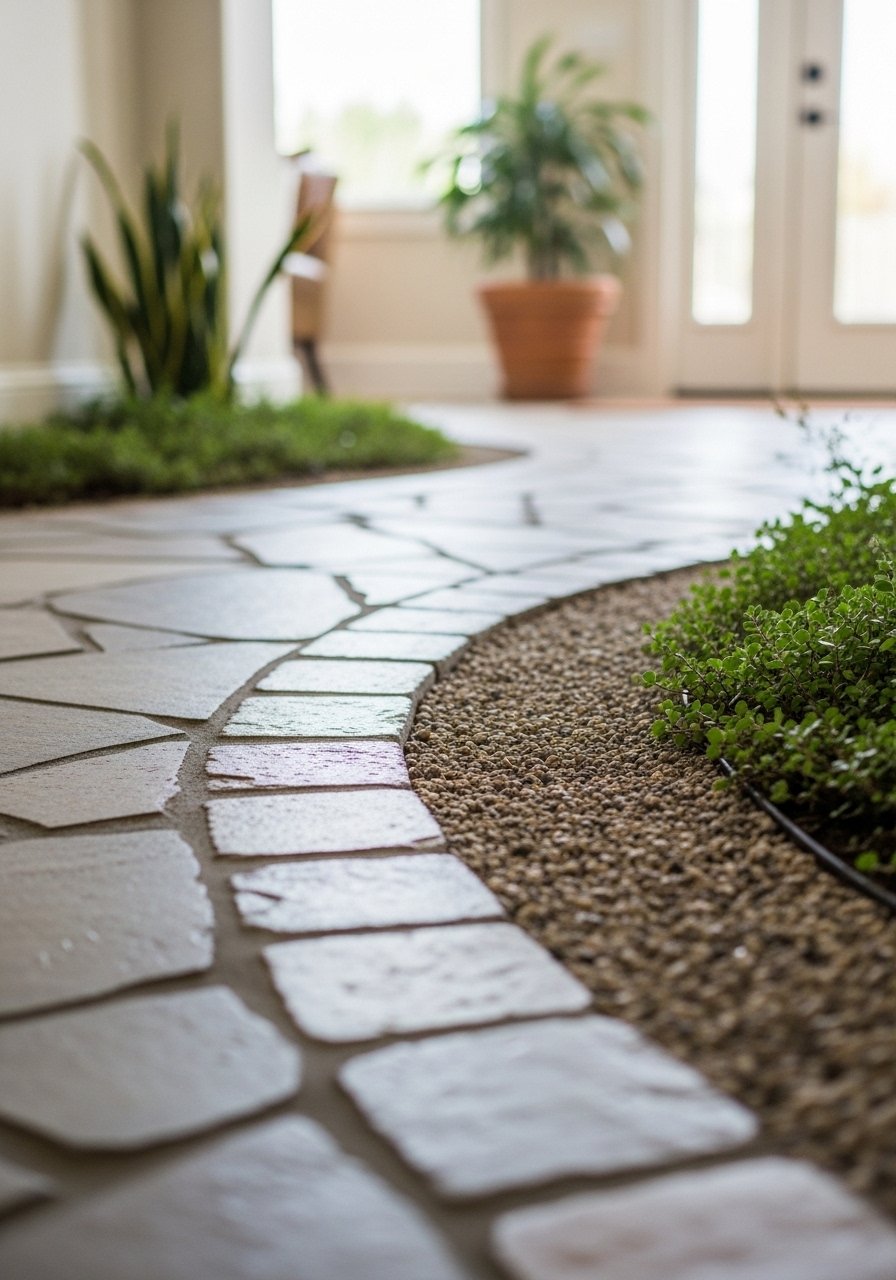
Our straight walkway felt boring. I had a landscaper soften it with a gentle curve and planted low lavender borders. The approach feels slower and more intentional now.
Curves add drama without cost. Low plants keep sightlines open and don’t block the house.
Make sure edges are tight. I use a half-inch metal edging so grass doesn’t creep over time.
What You’ll Need for This Look
9. Deep Charcoal Shutters for Subtle Drama
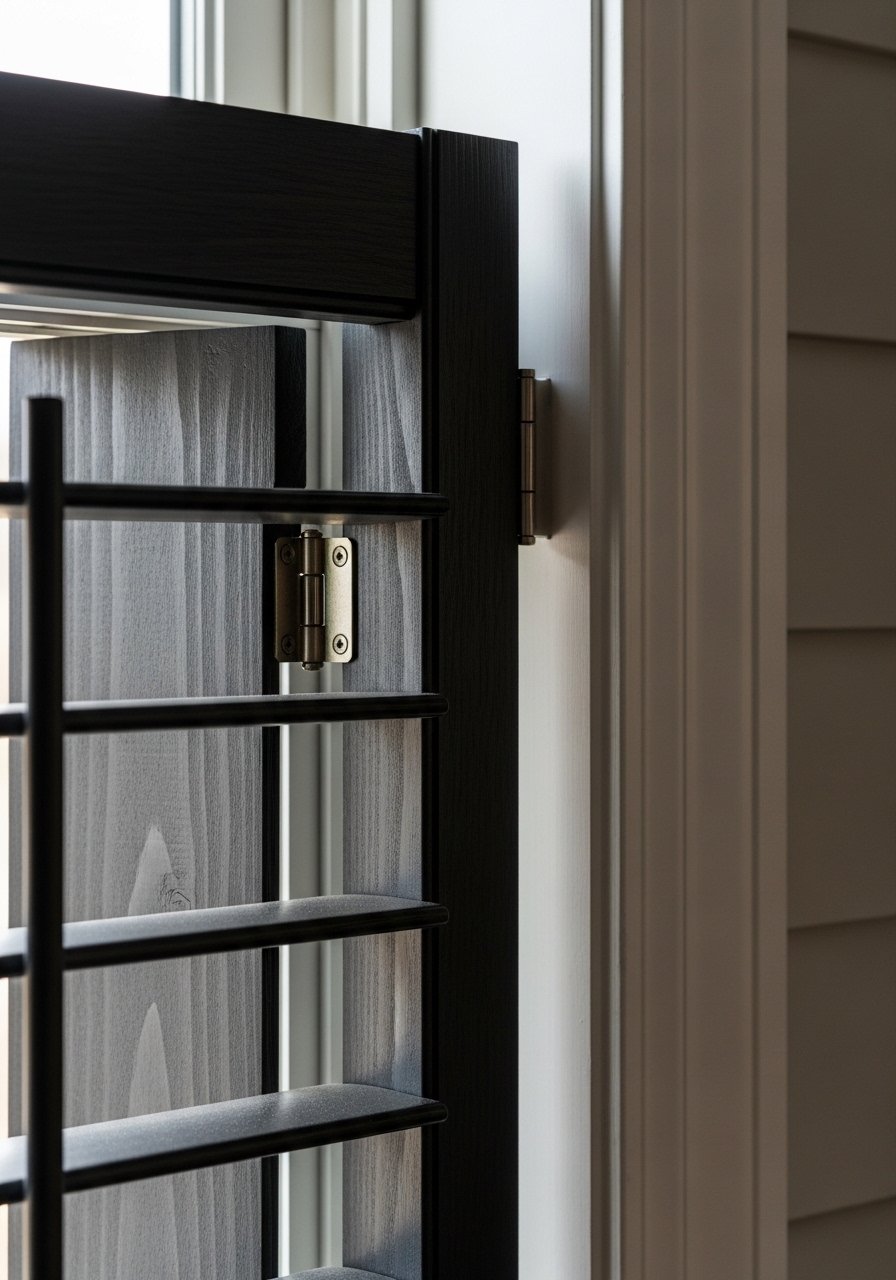
I painted my shutters deep charcoal for understated contrast. It added depth without stealing attention from brick or siding. The darker color reads tailored and modern.
I tested samples on different walls—light changes everything. The charcoal we chose read softer in the afternoon sun.
Make sure hinge hardware is rust-resistant outdoors.
What You’ll Need for This Look
10. Low Landscape Lighting to Highlight Texture
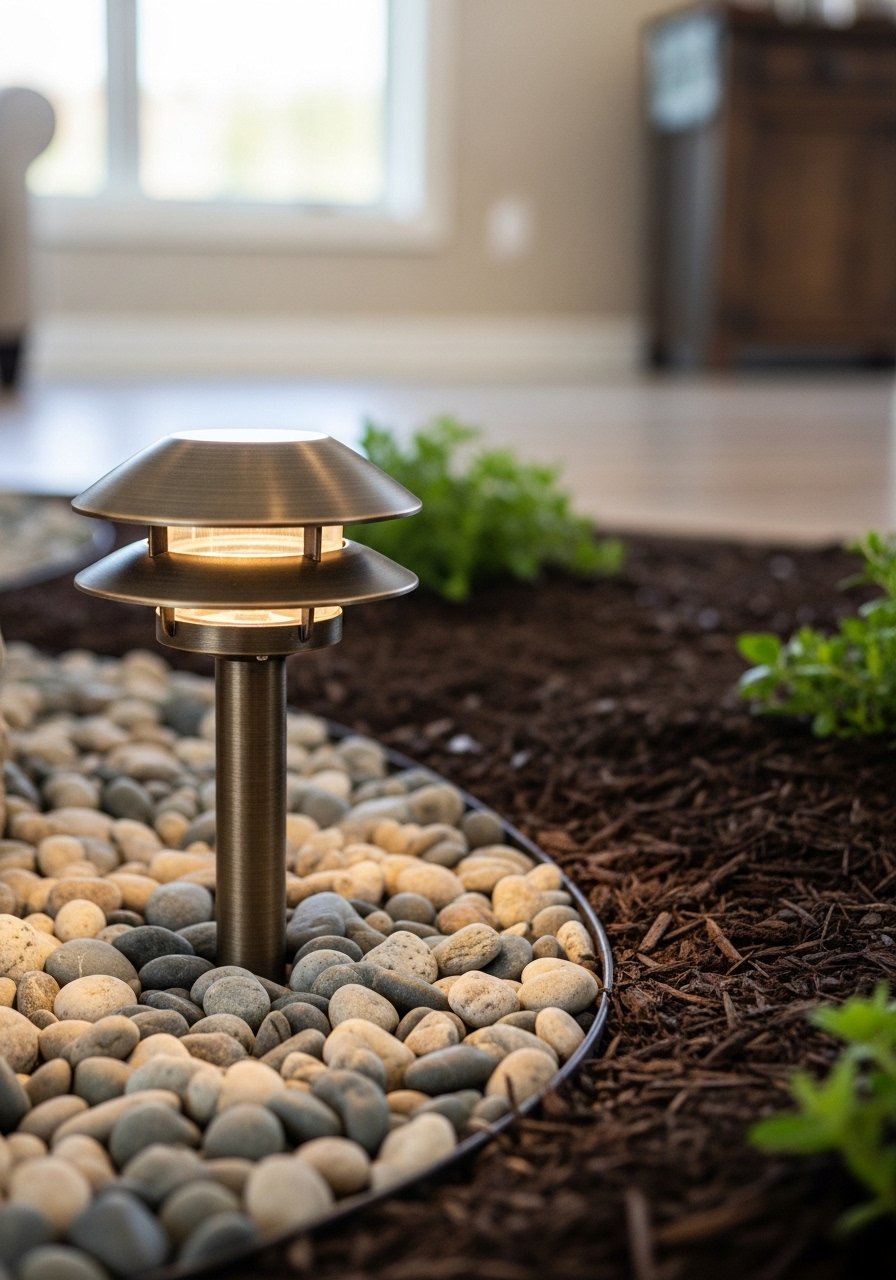
I added low path lights and uplights for key trees. At night the house reads layered and cozy, not like a car park.
I aimed lights low and behind plants for a soft glow. Avoid pointing lights directly at windows.
Invest in LED fixtures and timers so it’s effortless. The right placement takes a few tries—walk the route at dusk to adjust.
What You’ll Need for This Look
11. Natural Stone Walkway with Mixed Pebble Border
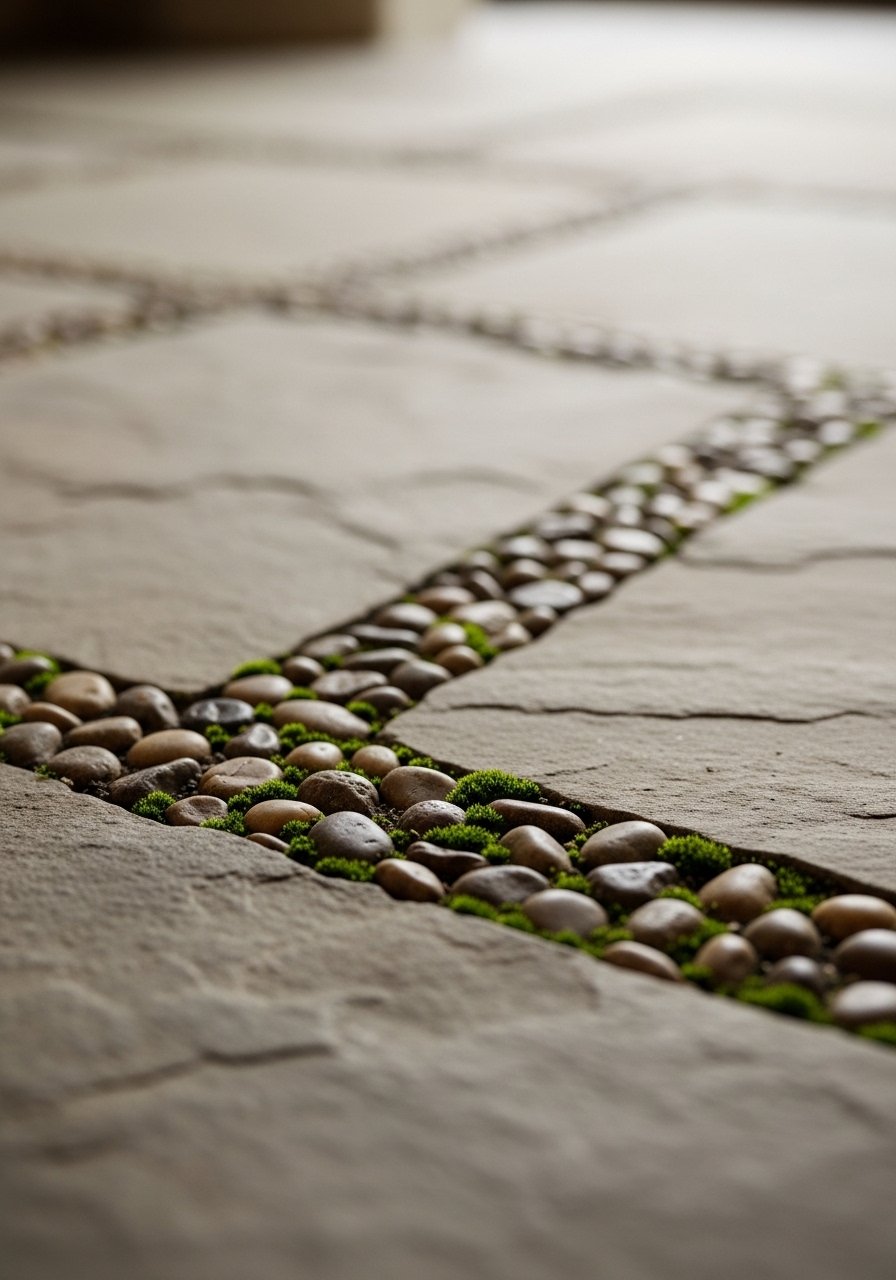
We replaced a cracked concrete path with irregular flagstone and a pea-gravel border. It feels handcrafted and much softer against the house.
Flagstone breaks up visual weight and helps rainwater drain. The pebble border keeps edges tidy.
Lay stones on sand for movement allowance. I added weed fabric under the gravel to cut maintenance.
What You’ll Need for This Look
12. Reclaimed Wood Garage Accent for Warmth (I Returned the First Panel)
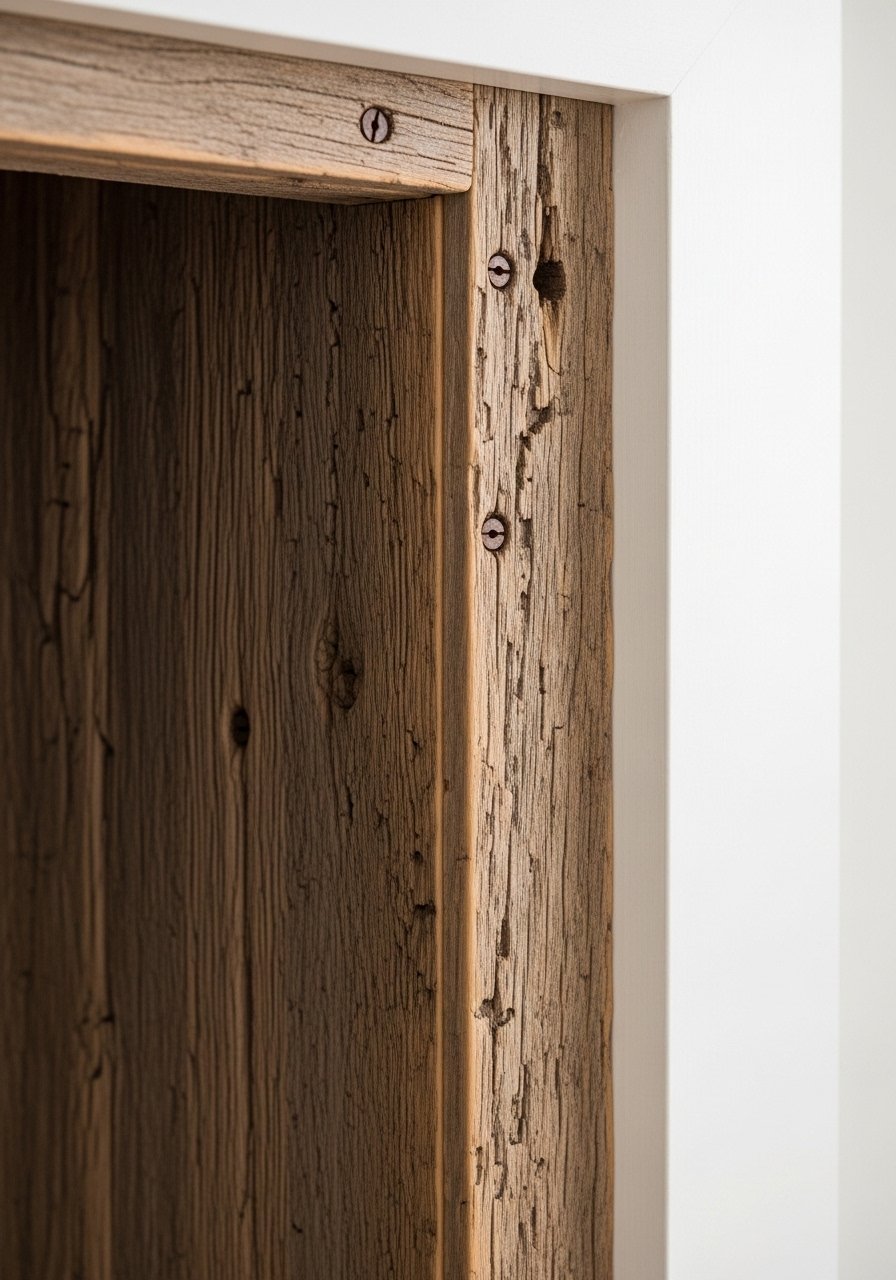
I added a reclaimed wood panel above the garage door for warmth. The first panel I bought looked fake and glossy, so I returned it. Real reclaimed wood has knots and depth that photos don’t show.
Once installed, the garage felt less utilitarian and more part of the house palette.
Seal reclaimed wood for weather. I used a clear matte sealer to keep the texture visible.
What You’ll Need for This Look
13. Modern Steel Mailbox on a Slim Post
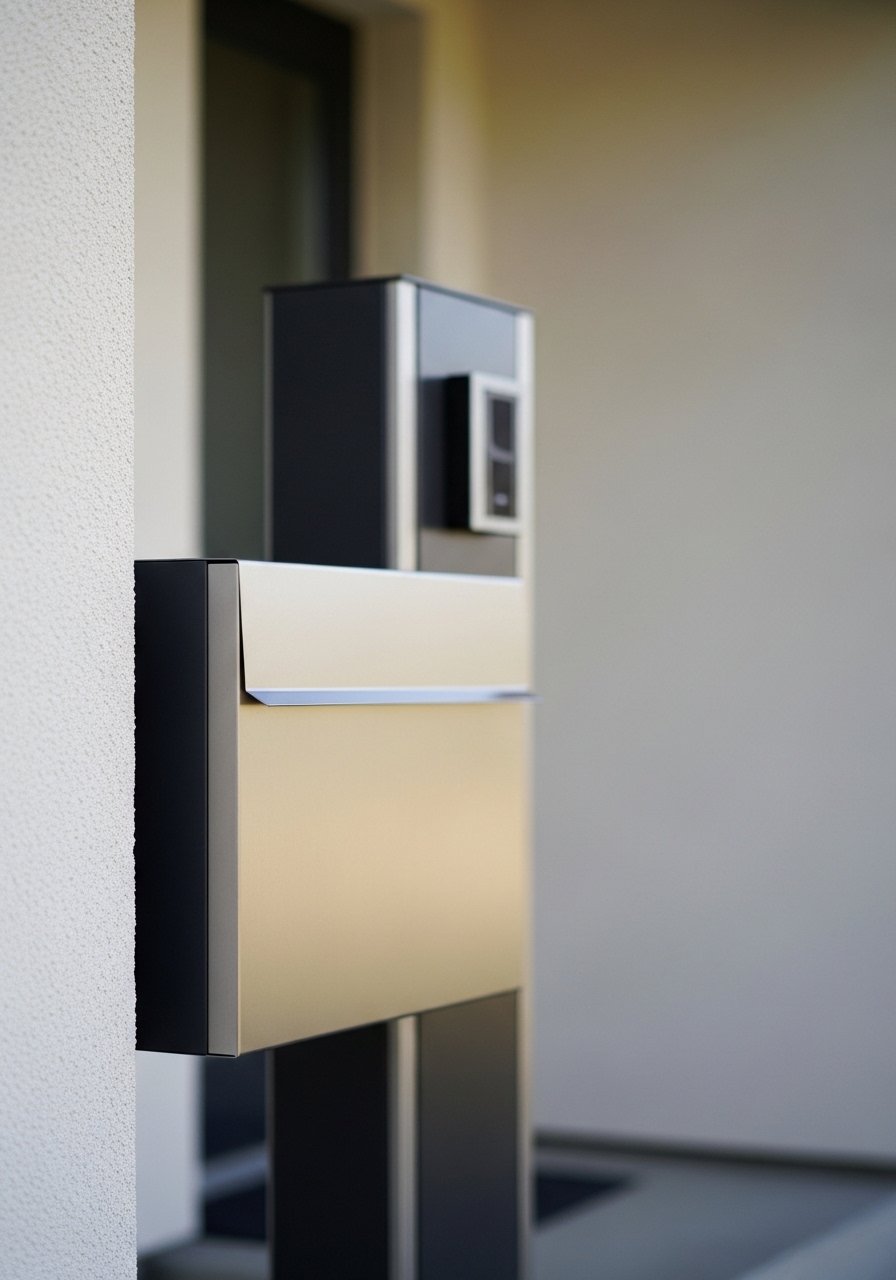
My old mailbox was a rusty eyesore. Replacing it with a slim steel mailbox on a simple post sharpened the whole curb view.
I picked a model with a built-in parcel shelf. It’s small practical things like this that make daily life easier.
Set the post to the right height for easy access. Check local postal requirements before you install.
What You’ll Need for This Look
14. Front Porch Pergola with Climbers for Soft Shade
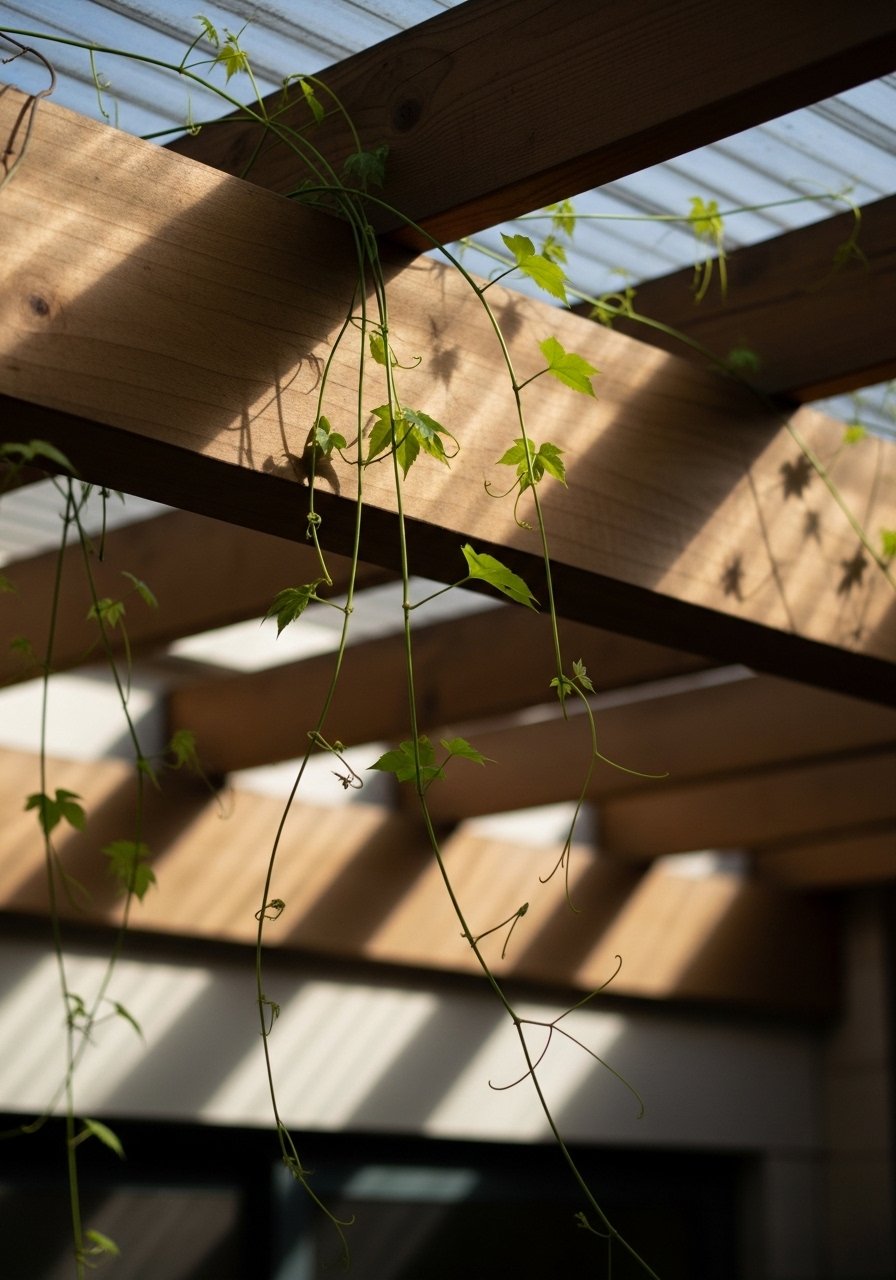
I built a small pergola over our porch and trained clematis up the posts. The dappled shade makes the porch a usable spot through summer.
A pergola adds height and a focal point. I kept the structure simple so it didn’t overwhelm the house.
Pre-drill for anchors and treat wood against moisture. Vines need guidance their first two seasons.
What You’ll Need for This Look
15. Earth-Toned Ceramic Planters for Consistent Rhythm
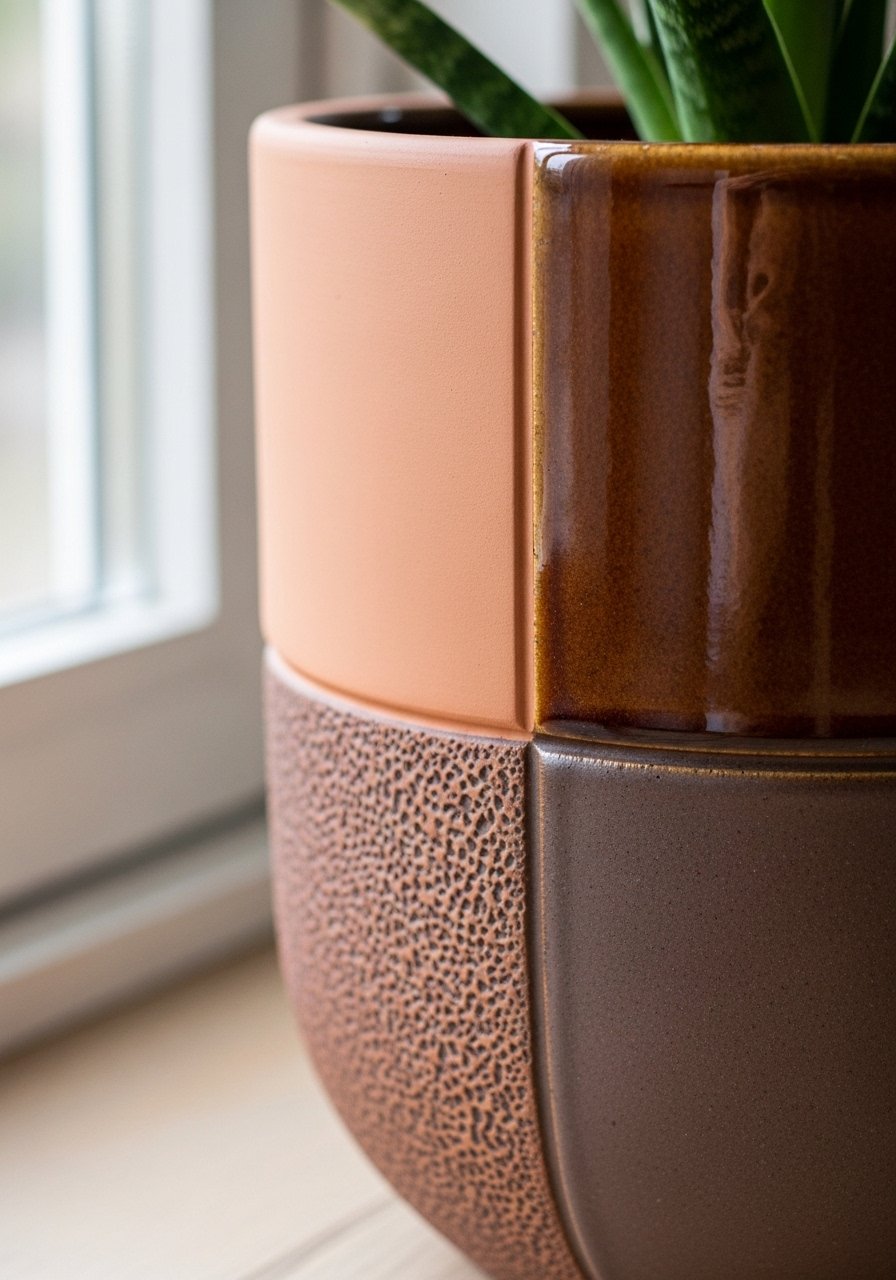
I swapped mismatched pots for a trio of earth-toned ceramics. The color family keeps the look cohesive while still allowing plant variety.
Grouping same-toned planters creates rhythm and stops the entrance from looking busy.
Pick sizes that relate—small, medium, large—and keep drainage holes open.
What You’ll Need for This Look
16. Modern Awnings for Color and Shade
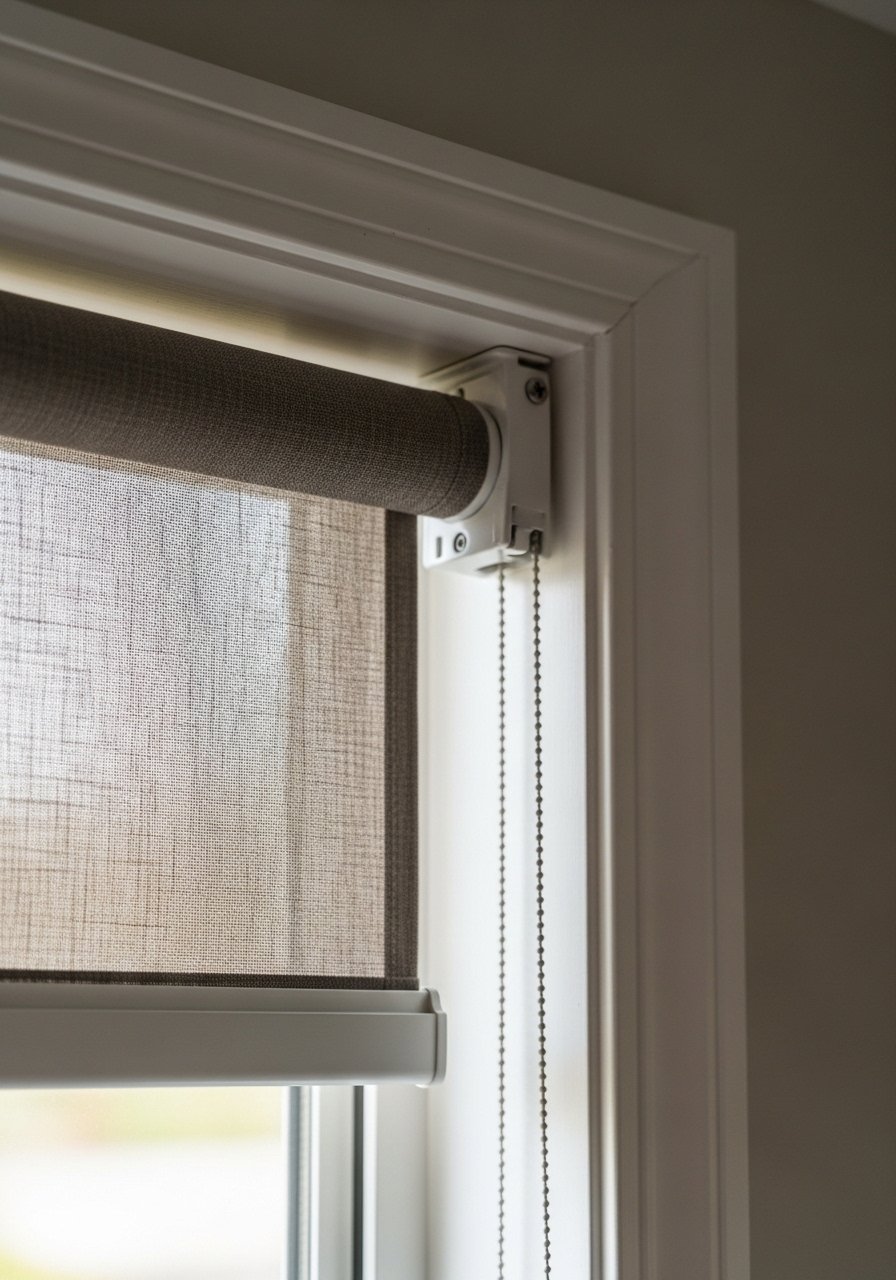
I added a simple striped awning over one window. It breaks up the facade and adds a layer of color without painting.
Awnings are great for sun control, too. I chose a retractable model so I can open the view in winter.
Measure well so the awning doesn’t block trim or gutters.
What You’ll Need for This Look
17. Stained Front Steps for Rich Tone and Depth
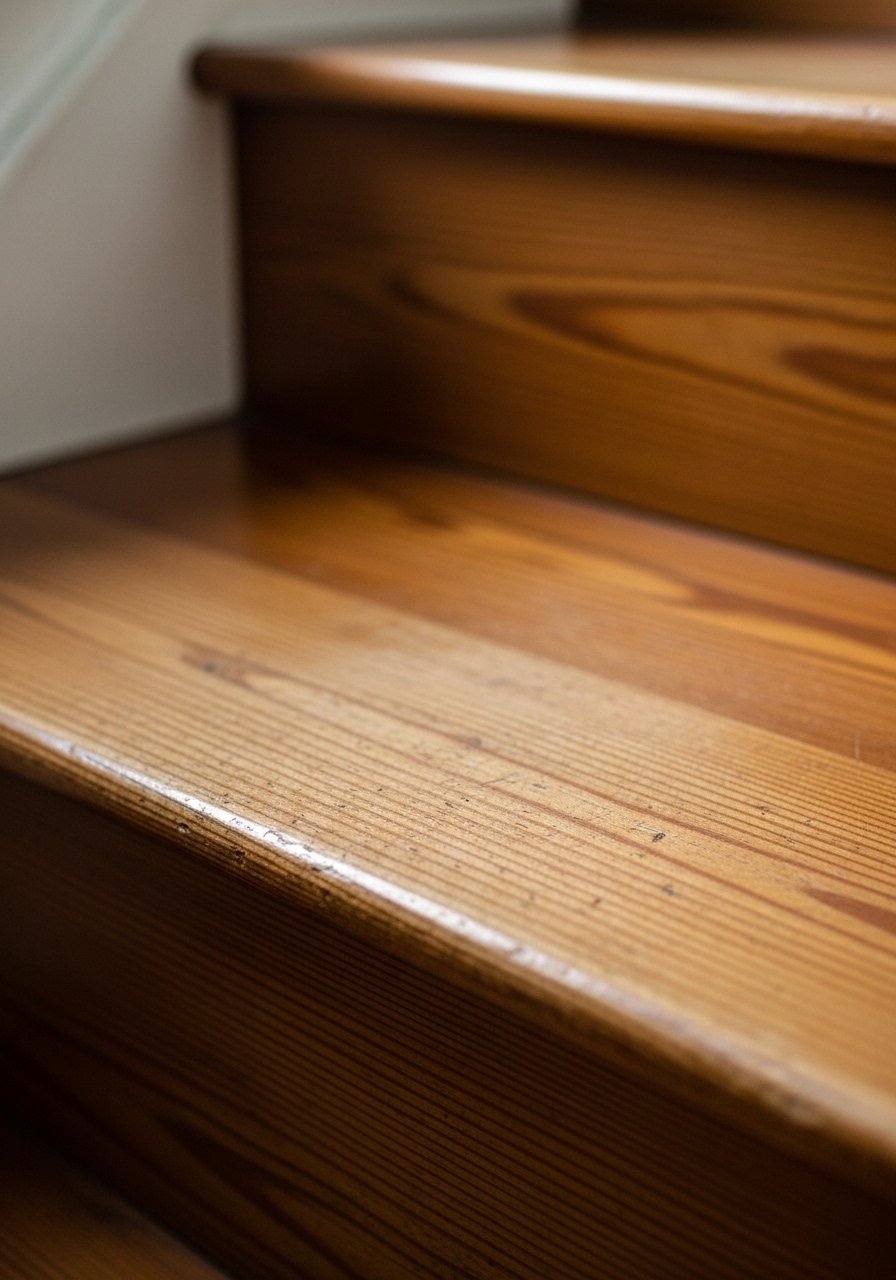
I stained our concrete steps with a faux-wood tone. It reads richer than paint and hides scuffs well. The house felt more intentional the moment the steps changed.
Stain soaks into material and lasts longer than paint in my experience. Use a UV-resistant sealer for color retention.
Test a small patch first. I tried the wrong tone and had to sand and restain.
What You’ll Need for This Look
18. Mixed-Material Facade: Brick, Siding, and Wood (I Overdid the Accents Once)
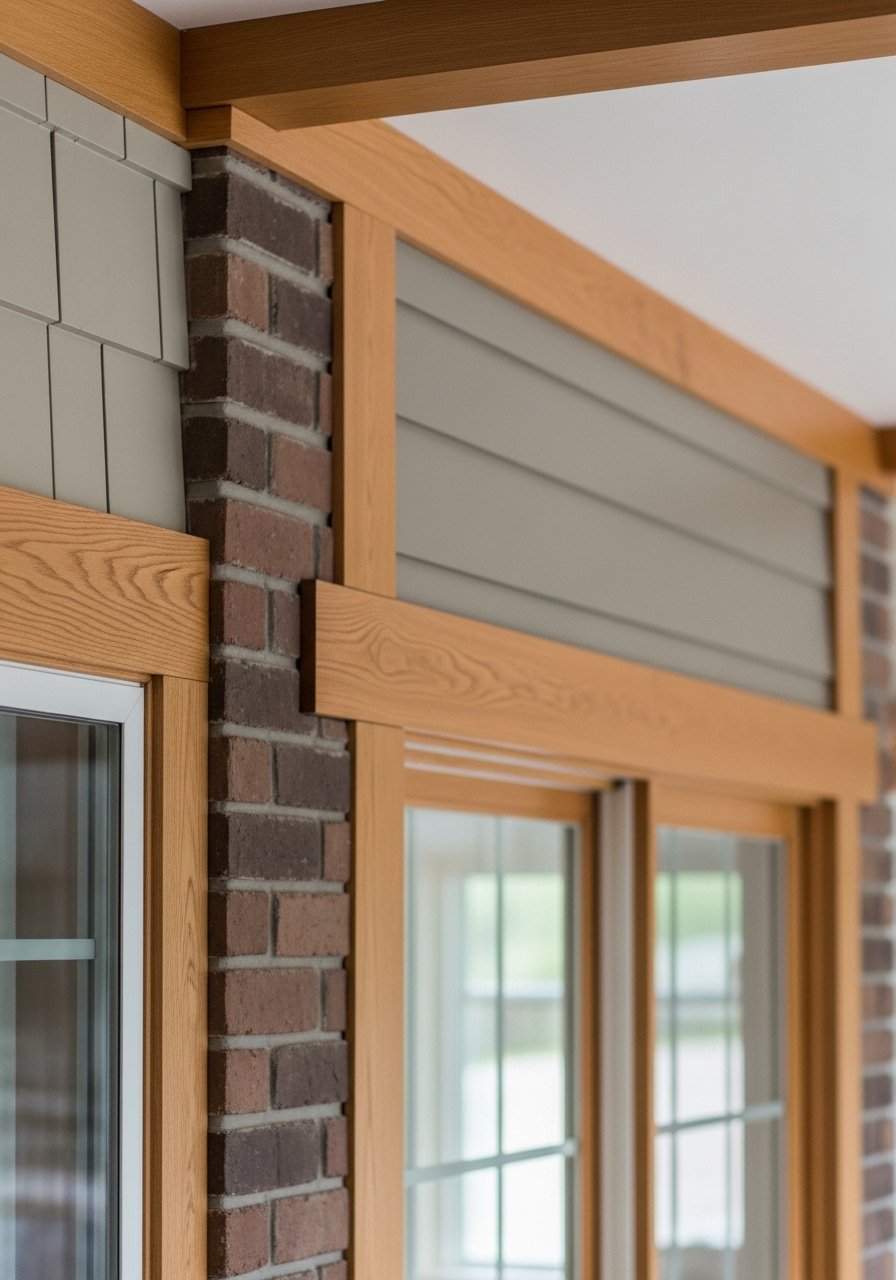
I layered materials—brick base, painted siding, and a wood accent band. It adds character without being fussy. My first try had too many wood tones and read chaotic, so I toned it down.
Limit the palette to two neutrals and one warm material. That keeps the look cohesive.
Pay attention to transitions. A clean trim line makes mixed materials sing.
What You’ll Need for This Look
19. Statement House Name or Plaque with Soft Backlight
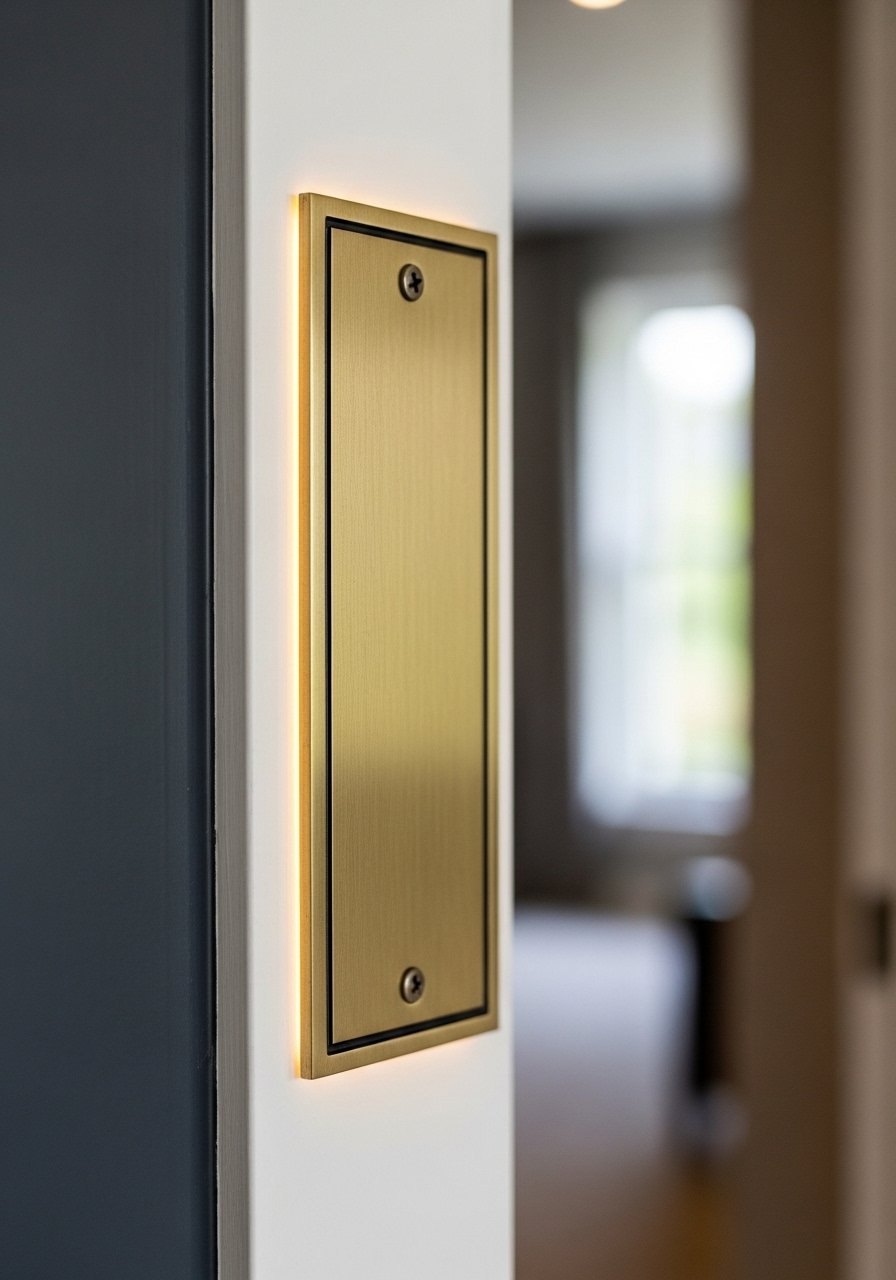
A backlit name plaque on our front wall looks like someone thought about us. It’s personal and useful for evening deliveries.
I used a slim LED strip behind a brushed-metal plaque. The light is soft and readable without being bright.
Choose a finish that complements your hardware. Brushed metals read timeless.
What You’ll Need for This Look
20. Low-Maintenance Seasonal Floral Swaps

I rotate one big pot with season-appropriate flowers. In spring it’s tall bulbs, summer is geraniums, fall gets mums. It keeps the facade changing without a full overhaul.
I buy one good pot and swap plants. It’s cheaper than replanting beds and feels intentional.
Have a small watering can handy. It saves excuses.
What You’ll Need for This Look
21. Slim Metal Railings for a Clean Edge
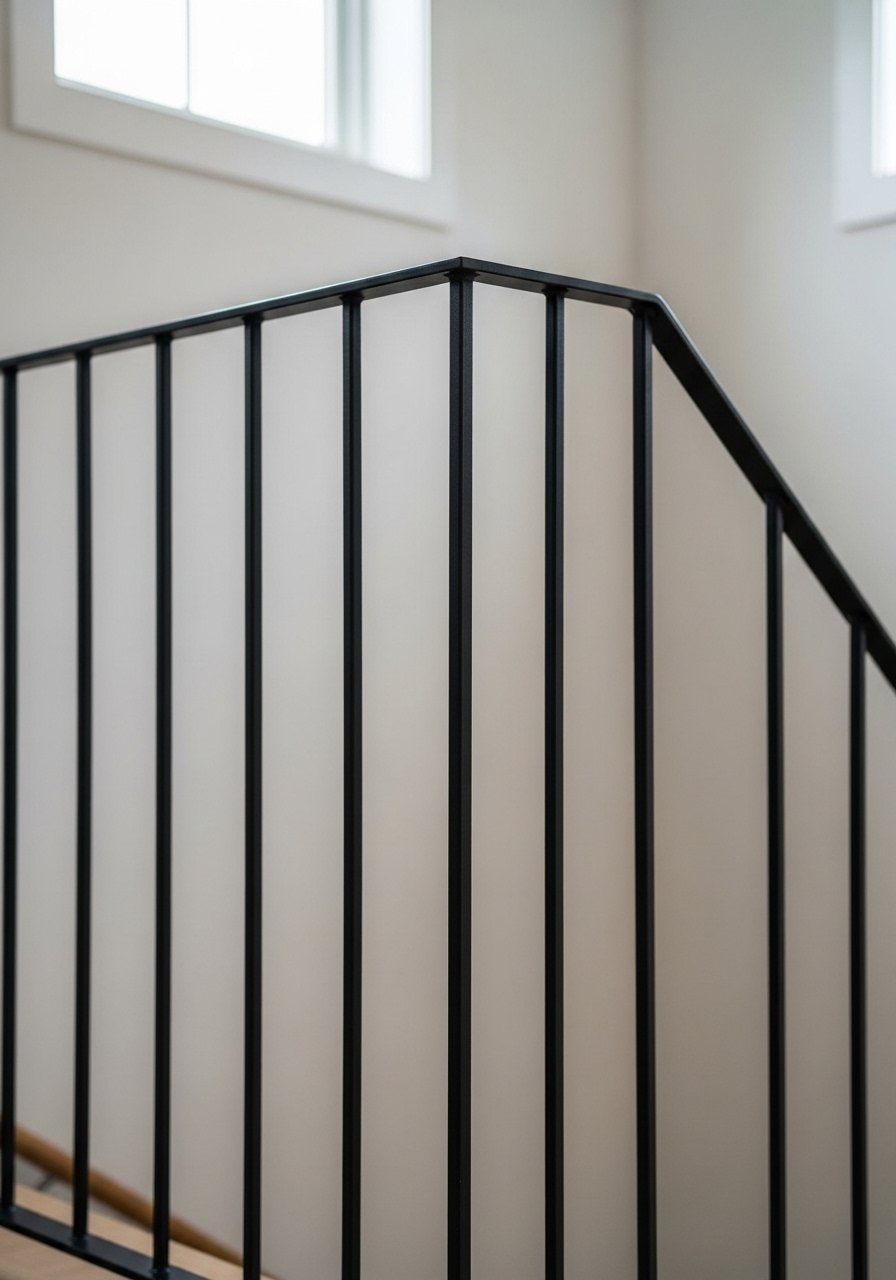
We replaced bulky wood railings with slim black metal ones. The house looked cleaner and modern. The slim profile doesn’t block the view and reads architectural.
Metal lasts with minimal upkeep. I picked powder-coated for scratch resistance.
Balance is key—too thin can feel industrial, too thick can look heavy. I found the middle worked best.
What You’ll Need for This Look
22. Built-In Planter Bench for Small Porches
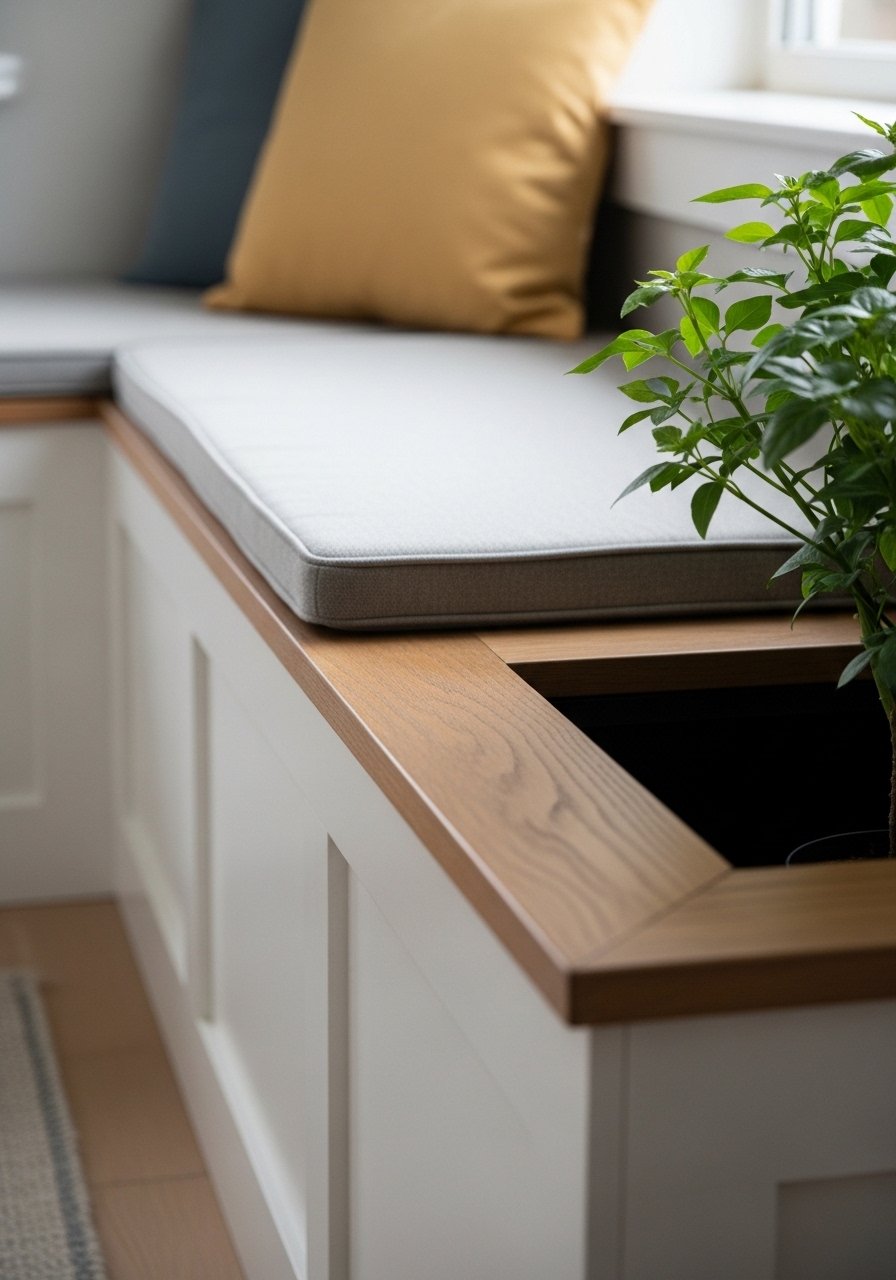
My narrow porch couldn’t fit chairs, so I built a bench with planters at each end. It’s seating and greenery in one. I added cushions and it became our morning spot.
Built-in pieces look custom without being expensive if you use simple plywood and stain.
Make sure drainage from the planters doesn’t soak the bench seat.
What You’ll Need for This Look
23. Motion-Sensor Path Lights for Safety and Warm Glow
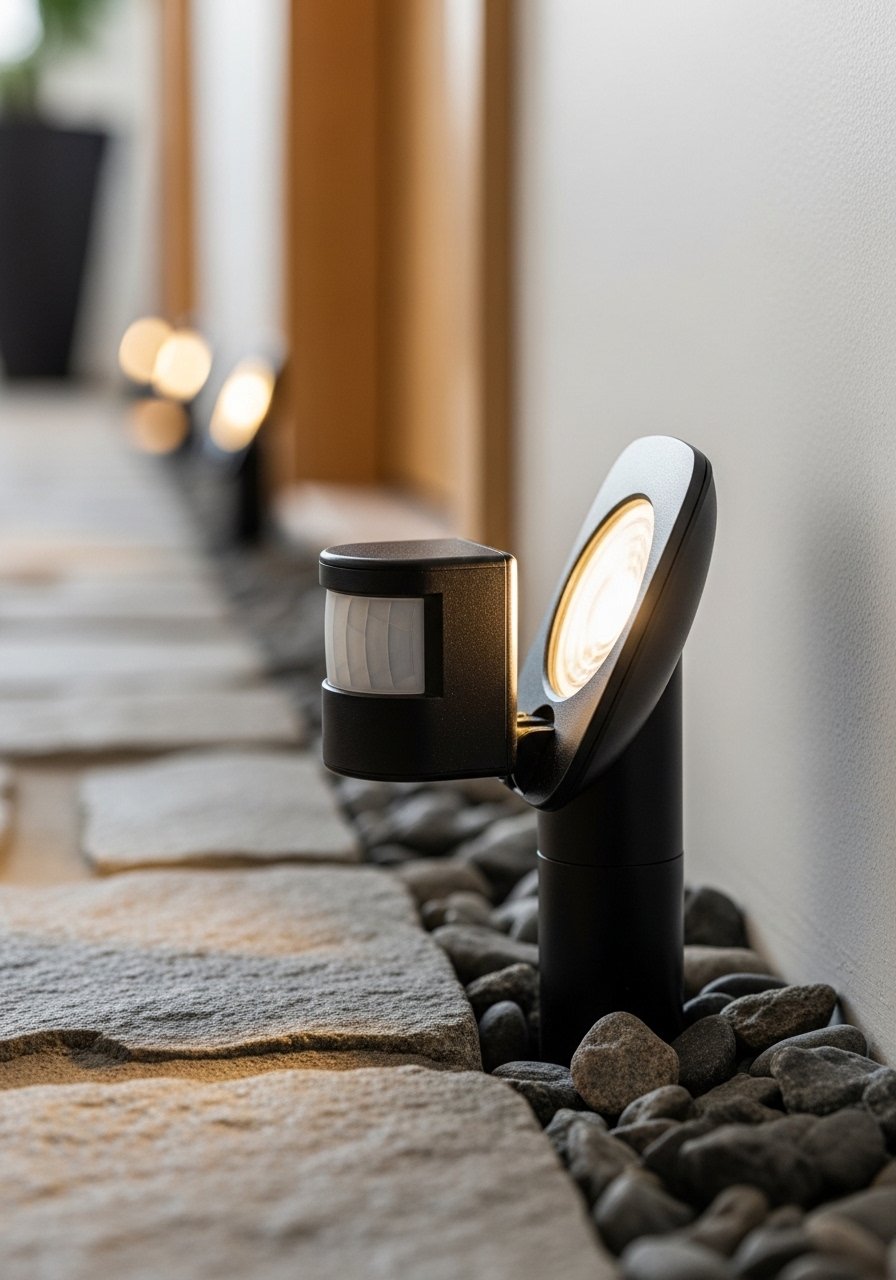
I added motion-sensor path lights near the driveway. They light when you walk up and then dim. It’s welcoming without being on all night.
They’re also great for security. I prefer warm 2700K LEDs so the light isn’t harsh.
Test sensor angles so lights don’t trigger from the street.
What You’ll Need for This Look
24. Fresh Mulch and Defined Edging to Frame Planting Beds
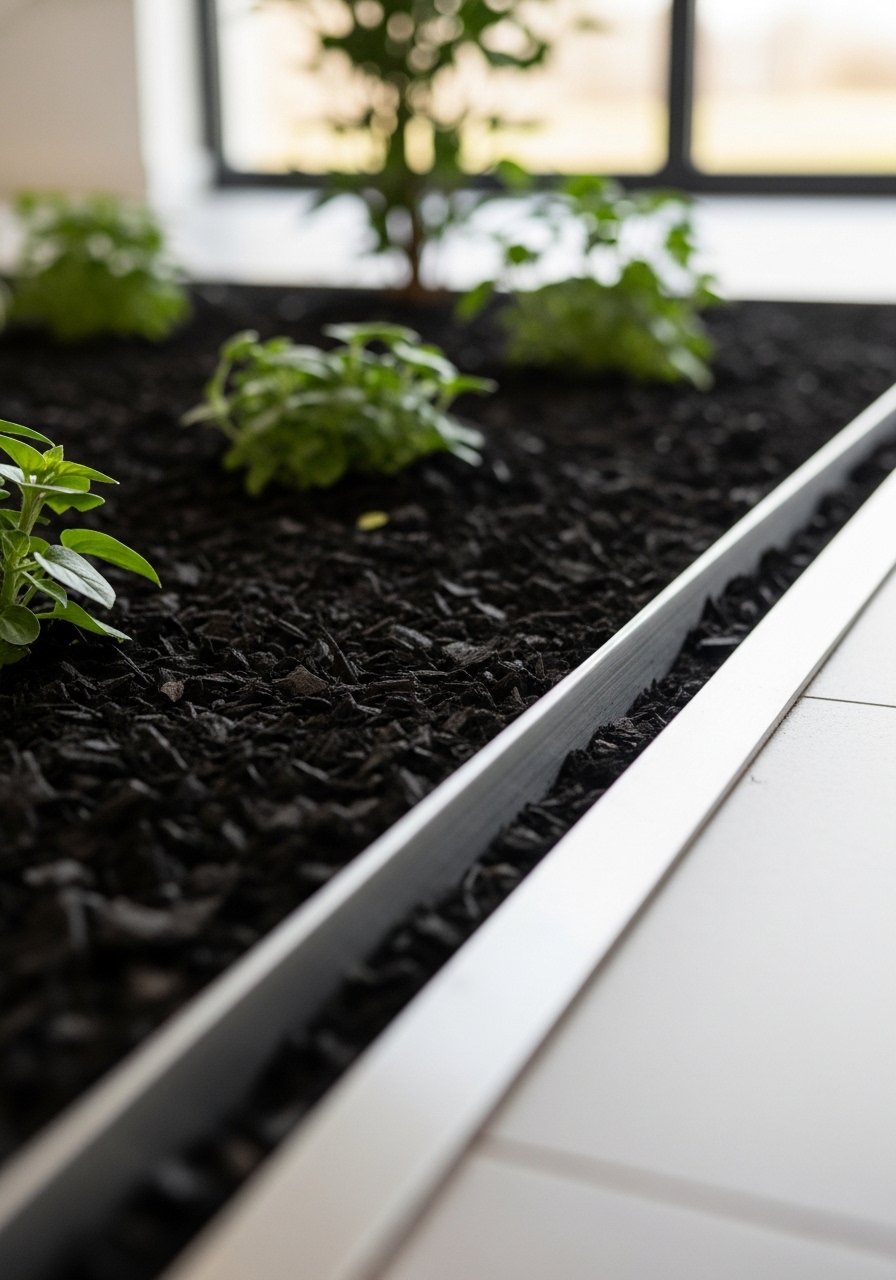
I replaced patchy beds with fresh dark mulch and crisp edging. Suddenly the plants looked intentional and the yard cleaner.
Mulch helps with moisture and gives a finished look. Metal or stone edging keeps mulch in line and grass out.
Top up mulch yearly and keep a tidy edge—small care, big payoff.
What You’ll Need for This Look
Final Thoughts
Curb appeal doesn’t need a full overhaul. Small, honest fixes add up.
Pick one idea, do it well, and live with it a season. You’ll know what to tweak next.
Start simple. Then build the look that feels like your home.